About TWO PHASE HEAT TRANSFER UNIT
Specification:
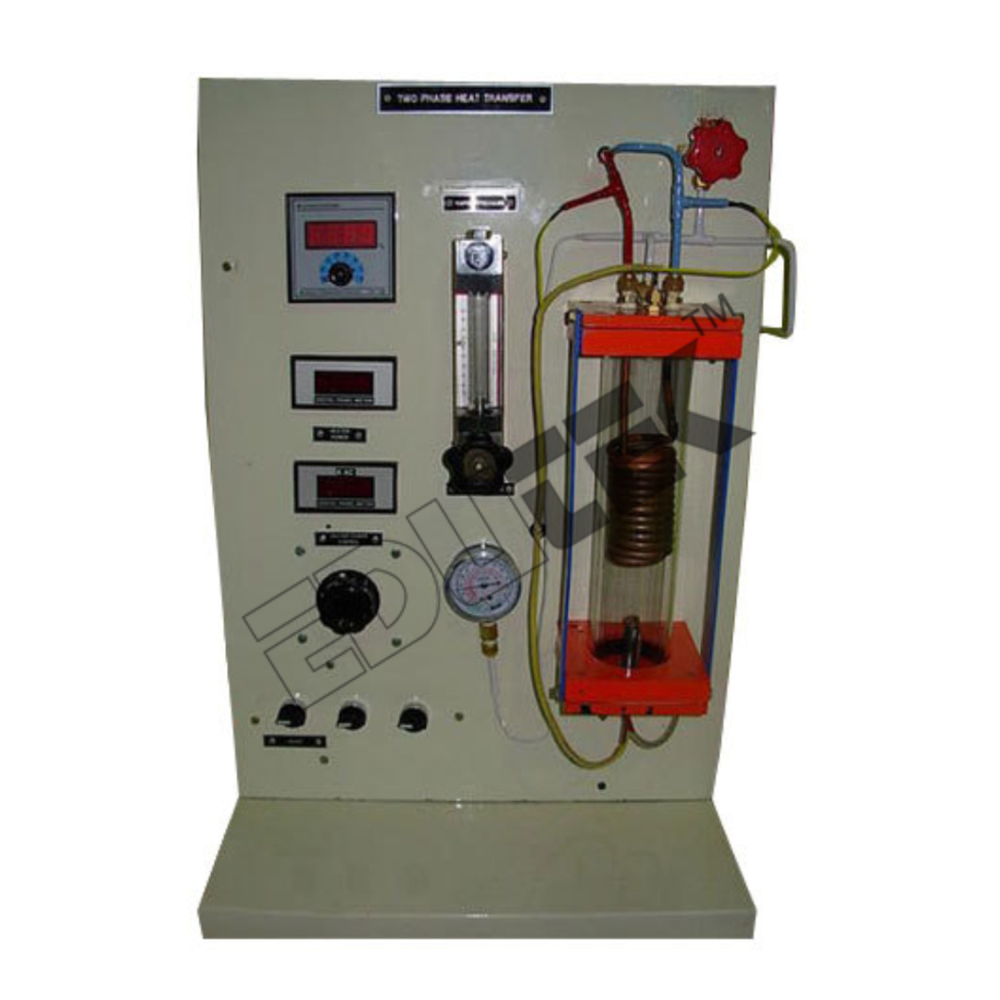
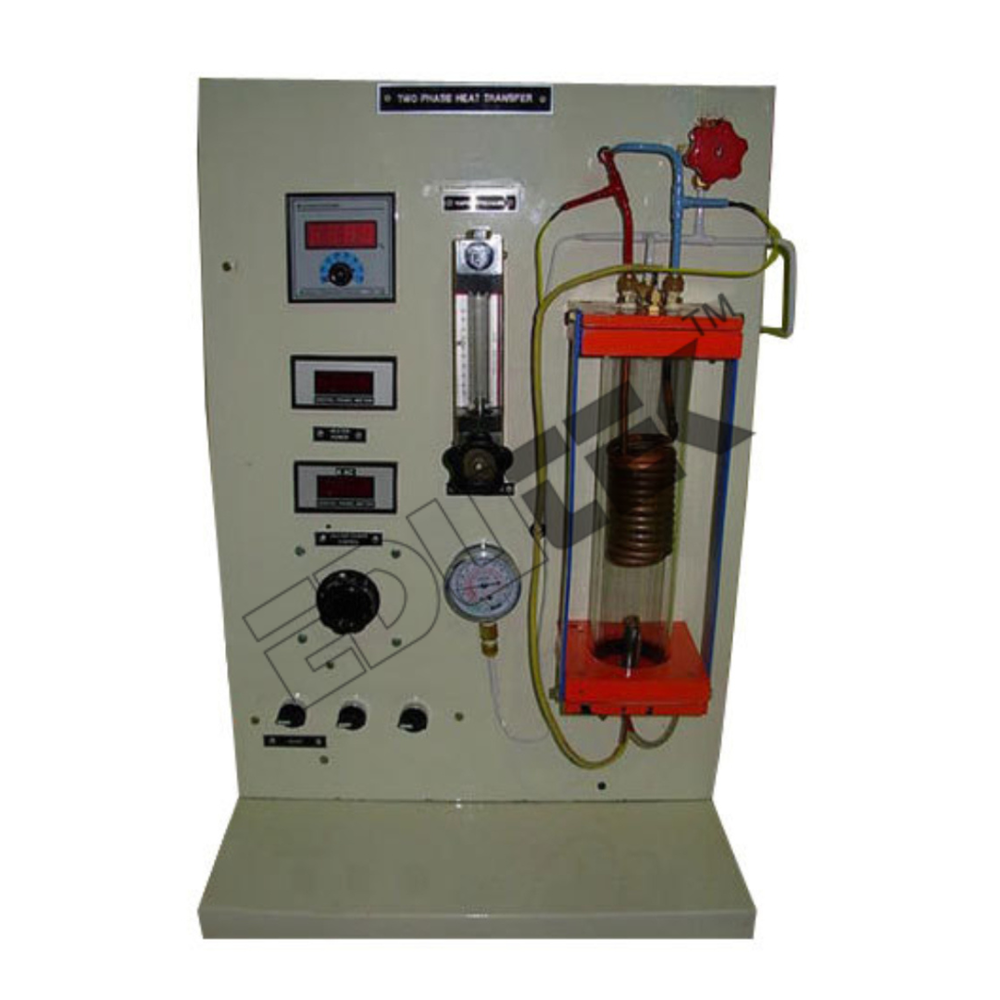
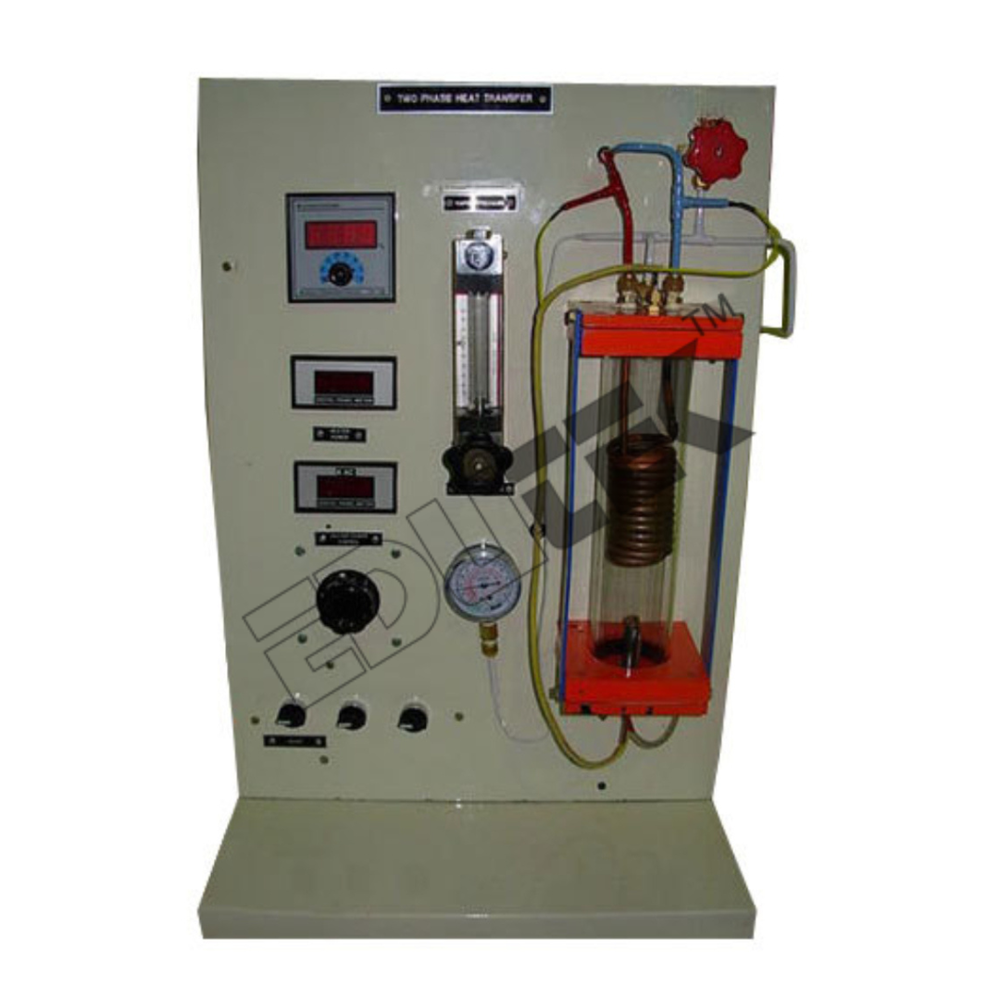
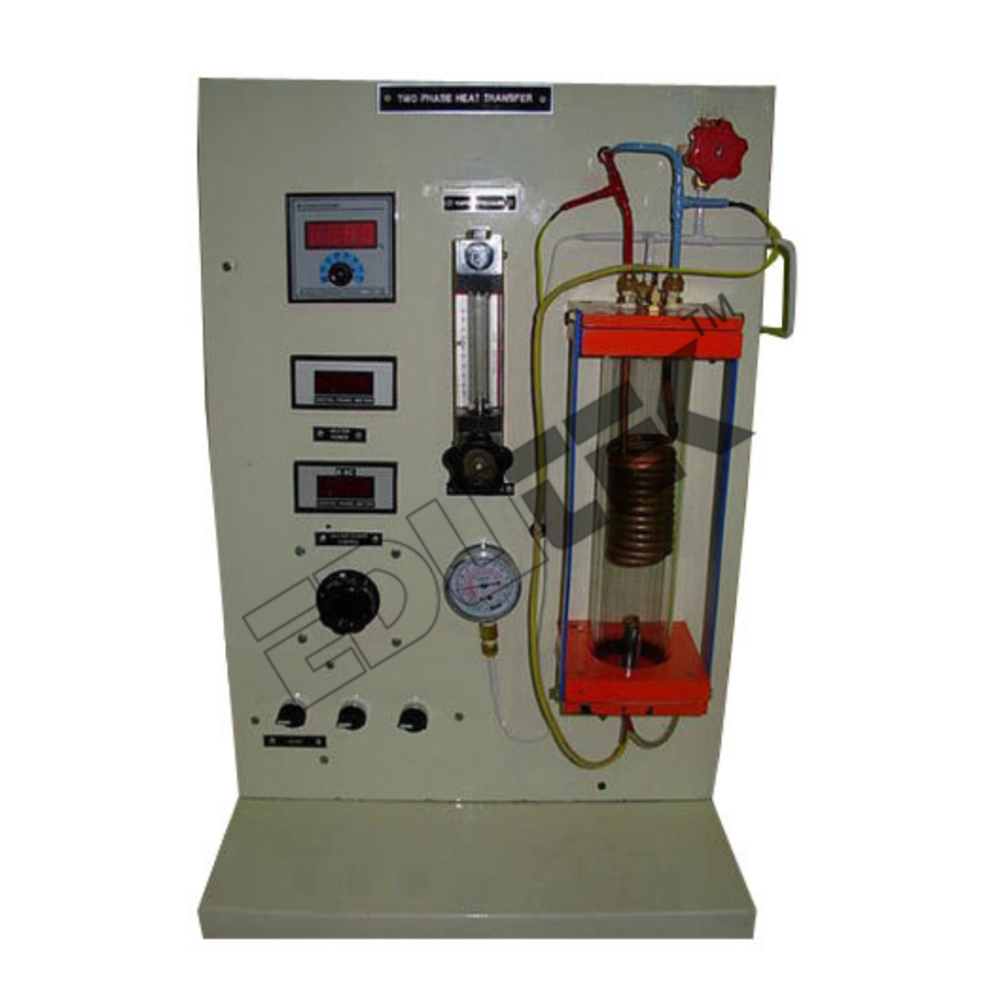
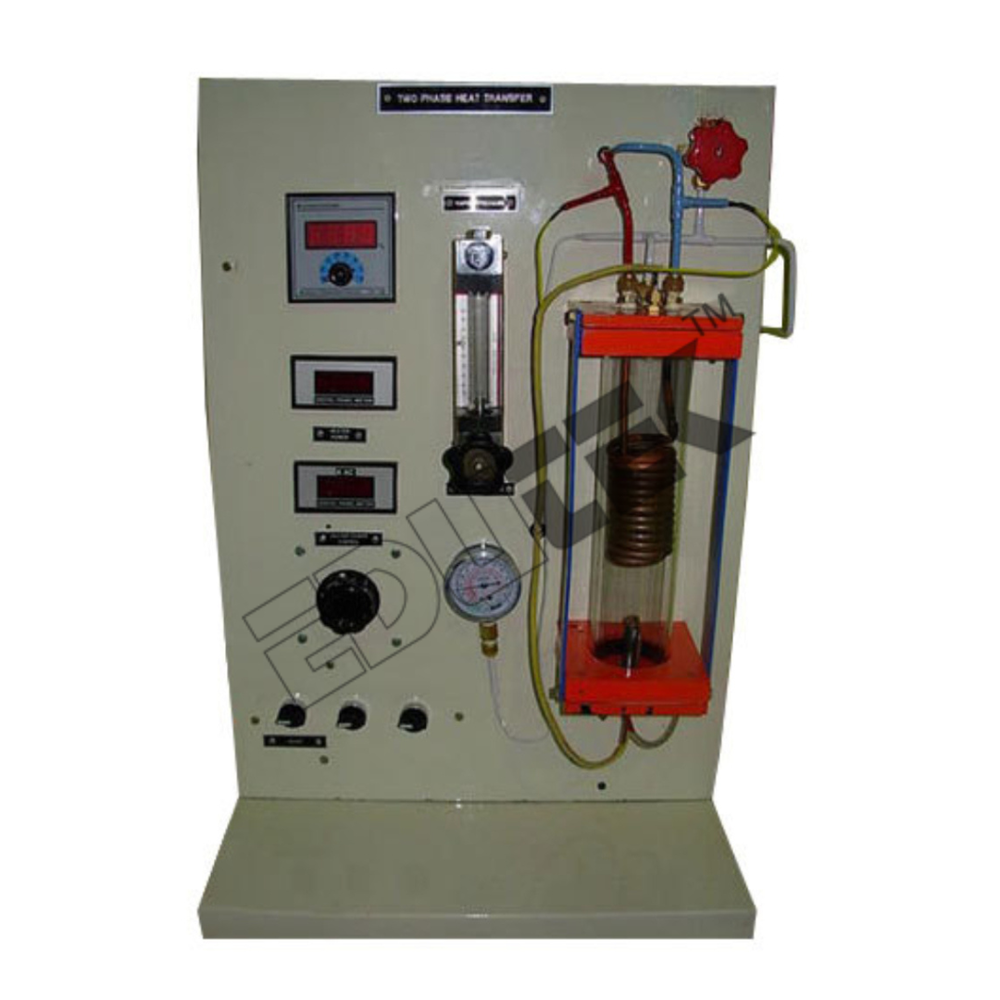
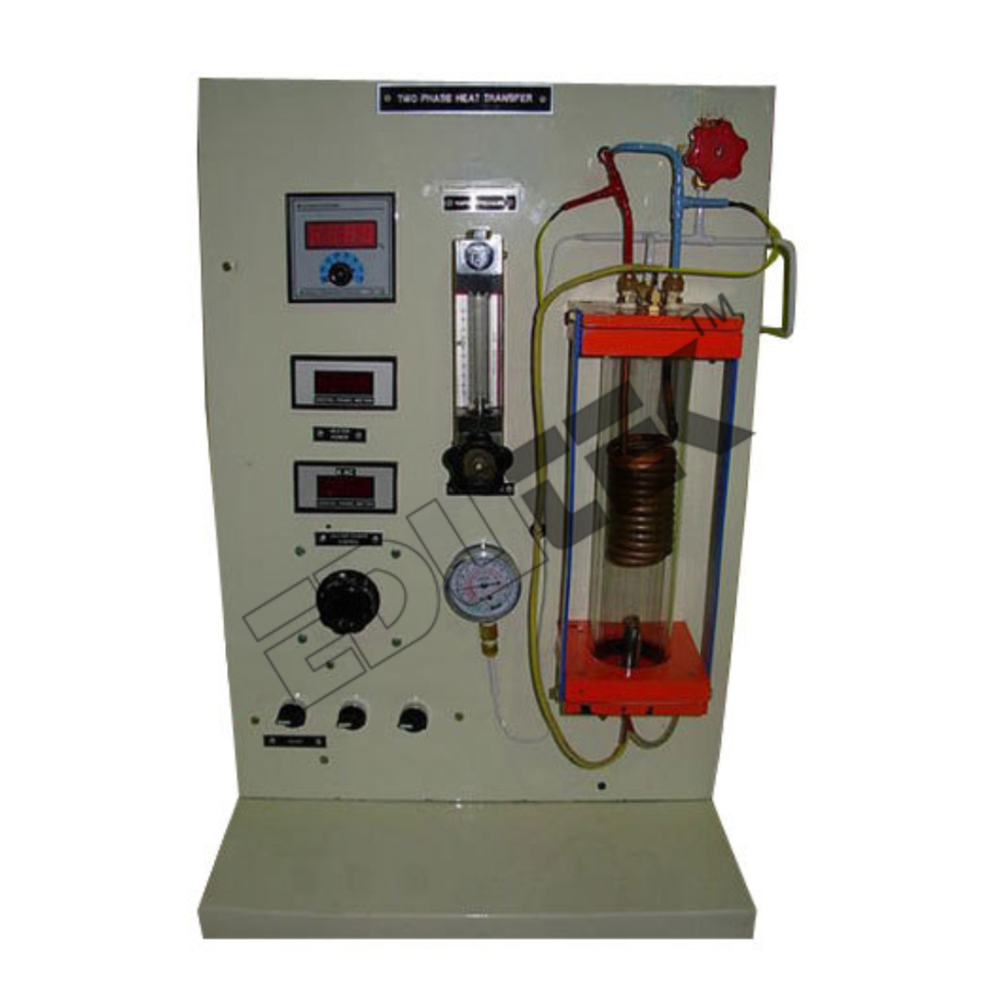
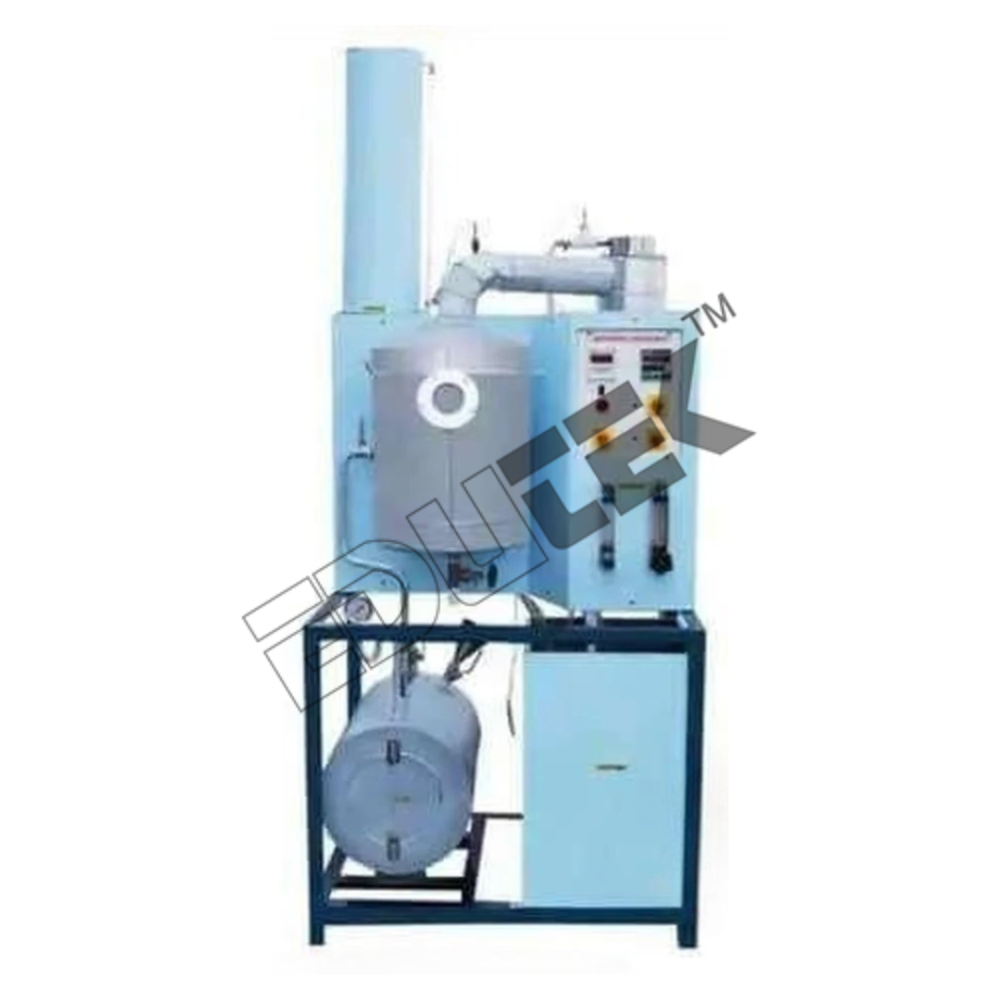
TWO PHASE HEAT TRANSFER UNIT
The Unit consists of a strongcylinder containing fluid.
A water-cooled coil in the upper partof the cylinder condenses the vapour and returns it to the boiling liquid. Thecondenser cooling water rate can be measured and controlled also.
Experimentation-
To plot graph of heat flux &temperature difference between metal & liquid
To calculate amount heat taken awayby water from condensing vapour.
Product Specification
Medium Used: Water
Material: Mild Steel
Voltage: 220-440V
Frequency: 50-60Hz
Finish: Paint Coated
Engineered for Educational ExcellenceThe TWO PHASE HEAT TRANSFER UNIT is meticulously crafted to facilitate advanced studies in heat transfer principles. Its high accuracy and robust mild steel construction make it optimal for rigorous laboratory use. Universities and technical institutes across India trust this equipment for precision-based experimentation and in-depth academic research.
Reliable Performance and SupportManufacturers and suppliers in India back the unit with a comprehensive 1-year warranty, ensuring peace of mind and operational reliability. Voltage flexibility (220-440V) means the device is compatible with standard laboratory power supplies, making it straightforward to install and integrate into various teaching and research environments.
FAQ's of TWO PHASE HEAT TRANSFER UNIT:
Q: How does the TWO PHASE HEAT TRANSFER UNIT operate in a laboratory setting?
A: The TWO PHASE HEAT TRANSFER UNIT functions by facilitating heat exchange between two phases-typically liquid and vapor-allowing students and researchers to observe and analyze heat transfer mechanisms in real time. The unit is powered by a standard voltage supply (220-440V) and is designed for safe and efficient operation.
Q: What are the primary applications of this heat transfer unit?
A: This unit is primarily used in heat transfer laboratories for academic and research purposes. It enables experiments related to two-phase heat transfer processes, supporting studies in thermodynamics, chemical engineering, and mechanical engineering.
Q: When should routine maintenance be performed on the unit?
A: Routine maintenance should be scheduled periodically based on usage levels. Generally, it is recommended to inspect and service the unit every six months to ensure optimal performance and longevity, considering laboratory operation standards.
Q: Where can this unit be sourced in India?
A: The TWO PHASE HEAT TRANSFER UNIT is available through reputable manufacturers, suppliers, and exporters located across India. Many of these suppliers provide installation support and after-sales service to assist customers.
Q: What is the typical process for conducting experiments with this equipment?
A: Users set up the unit following the provided guidelines and initiate the required power supply. Experiments involve circulating fluids through the unit to enable phase change and measuring key parameters to analyze heat transfer characteristics under different conditions.
Q: How does the equipment benefit laboratory users and institutions?
A: Utilizing this equipment enhances the educational and research capabilities of laboratories. It provides precise experimental data, aiding in a deeper understanding of two-phase heat transfer. Its robust construction and high accuracy contribute to reliable and repeatable results, benefiting both teaching and research objectives.




 Send Inquiry
 Send Inquiry

