
EDUTEK INSTRUMENTATION
GST : 06AEWPJ6896D1ZU

Call us
07313726362
Call us
07313726362
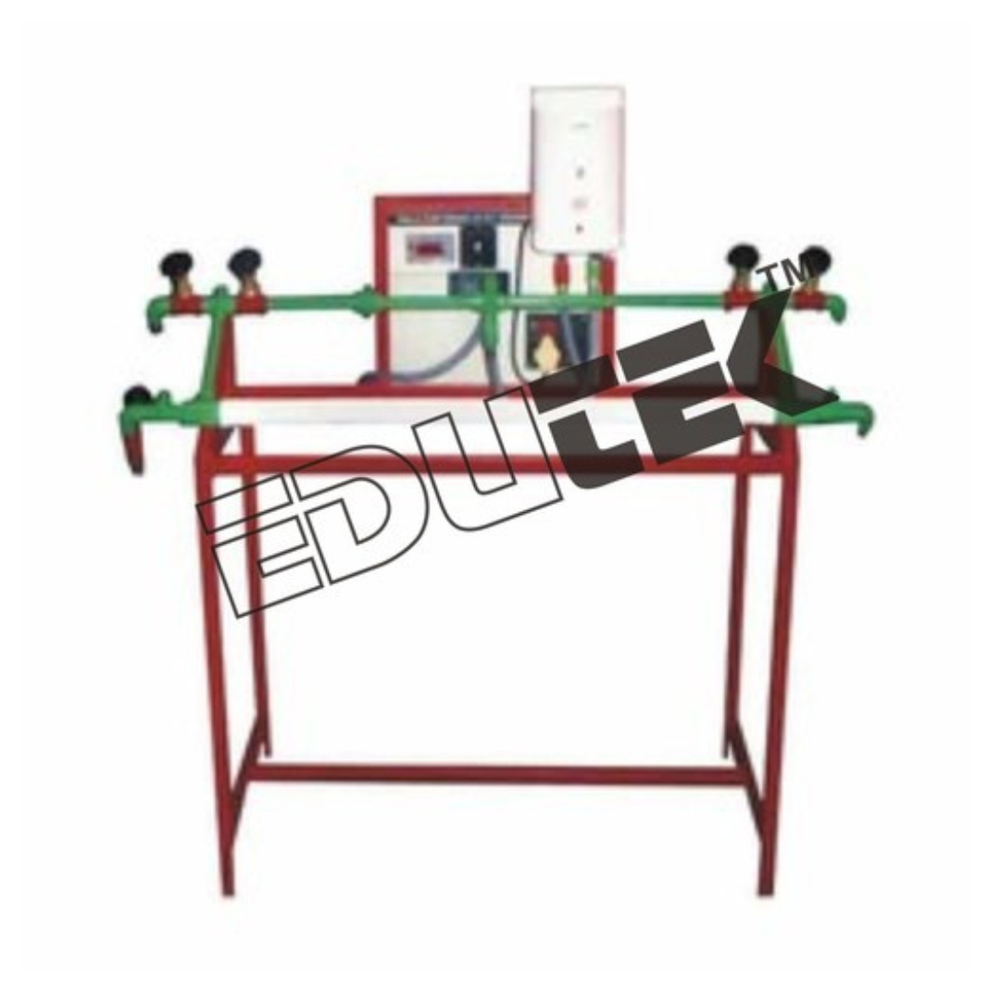
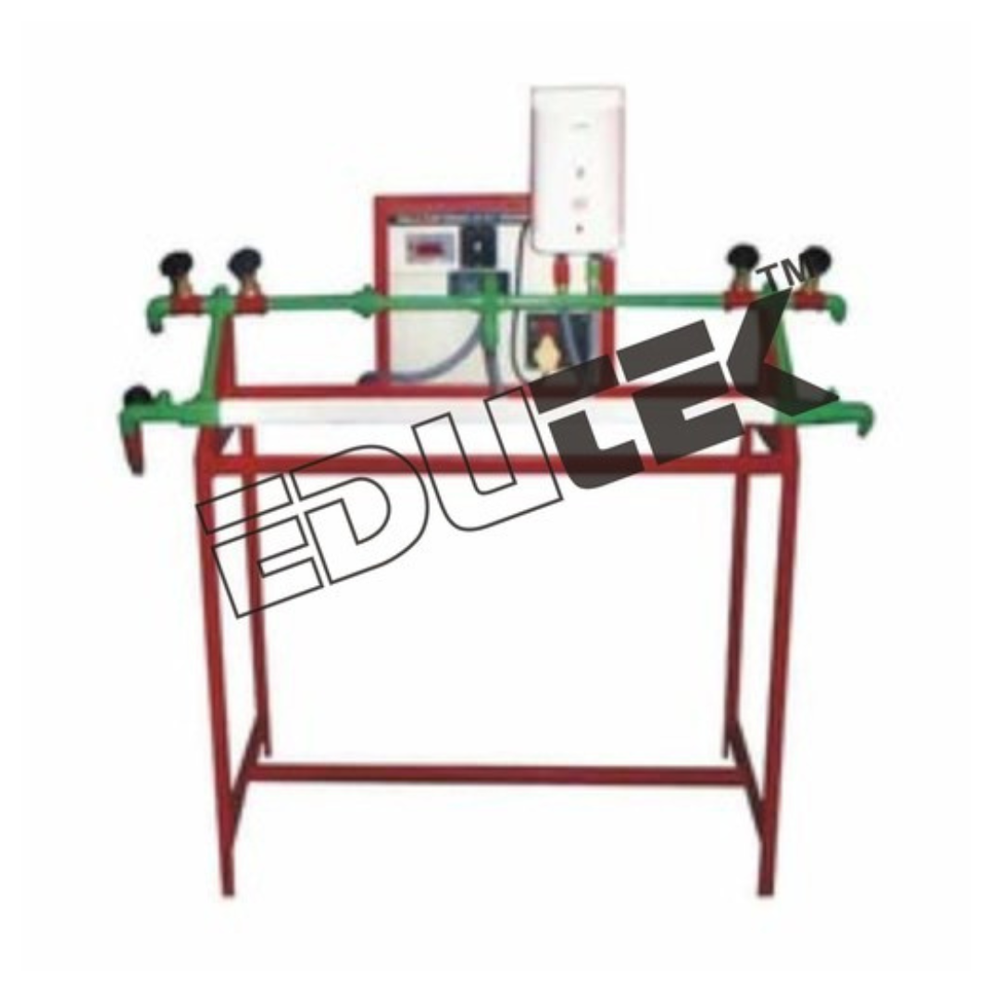
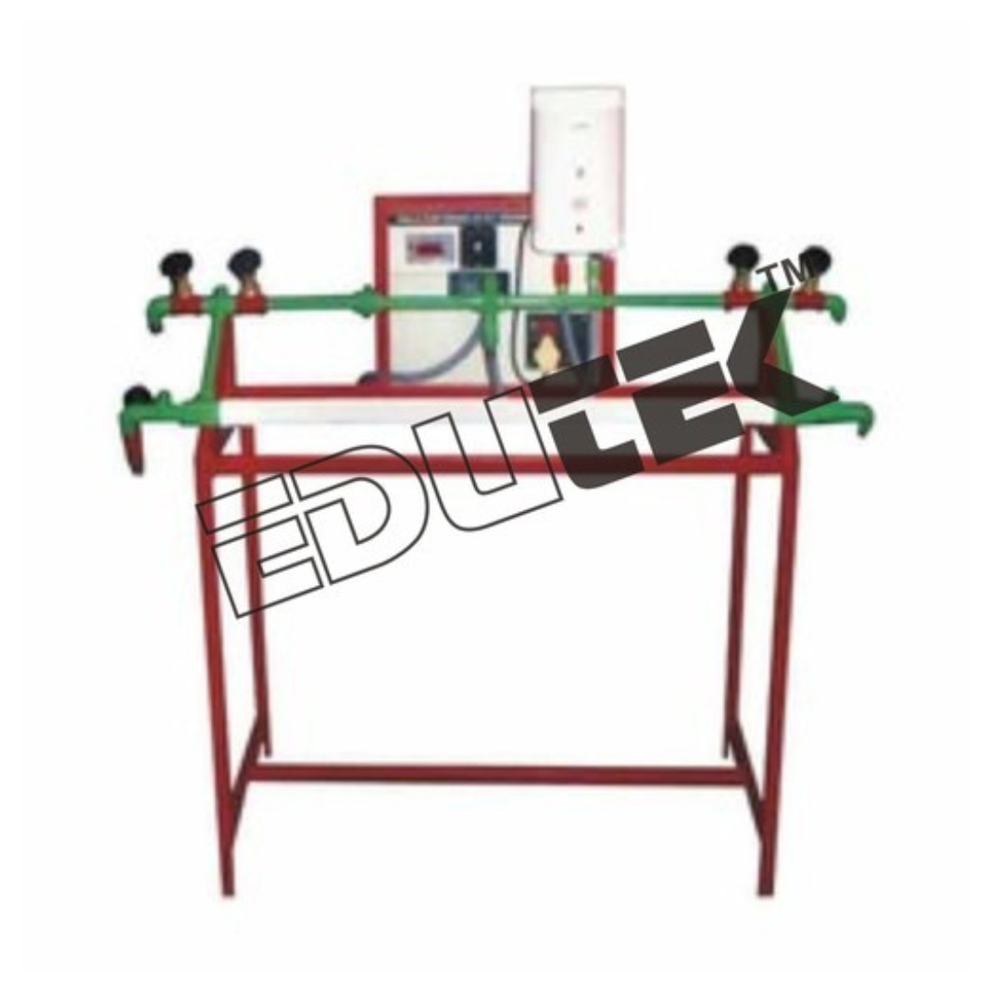
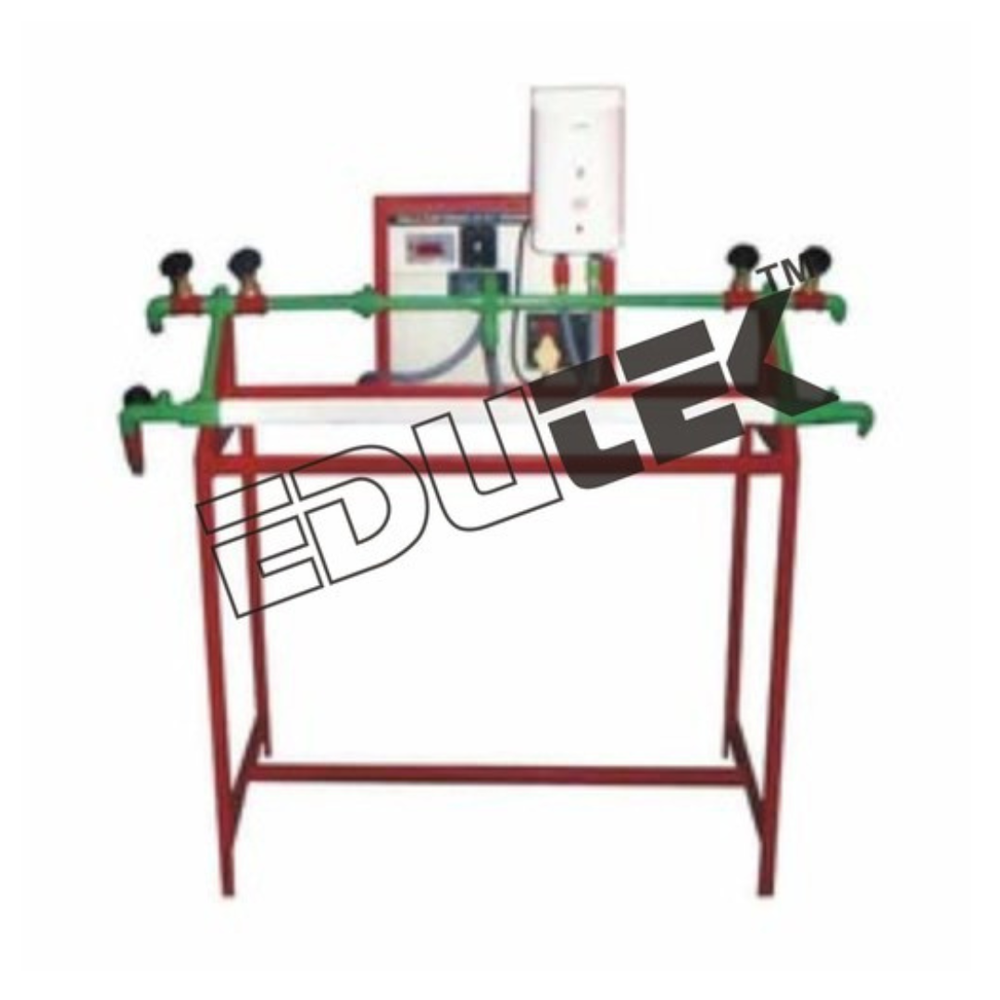
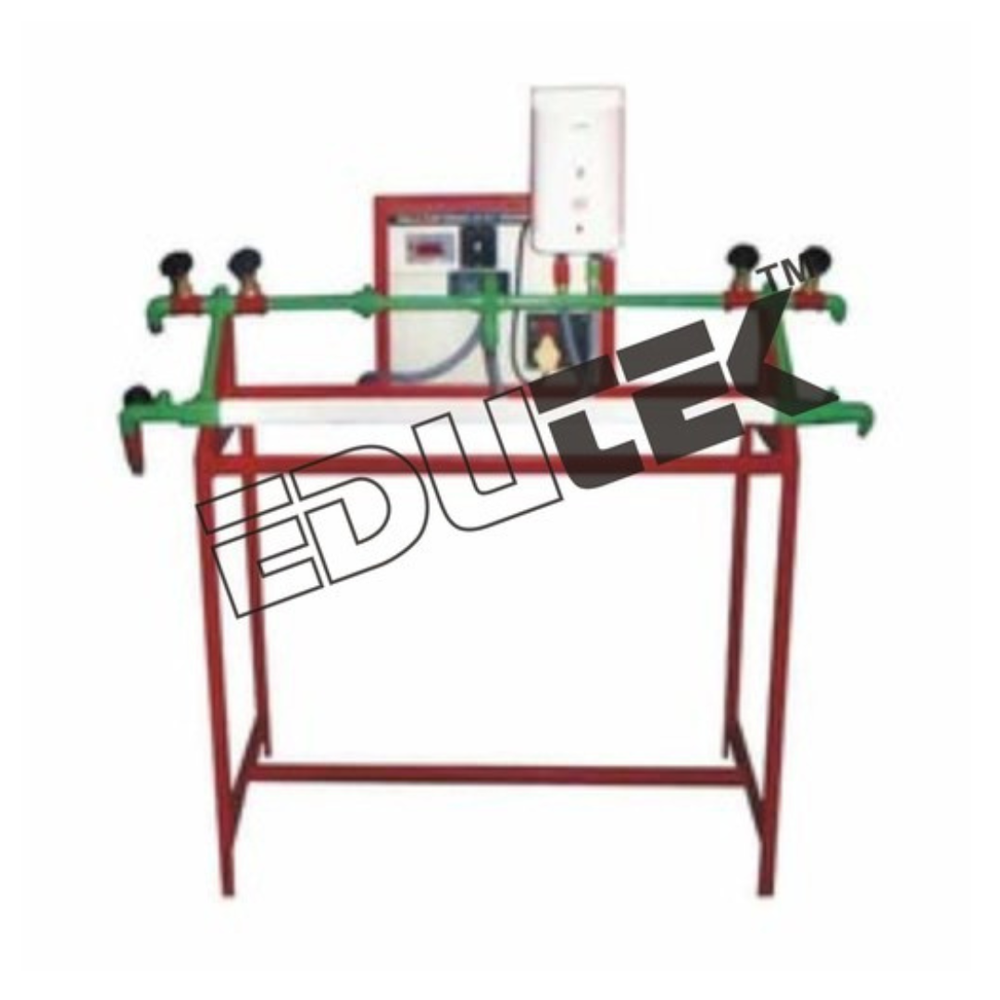
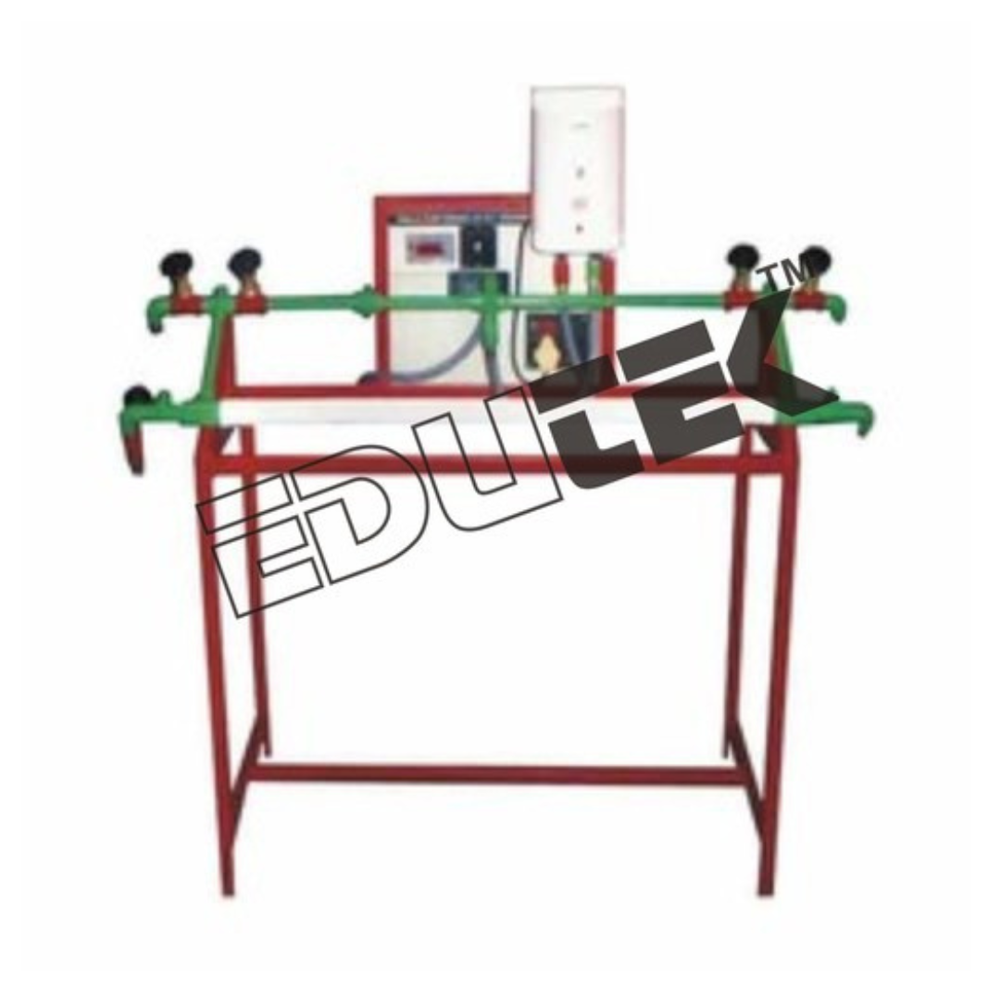
Parallel Flow/Counter Flow Heat Exchanger :
Heat Exchanger is devices in which heat is transferred from one fluid to another. The apparatus consists of a concentric tube heat Exchanger. Hot water flows through inner tube in one direction only and cold water flows over the inner tube in outer tube. Direction of cold fluid flow can be changed from parallel or counter to hot water so that unit can be operated as parallel or counter flow heat Exchanger. Flow rates of hot and cold water are measured using Rota meters. A magnetic drive pump is used to circulate the hot water from a re-cycled type water tank, which is fitted with heaters and Digital Temperature Controller.
Experiment:

Price:
Minimum Order Quantity : 1 Piece
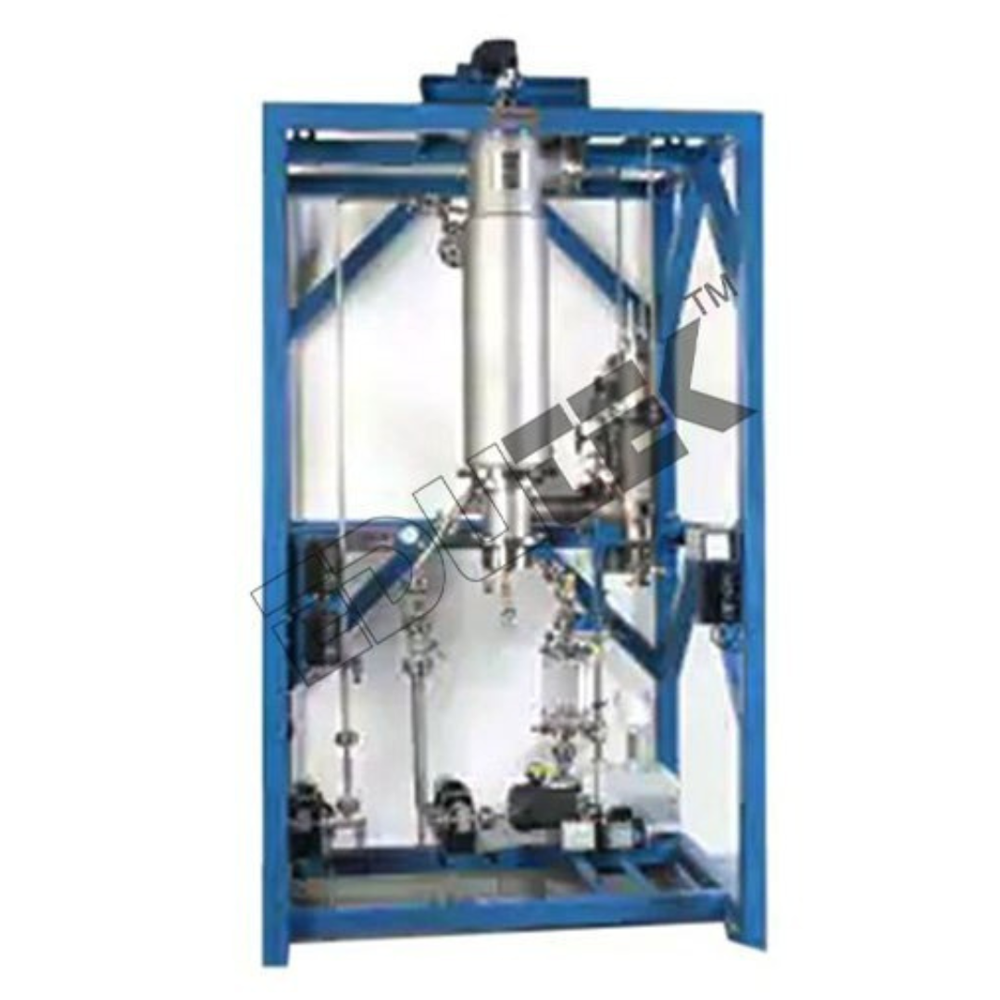
Type : Lab Model, Bench Top Apparatus
Feature : Transparent Construction, Visual Operation, Easy Maintenance
Usage : Heat Transfer Laboratory Equipment
Voltage : 220 240 V AC Volt (v)
Minimum Order Quantity : 1 Unit
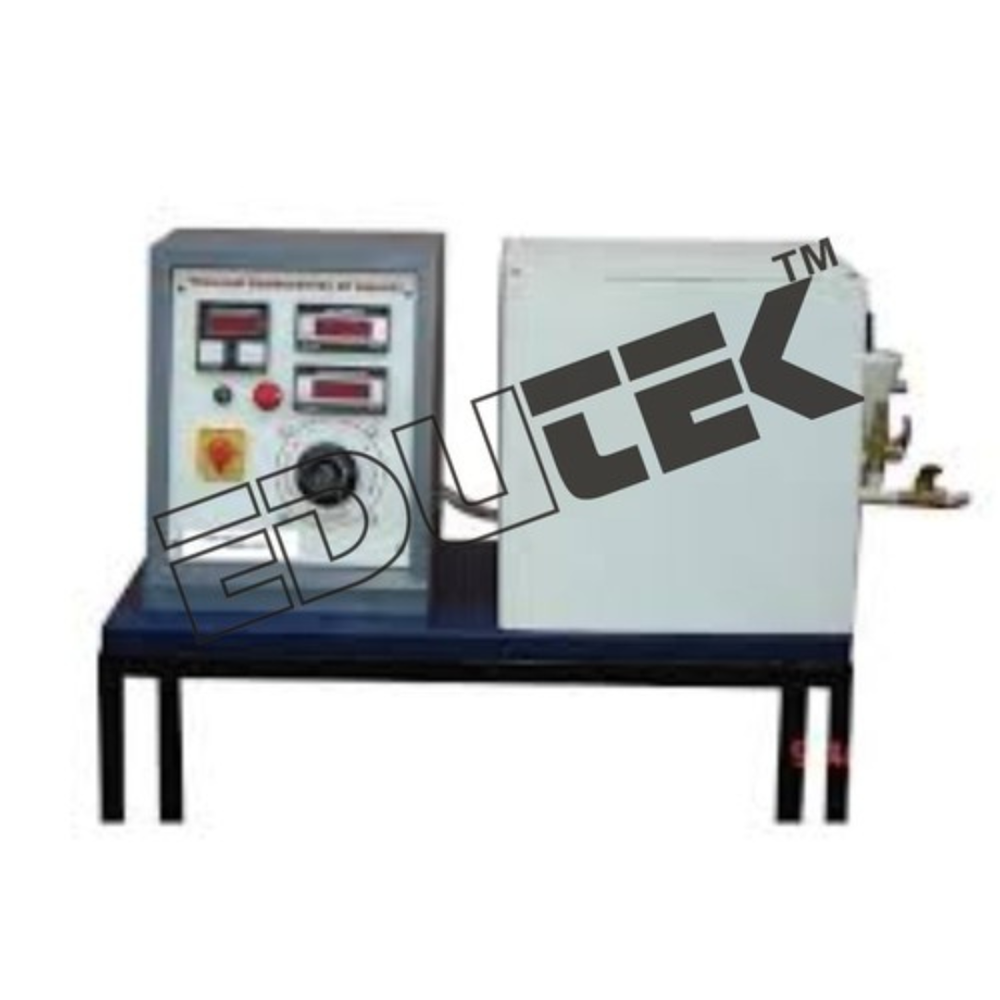
Type : Educational Laboratory Apparatus
Feature : Portable, EasytoOperate, Highly Accurate
Usage : Thermal Conductivity Measurement, Laboratory Experiments
Voltage : 230 V AC Volt (v)
Minimum Order Quantity : 1 Piece
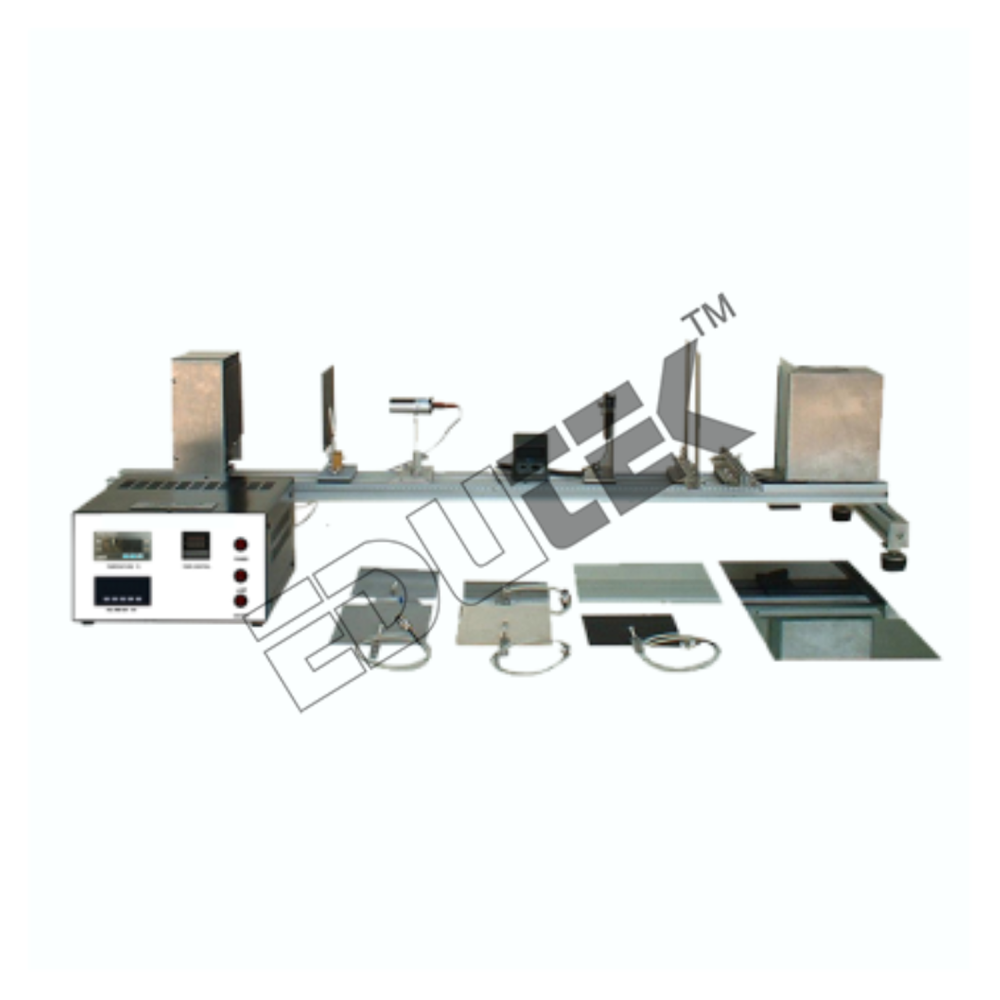
Type : Radiant Heat Transfer Lab Unit
Feature : Precise Temperature Measurement, Easy Operation, Compact Design
Voltage : 230 V AC
Price 4500.0 INR / Piece
Minimum Order Quantity : 1 Piece
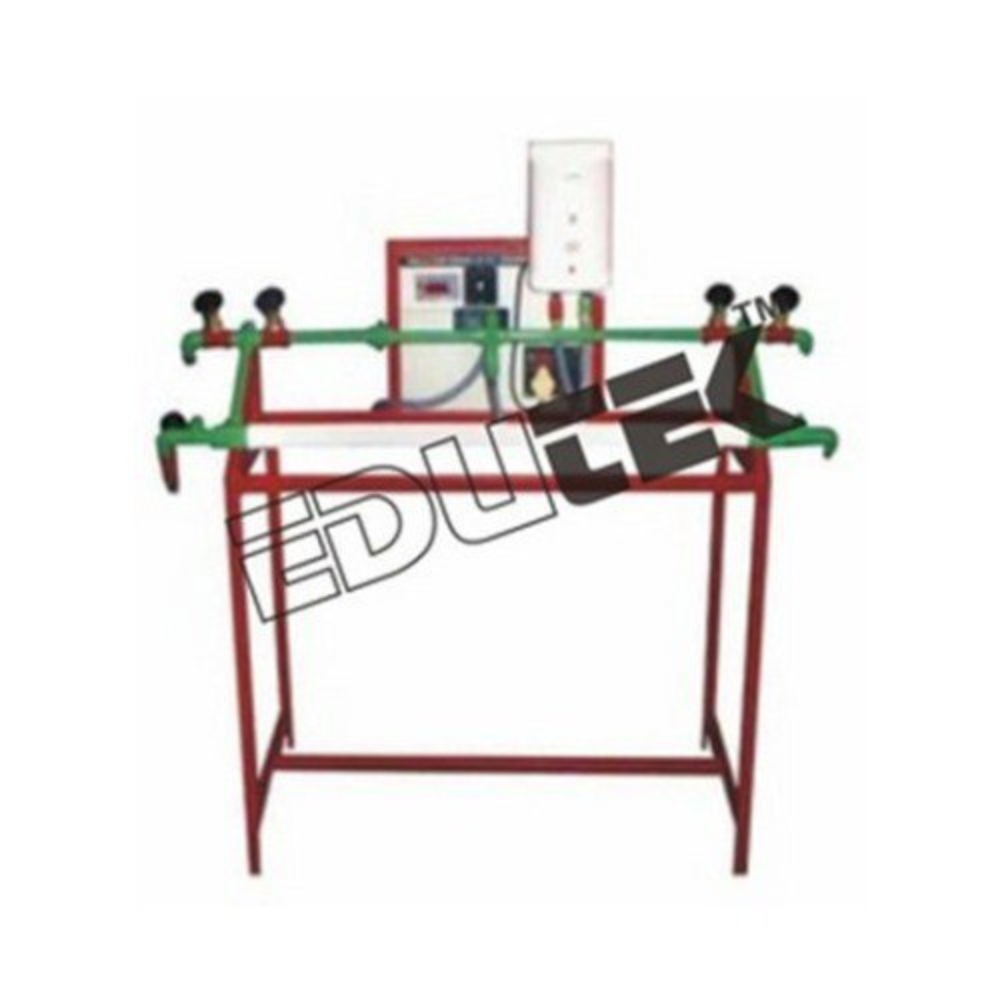
Type : PARALLEL FLOW/ COUNTER FLOW HEAT EXCHANGER APPARATUS
Feature : Heat exchanger is devices in whichheat is transferred from one fluid to another. The apparatus consists of aconcentric tube heat exchanger. Hot water flows through inner tube in onedirection only and cold water flows over the inner tube in outer tube. Direction of cold fluid flow can bechanged from parallel or counter to hot water so that unit can be operated asparallel or counter flow heat exchanger. Flow rates of hot and cold water aremeasured using Rotameters. A magnetic drive pump is used to circulate the hotwater from a recycled type water tank, which is fitted with heaters andDigital Temperature Controller.
Usage : Heat Transfer Laboratory Equipment
Voltage : 220 Volt (v)

 Send Inquiry
 Send Inquiry

