About Standard Universal Testing Machine
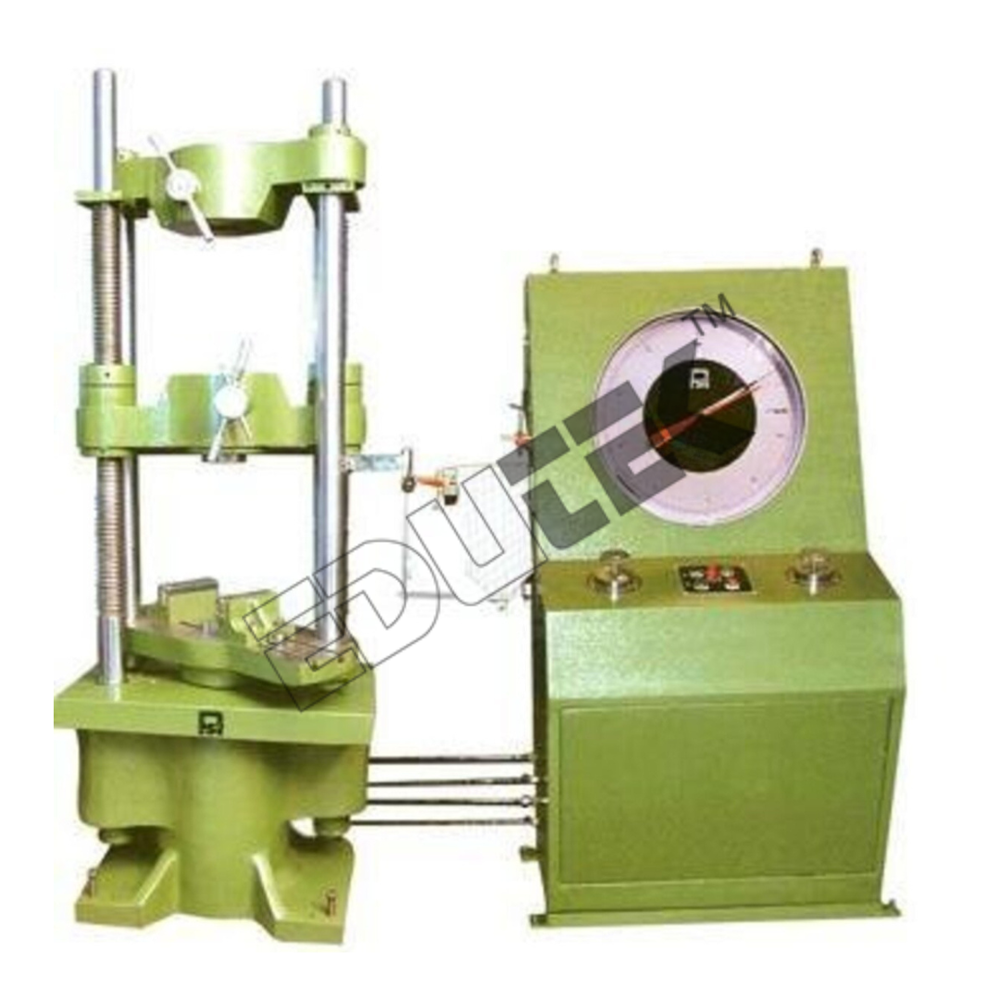
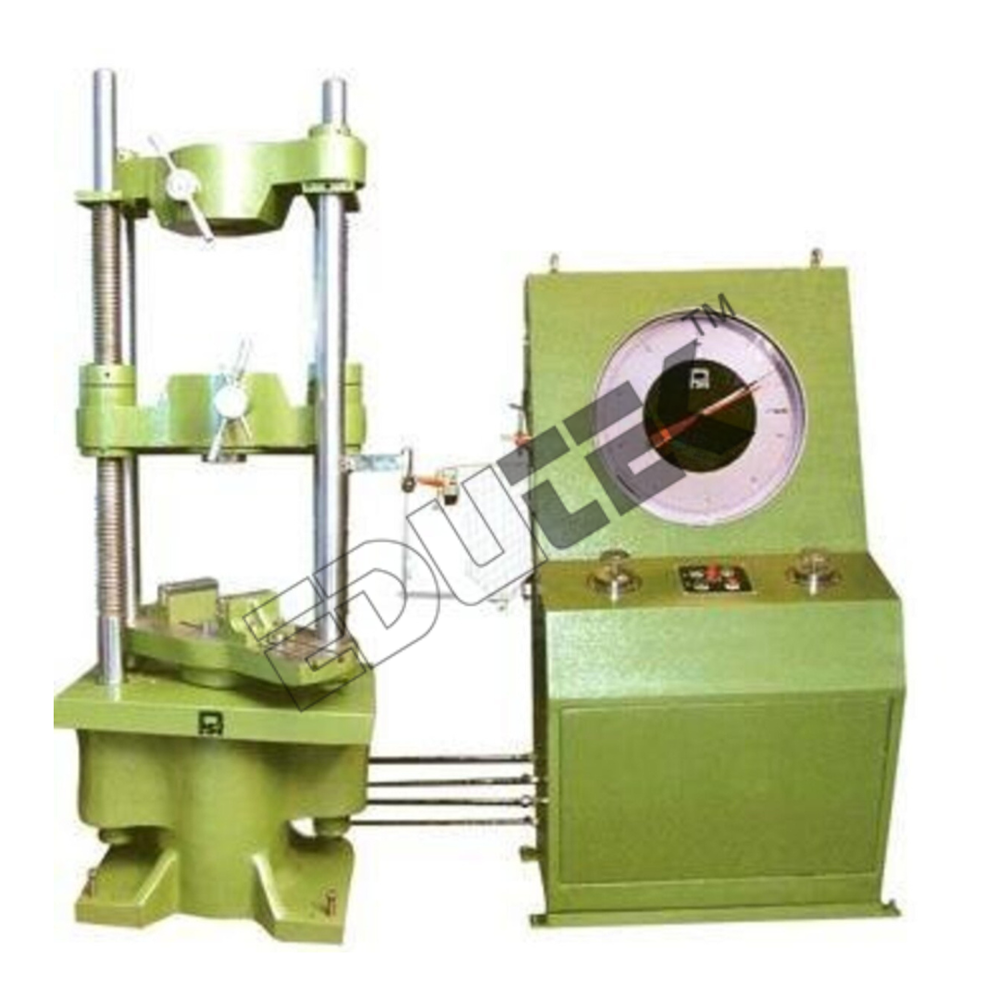
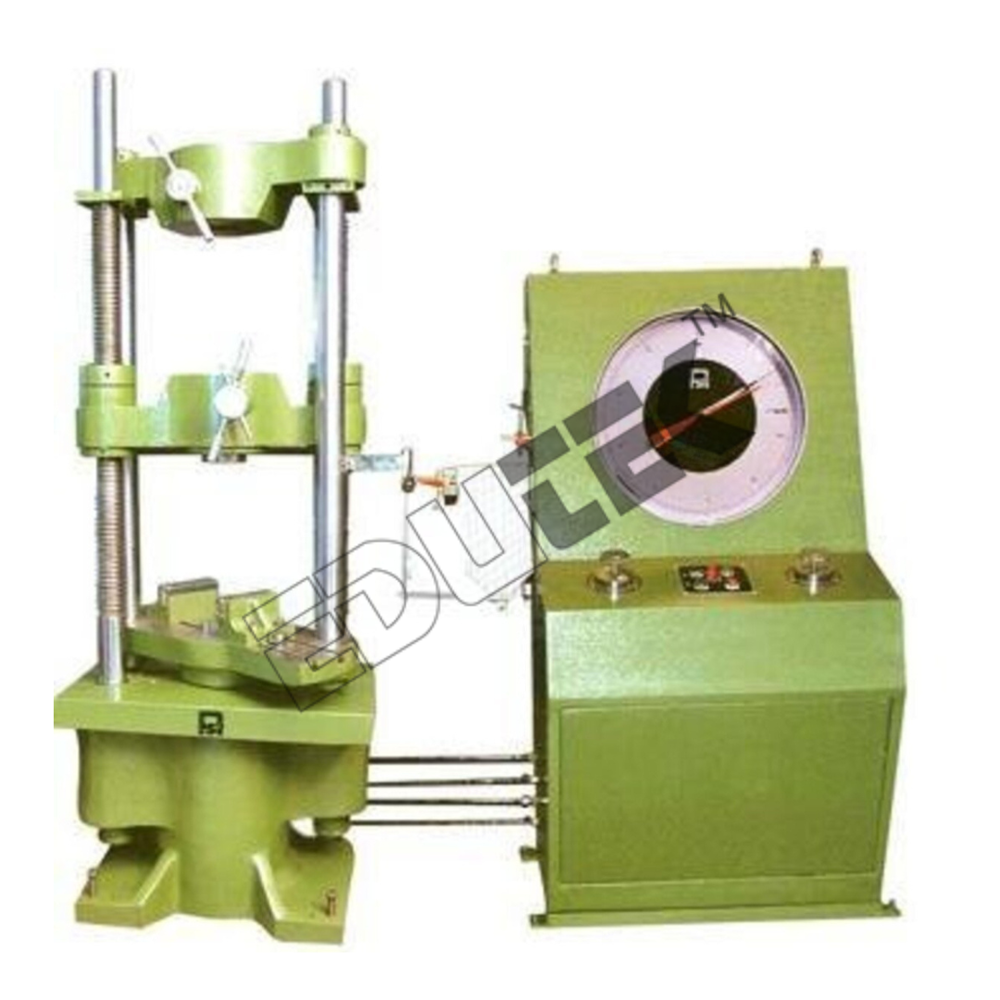
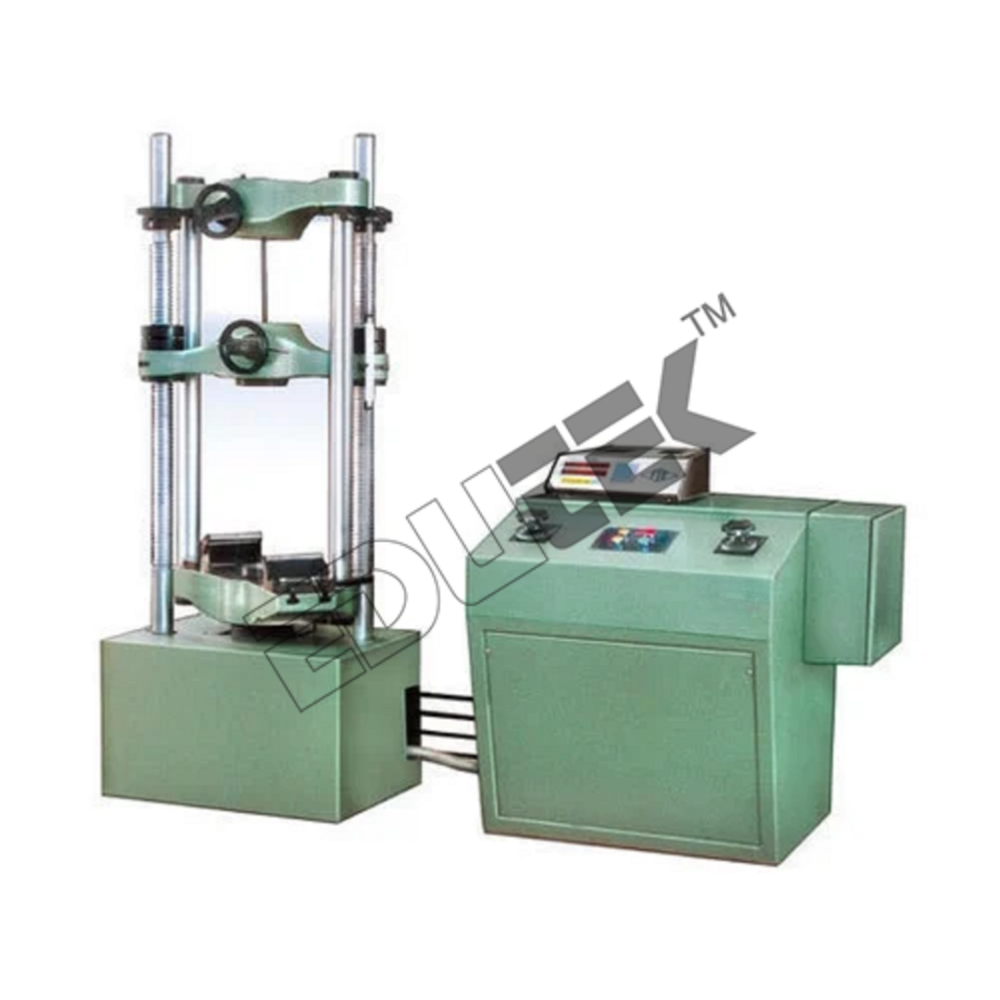
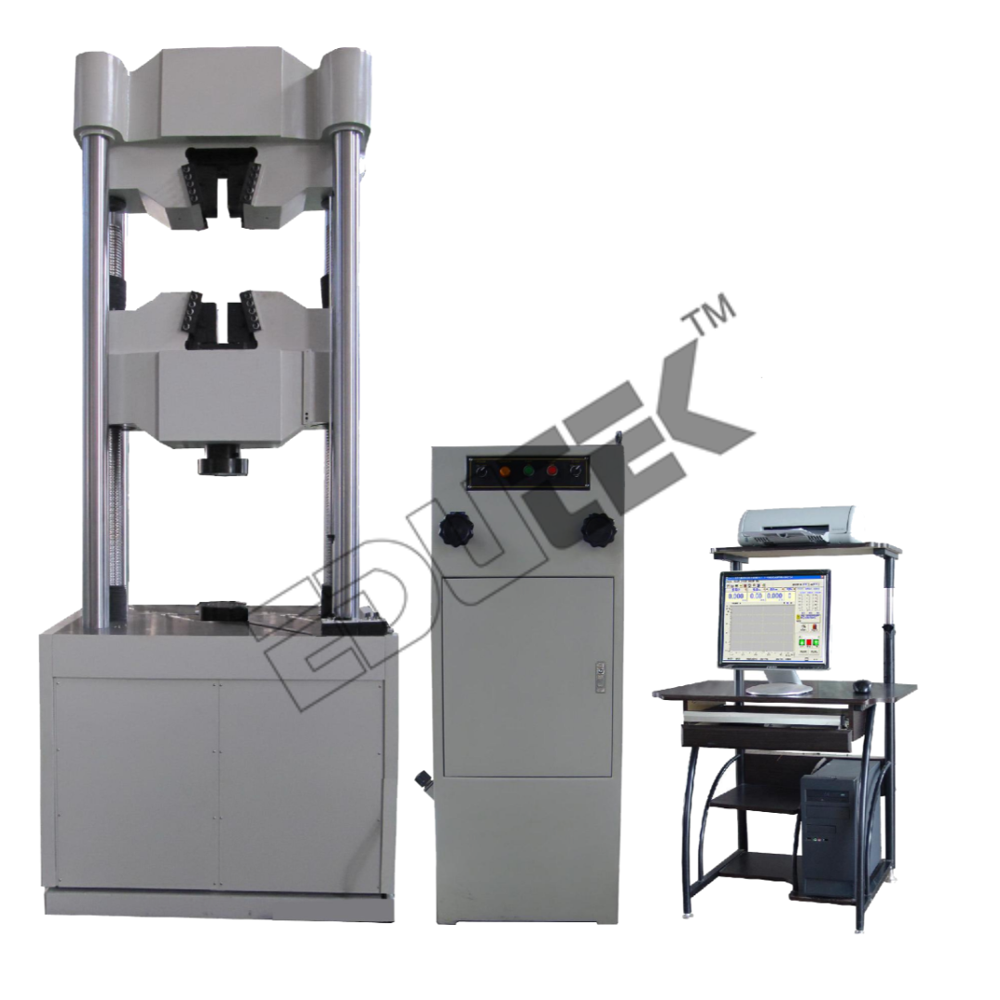
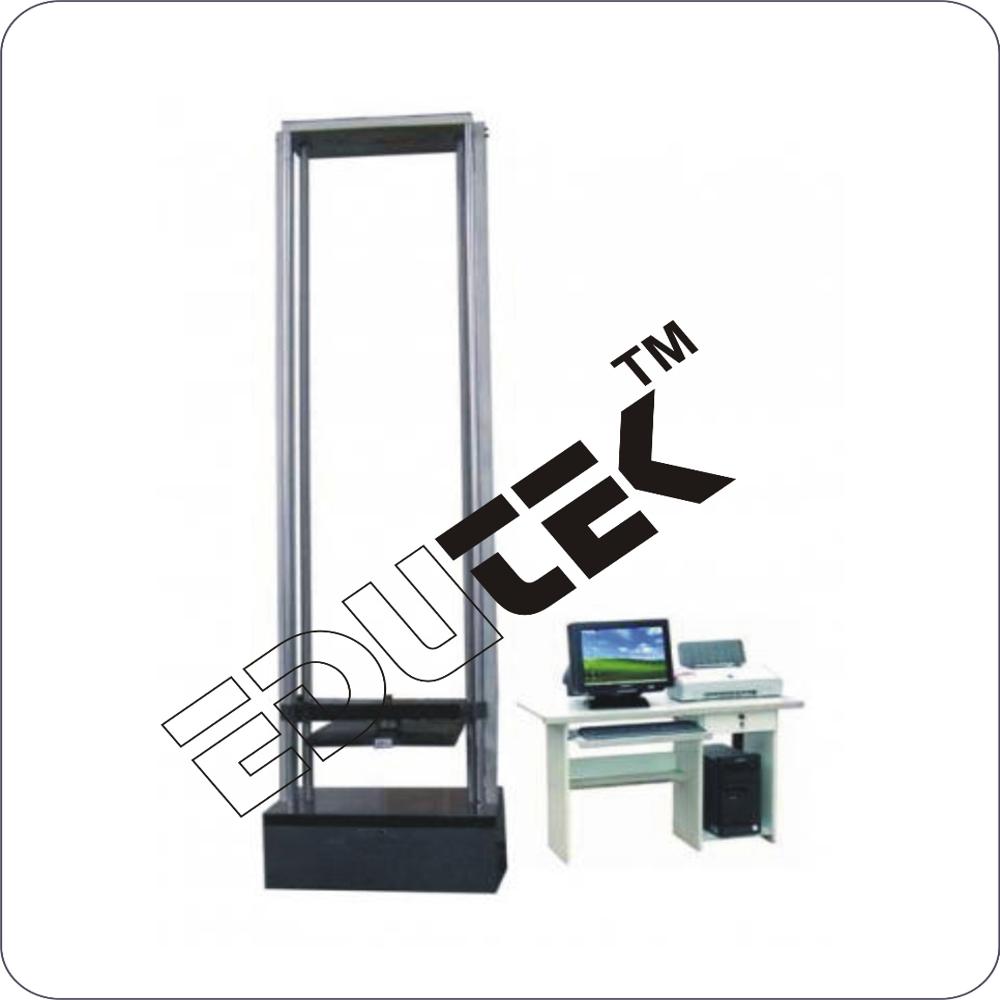
Standard Universal Testing Machine : FEATURES:- Loading Accuracy +/- 1 %
- Variable Straining Speeds
- Continuous Autographic Recorder
- Adjustable Lower Cross-head
- Simple Control Operation
- Special Test Attachments / Accessories
- Rigid Construction
- Safety Arrangements.
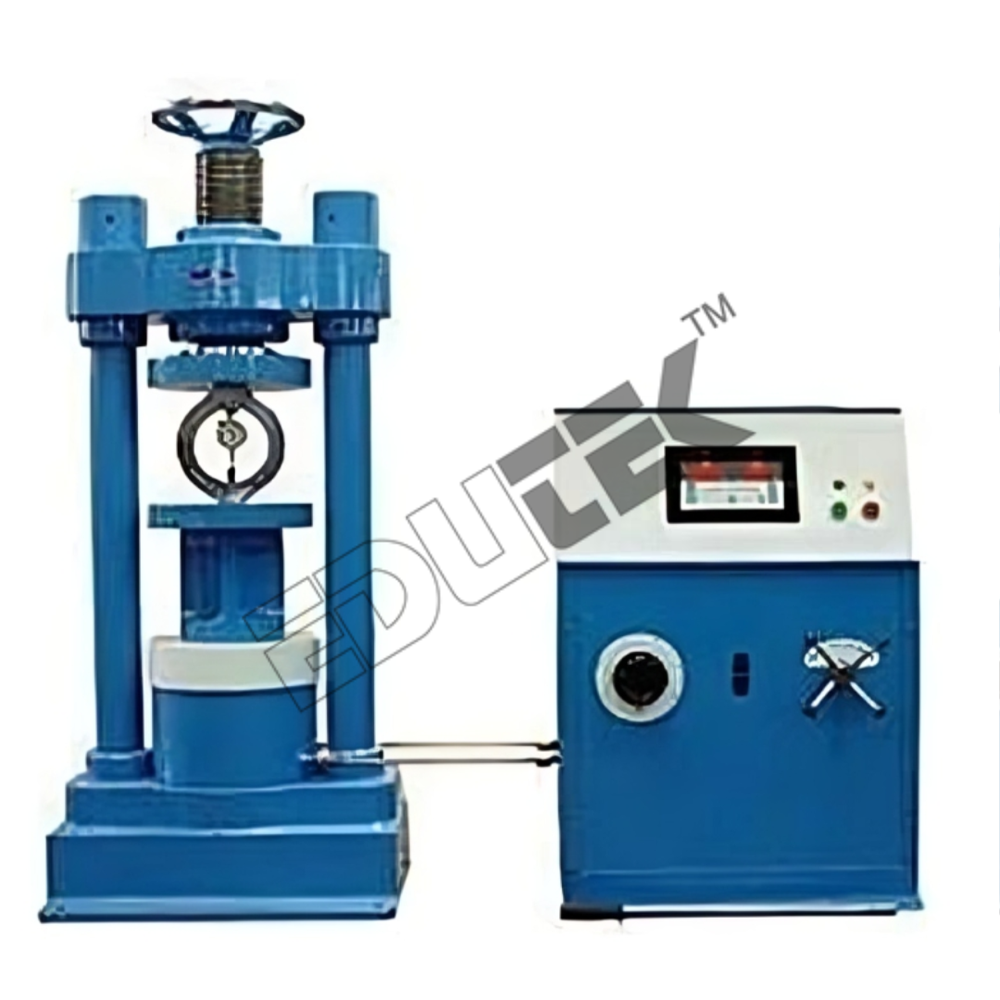
The machine is operated by hydraulic transmission of load from the test piece to a load indicator. Load is applied by a hydrostatically lubricated ram. Main cylinder pressure is transmitted to the cylinder of the pendulum dynamometer system. The load transmitted to the cylinder of the dynamometer is transferred through a lever system to a pendulum. Displacement of the pendulum actuates the rack and pinion mechanism which operates the load indicator pointer and recorder unit. The deflection of the pendulum represents the true load applied on the test-piece.
Versatile Testing for Multiple MaterialsDesigned to accommodate various attachments, this universal testing machine effectively tests metals and non-metals under tensile, compression, bending, and shear loads. Its heavy-duty steel frame and interchangeable grips enhance versatility and adaptability, making it suitable for a wide array of testing requirements.
Advanced Digital Display and ControlThe microprocessor-based digital display panel ensures precise and clear readings, with a resolution of 0.01 kN. Automated load measurement and manual or automatic testing modes make data acquisition straightforward, while USB and RS232 ports allow seamless data transfer for analysis or record-keeping.
Safety and Reliability AssuredEquipped with overload and over-travel protection, the machine safeguards both operators and samples. The strain gauge load cell delivers highly accurate load measurements, and its reliable power and robust design ensure consistent performance in both laboratory and industrial environments.
FAQs of Standard Universal Testing Machine :
Q: How does the Standard Universal Testing Machine ensure accurate test results?
A: This machine utilizes a strain gauge load cell with an accuracy of 1% of indicated load and a resolution as fine as 0.01 kN. The microprocessor-based digital display further enhances precision during test monitoring and data collection.
Q: What types of tests can be performed using this machine?
A: The equipment is suitable for tensile, compression, bending, and shear tests on both metals and non-metals. Interchangeable wedge and flat grips and accessory support for extensometers and bending jigs allow for a broad range of testing procedures.
Q: Where can the machine be installed and used?
A: With a durable steel frame and safety protections, the machine is appropriate for both laboratory settings and industrial environments. Its structure and capacity are suitable for material testing labs, quality control departments, and manufacturing sites.
Q: What is the process for operating the machine?
A: Tests can be run in manual or automatic cycling modes. The user selects the desired test parameters using the digital panel, mounts the specimen with appropriate grips, and initiates testing. The machine automatically measures and displays results, which can be transferred via USB or RS232 output.
Q: When should the overload and over-travel protection be used?
A: These safety features are always active, protecting the machine from damage or malfunction during excessive load or travel conditions. They ensure safe operation and prevent costly maintenance or downtime.
Q: How does the digital connectivity benefit users?
A: With USB and RS232 connections, test data can easily be exported for further analysis or documentation. This simplifies report generation and helps maintain traceable records, which is essential for quality assurance and compliance.




 Send Inquiry
 Send Inquiry

