About Digital Universal Testing Machine
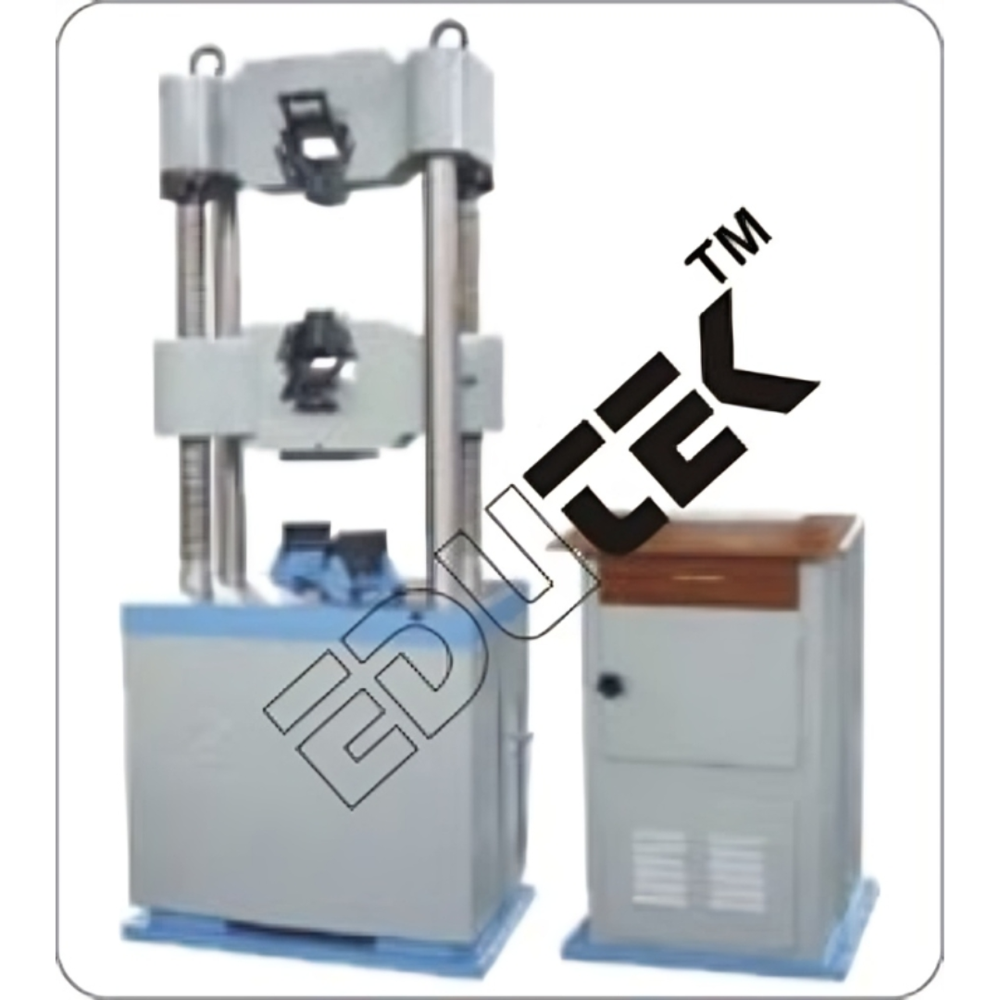
Digital Universal Testing Machine
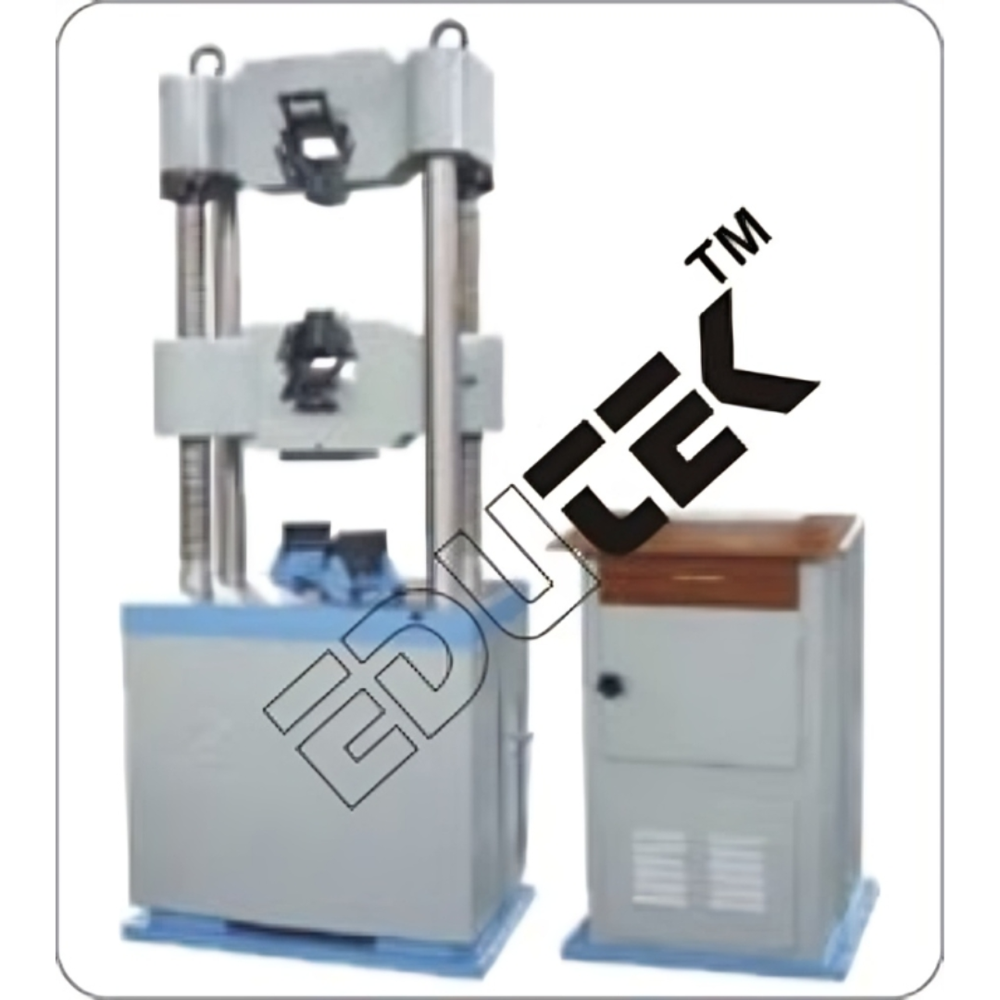
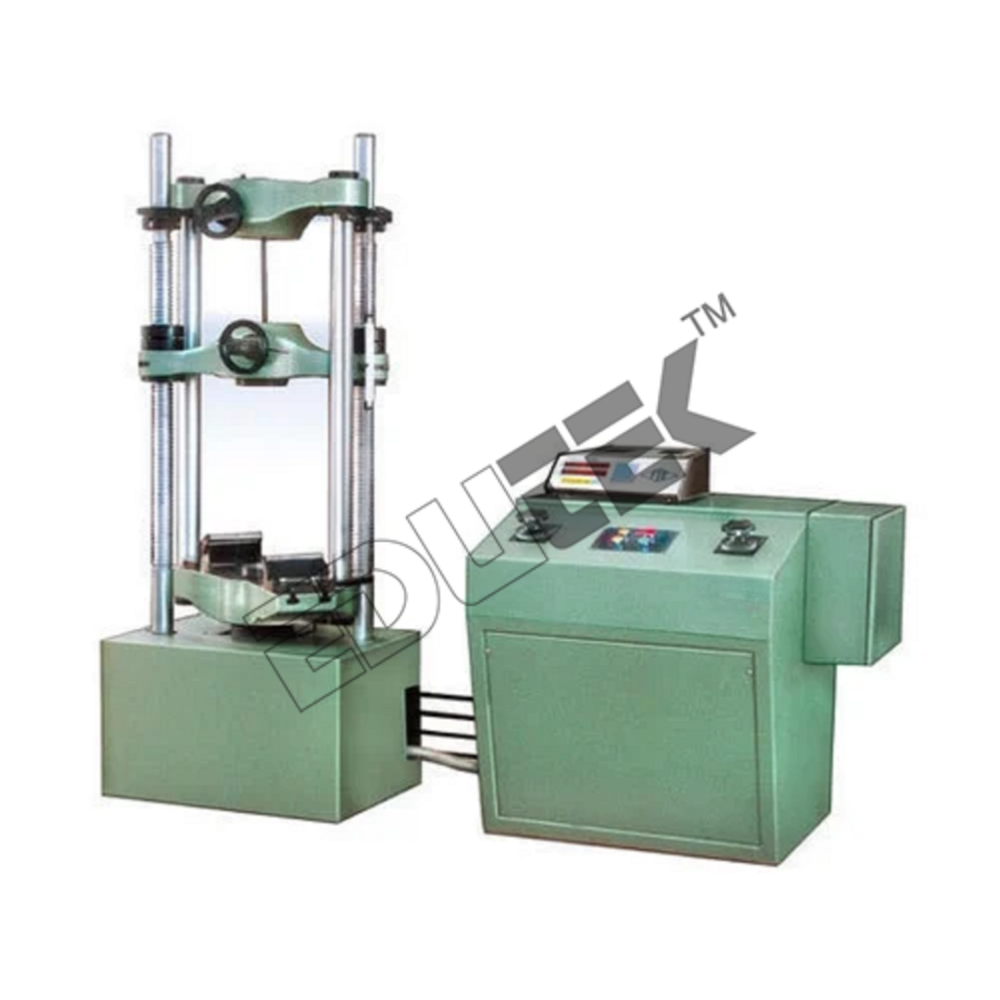
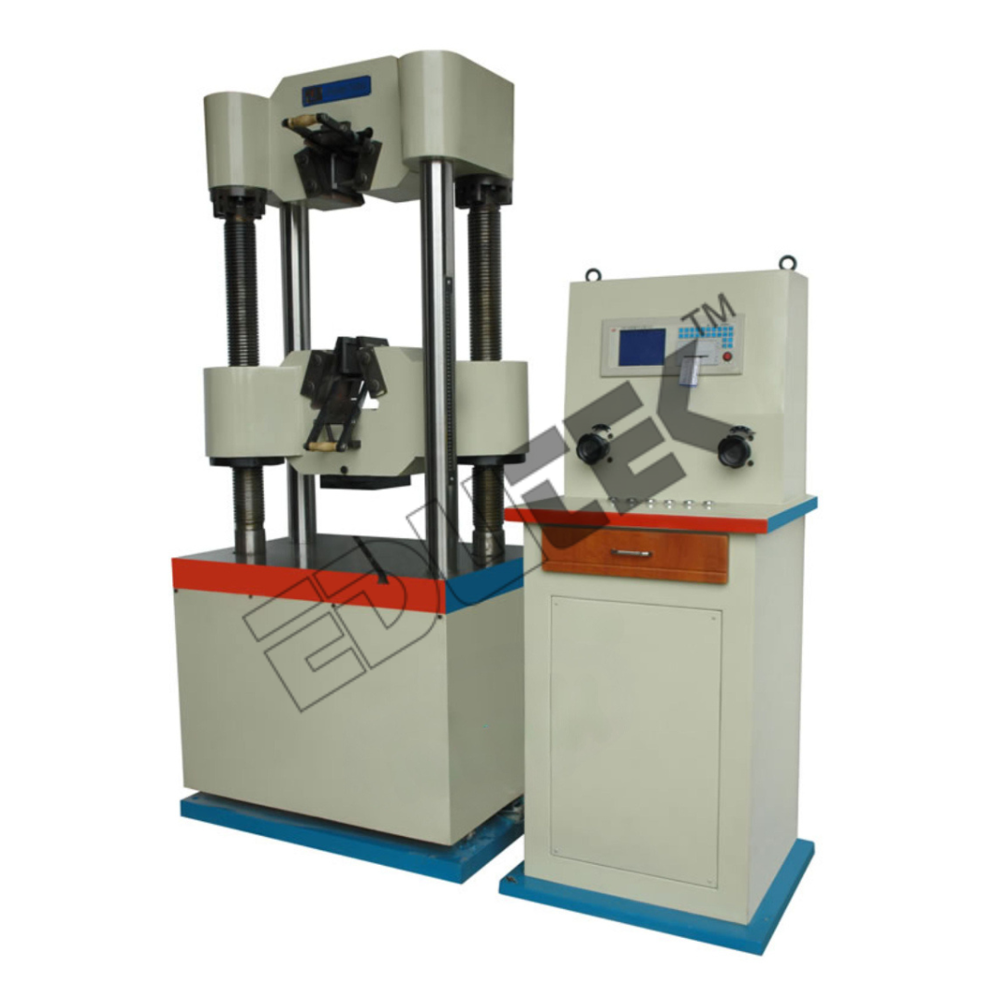
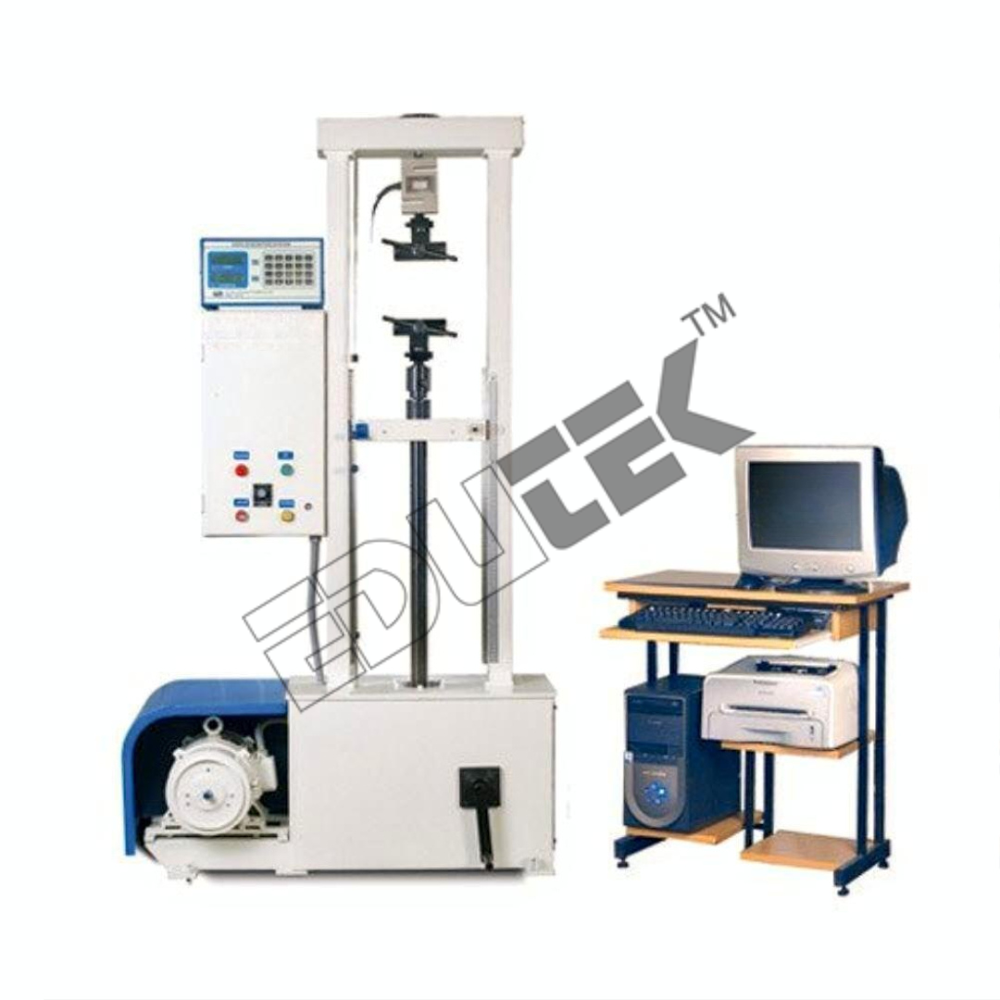
We offer highly reliable and trusted range of digital universal testing machines for testing. A wide variety of optional accessories is also available .
Technical Specification of Universal Testing Machine
- This tester was ergonomically designed to provide a compact, low-cost, functional unit which is quick and easy to operate. It gives extremely high accuracy and yet is robust enough for routine quality control testing. The single and twin column designs permit all-round access to the specimen and grips.
- The basic frame allows a total jaw separation of 1000 mm. However, extended frame having jaw separation upto 2000 mm may be supplied at additional cost.
- The machine is operated on 230 volts. 1-ph, 50 c/s. A. C. Mains or as desired.
- A comprehensive range of grips, attachments/fixtures, cutting dies are available to suit the testing needs of many different industries.
Advanced Testing CapabilitiesThis machine is designed for rigorous tensile, compression, bending, and shear testing, making it suitable for a range of research, quality control, and industrial applications. Its high capacity (up to 100 kN) and adjustable speed range (0.5500 mm/min) allow for flexible testing of various sample types and materials.
User-Friendly Digital InterfaceEquipped with an intuitive LCD digital display and programmable controls, the system offers clear test result visualization and streamlined operation. Data can be easily exported via USB or printer ports, while optional PC software allows in-depth analysis and efficient test data management.
Robust Construction and SafetyThe dual column, heavy-duty mild steel frame guarantees durability and stability during testing. Integrated safety featuresincluding emergency stop, overload cut-off, and safety interlocksprovide comprehensive operator protection and safeguard the machine from damage.
FAQs of Digital Universal Testing Machine:
Q: How do I operate the Digital Universal Testing Machine for various test types?
A: Operation is straightforward: select the desired test mode (tensile, compression, bending, or shear) on the digital control panel, install your sample using the interchangeable vice or wedge grips, adjust the crosshead to the desired travel distance, and initiate the test. The LCD display will provide real-time data throughout the testing process.
Q: What sample sizes can this machine accommodate for testing?
A: The unit is designed to handle round samples up to 20 mm in diameter and flat samples up to 30 mm. Crosshead travel is adjustable up to 800 mm, allowing for diverse testing scenarios, including longer or larger specimens.
Q: When should I use the optional PC interface software?
A: The optional PC interface software is recommended when you require detailed data acquisition, customized reporting, and advanced analysis. It is especially useful for research and quality assurance tasks, enabling comprehensive record keeping and review.
Q: Where can I export and store testing data generated by the machine?
A: Test data can be exported directly to a USB drive or printer via dedicated ports on the machine. With the PC interface software, you can also save, organize, and analyze data on your computer for enhanced documentation and reporting.
Q: What benefits does the microprocessor-based digital control system offer?
A: The microprocessor-based system ensures accurate control over test parameters, enhances test result consistency, and simplifies the operation process. It contributes to the machines high accuracy (1% of indicated load) and programmable test routines.
Q: How does the machine ensure operator and sample safety during testing?
A: Key safety measures include an emergency stop button, over travel and overload cut-off systems, and a safety interlock. These features prevent accidental operation, machine overloading, or crosshead over-travel, protecting both users and equipment.




 Send Inquiry
 Send Inquiry

