About Plastic Curing Tank
Plastic Curing Tank
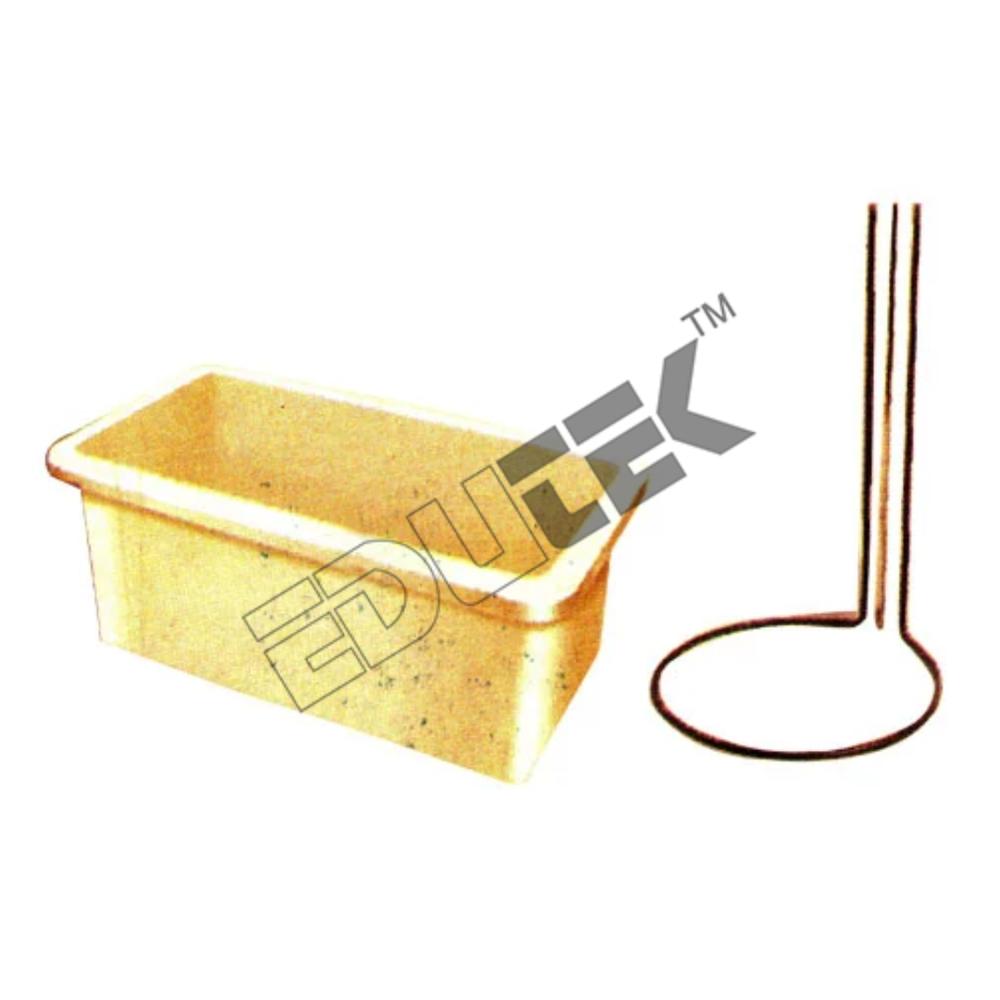
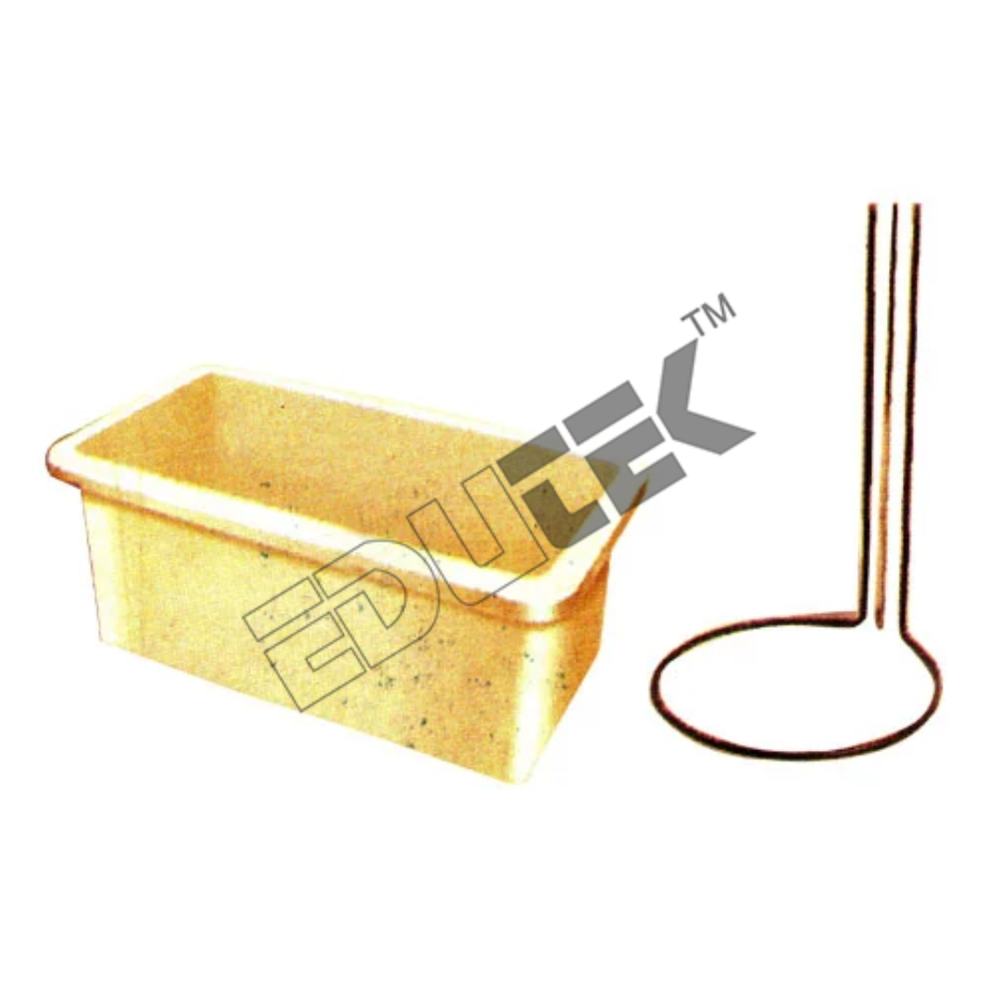
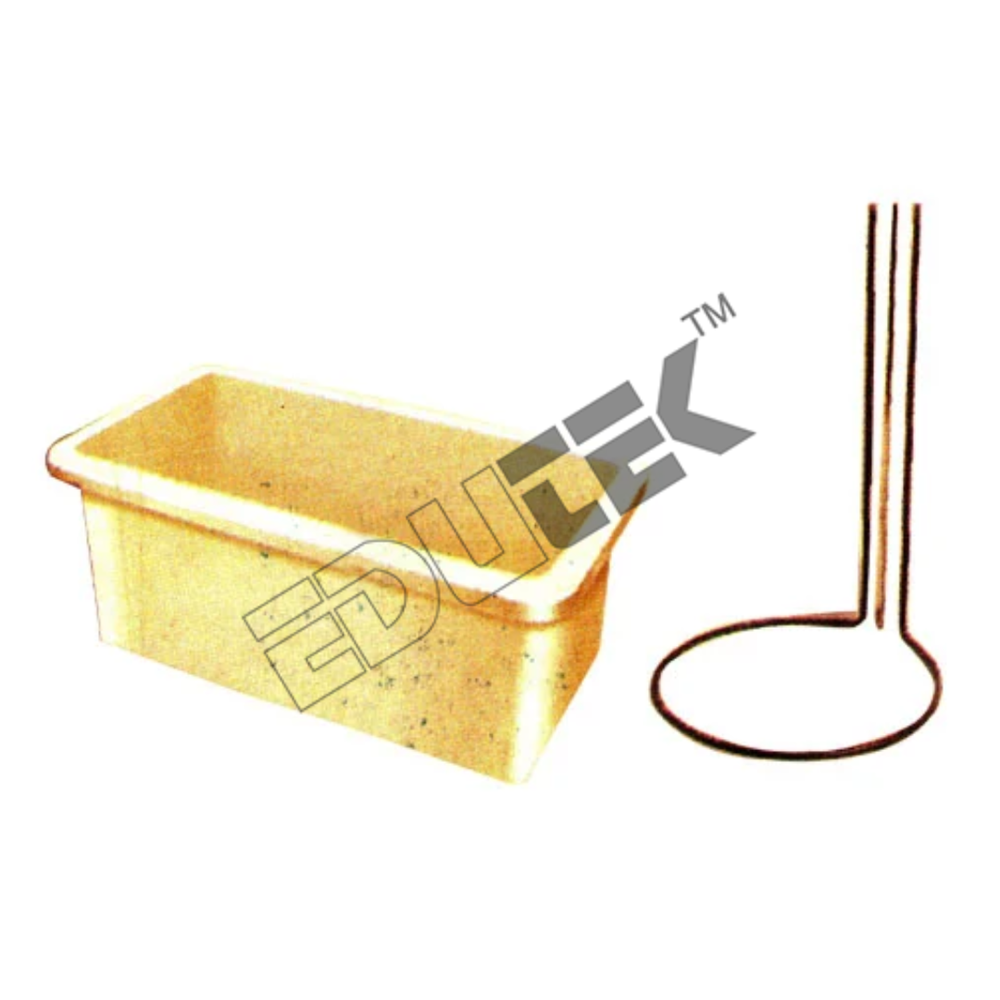
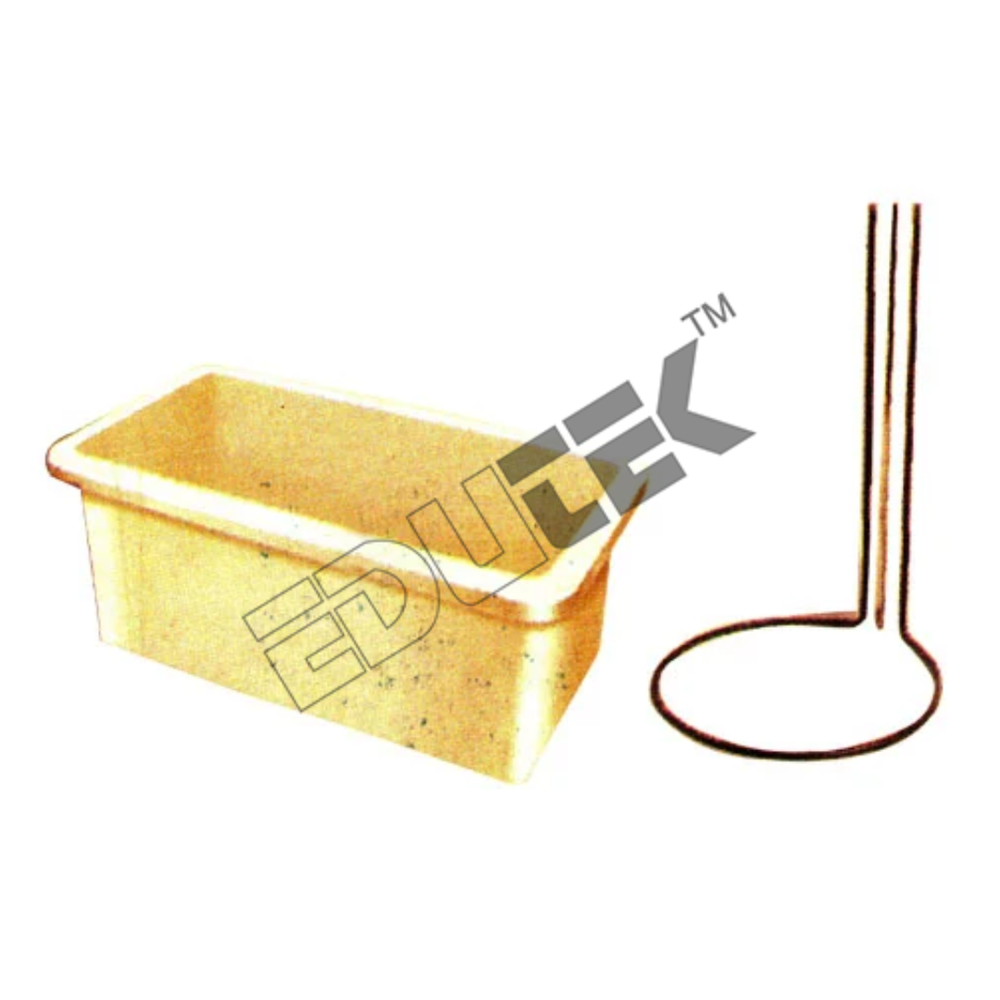
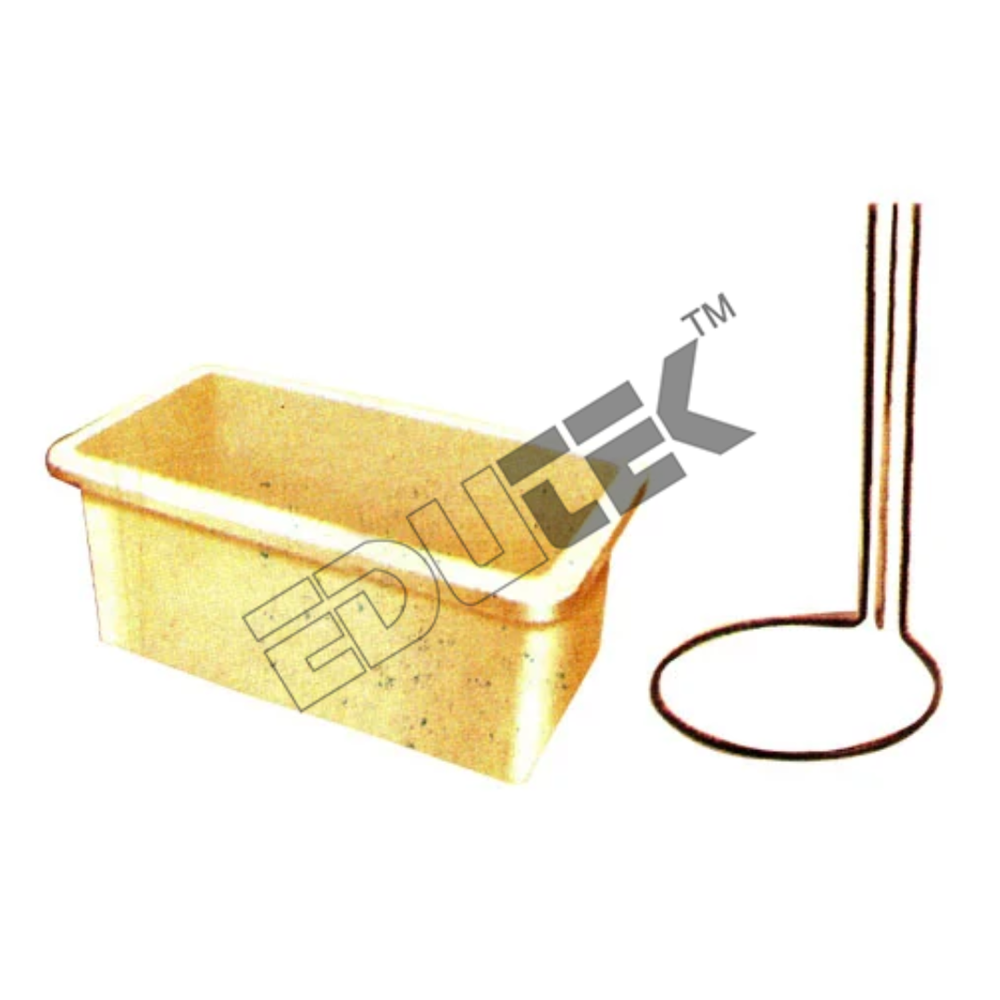
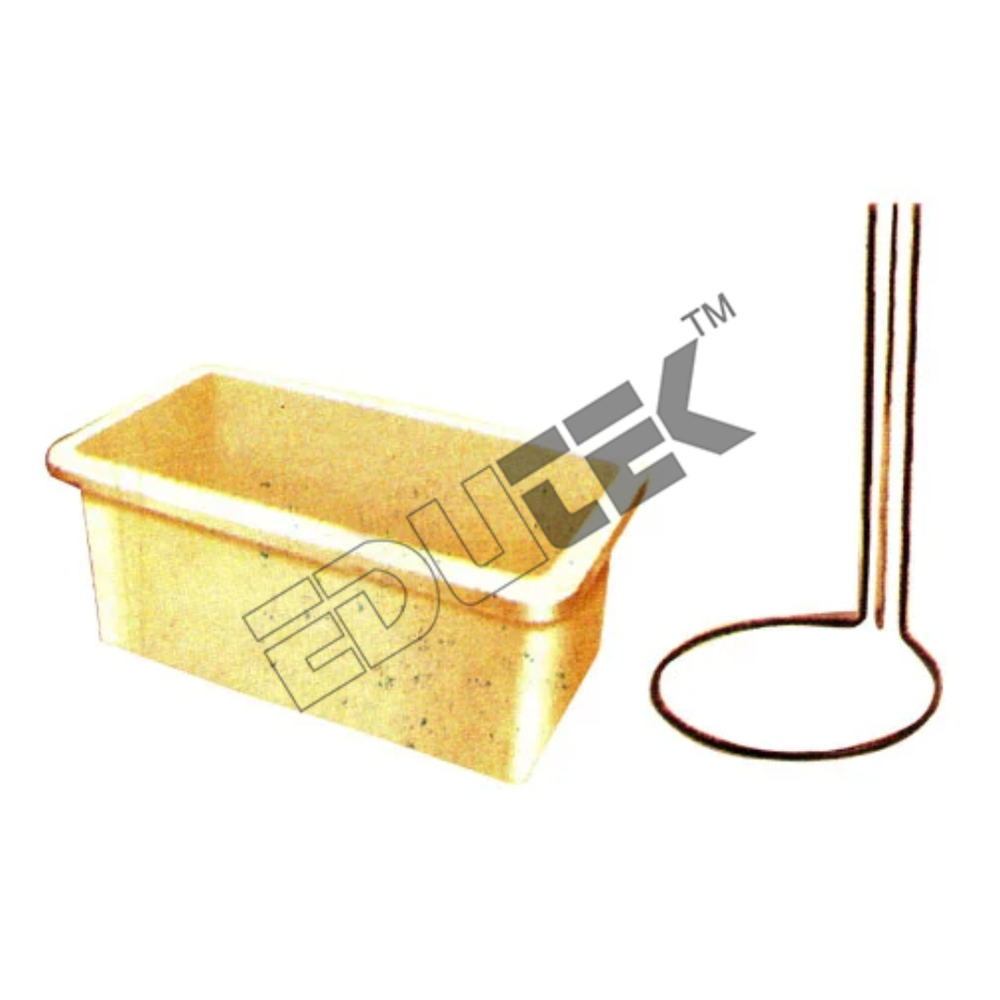
Heavy plastic curing tank 650 litres capacity.
Specification :
Extremely robust and stable polyethylene construction, supplied complete with base rack. It can be fitted with the thermostat heating system with the submersible circulator pump.
Robust and Durable ConstructionBuilt from high-density polyethylene (HDPE), this rectangular curing tank resists corrosion, UV degradation, and leakage. Designed for longevity, its smooth finish ensures easy cleaning and maintenance. Its 1050 x 700 x 600 mm dimensions offer ample space for curing multiple specimens, while the blue exterior remains vibrant even in demanding laboratory settings.
Effortless Handling and OperationThe tank features a removable lid for straightforward access and specimen placement. Draining water is simplified by a conveniently located base valve, allowing for quick water removal without the need for tilting or lifting. Its manual, non-electric design also means safe, flexible use in any laboratory or construction environment without reliance on specific power sources.
FAQs of Plastic Curing Tank:
Q: How do I operate the drain valve to remove water from the curing tank?
A: To remove water, simply open the drain valve located at the base of the tank. The valve design enables efficient water discharge directly from the bottom, minimizing manual handling and making tank maintenance quick and hassle-free.
Q: What type of materials is the CUR-HDPE-500 made from and how does this benefit usage?
A: The tank is constructed from high-density polyethylene (HDPE), ensuring it is both durable and resistant to chemicals, UV rays, and corrosion. This material choice guarantees a long service life and reliability in harsh laboratory or construction environments.
Q: When should I use this plastic curing tank in my testing workflow?
A: Utilize the curing tank after casting concrete test specimens, such as cubes or cylinders, to properly cure them as required by standard testing protocols. The tank allows precise ambient to 100C temperature control, optimizing curing conditions for accurate specimen results.
Q: Where is the best place to install the curing tank in a laboratory setting?
A: Install the curing tank on a level and stable surface in a well-ventilated laboratory or construction site. Ensure its close to a water source for easy filling and a suitable drainage area for water removal through the base valve.
Q: What maintenance is required for the plastic curing tank?
A: Minimal maintenance is needed; periodically clean the tanks smooth internal and external surfaces using mild soap and water to remove residues. Always ensure the drain valve functions properly and the removable lid fits securely to prevent contamination.
Q: What are the key benefits of using this curing tank?
A: The main benefits include robust durability, low maintenance, lightweight construction, UV and corrosion resistance, and effortless operation. The removable lid and leak-proof design make specimen handling and water management straightforward, supporting repeated use in demanding laboratory environments.




 Send Inquiry
 Send Inquiry

