About Compression Testing Machine
Compression Testing Machine
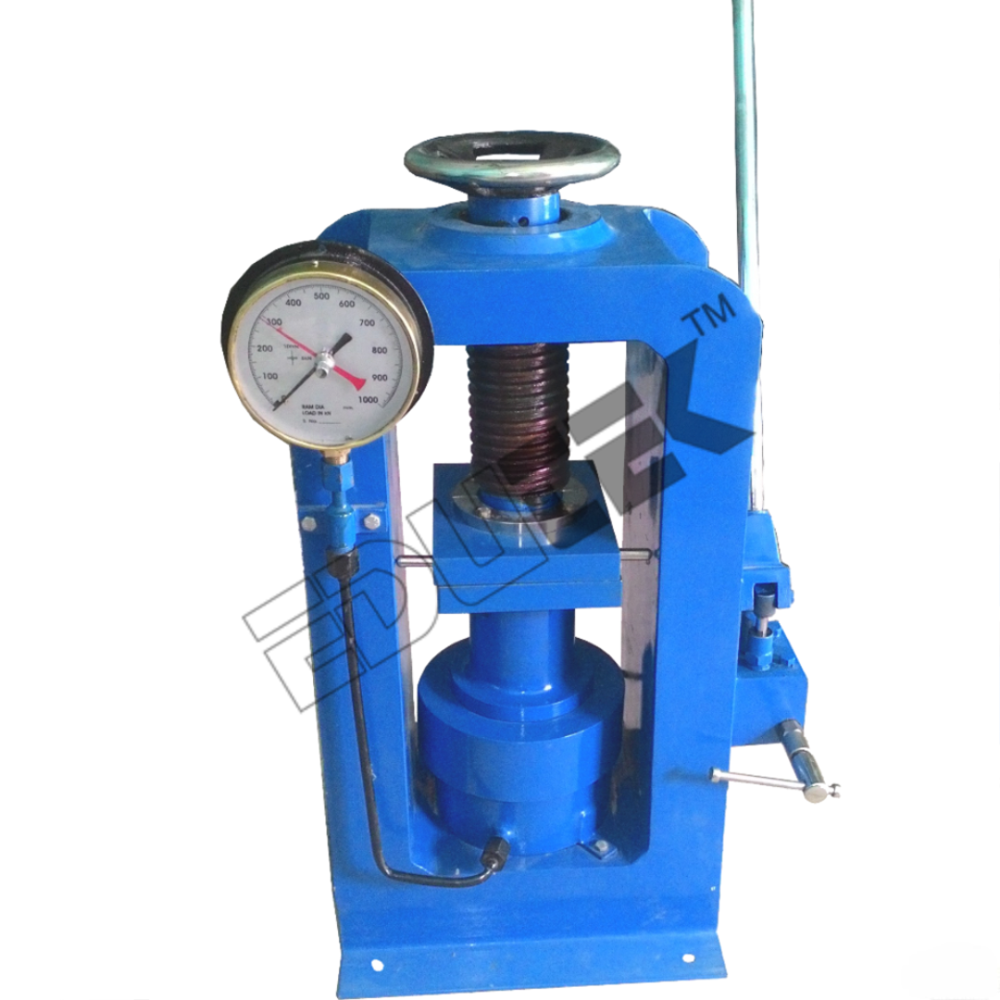
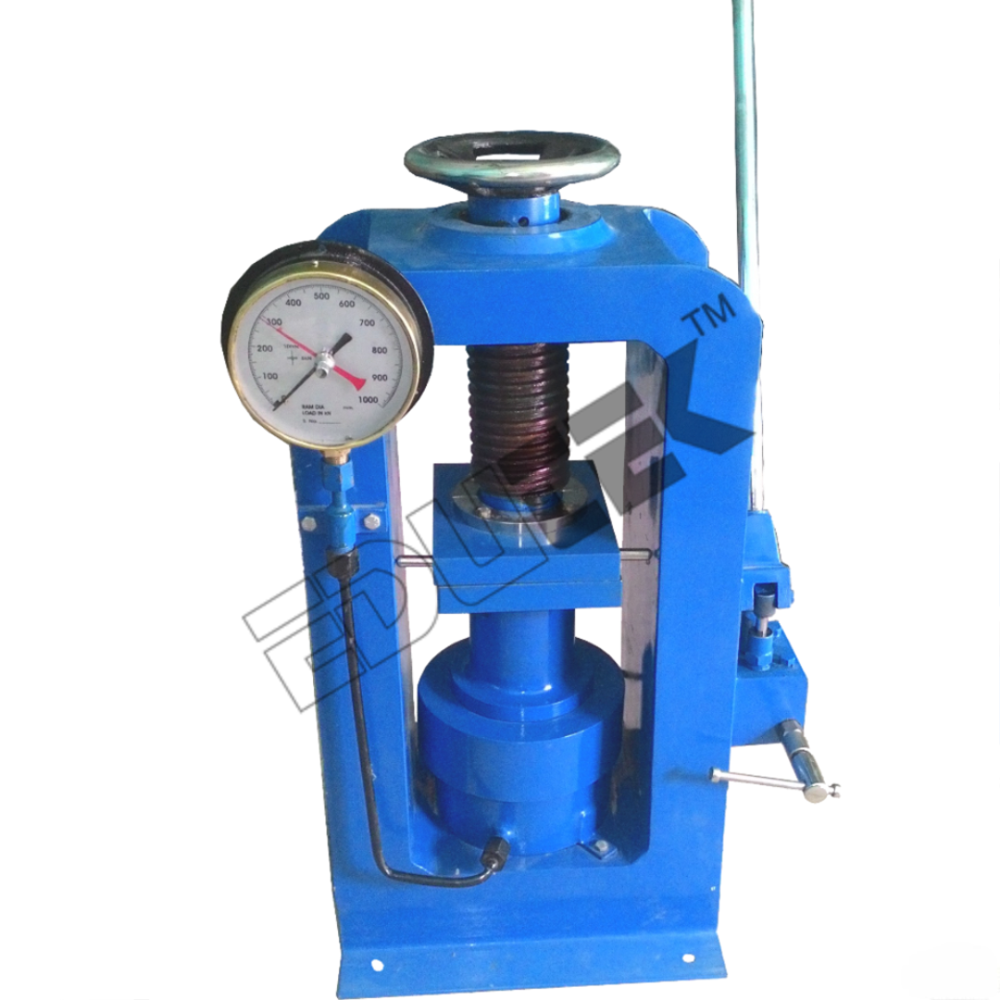
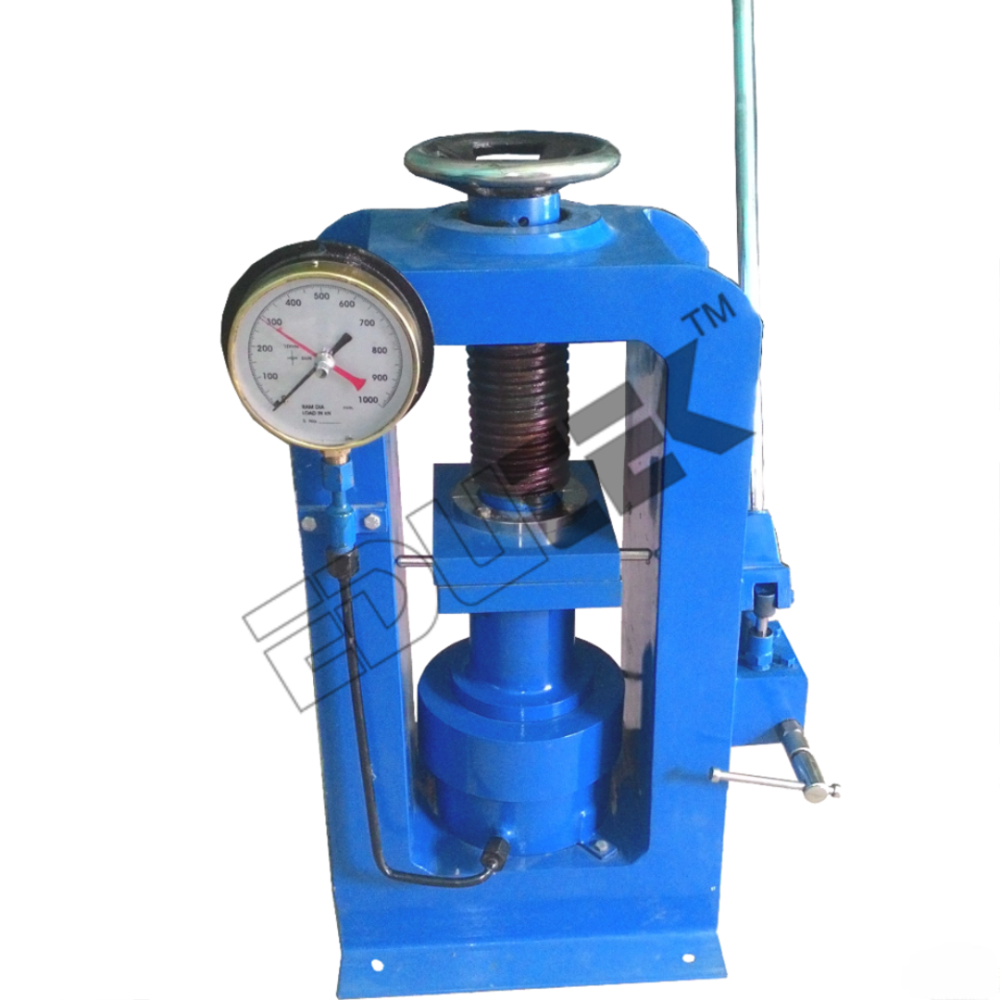
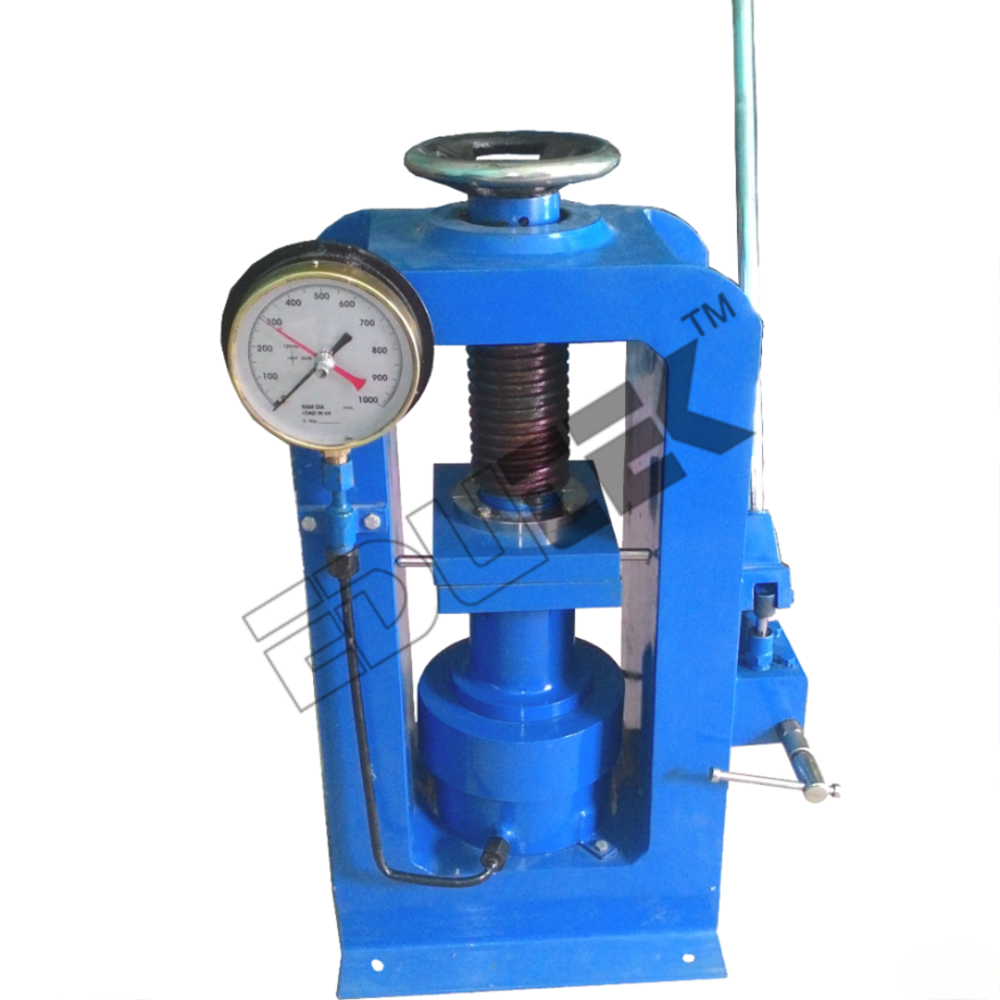
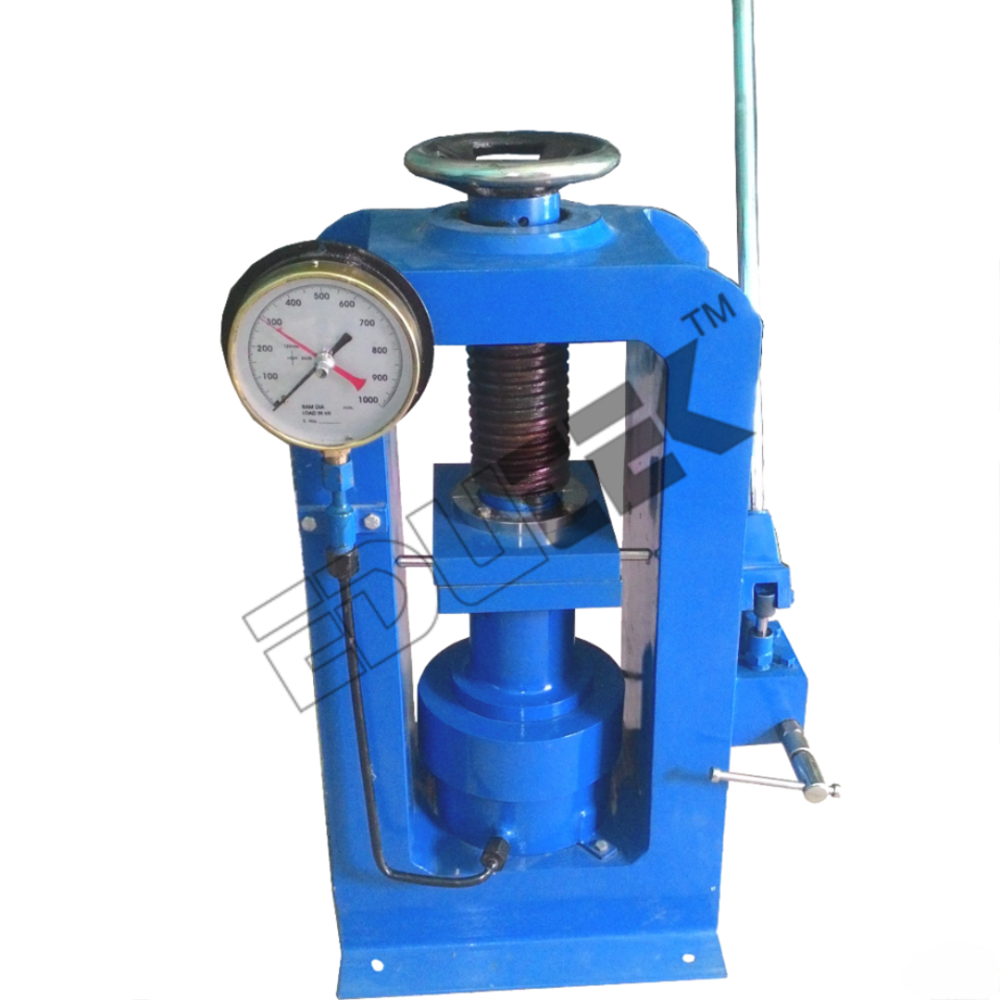
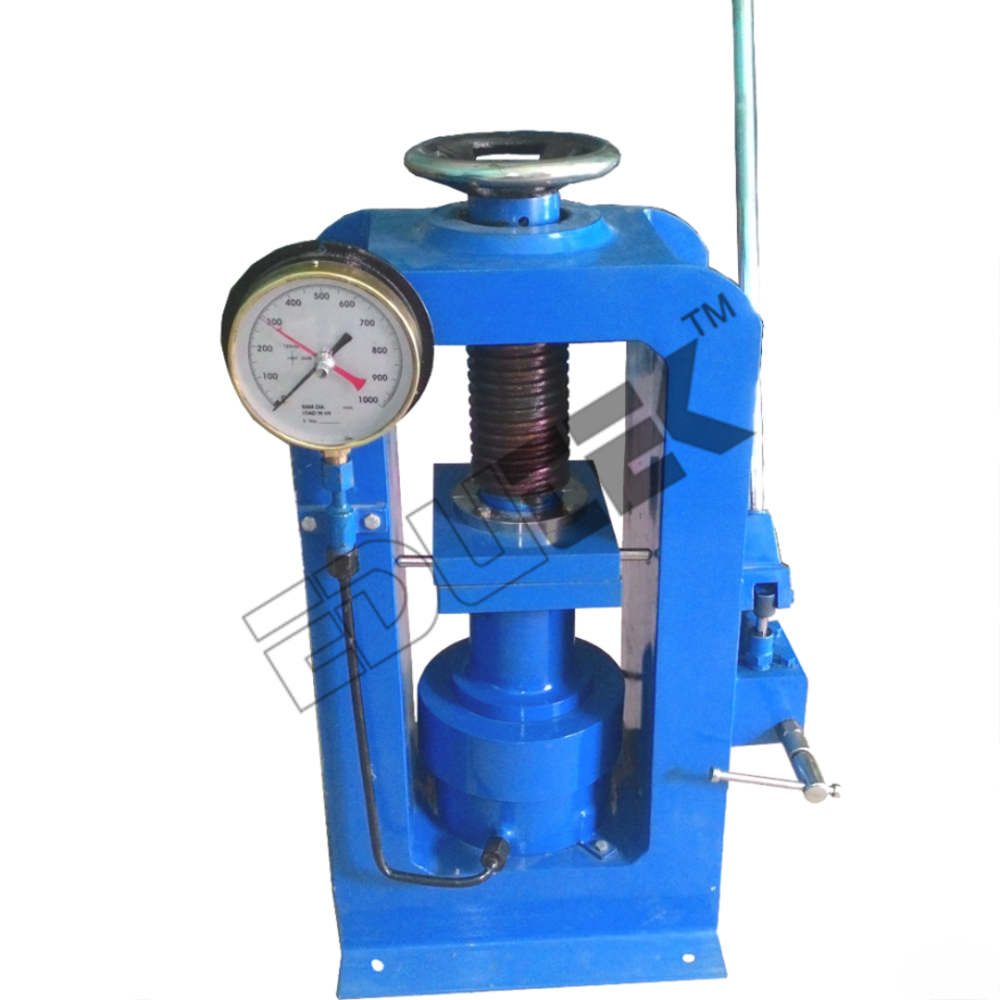
Compression Testing Machine(Channel Type Load Frame) Hand Operated.In these load frames channels are used, they are welded at the top as well as bottom and with stand high loads. A hydraulic jack is fitted at centre of the base of the load frame, over which can be fitted lower platen and spacer block with the help of centering pin. A lead screw passes through the top of the frame. To the lower end of this lead screw is fixed the upper platen with spherical seat for self alignment. The platens are accurately machined, hardened and polished. The lower platen grooves to correctly place the specimen.
Note : The platens are normally rectangular on shape, but no special request square platens or circular platens can be supplied at an extra cost. Ranges : 50 kN to 3000 kN
Versatile Hydraulic OperationIt supports both hand-operated and motorized hydraulic pumps, allowing users to choose between manual and semi-automatic operation based on the testing scenario. This flexibility makes it suitable for various field and lab environments, ensuring consistent application of load during compressive strength testing.
Precision and Safety StandardsDesigned to meet IS 14858, BS 1881, and ASTM C39 standards, the machine guarantees reliable testing results. It is equipped with automatic overload protection and a pressure relief valve, maintaining operator safety and safeguarding the equipment during high-load tests.
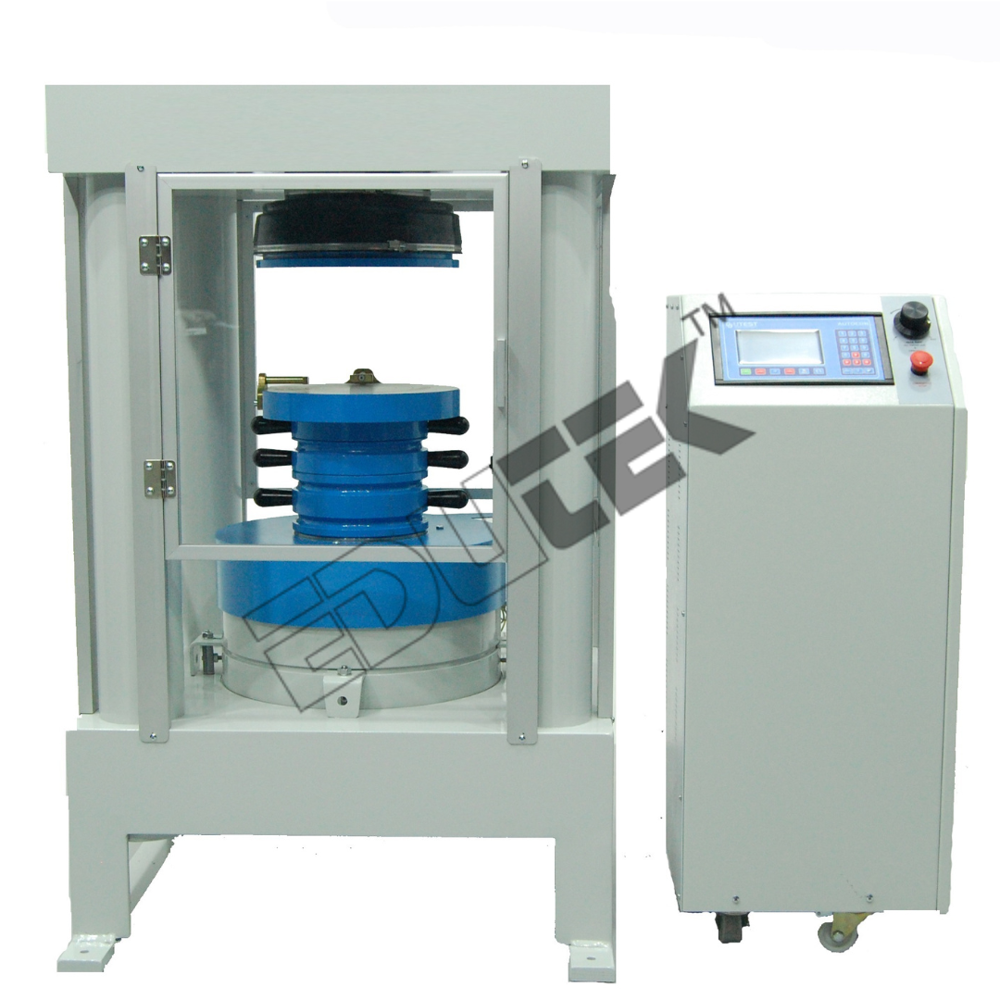
Comprehensive Accessories and User SupportThe compression tester is supplied with standard platens, spacer blocks, and an operation manual, enabling users to carry out tests efficiently. The intuitive digital display unit and straightforward controls simplify operation and data interpretation, maximizing productivity and ease of use.
FAQs of Compression Testing Machine:
Q: How does the digital control of the Compression Testing Machine enhance its operation?
A: The digital control provides precise load application and clear real-time display of compressive forces. This increases testing accuracy and consistency, making results more reliable and simplifying data recording for quality assurance and compliance.
Q: What materials can be tested using the Compression Testing Machine?
A: This machine is specifically designed for testing concrete, cement, and similar construction materials. Its robust build and adjustable loading capacity make it ideal for a wide range of compressive strength assessments in building materials laboratories.
Q: When should the user choose between hand-operated and motorized pump modes?
A: Hand-operated mode is ideal for environments without uninterrupted electric supply or when portability is critical, while motorized mode is recommended for high-volume or repetitive testing where speed and ease are priorities.
Q: Where can the Compression Testing Machine be installed?
A: The machine is suitable for research laboratories, quality control departments, construction sites, and universities. Its moderate dimensions and solid construction allow placement on standard laboratory floors.
Q: What is the process for adjusting the rate of loading?
A: The rate of loading is adjustable between 2.4 kN/s and 24 kN/s via the control panel, allowing users to match the standard requirements or specific research protocols as per IS, BS, and ASTM guidelines.
Q: How does the pressure relief valve ensure safe operation during tests?
A: The built-in pressure relief valve automatically releases excess hydraulic pressure if it exceeds preset limits, preventing accidental overload, reducing operational risks, and protecting both the machine and the operator.
Q: What are the benefits of using heavy-duty steel construction in this equipment?
A: Heavy-duty steel ensures machine stability, longevity, and minimizes deformation under high loads. This leads to more accurate test results and a prolonged service life, even under continuous or intensive use.




 Send Inquiry
 Send Inquiry

