About Permeability Tests
Permeability Test
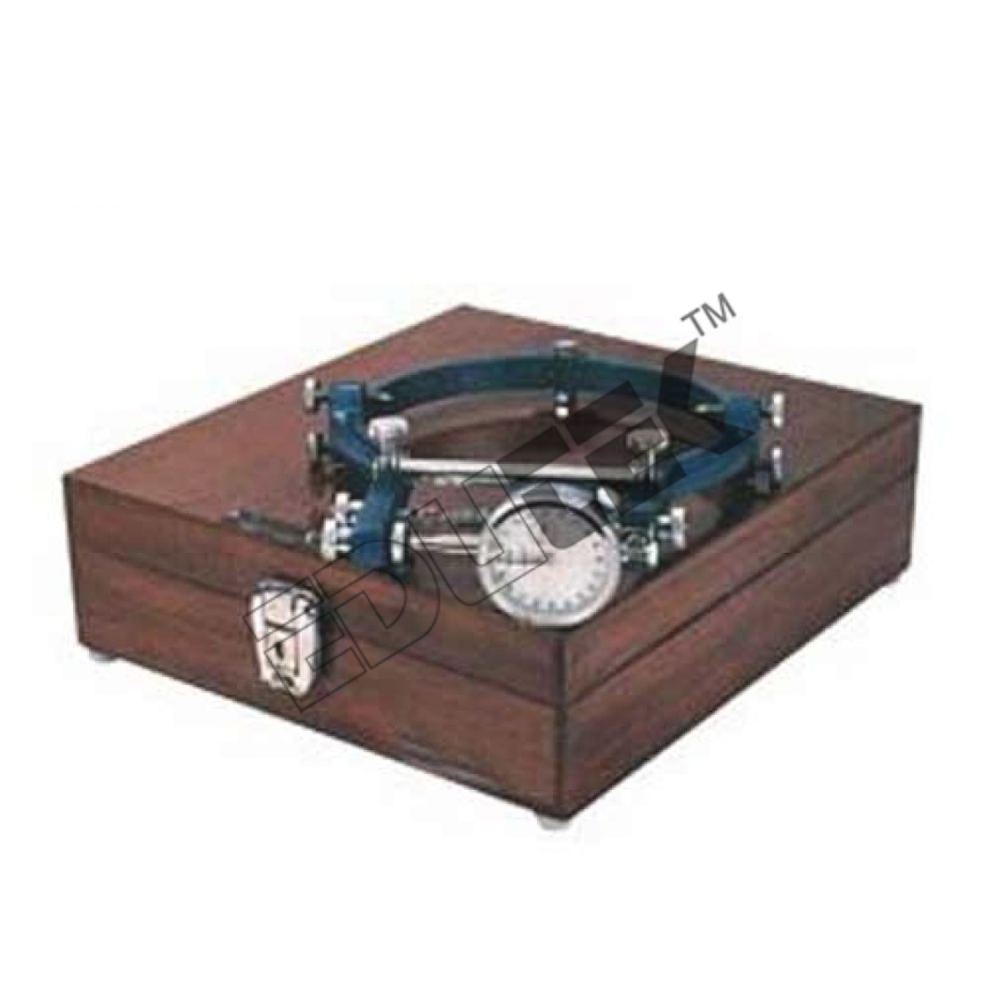
- Container Ring of 100 mm diameter and 500 mm high, held between a bottom plate and a water cell.
- water cell of 10mm diameter brass cylinder and the top and bottom plates of brass or any other non-corroding metal.
- Each cell with collar is clamped in between a base plate and a top plate with the help of tension rods and nuts.
- cell assembly is mounted on the stand. The top plate is provided with an inlet and air release vent and the base plate is provided with an outlet.
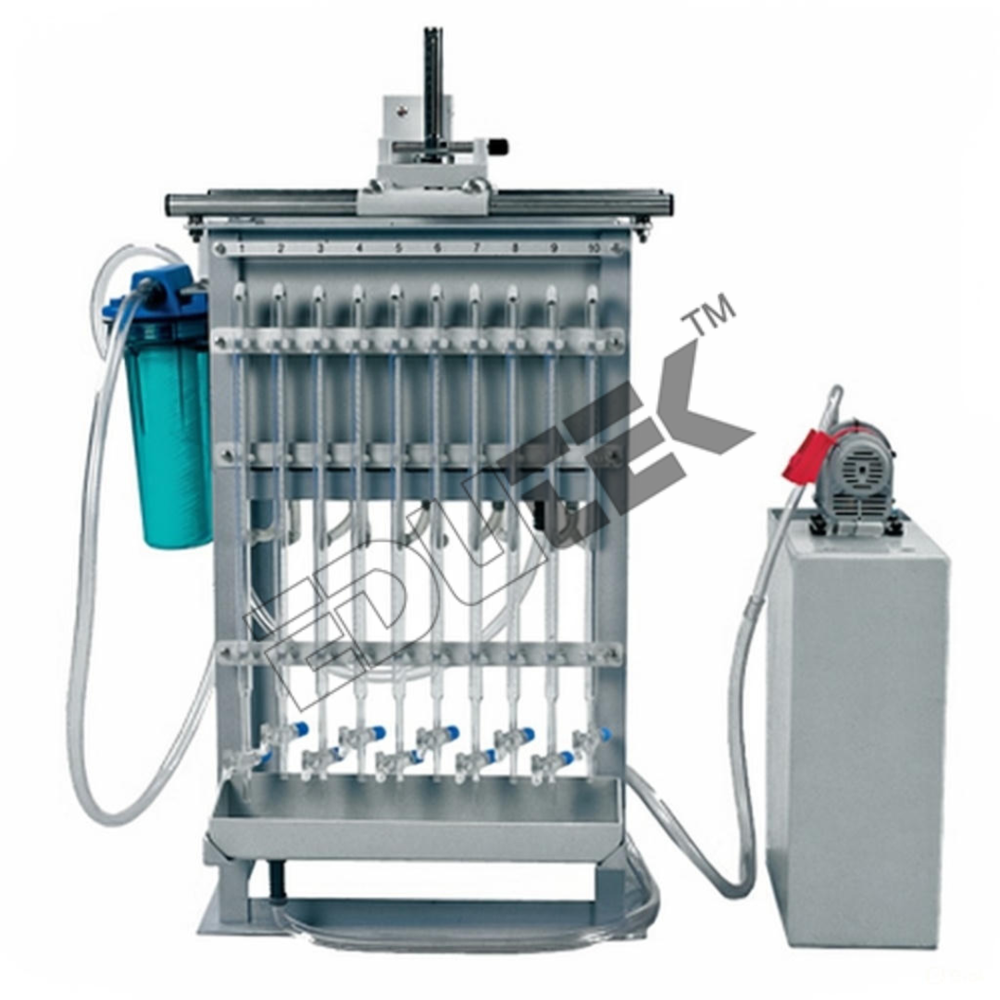
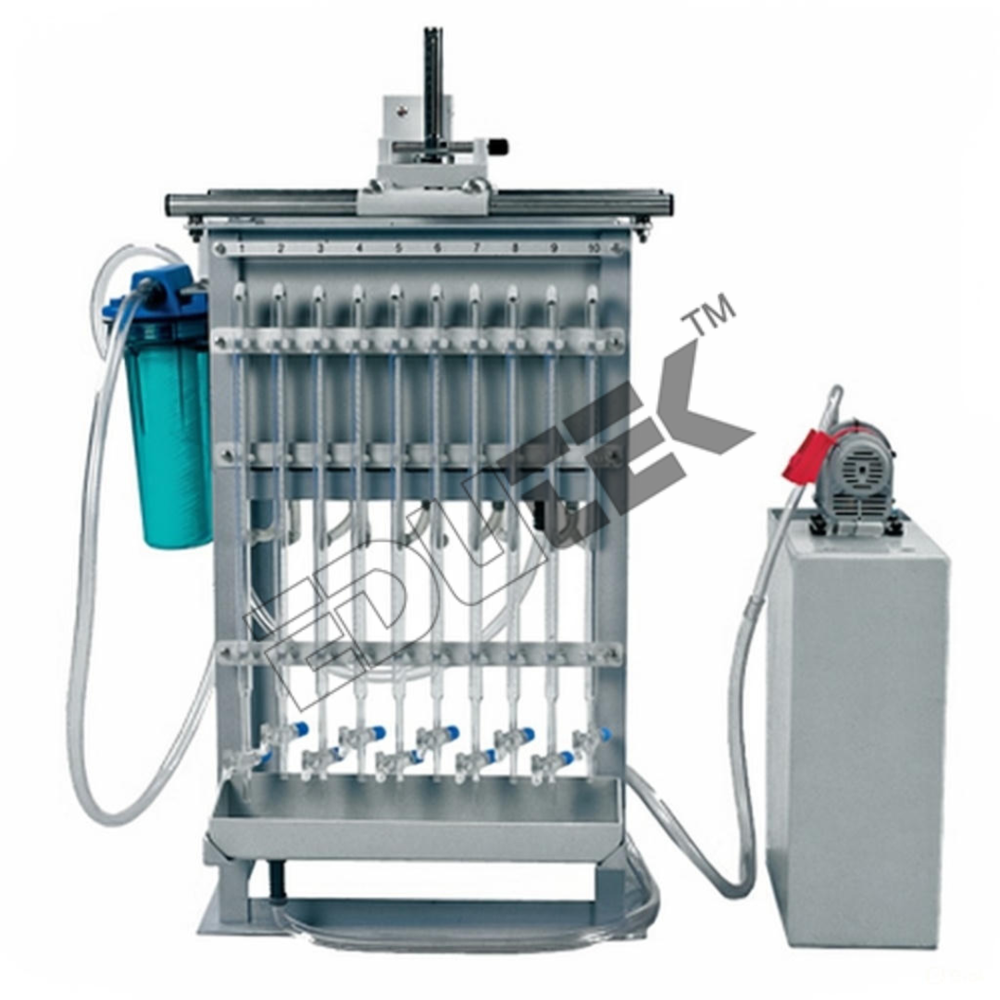
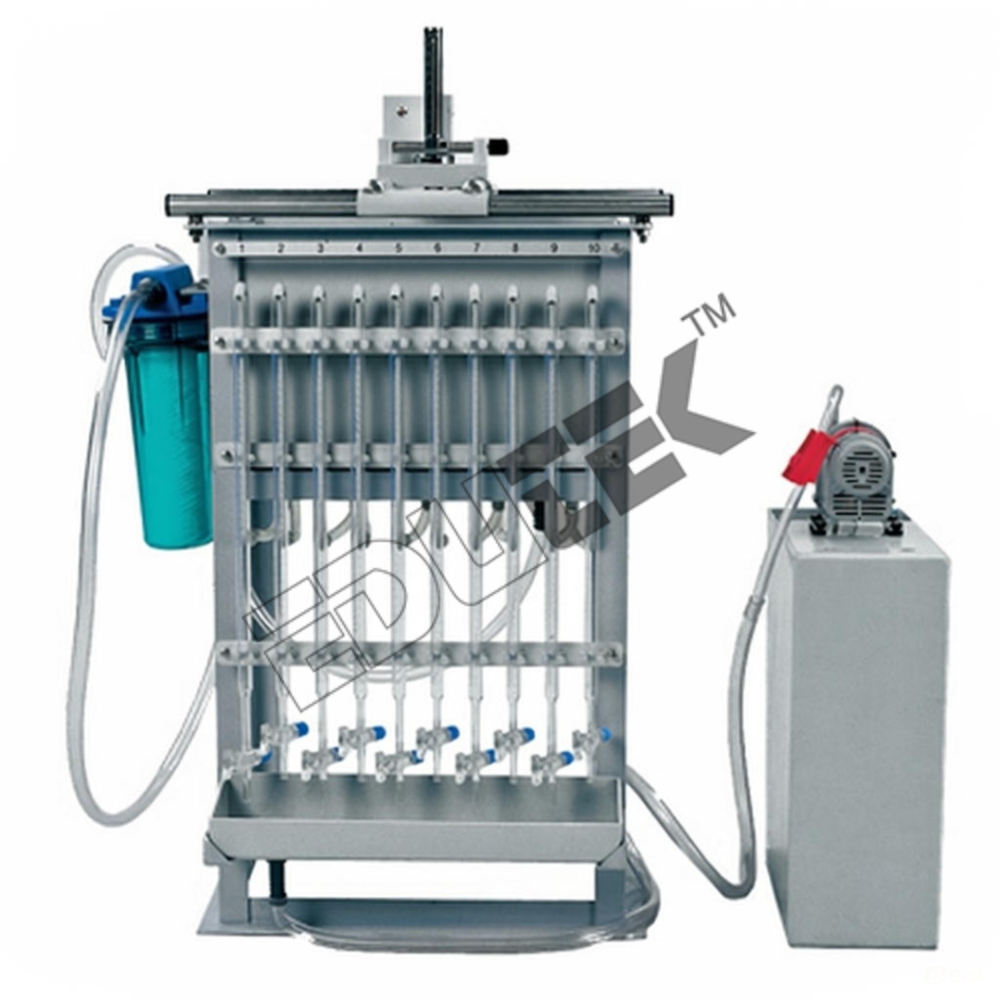
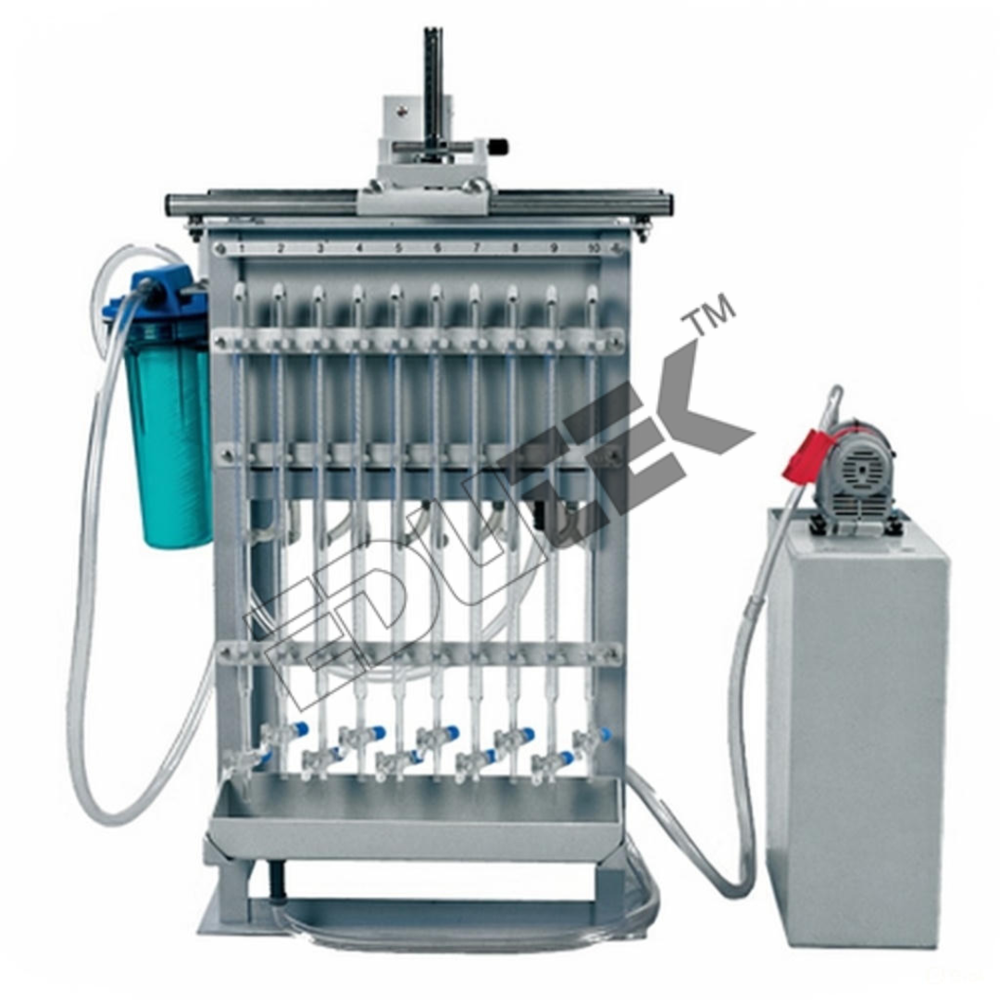
- Complete with a pressure chamber fitted with a pressure regulator and pressure gauge 0-7 kg/cm sq. indicating the test pressure with single gauge without air compressor and foot pump.Three cell Model.Six cell Model.
High-Accuracy and Robust DesignEngineered for industrial and laboratory use, it combines a mild steel body with stainless steel parts, ensuring long-lasting performance even under demanding conditions. The system provides 2% accuracy in pressure readings and is equipped with a digital display for clear monitoring. Its robust leak-proof design safeguards against water loss during high-pressure testing.
Efficient Multi-Specimen TestingSave time and resources with the ability to test up to six specimens simultaneously. The programmable test duration and digital control simplify operation, making it ideal for high-throughput environments. Results remain consistent and reproducible across batches, supporting efficient permeability assessments for quality assurance.
Versatility and ComplianceOperating within an ambient to 60C temperature range, the equipment adheres to IS 3085 and IS 2645 standards, suitable for a wide array of construction materials. With an integrated high-pressure pump, digital controls, and a programmable setup, it fits seamlessly into laboratory workflows, supporting research and compliance needs.
FAQs of Permeability Tests:
Q: How does the permeability test equipment operate?
A: It uses a high-pressure water pump to force water through specimens placed in its permeability cell. The process is digitally controlled, with programmable test durations and real-time pressure monitoring, ensuring accurate permeability measurement according to IS 3085 or IS 2645 standards.
Q: What materials can be tested with this equipment?
A: It is suitable for construction materials such as concrete or similar substrates that require permeability assessment, as guided by IS 3085 and IS 2645. Its design accommodates cylindrical specimens measuring 150 mm in diameter by 150 mm in height.
Q: When should this equipment be used during a project?
A: This test equipment is typically used during the quality control phase of construction material production, before material is used in projects where impermeability is critical, or for comparative research studies requiring permeability data.
Q: Where can the permeability test equipment be installed?
A: Designed for laboratory settings, It compact footprint (600 mm x 500 mm x 650 mm) allows installation in most civil engineering labs or quality control rooms where standard electrical connections (220V AC, 50 Hz) are available.
Q: What is the process for running a permeability test with this machine?
A: Specimens are placed in the permeability cell, the water reservoir is filled, and test parameters including pressure and duration are programmed via the digital display unit. The high-pressure pump then applies water, and the system monitors permeability, providing results digitally after completion.
Q: How is simultaneous multi-specimen testing beneficial?
A: Running 3 to 6 specimens at once increases testing efficiency, reduces overall testing time, and allows batch assessment of construction material permeability, supporting faster decision-making and improved quality assurance protocols.
Q: What are the main benefits of using it for permeability testing?
A: It offers precise, programmable testing, high accuracy, and efficient multi-specimen capability in a semi-automatic setup. Its robust leak-proof construction and digital controls ensure both user safety and reliable, reproducible results.




 Send Inquiry
 Send Inquiry

