
EDUTEK INSTRUMENTATION
GST : 06AEWPJ6896D1ZU

Call us
07313726362
Call us
07313726362
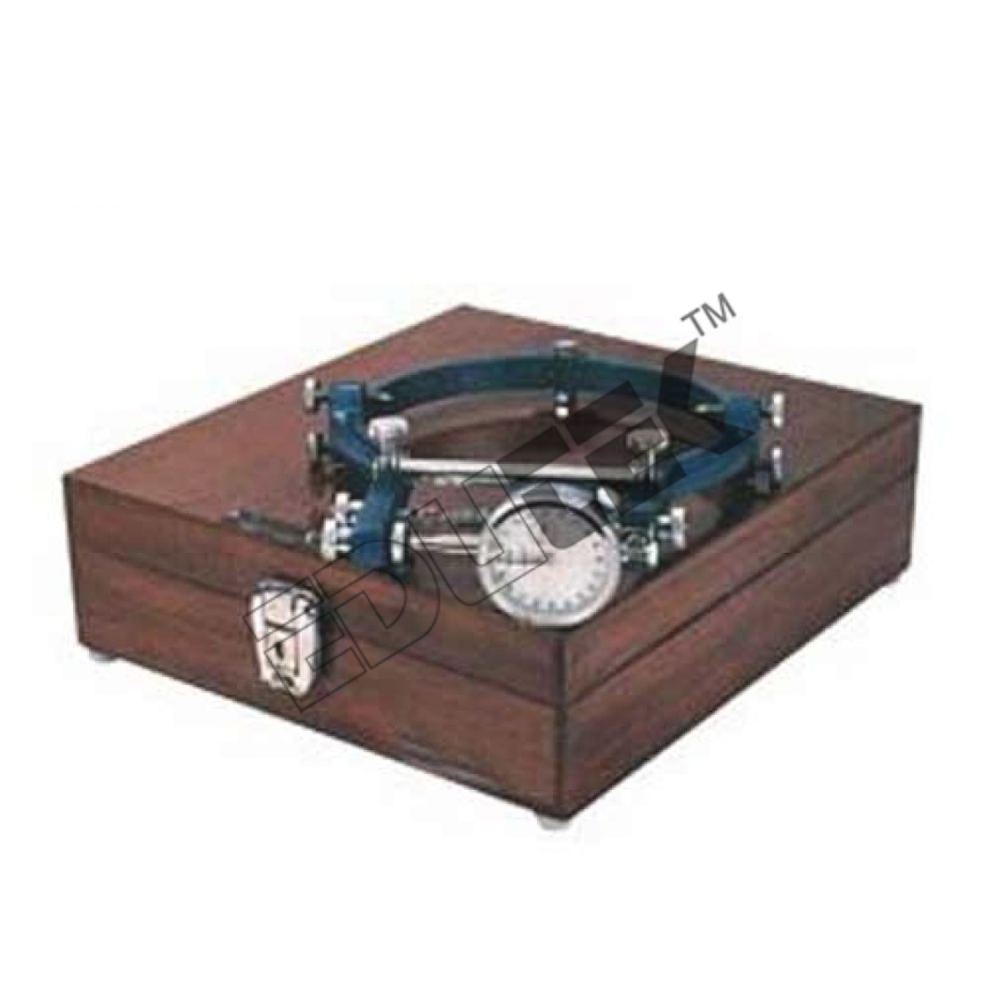
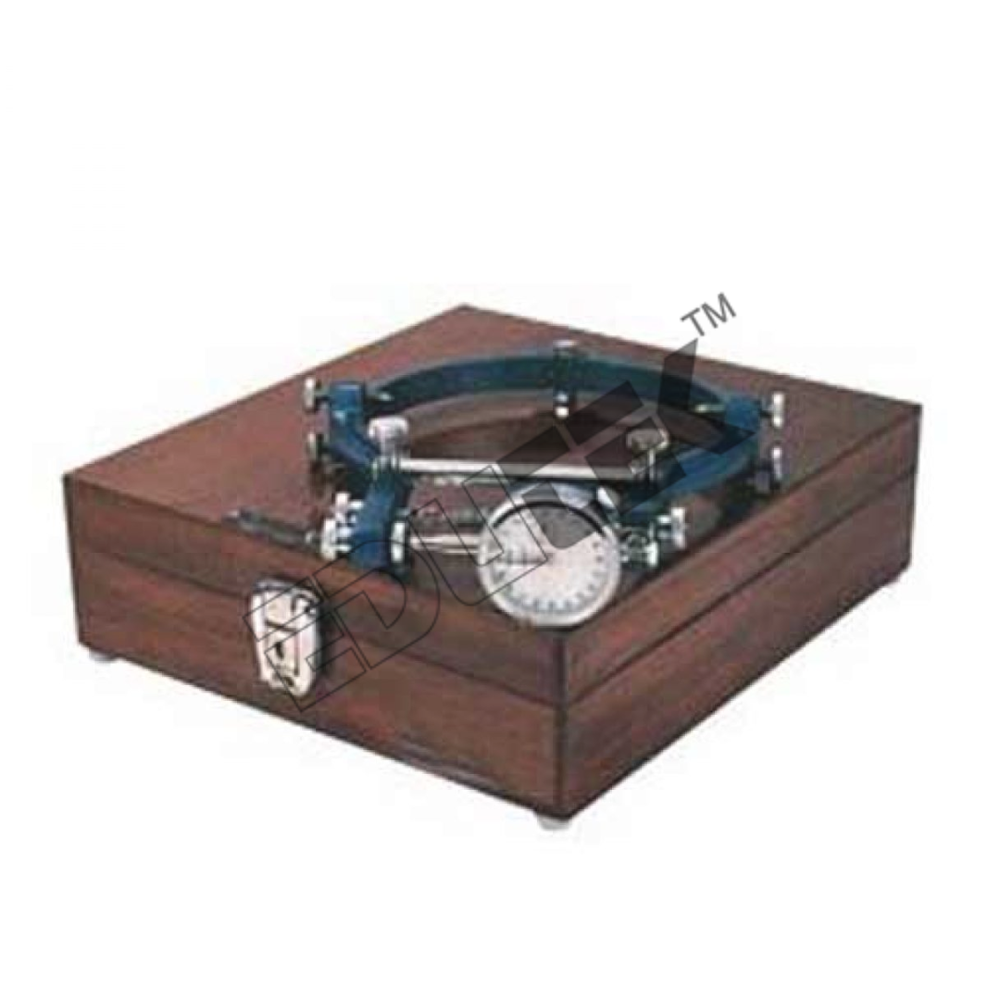
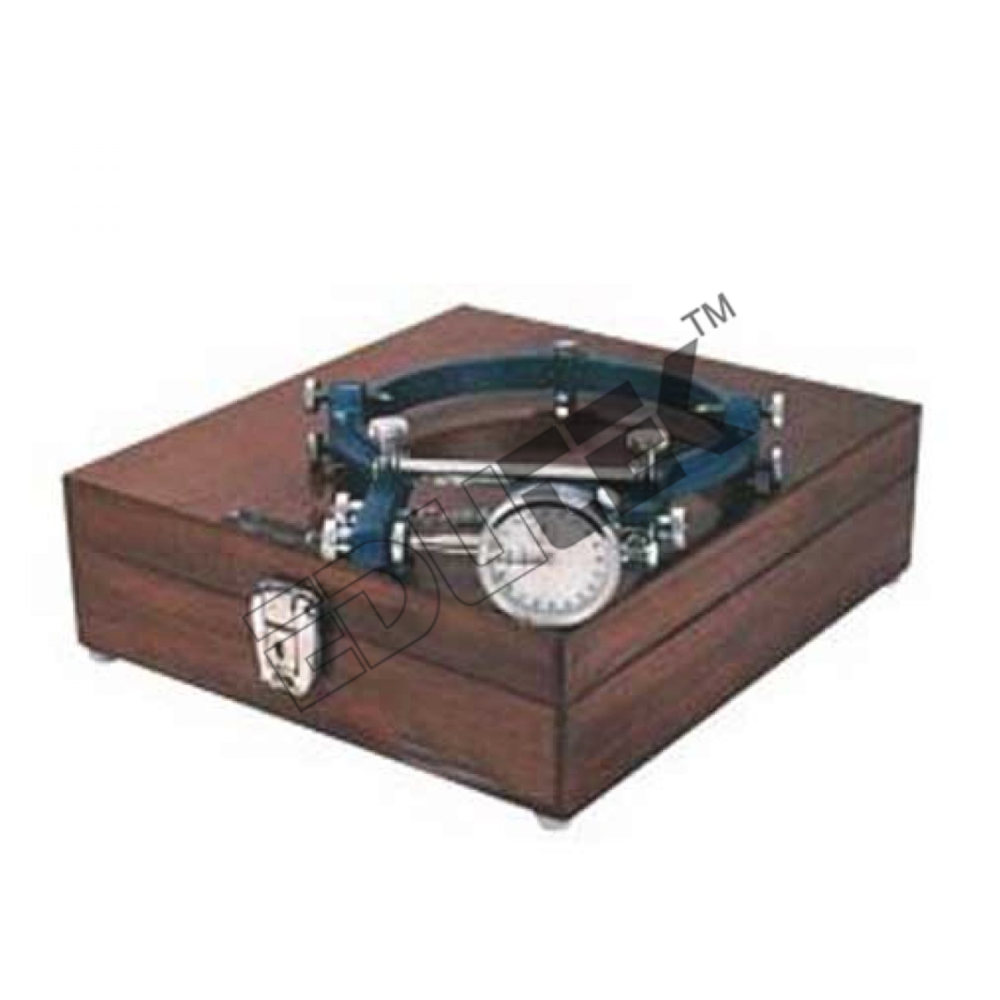
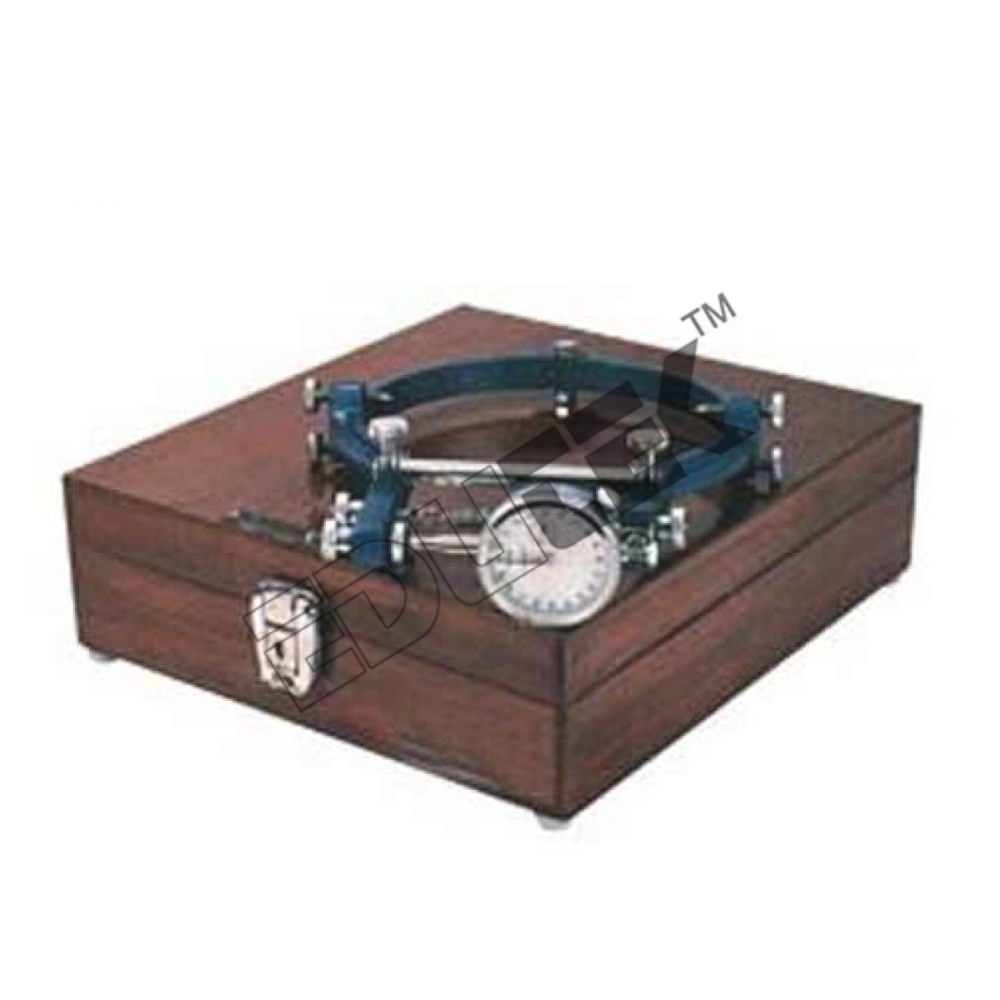
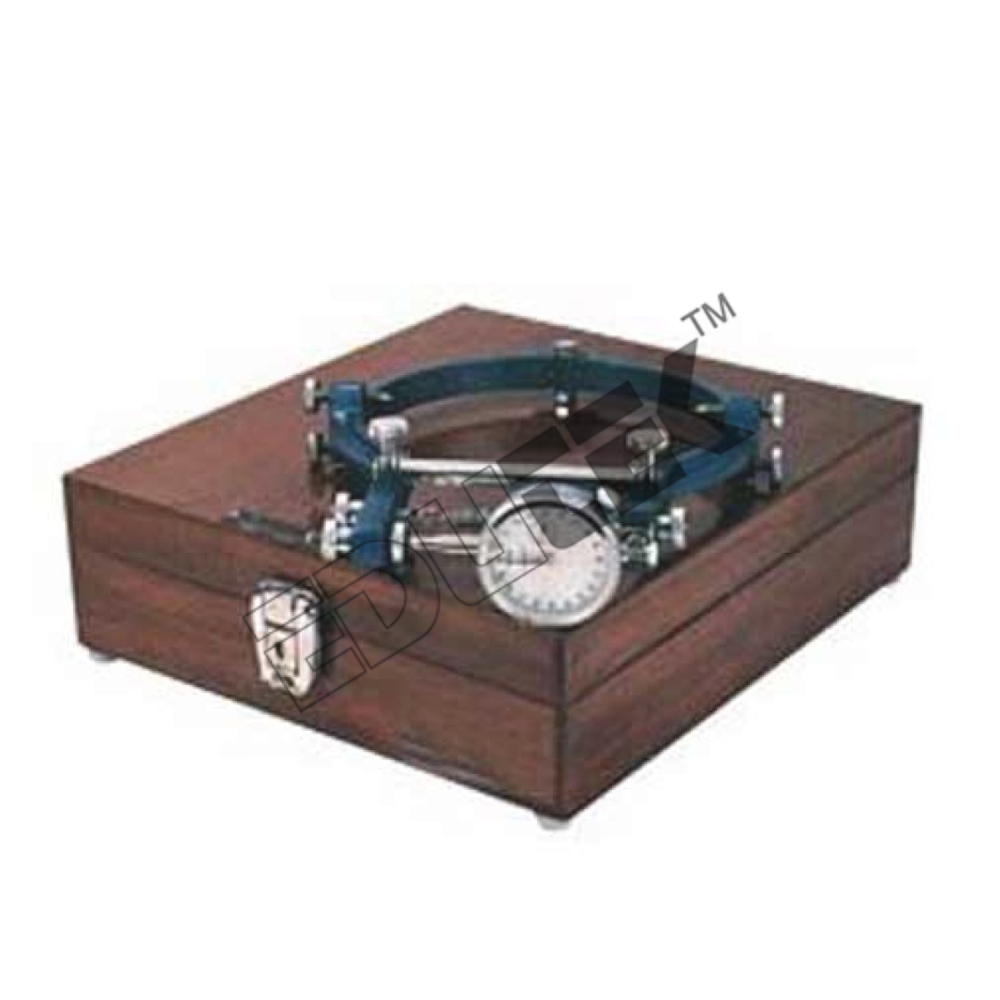
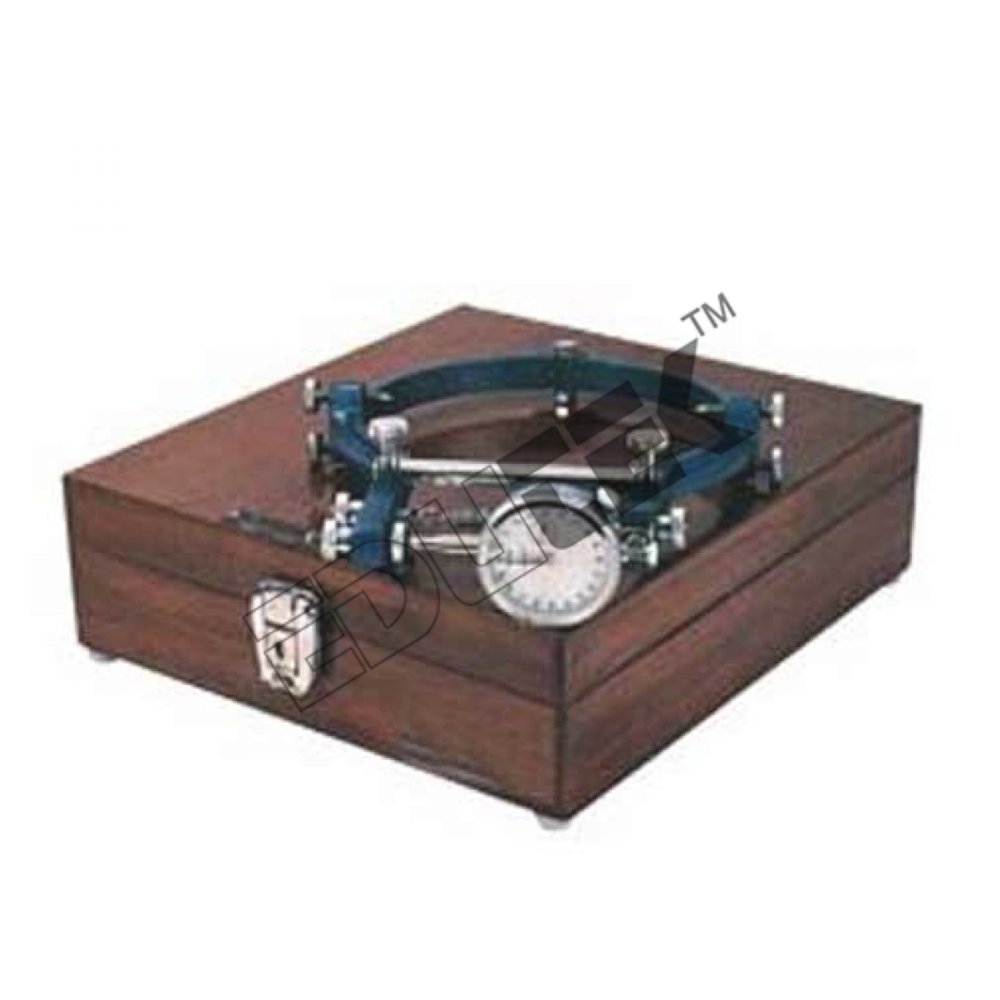
Lateral Extensometer
This is for determining the lateral extension of 15cm dia x 30 cm high cement concrete cylinders while testing them under compression.
Specification :
The unit consists of two movable frames pivoted at one end. The extensometer is fixed to the specimen with the help of tightening screws. The lateral extension is indicated on a dial gauge of 0.002mm x 5mm is mounted on the upper ring and the tip of the dial gauge rests on an anvil. The zero on the dial gauge can be set by adjusting the anvil screw. Supplied in a wooden carrying case.

Price:
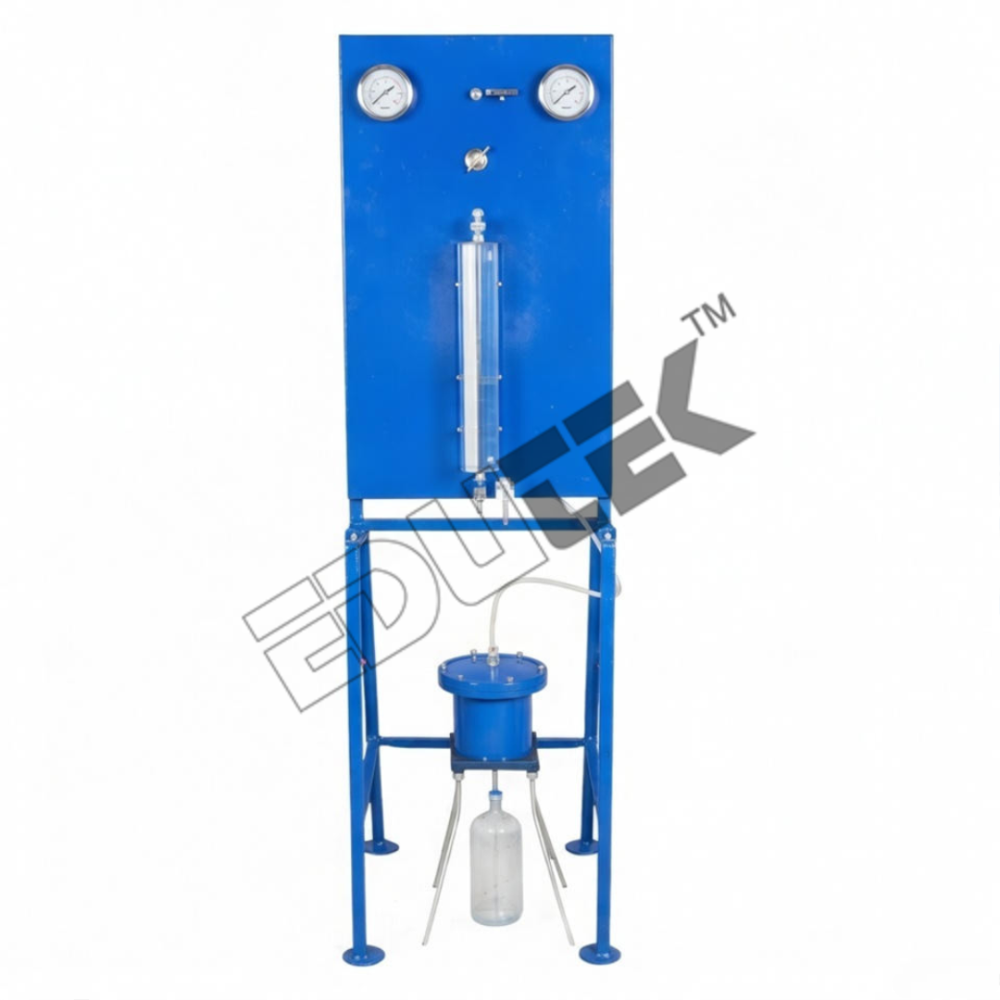
Price 5000.0 INR / Piece
Minimum Order Quantity : 1 Piece
Usage : Industrial
Dimension (L*W*H) : 400 x 250 x 800 mm Millimeter (mm)
Automation Grade : Manual
Type : Falling Head/Constant Head Permeability Apparatus
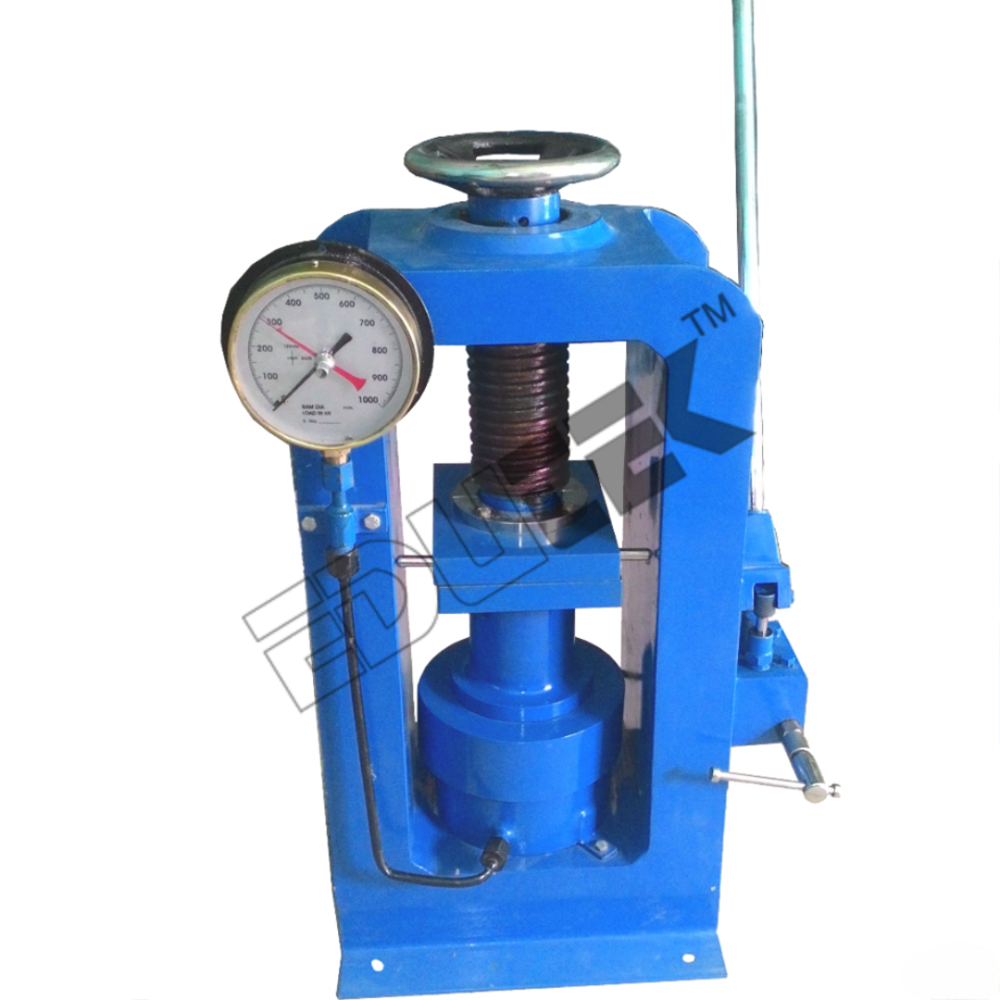
Price 5000.0 INR / Piece
Minimum Order Quantity : 1 Piece
Usage : Testing compressive strength of concrete, bricks & cement
Dimension (L*W*H) : 800 x 600 x 1800 mm Millimeter (mm)
Automation Grade : SemiAutomatic
Type : Compression Testing Machine
Price 5000.0 INR / Piece
Minimum Order Quantity : 1 Piece
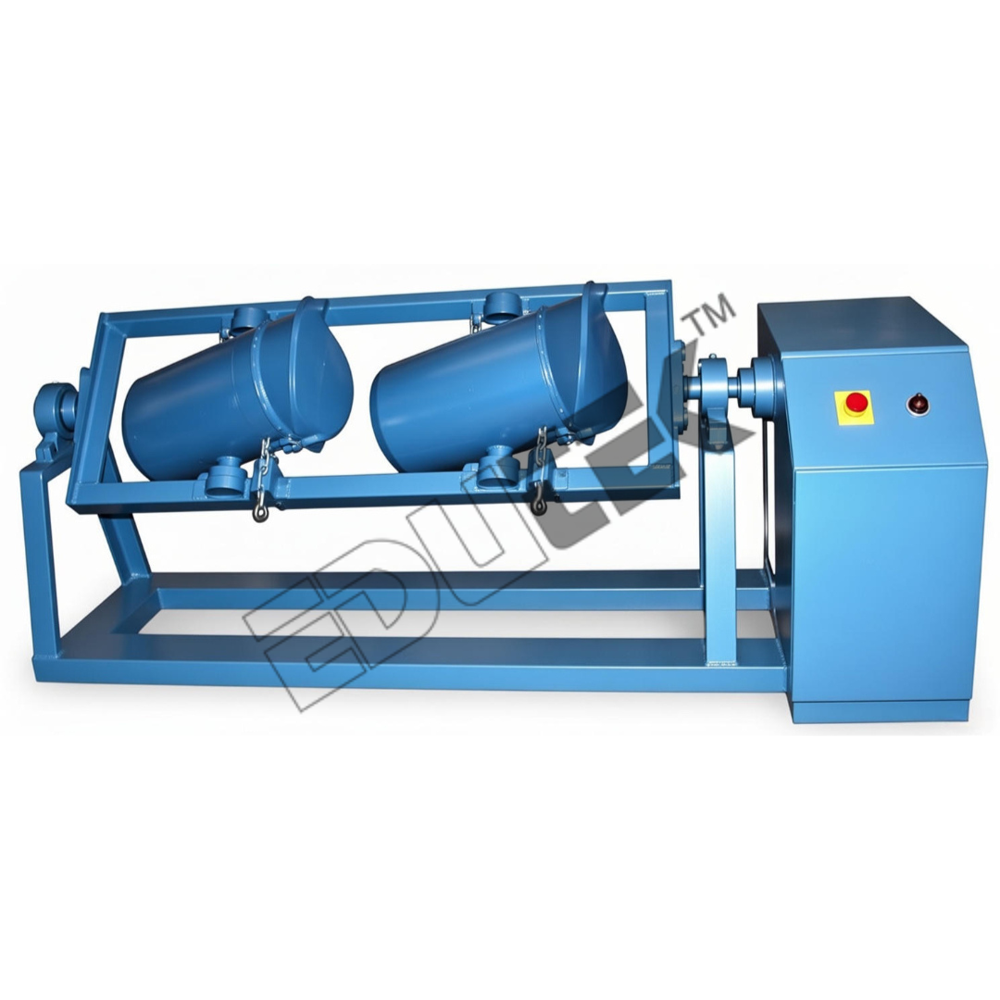
Usage : Used to test abrasion resistance of rubber, conveyor belts, and plastics
Dimension (L*W*H) : Approx. 800 mm x 450 mm x 800 mm Millimeter (mm)
Type : Abrasion Testing Machine
Price 10000.0 INR / Piece
Minimum Order Quantity : 1 Piece
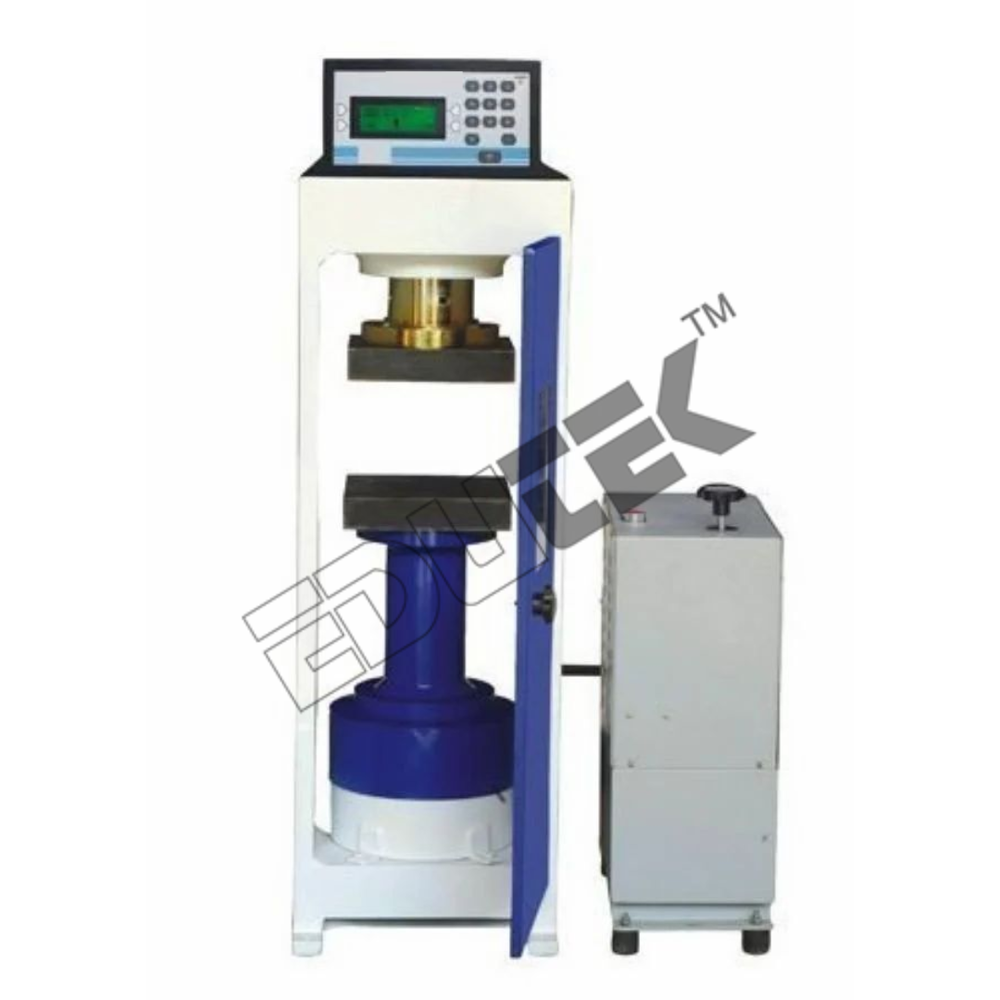
Usage : Concrete/Brick/Block Compression Test
Dimension (L*W*H) : 950 mm x 650 mm x 1170 mm Millimeter (mm)
Automation Grade : SemiAutomatic
Type : Compression Testing Machine

 Send Inquiry
 Send Inquiry

