About Multi Viewing Microscope
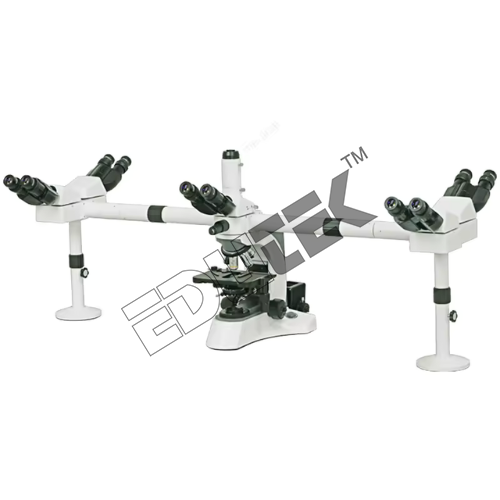
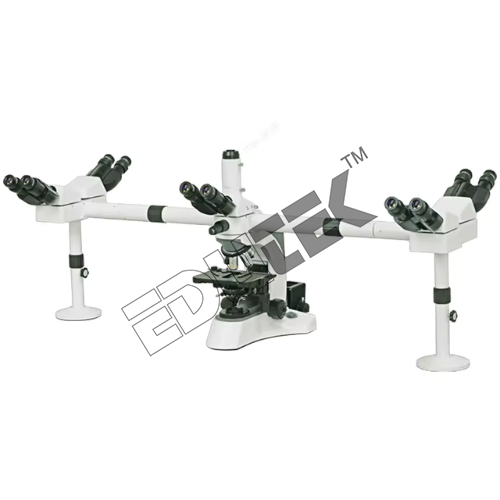
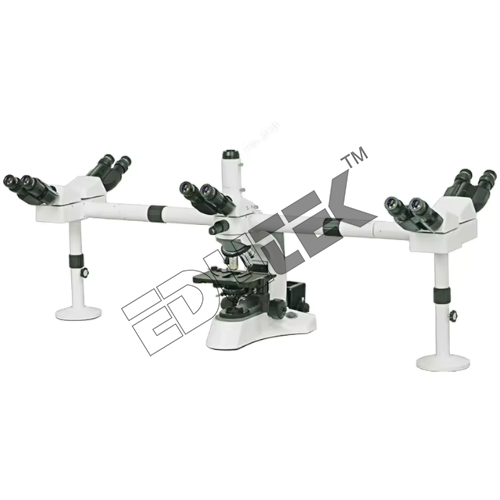
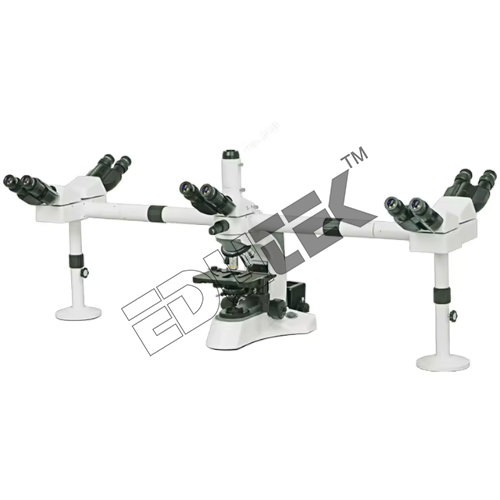
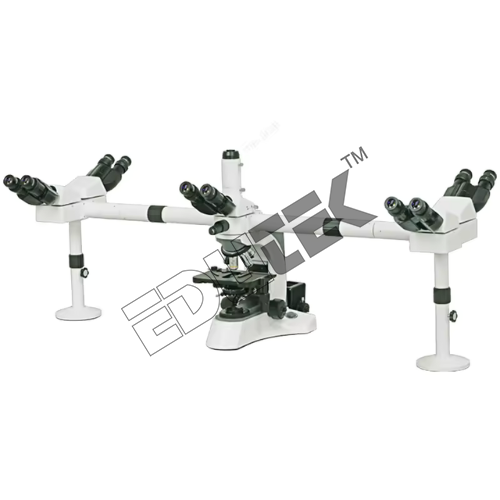
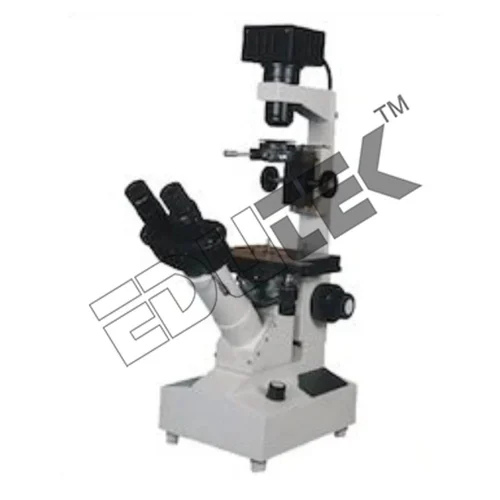
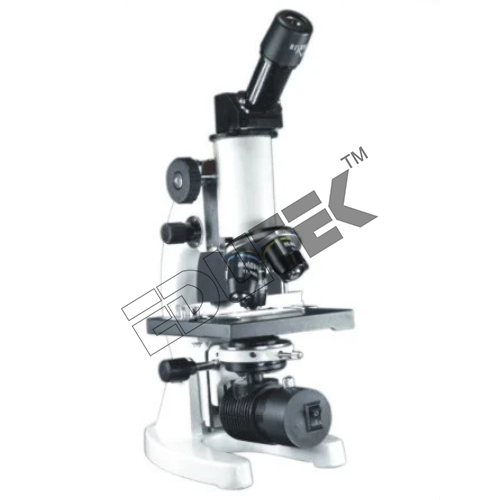
Multi Viewing Microscope ETMS-145Specification- Viewing head: Monocular head, binocular head
- Eye piece: wide field 10x
- Nose piece : quadruple nose piece
- Objectives: achromatic 4x,10x, 40x(s), 100x(s, oil)
- Mechanical stage: single layer mechanical stage: 140 x 140mm
- Moving range: 75x50mm
- Condenser : abbe n. A. 1. 25 condenser with iris diaphragm & filter
- Illumination : halogen lamp housing illumination
- Standard accessories : spare halogen lamp,immersion oil,dust cover, user manual,blue ground glass filter
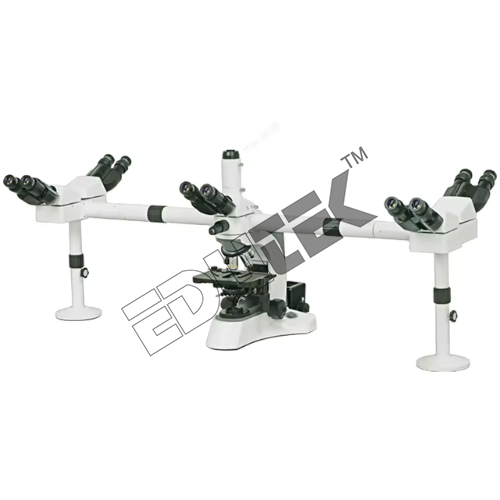
Simultaneous Observation and InstructionThis advanced microscope features multiple synchronized viewing heads equipped with a built-in pointer, enabling several users to observe the same specimen concurrently. Its especially effective for teaching, group discussions, or collaborative research in academic and laboratory settings.
Precision Positioning and Robust ConstructionDesigned with a graduated mechanical stage on both X and Y axes and a stable cast iron body, precise sample alignment is effortless. The anti-vibration rubber feet further enhance stability, ensuring consistent imaging even during extended observation sessions.
Versatile Optics and IlluminationThe microscope offers DIN achromatic objectives ranging from 4x to 100x, achieving total magnifications from 40x to 1000x. Its Abbe condenser and adjustable halogen or LED light sources, combined with wide field eyepieces, provide bright, crisp images suitable for both direct and camera-based digital viewing.
FAQs of Multi Viewing Microscope:
Q: How can the Multi Viewing Microscope be used for collaborative teaching and research?
A: The multi-viewing heads allow up to 10 users to simultaneously observe the same specimen. The built-in pointer in the main observers head enables instructors to highlight specific areas, making it ideal for teaching, demonstrations, or teamwork in academic and laboratory environments.
Q: What type of samples and magnifications are suitable for this microscope?
A: With DIN achromatic objectives (4x, 10x, 40x, 100x) and magnifications from 40x to 1000x, the microscope is suitable for examining biological, medical, and educational specimens. Its wide field eyepieces and precise stage movement support detailed analyses of slides and samples.
Q: When is it necessary to use the anti-mold treatment in optical instruments?
A: In humid laboratory environments, anti-mold treatment is essential to protect optical components from fungal growth, thereby ensuring long-term clarity, performance, and reduced maintenance requirements. All optical parts in this microscope are pre-treated for enhanced durability.
Q: Where can this microscope be installed or used effectively?
A: The microscope is designed for installation in schools, colleges, research institutes, and medical laboratories. Its sturdy build, international power compatibility (AC 110-240V), and ergonomic features make it adaptable to numerous academic and professional settings worldwide.
Q: What is the process for capturing digital images or video with this microscope?
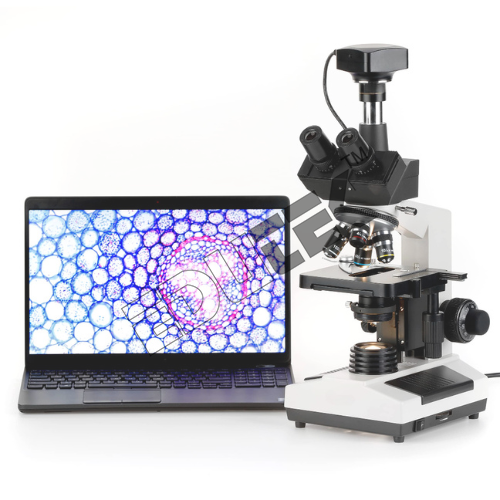
A: A standard camera interface port enables connectivity with various CCD/CMOS cameras (not included). After mounting the camera, images and videos can be captured at resolutions determined by the camera and saved in formats like JPG, BMP, or TIFF, allowing for digital documentation or remote analysis.
Q: How does the mechanical stage with graduated X and Y movements benefit users?
A: The double-layer mechanical stage, with clear graduation in both axes, permits meticulous adjustment and relocation of samples. This precision aids in systematically examining slides, making it easier to record, revisit, or point out specific structures during collaborative sessions.




 Send Inquiry
 Send Inquiry

