About Biological Microscopes
Biological Microscopes
We have been customizing a wide range of biological microscope in accordance with the specifications of our clients. These biological microscopes are used in various applications and comply with industrial quality standards.
- Student Microscope
- Dissecting Microscope
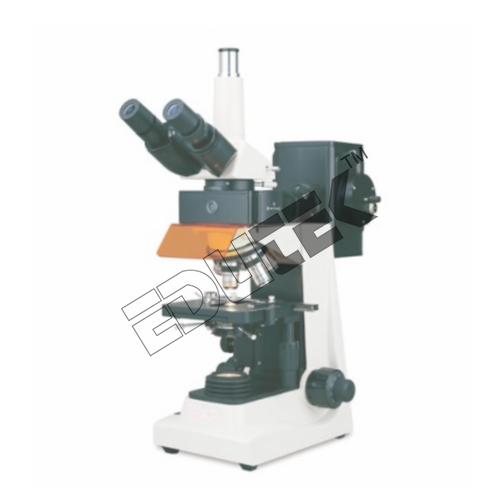
- Fluorescent Microscope
- Medical Microscopes
- Medical Pathological Microscopes
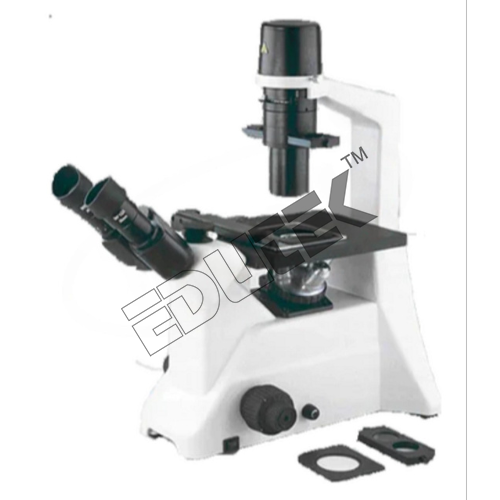
- Inclined Microscopes
- Binocular Microscope
- Binocular Pathological Research Microscope
- Trinocular Microscopes
- Co-Axial Concept Microscope
- Computer Compatible Microscope
- Digital Microscope
- Operating Surgical Microscope
- Polarizing Microscopes
- Malaria Detection Microscopes
- Advance Projection Microscope
- Polarimeter Half Shade
- Multi Viewing Microscope
- ABBE Refractometer
- Compound Microscope
- Brinell Microscope
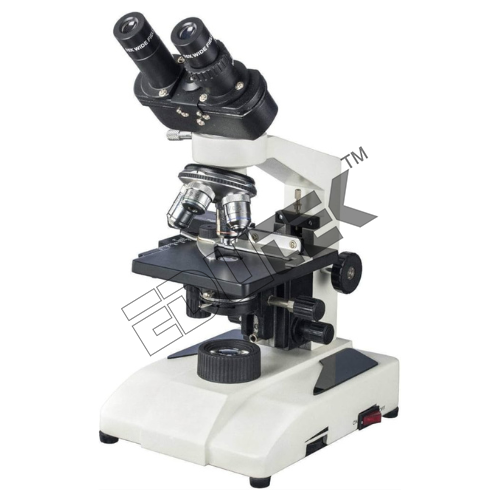
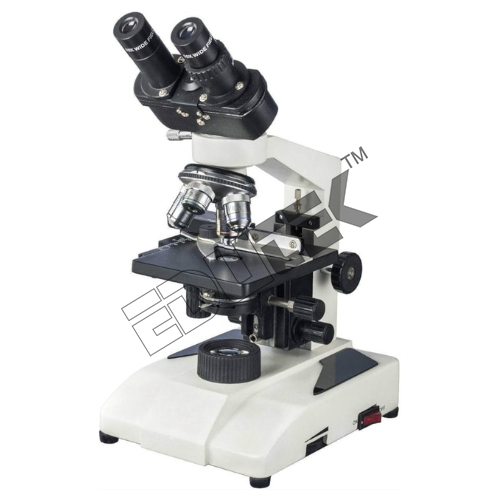
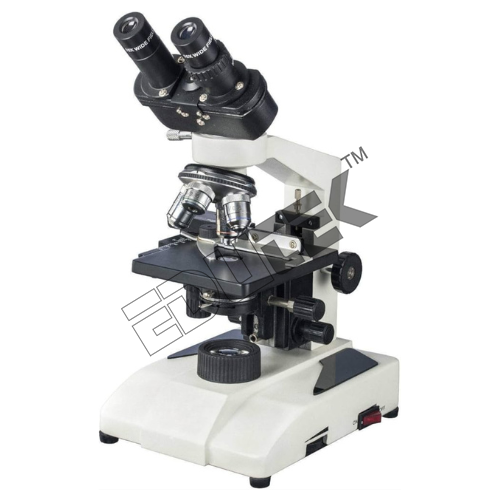
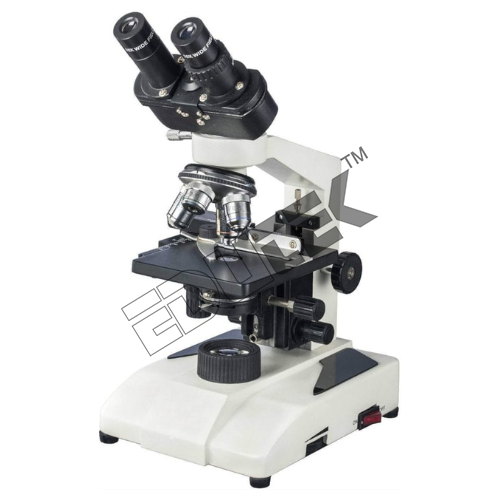
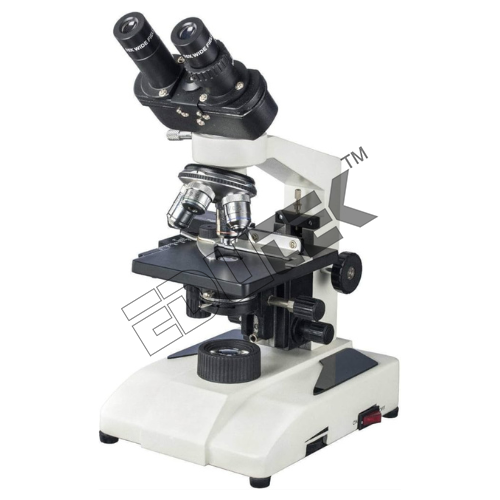
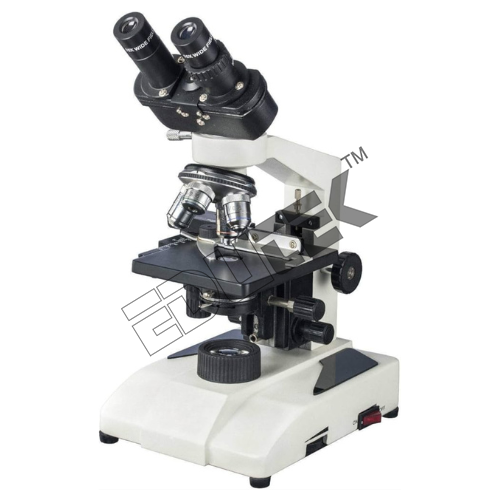
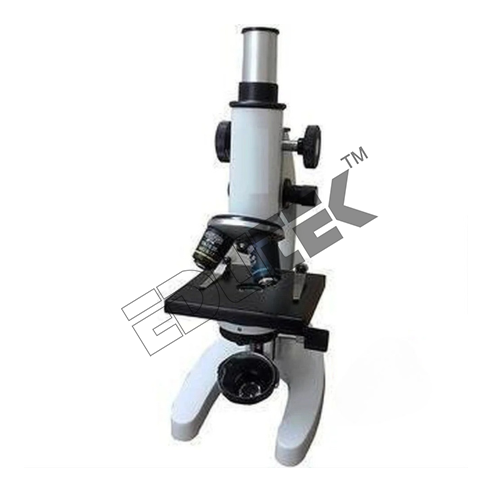
Precision Optical PerformanceThe microscopes finite optical system is optimized for accurate color and image reproduction, minimizing chromatic aberration. With objective achromats ranging from 4x to 100x oil immersion, users can achieve detailed inspection of a wide array of biological specimens. Magnification flexibility from 40x to 1000x supports diverse learning and research needs in laboratories.
Enhanced User Comfort and VersatilityDesigned with an ergonomic 45 inclined eyepiece tube, diopter adjustment, and options for monocular, binocular, or trinocular heads, the microscope accommodates different user preferences. Coarse and fine coaxial focusing, a sturdy mechanical stage, and wide field WF10X eyepieces make prolonged usage comfortable and efficient.
Ideal for Educational and Research SettingsLightweight (approx. 5 kg), easily portable with AC or battery power, and equipped with a mechanical stage for precise slide navigation, this microscope is suitable for classrooms, university labs, and field studies. Replacement parts and support are available through several manufacturers, suppliers, and exporters across India.
FAQs of Biological Microscopes:
Q: How is the stage size and movement beneficial during specimen examination?
A: The mechanical stage, measuring approximately 120mm x 120mm with vernier scale, allows for accurate and repeatable positioning of slides. With X and Y movements of 75mm and 45mm respectively, it provides precise navigation across specimens, making detailed observation and documentation efficient.
Q: What optical advantages does this microscope offer for biology labs?
A: The microscope features a finite optical system corrected for chromatic aberration, along with achromatic objectives and wide field eyepieces. This setup provides sharp, color-accurate imaging essential for analyzing biological specimens, catering to the rigorous demands of educational and research environments.
Q: When should I use the coarse and fine focusing mechanisms?
A: Start with coarse focusing for rapid, broad adjustments while initially viewing your specimen. Once in approximate focus, use the fine adjustmentcapable of 0.002mm precisionto achieve sharp, detailed images necessary for high-magnification work or nuanced observations.
Q: Where can I find replacement parts for this microscope?
A: Replacement bulbs, fuses, stage clips, objectives, and eyepieces are readily supplied by manufacturers, exporters, and distributors throughout India. Check with the original supplier or authorized service centers for compatible spare parts.
Q: What is the process for switching between different magnification levels?
A: To change magnification, simply rotate the revolving quadruple nosepiece, which is mounted on ball bearings, to select the desired objective lens (4x, 10x, 40x, or 100x oil immersion). Then refocus using the coarse and fine focusing controls to ensure clear visualization.
Q: How does the microscope support comfortable, prolonged usage?
A: The 45 inclined eyepiece tube and available diopter adjustment minimize neck strain and allow users to customize focus difference between eyes. Options for monocular or binocular heads, combined with a mechanical stage and ergonomic controls, enhance comfort during extended sessions.
Q: What makes this microscope ideal for both classroom and field use?
A: Its moderate weight (about 5 kg), battery operation for portable models, and durable design make it suitable for stationary laboratory use and mobile research settings alike. The microscopes versatility and broad magnification range support a variety of biology educational and investigative activities.




 Send Inquiry
 Send Inquiry

