About Fluorescent Microscope
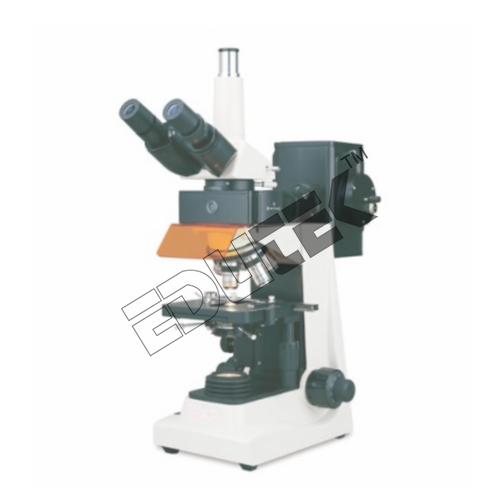
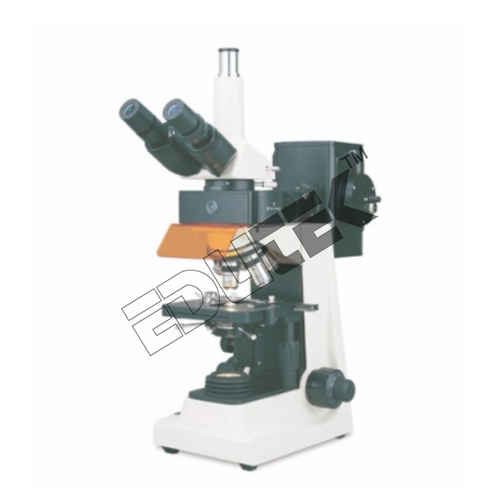
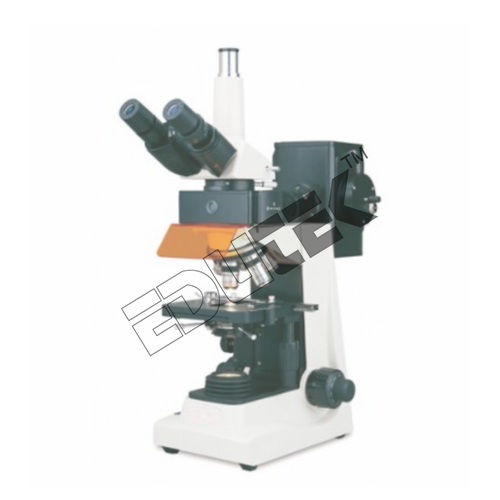
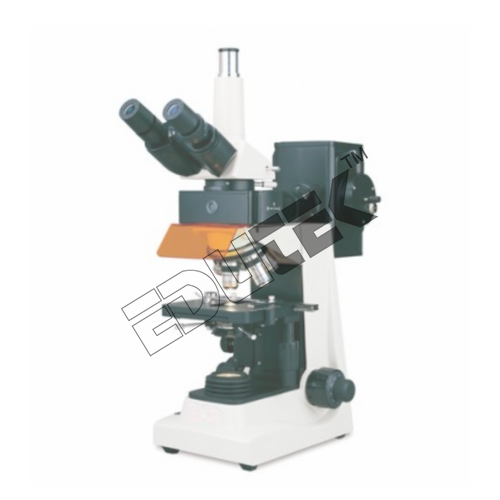
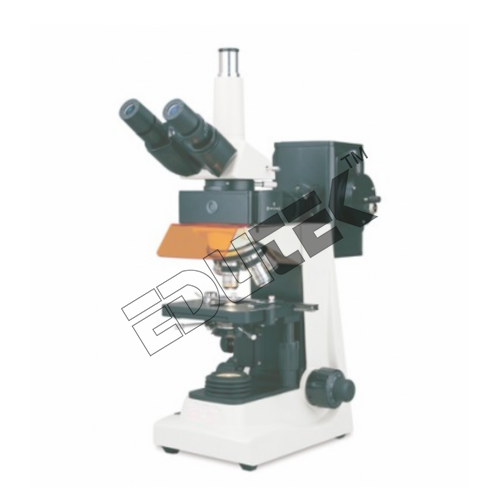
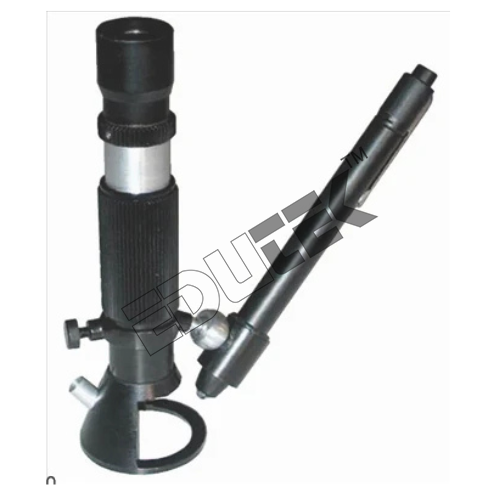
Fluorescent Microscope ETMS-143Fluorescent Microscope is used for capillary examination. This technique is a new, highly sensitive rapid method of diagnosing malaria. It is also useful in the diagnosis of filariasis and leptospirosis. The principle of this method is the malaria parasite picks up fluorescent stain into their nucleus and cytoplasm, so that its morphologic characteristics can be examined by fluorescent microscopy. The nucleus appears green and the cytoplasm reddish orange,
The Capillary is coated with Acridine orange on its inside. Parents Blood is loaded into this capillary and centrifuged at 12000 rpm for5 minutes. The Blood components settle at different levels in the capillary. These different layers are displayed in the picture.
Examination of the area just below granulocyte-RBC junction helps to detect the malarial parasites, as these are concentrated in this are upto 1000 times. Examination of Lymphocyte / monocyte layer using transmitted light helps to detect the schizonts, and gametocytes which gets concentrated in this layer very easily.
Method of Examination: The granulocyte layer is then seen under 62x oil objective. By changing the light source to fluorescent light the parasitic forms can be seen as greenish orange stained structures. Using only transmitted light the parasitic forms are seen as block pigmented structures as shown in the preceding photomicrographs.
Exceptional Optical ClarityEquipped with anti-fungal, strain-free achromatic objectives from 4x to 100x (oil), this microscope delivers sharp and clear fluorescence images. The Abbe condenser with iris diaphragm and filter holder ensures optimal light focusing, allowing for detailed observation of cellular structures in research and diagnostics.
Ergonomic and User-Friendly OperationWith coaxial coarse and fine focusing, low-position X/Y movement controls, and wide interpupillary adjustment (4875 mm), this microscope prioritizes usability. The trinocular head is inclined at 30 for comfortable prolonged viewing and rotates 360 to fit varied laboratory settings and preferences.
Advanced Imaging and DocumentationThe integrated high-sensitivity CMOS sensor allows for Full HD live viewing and documentation. Users can capture JPEG, BMP, or TIFF images (up to 5MP) and record 1080p video directly, making the system ideal for archiving results, sharing findings, or remote demonstrations.
FAQs of Fluorescent Microscope:
Q: How does the microscopes fluorescence feature benefit cellular studies?
A: Fluorescence microscopy exploits the property of certain specimens to emit light when excited by specific wavelengths. This allows the observation and detailed study of cellular structures, proteins, and components with exceptional contrast and specificity compared to traditional brightfield microscopy.
Q: What is the process for capturing images and videos using the built-in camera?
A: The built-in CMOS camera supports Full HD resolution and connects via USB 2.0 or HDMI. Simply adjust the focus, select your preferred view, and use included software to capture still images up to 5MP or record 1080p video at 30fps, making it easy to document and share results.
Q: When should I use different filter cubes (blue, green, UV) during fluorescence imaging?
A: Select filter cubes based on the fluorescent dyes or markers applied to your samples. Blue, green, and UV filters are included to match common fluorophores, ensuring optimal excitation and emission for clear visualization of distinct cellular targets.
Q: Where is this fluorescent microscope ideally used?
A: This system is suitable for educational institutions, clinical laboratories, and research facilities that require precise fluorescence imaging and documentation capabilities. Its robust construction and ergonomic design make it versatile for regular laboratory use in varied environmental conditions.
Q: What are the ergonomic features that enhance ease of use?
A: The microscope includes low-position coaxial stage controls, ergonomically-placed focus knobs, and a 30 inclined, 360 rotatable trinocular head. The interpupillary distance is widely adjustable (4875mm), ensuring comfort during extended observation sessions.
Q: How is the instrument protected during transportation and storage?
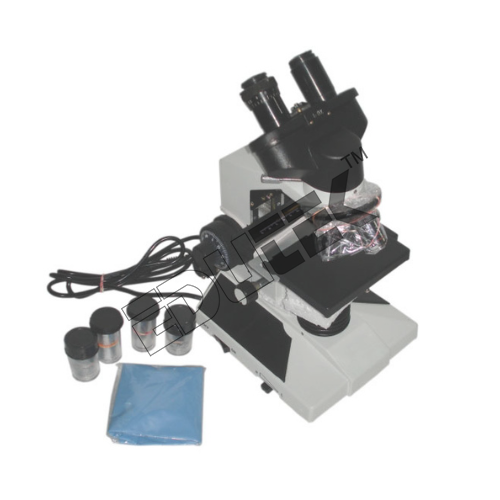
A: A foam-protected, sturdy carton ensures safe transport, while the included dust cover protects the microscope from contamination when not in use, preserving optical quality and longevity.
Q: What spare parts and accessories are available for continued usage?
A: Replacement filter cubes, additional bulbs, objective lenses, and other spare parts are available to ensure uninterrupted use and maintain instrument performance over time.





 Send Inquiry
 Send Inquiry

