About Spectrometer .
Spectrometer
Specification of Spectrometer:
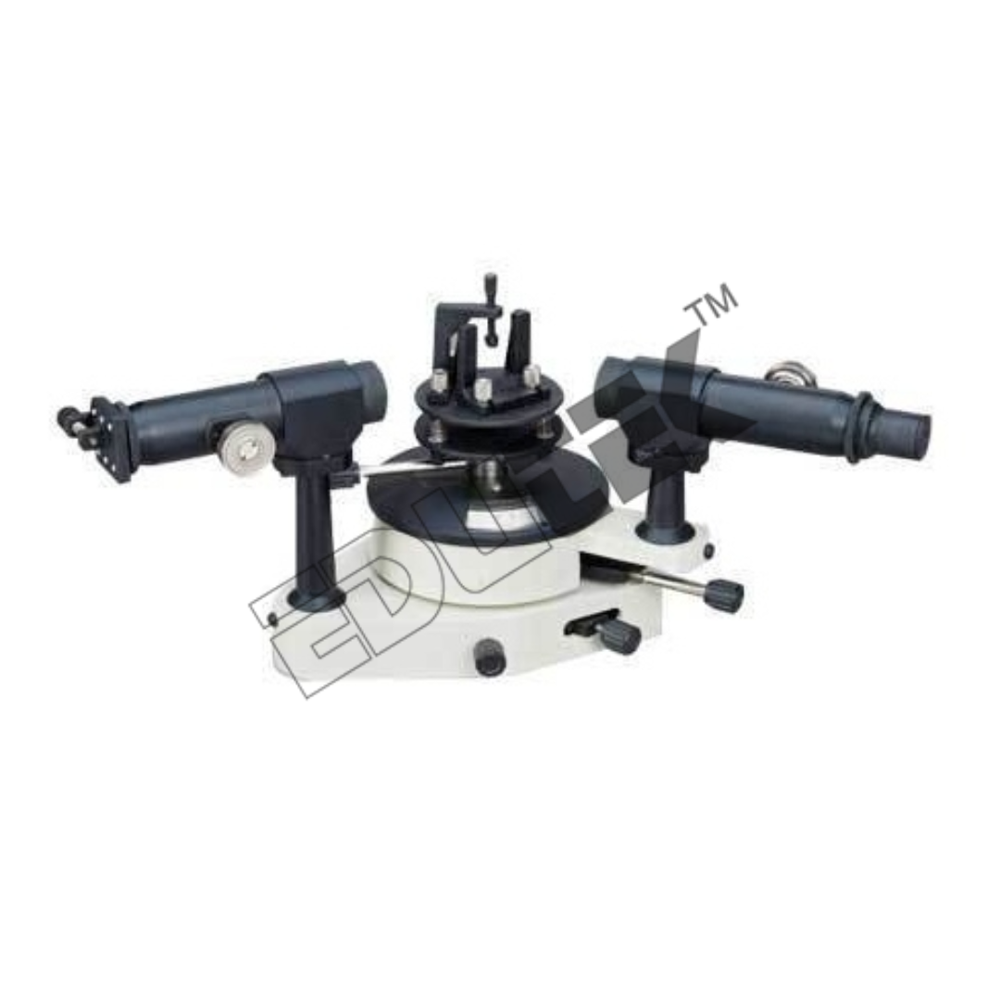
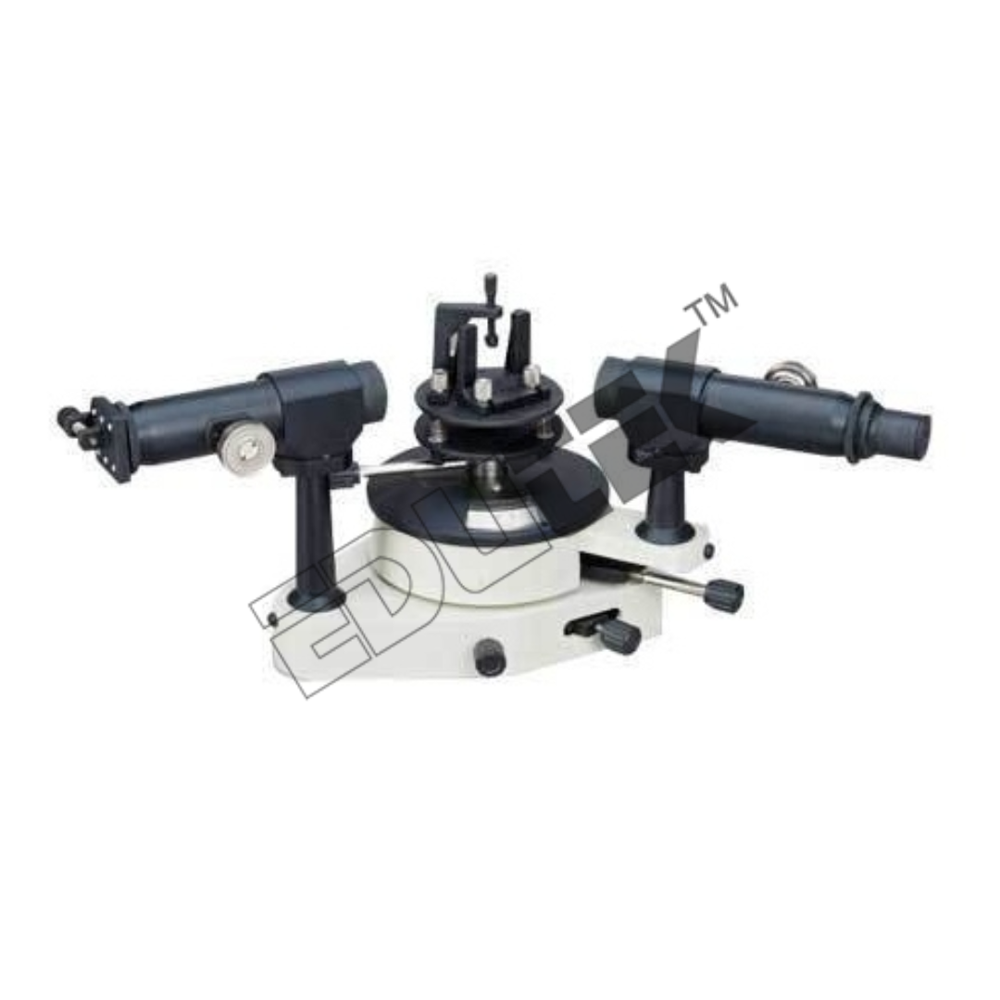
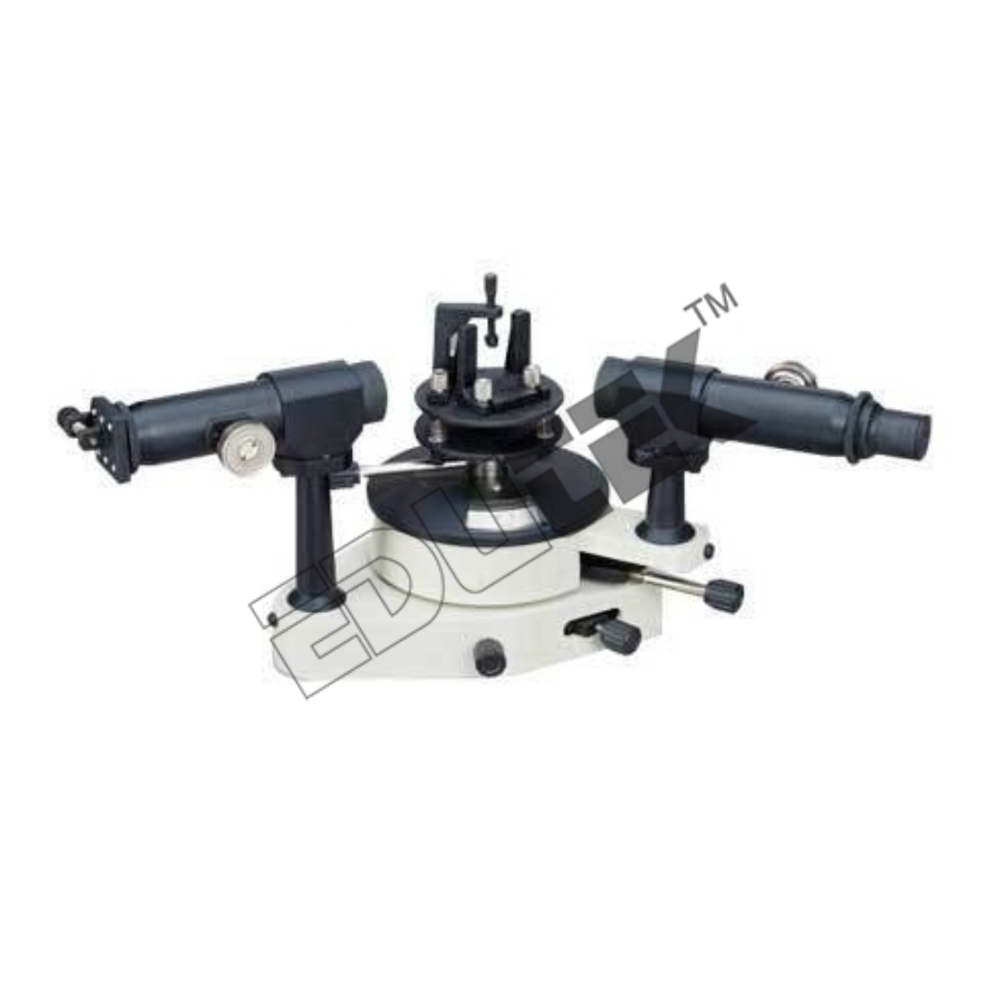
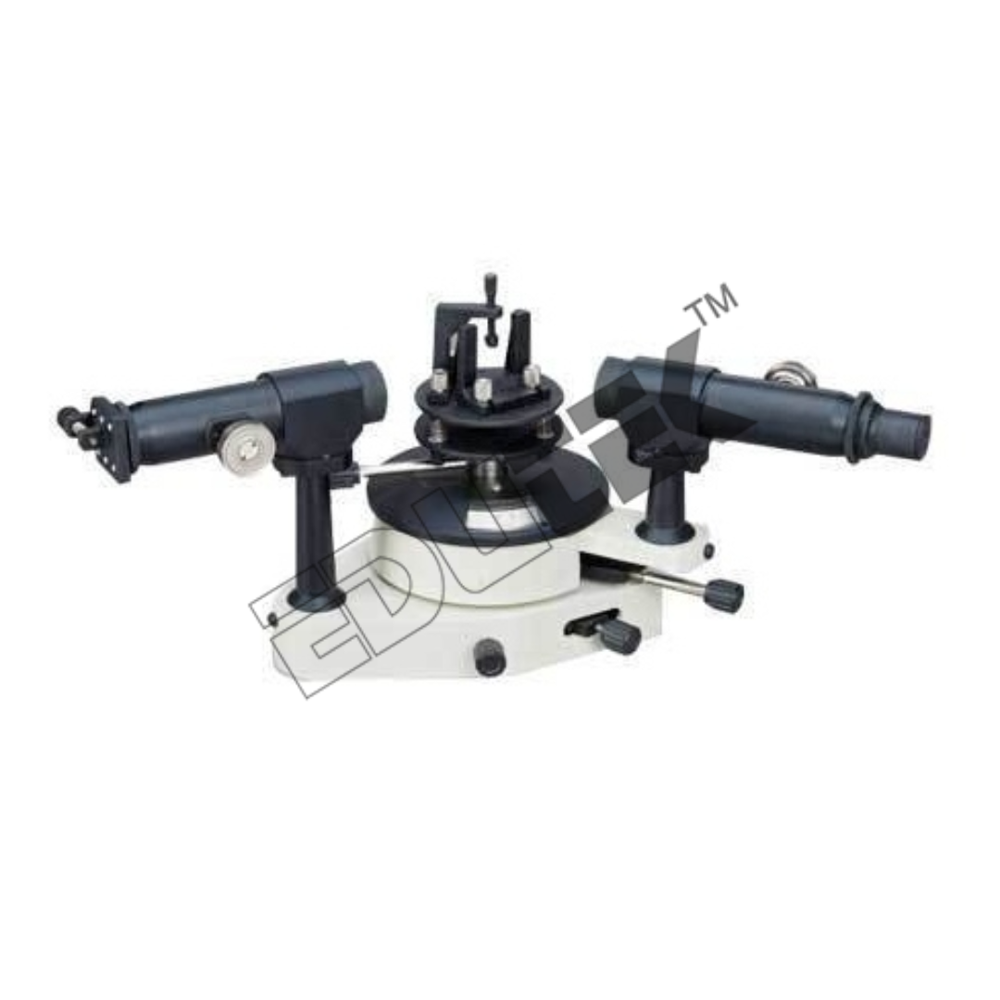
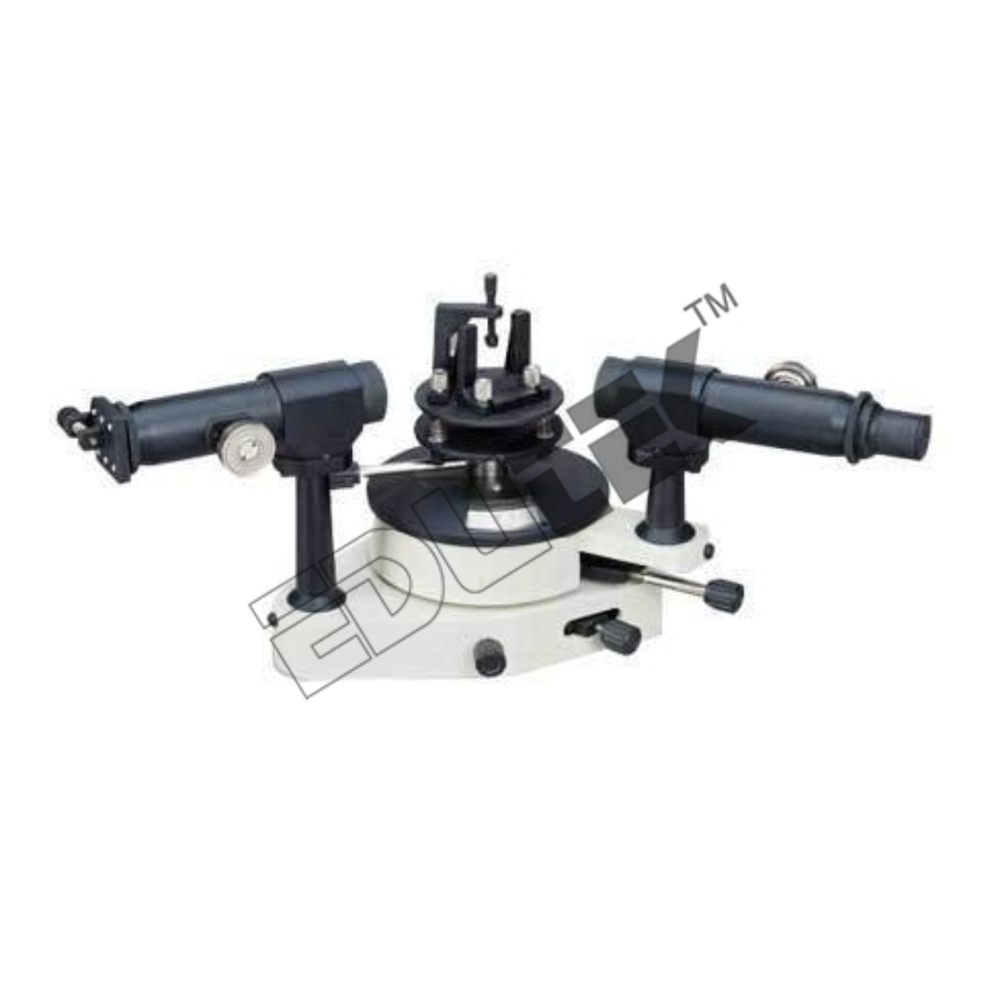
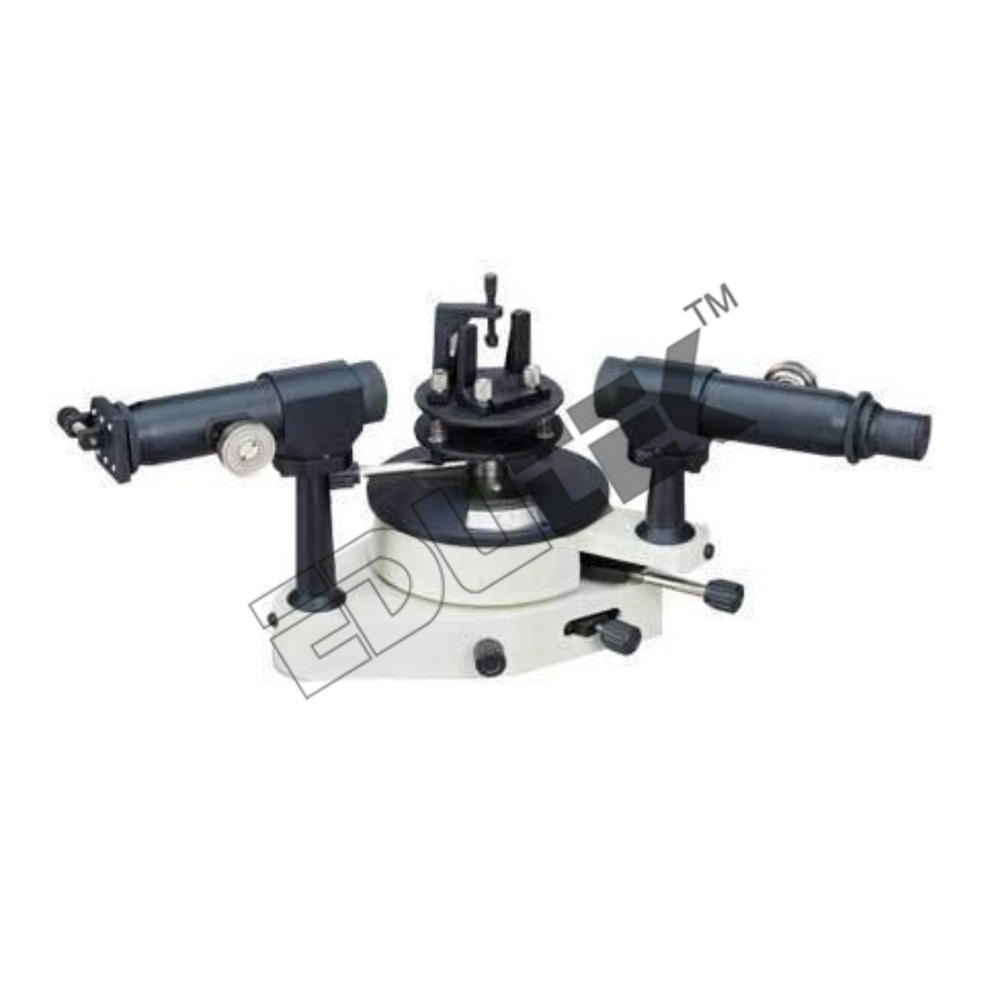
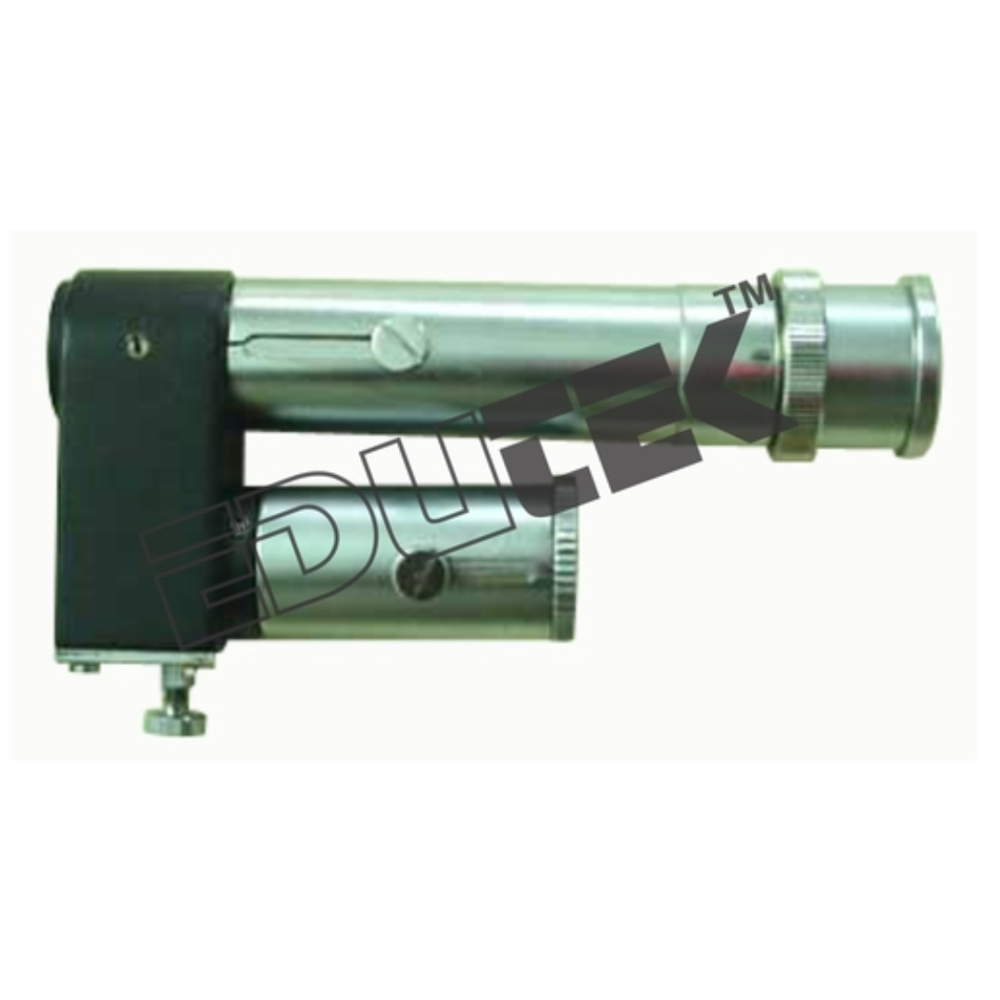
Spectrometer is used to measurement spectral lines and measuring their wavelengths and intensities.Spectrometer consists of a graduated circle, generally fixed in a horizontal position, to which is attached a collimator and a telescope. The collimator consists of a tube containing an achromatic lense at one end and a vertical slit at the principal focus of the lense.main Greduated scale of 150 mm or 175 mm diameter is fixed.
Precision Optical MeasurementEngineered for accuracy, this spectrometer enables precise angular measurement for spectral analysis. The analog scale and vernier allow for meticulous readings, supporting both basic and advanced educational experiments. Its robust design maintains measurement integrity, vital for repeatable laboratory results.
Robust and Reliable ConstructionThe spectrometer blends high-quality metal and glass materials with a corrosion-resistant painted body. Three-point leveling screws ensure stability, and all components are assembled to provide a long-lasting tool for laboratory applications, ensuring consistent performance in demanding academic environments.
Versatile Applications in LaboratoriesFrom analyzing glass prisms and lenses to investigating diffraction gratings, this spectrometer addresses varied needs in physics labs. Its adjustable slit width, manual operation, and analog display make it suitable for teaching optics principles and performing practical experiments for students and researchers.
FAQs of Spectrometer:
Q: How do I use the spectrometer for angular measurements of prisms and diffraction gratings?
A: Position the sample on the adjustable prism table, align the collimator and telescope, and use the analog scale with vernier for direct measurement. The three leveling screws provide stability while you record precise angles to a least count of 30 seconds or 1 minute of arc.
Q: What types of samples can this spectrometer analyze effectively?
A: This spectrometer is particularly suited for glass prisms, lenses, and diffraction gratings. Its adjustable slit width and high-precision optics accommodate various sample types typically encountered in educational and laboratory experiments.
Q: Where is the optimal environment to operate this instrument?
A: Operate the spectrometer indoors in a clean, controlled, room-temperature environment to ensure measurement accuracy. Its corrosion-resistant body and quality construction make it suitable for laboratory settings in academic institutions or research facilities.
Q: When should I adjust the slit width and how does it influence results?
A: Adjust the slit width before commencing measurements to control the light entering the system, which affects spectral line clarity. A narrower slit produces sharper spectral lines, important for observing fine spectral details in demonstration or research setups.
Q: What benefits does the three-point leveling system provide during measurements?
A: The three-point support offers enhanced stability and precise alignment, reducing the chances of measurement errors. This stable base is crucial for reliable angular readings, particularly when conducting high-precision spectral analysis.
Q: How does the manual operation of this spectrometer contribute to its effectiveness in educational settings?
A: Manual operation encourages hands-on learning and provides students with direct interaction with each component, reinforcing core optical principles. No electrical power is required, supporting safe use and cost efficiency in the classroom or laboratory.




 Send Inquiry
 Send Inquiry

