About Process Control And Measurement System Trainer
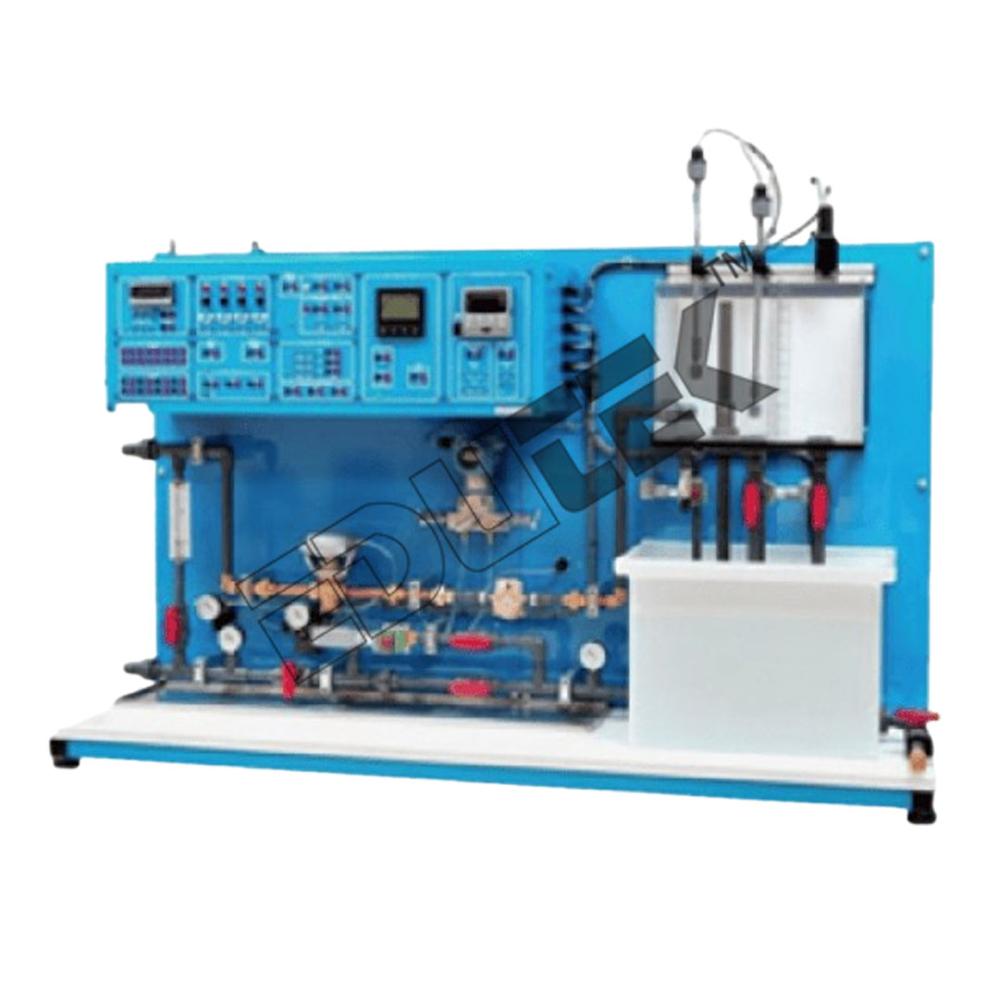
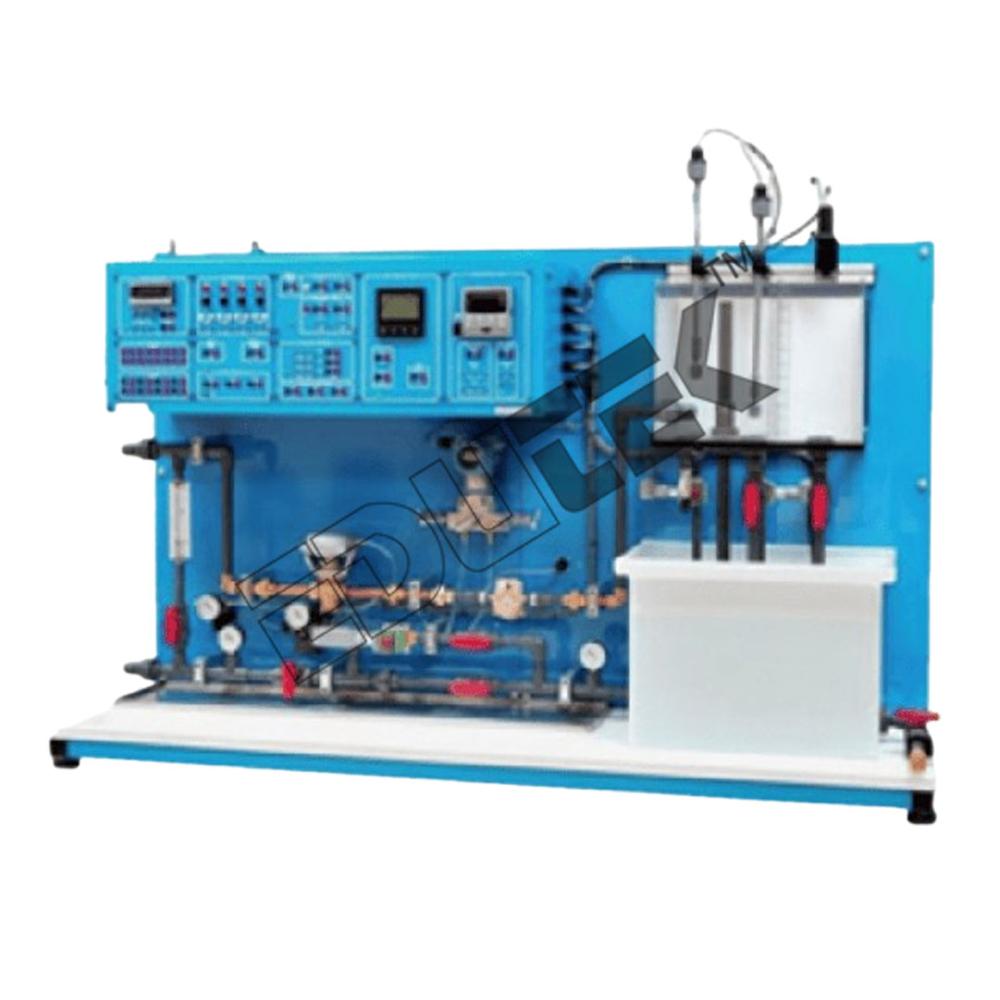
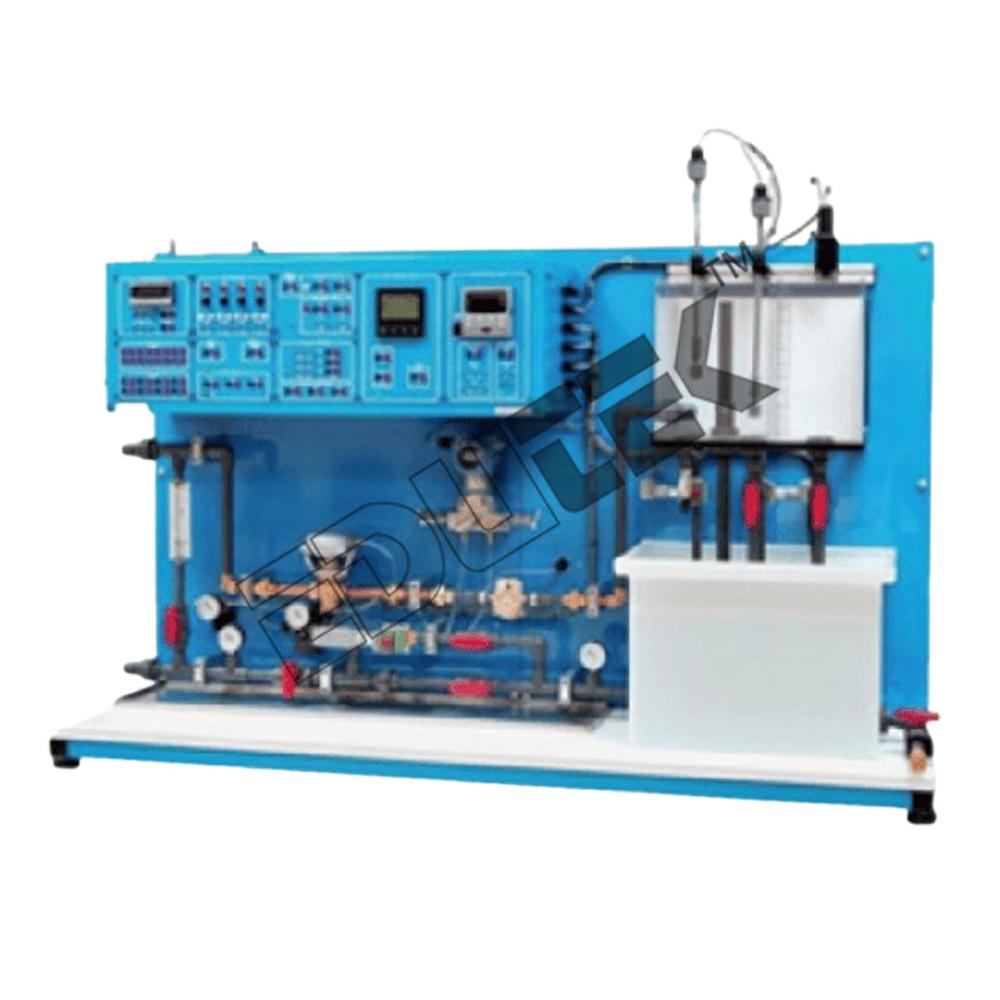
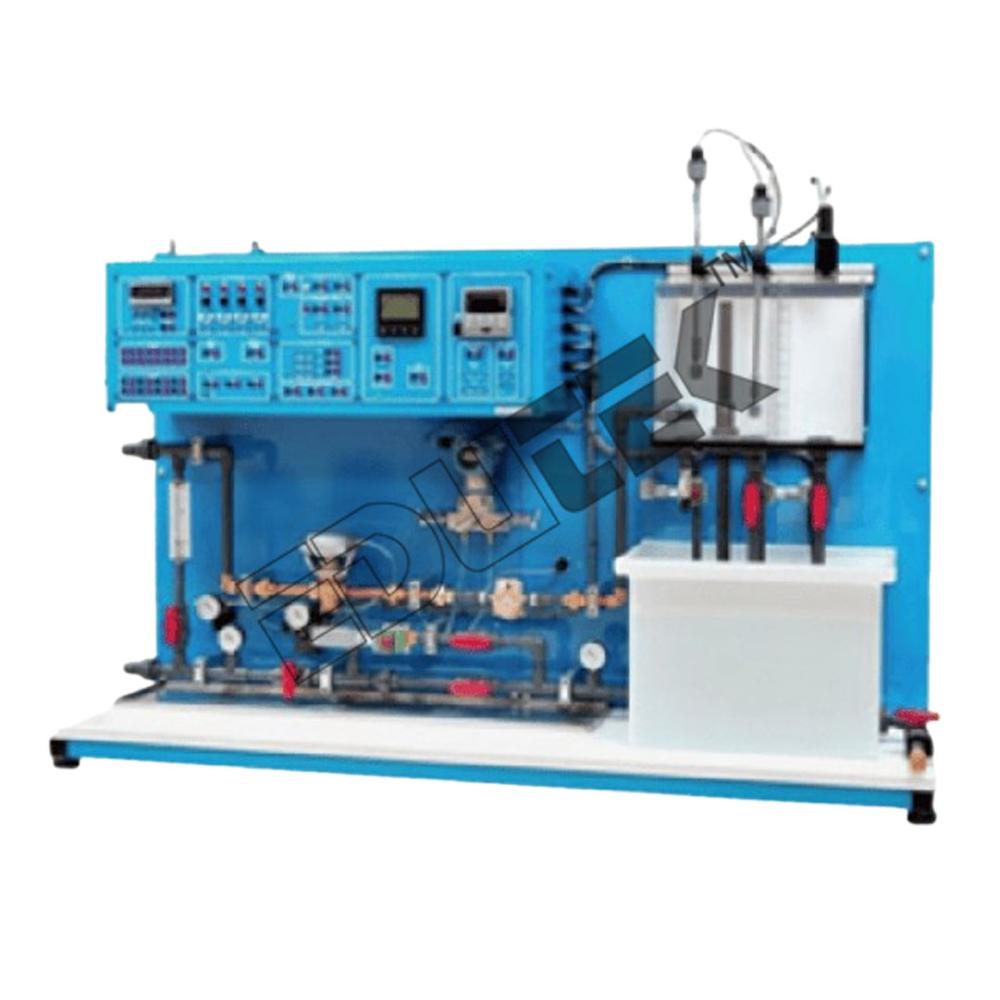
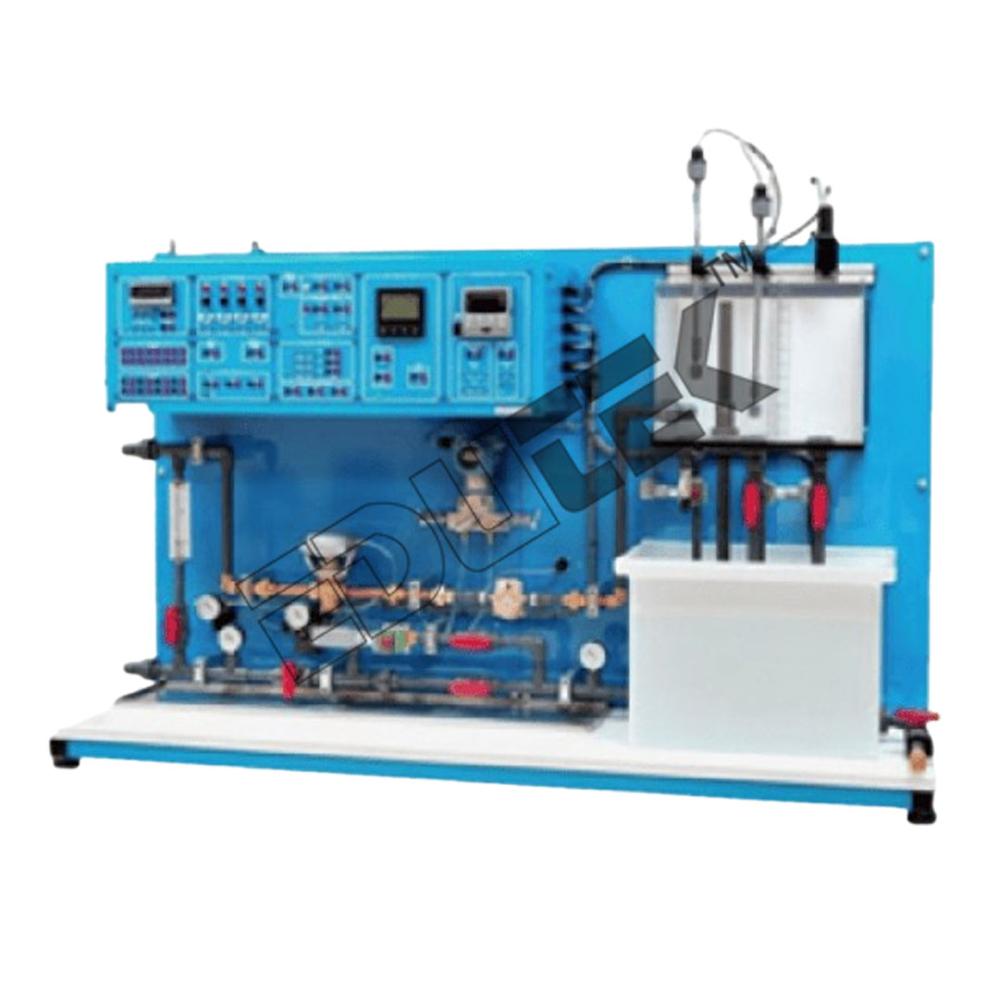
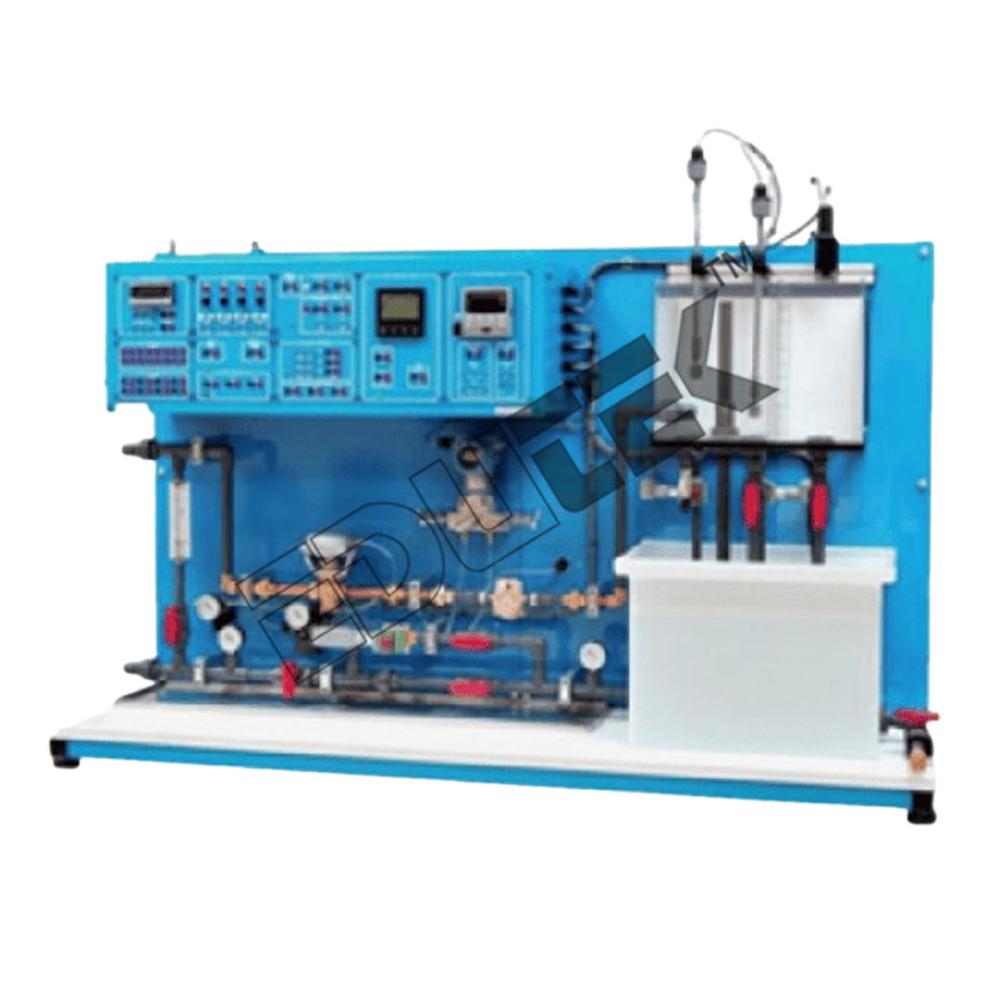
PROCESS CONTROL AND MEASUREMENT SYSTEM TRAINER
- The unit serves to familiarize students with the components and principle of control and the student will be able to study:
- Study of the level, flow, pressure and temperature sensors
- Study of the characteristics of the pump and of the motor pump 'Study of the characteristics of the static process and of the time constants
- P, PI, PD and PID closed loop control of the level
- 13, PI, PD and PID closed loop control of the flow -, P, PI, PD and PID closed loop control of the temperature
- Control of the level with the pressure sensor.
- A process recorder included
- A programmable logic controller included
- Pc and Software and software update and License for operation included
- All required tools for operation included Unit complete with all required accessories Installation and Commissioning and training included
Versatile Control ExperimentationThis trainer supports simulation of critical industrial processeslevel, temperature, pressure, and flow. Students and instructors can explore real-world applications of process control using standard industrial sensors, a robust PID controller, and an intuitive manual/auto mode, fostering thorough understanding of core concepts.
Enhanced Safety and ReliabilityEquipped with overcurrent protection, a fuse, and emergency stop functions, the system prioritizes safety during operation. Corrosion-resistant piping and a mini water circulation pump add durability, ensuring reliable, repeatable demonstrations throughout years of educational use.
User-Friendly Interface and ConnectivityThe digital LED display delivers high-resolution measurement (0.1 precision) and rapid response times (1 second), making data interpretation straightforward. PC connectivity (USB/RS232) is available for seamless data logging and analysis, supporting further study and documentation.
FAQs of Process Control And Measurement System Trainer:
Q: How does the onboard PID controller contribute to the learning experience?
A: The built-in PID controller allows users to manually or automatically regulate simulated processes such as level, temperature, pressure, and flow, providing a practical context to understand PID principles and tuning in real-time control systems.
Q: What processes can be simulated with this trainer?
A: The system enables simulation of four key process types: level, temperature, pressure, and flow, using standard sensors and adjustable setpoints for comprehensive demonstration of measurement and control techniques.
Q: When is calibration necessary, and how is it performed?
A: Calibration is typically required when shifting experimental setups, after extended periods of use, or as part of routine maintenance. The trainer is factory calibrated, but user adjustment is possible using provided instructions to ensure accuracy.
Q: Where should the trainer be installed for optimal use?
A: Designed for indoor environments, the compact tabletop unit is best placed on a stable desktop or benchtop within an instrumentation or control engineering laboratory, ensuring proper ventilation and safety adherence.
Q: What is the process for logging experiment data?
A: Data logging is facilitated through PC interface options (USB/RS232). By connecting the trainer to a computer, users can record and analyze experiment results for documentation or further study using compatible software.
Q: How does the trainer benefit students and educators?
A: It bridges theoretical learning and practice, enabling hands-on experimentation with modular, easy-to-troubleshoot modules, clear digital displays, and comprehensive manuals. This reinforces conceptual understanding, troubleshooting skills, and real-world readiness.
Q: What safety features are built into the trainer?
A: Safety is ensured with integrated overcurrent and fuse protection, an emergency stop mechanism, and corrosion-resistant fluid circuits, making it safe for repeated classroom or lab use.




 Send Inquiry
 Send Inquiry

