About POLARIMETER .
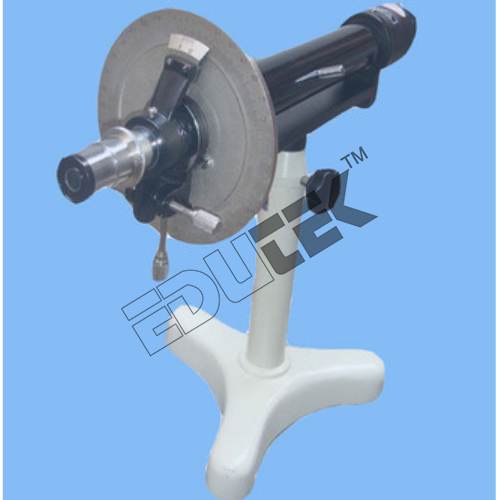
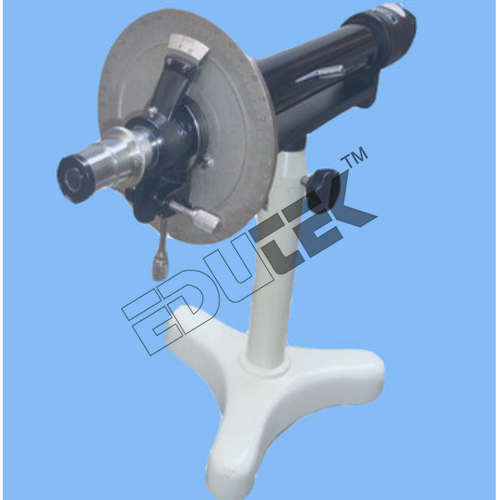
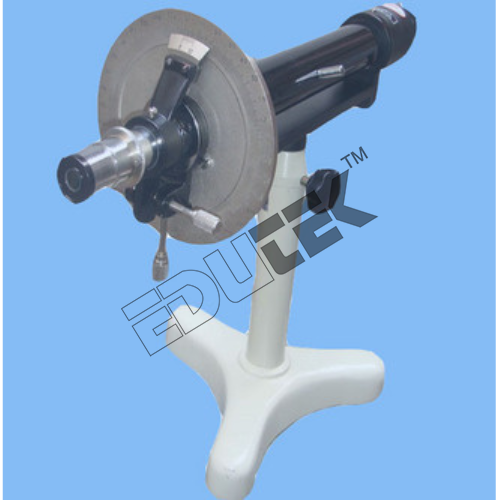
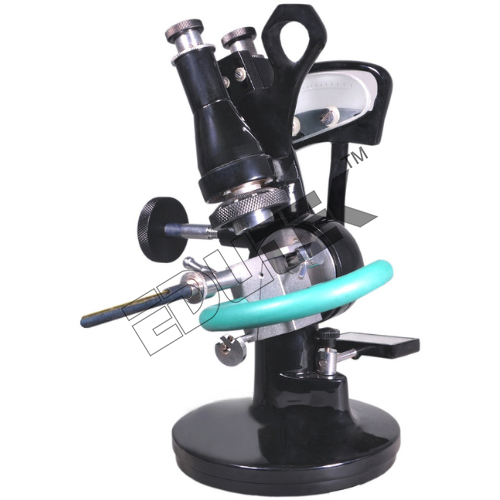
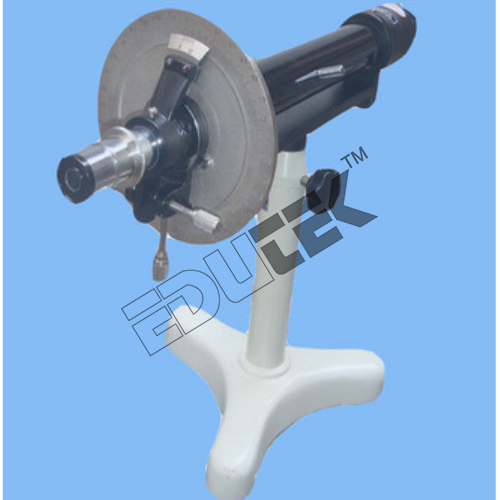
POLARIMETER (Bi-Quartz) ETMS-153
Analyzer brass scale graduated from 0-360 deg. or 0-180 deg. with vernier reading 6" and accomodates a 200 mm glass tube. It is packed in a card board box. High-Precision Measurement CapabilityThe polarimeter delivers outstanding accuracy, providing digital readings with 0.01 precision and conventional scale readings with 0.05. Its resolution caters to both rapid and detailed analyses, while the included calibration quartz plate ensures consistent and trustworthy results. The instrument covers a substantial optical rotation range, making it suitable for diverse chemical and quality control needs.
Designed for Versatility and DurabilityConstructed from a robust cast alloy and fitted with precision glass optics, this polarimeter withstands regular use in demanding laboratory environments. Its adjustable features, monocular rotatable head, and ergonomic design accommodate various user preferences. The instrument supports both AC and battery power, ensuring dependable operation in multiple settings, from teaching labs to fieldwork.
Ease of Use and MaintenanceFeaturing a direct rotary scale, vernier reading interface, and manual focus adjustments, this polarimeter is user-friendly for both students and professionals. Calibration is straightforward courtesy of the standard tube and supplied calibration plate. Maintenance is simplified with accessible replacement parts such as LED lamps and glass tubes, guaranteeing sustained accuracy and prolonged instrument life.
FAQs of POLARIMETER:
Q: How does the polarimeter determine the concentration of optically active substances?
A: The polarimeter measures the angle of optical rotation caused by passing polarized light through a sample placed in its glass tube. By analyzing this rotation, users can accurately determine the concentration of optically active compounds, such as sugars or drugs, following established calculation protocols.
Q: What is the process for calibrating the polarimeter before measurements?
A: Calibration is performed by inserting the supplied calibration quartz plate into the sample holder and adjusting the reading to match the known rotation value of the plate. This ensures measurement accuracy for subsequent sample analyses and should be conducted regularly, or before critical tests, for best results.
Q: When should the sample tube length be changed, and how is this done?
A: The standard tube length is 100 mm, but for higher sensitivity or specific sample requirements, tubes up to 200 mm can be used. Simply replace the standard tube with a longer one in the glass tube holder, ensuring it is properly aligned and secured using the leveling screws before proceeding with measurements.
Q: Where is this polarimeter best utilized and who benefits from its use?
A: This instrument is ideally suited for laboratories in the pharmaceutical, food, and chemical industries, as well as in educational institutions. Its accuracy and versatility make it beneficial for researchers, quality control analysts, and students learning about chiral substances and their analysis.
Q: What are the main benefits of using a polarimeter with both digital and scale readings?
A: Combining digital and scale readings provides users with flexible options for precision and speed. Digital readouts offer high-accuracy measurements, while the vernier scale allows rapid estimation and cross-verification, reducing the likelihood of errors and enhancing confidence in analytical results.
Q: How should the instruments illumination and optics be maintained?
A: The polarimeter features a replaceable 3V/1W LED lamp and precision glass optics. For maintenance, periodically clean the optical surfaces using a lint-free cloth and replace the LED lamp as needed. This ensures clear visualization and consistent operation over time.




 Send Inquiry
 Send Inquiry

