
EDUTEK INSTRUMENTATION
GST : 06AEWPJ6896D1ZU

Call us
07313726362
Call us
07313726362
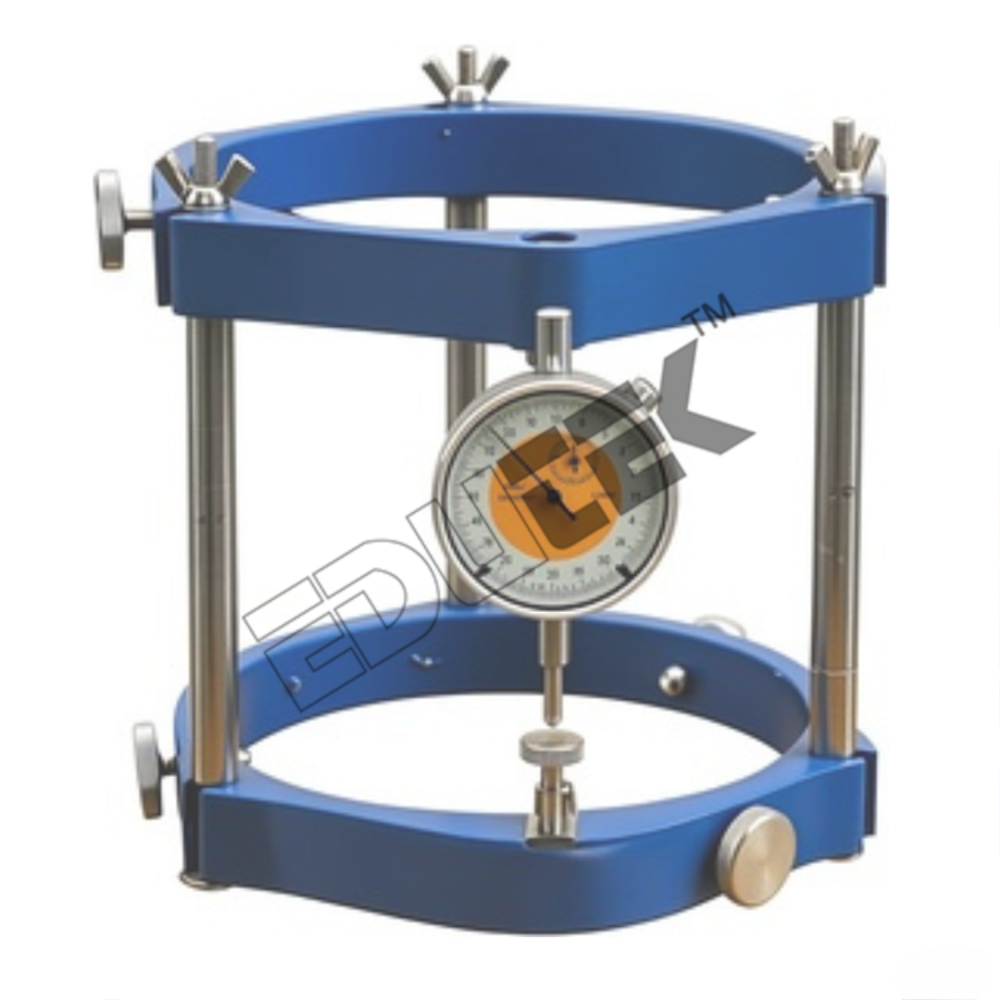
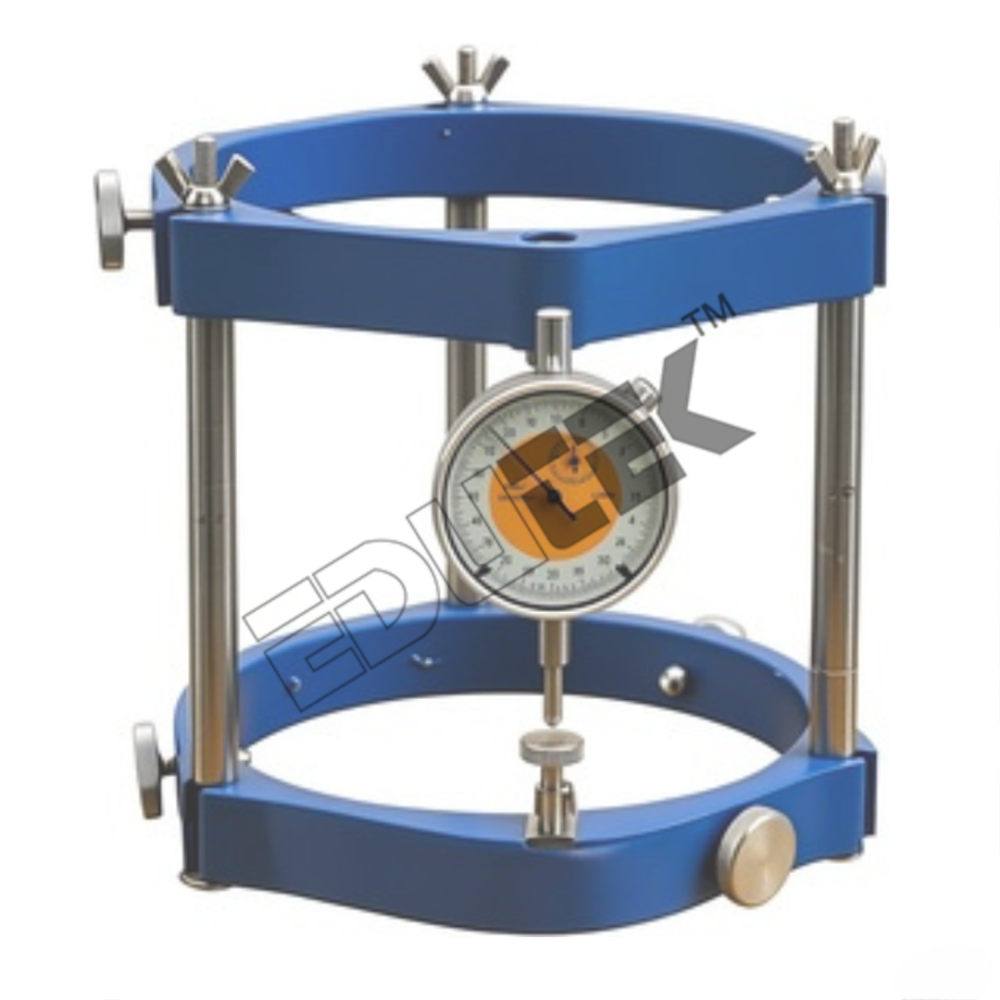
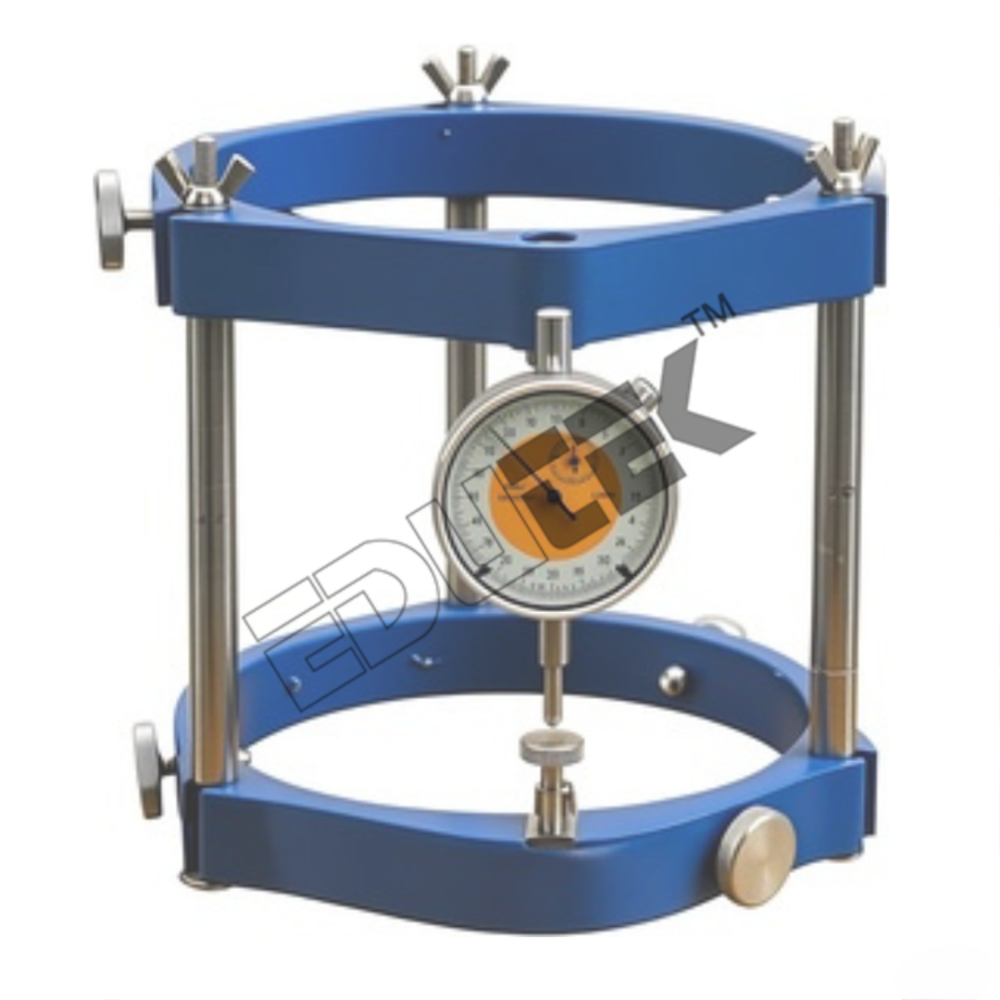
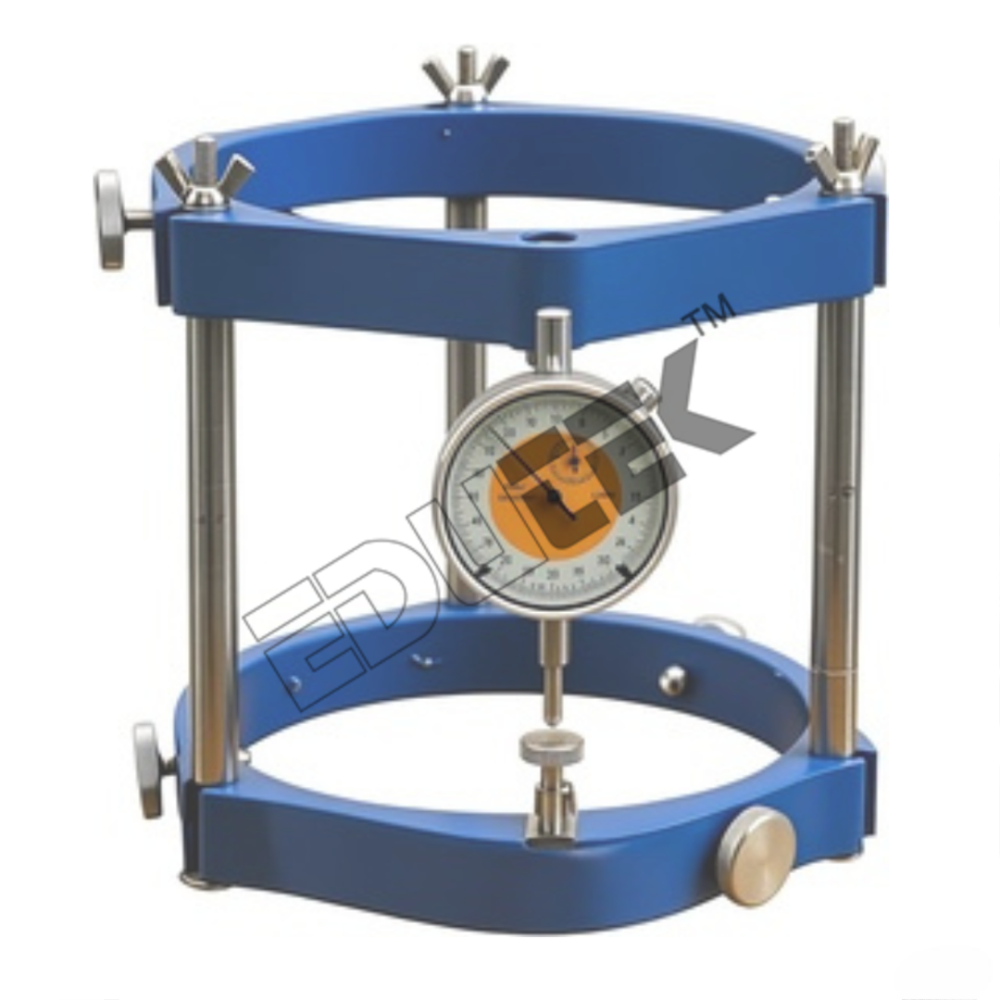
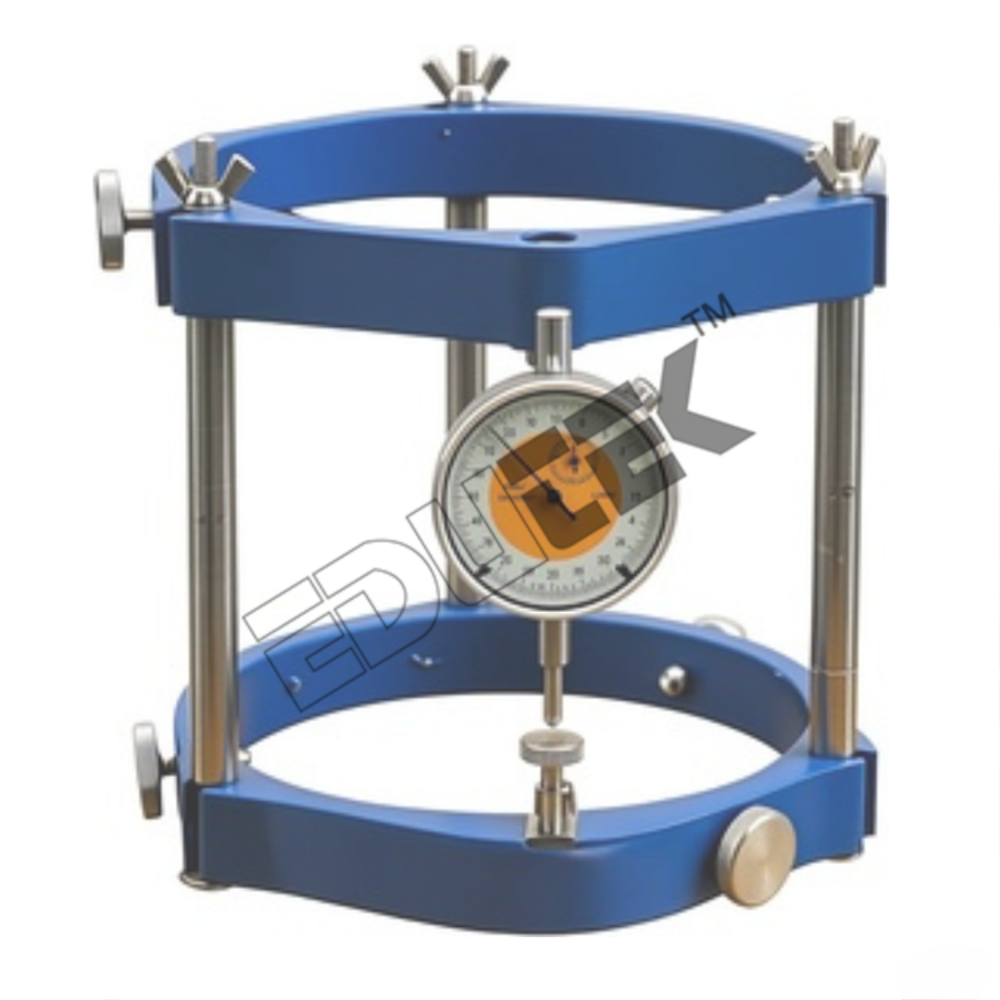
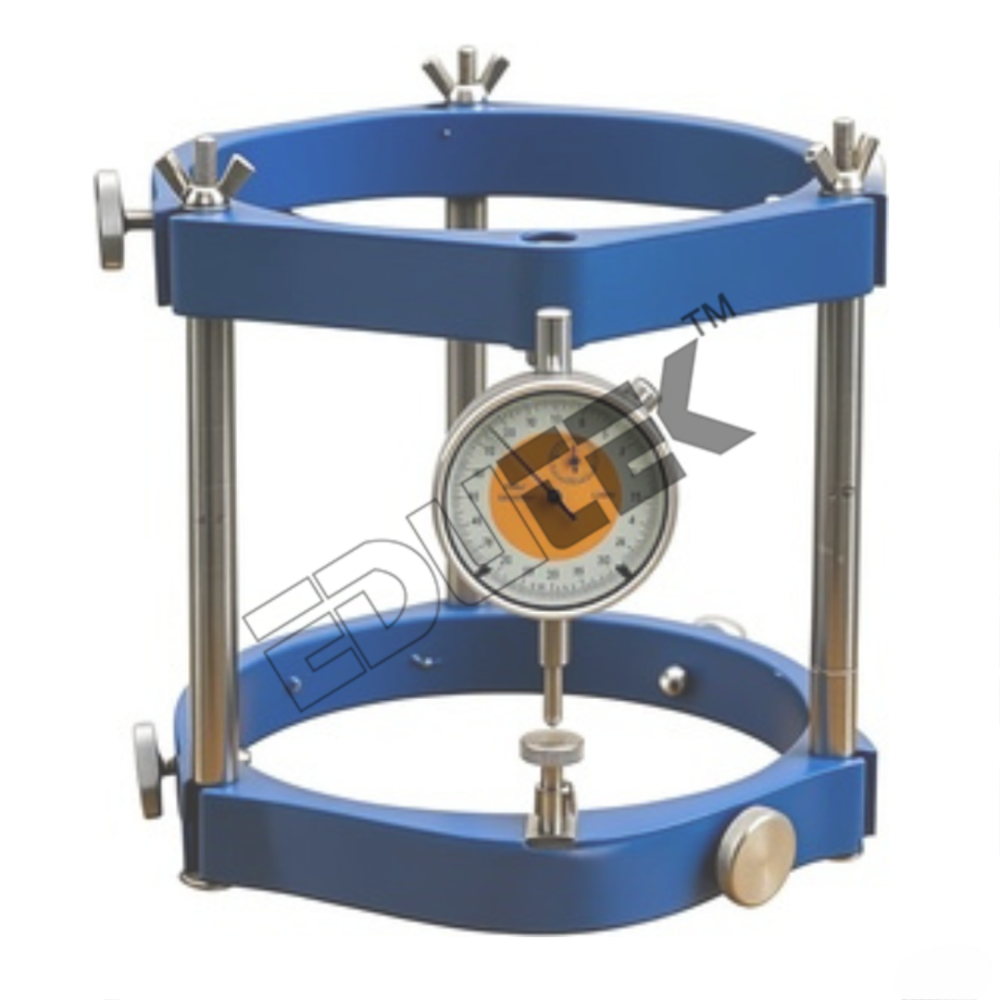
Longitudinal Compressometer
It is designed for finding out the deformation and strains on 15cms. Diameter and 30 cms high cement and concrete cylinders when subjected to compressive loads.
Specification :
Consists of a frame with a bottom ring and a top ring with tightening screws to firmly clamp the compressometer over the cylinder. A dial gauge. 002mm x 5mm is mounted on the upper ring and the tie of the dial gauge rests on an anvil. The zero on the dial gauge can be set by adjusting the anvil screw. Supplied in a wooden carrying case.

Price:
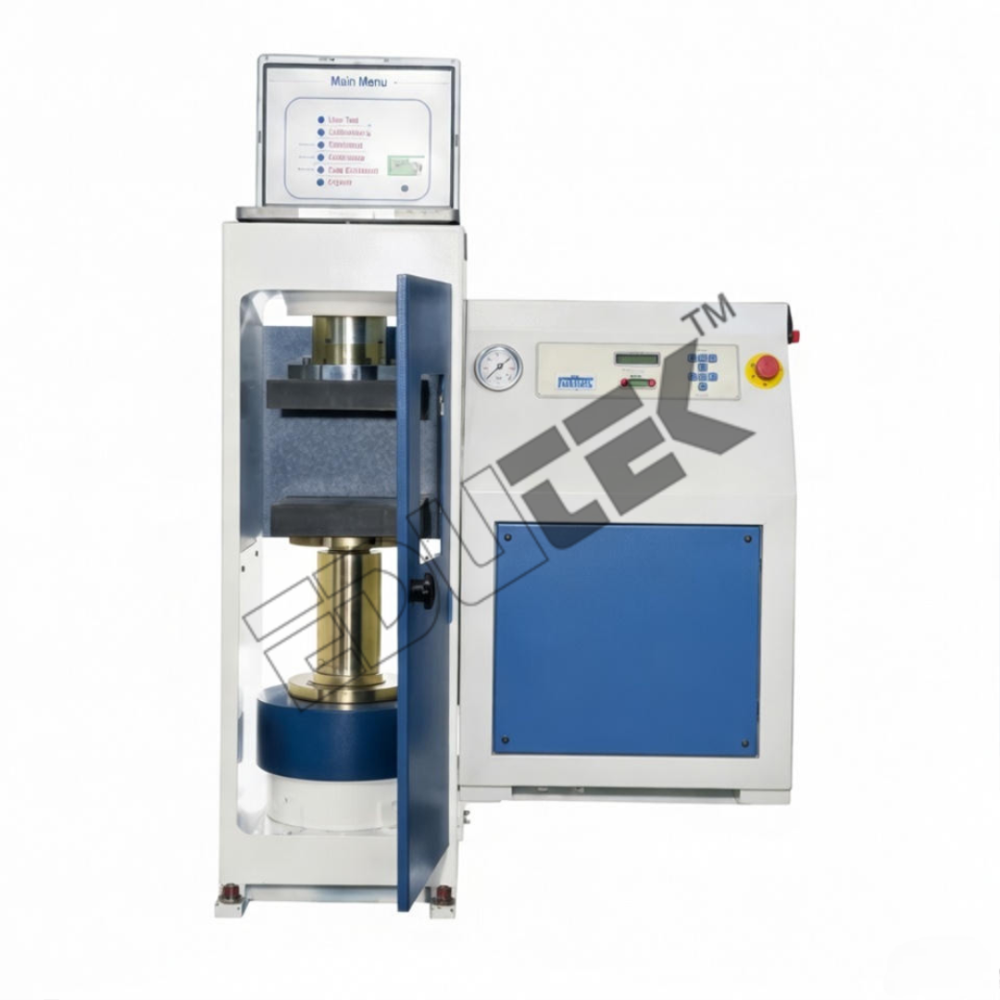
Price 10000.0 INR / Piece
Minimum Order Quantity : 1 Piece
Equipment Materials : Heavyduty Steel Body
Automation Grade : Automatic
Core Components : Hydraulic Pump, Load Cell, Control Panel, Cylinder
Usage : Testing Compressive Strength of Concrete Cubes & Cylinders
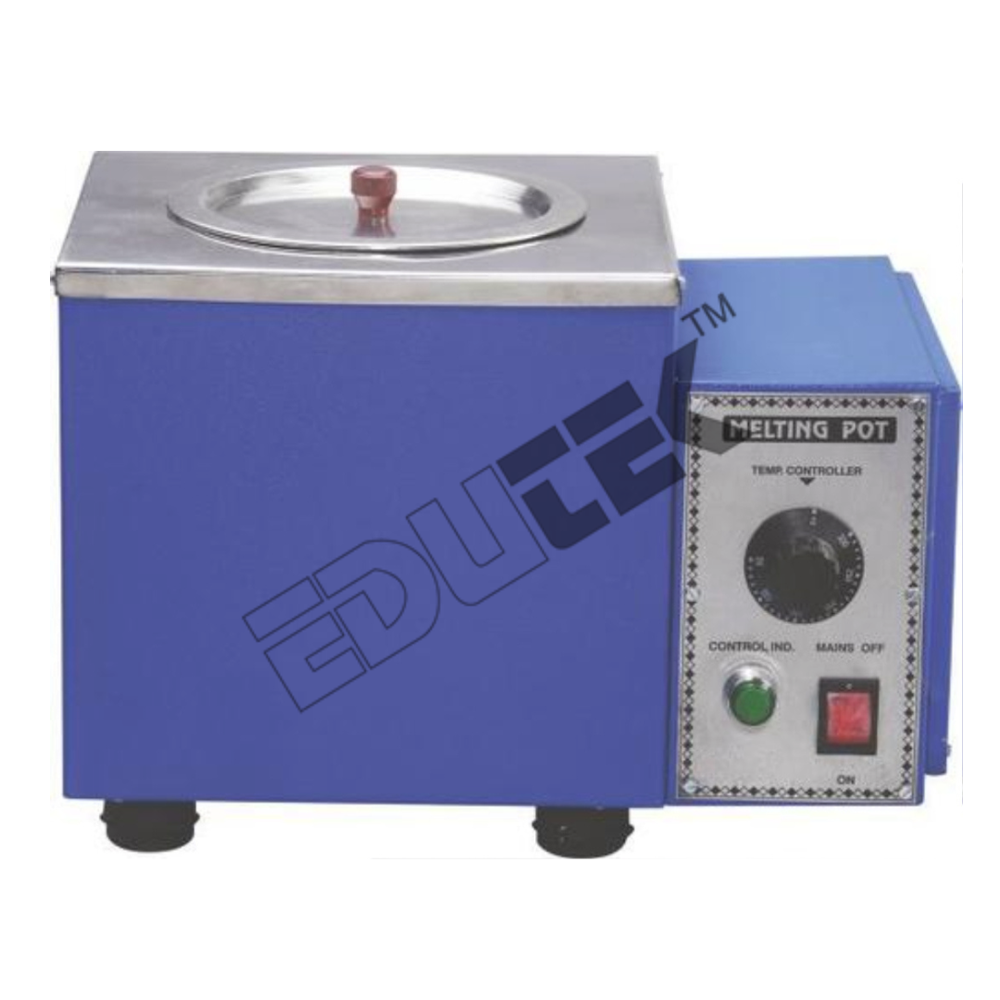
Price 2000.0 INR / Piece
Minimum Order Quantity : 1 Piece
Equipment Materials : Stainless Steel (SS)
Automation Grade : Semi Automatic
Core Components : Crucible, Heating Element, Controller
Usage : Industrial Laboratory Melting
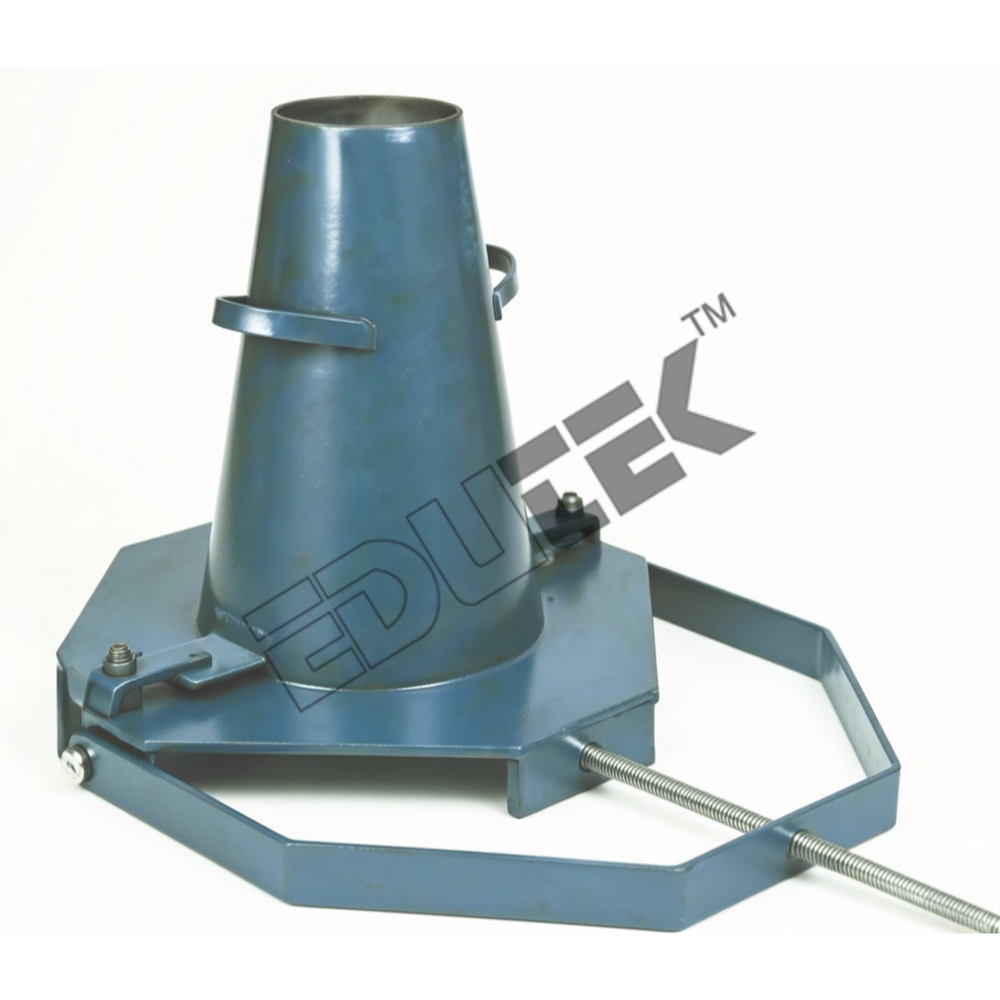
Price 1000.0 INR / Piece
Minimum Order Quantity : 1 Piece
Equipment Materials : Mild Steel Cone with Chrome Plated Steel Base
Automation Grade : Manual
Core Components : Slump Cone, Base Plate, Tamping Rod
Usage : Measurement of Slump in Fresh Concrete
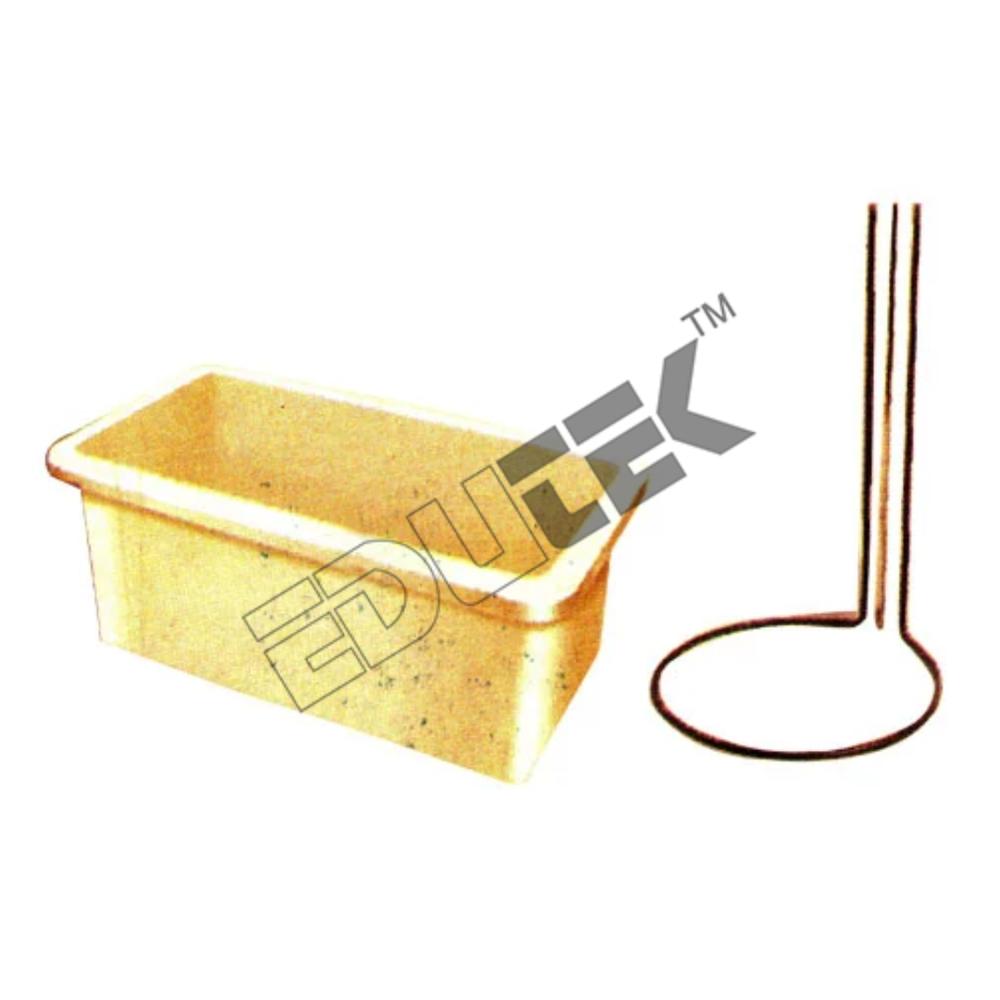
Price 300.0 INR / Piece
Minimum Order Quantity : 1 Piece
Equipment Materials : HighDensity Polyethylene (HDPE)
Automation Grade : Manual
Core Components : Tank body, Lid/Cover
Usage : Curing of concrete test specimens such as cubes and cylinders

 Send Inquiry
 Send Inquiry

