
EDUTEK INSTRUMENTATION
GST : 06AEWPJ6896D1ZU

Call us
07313726362
Call us
07313726362
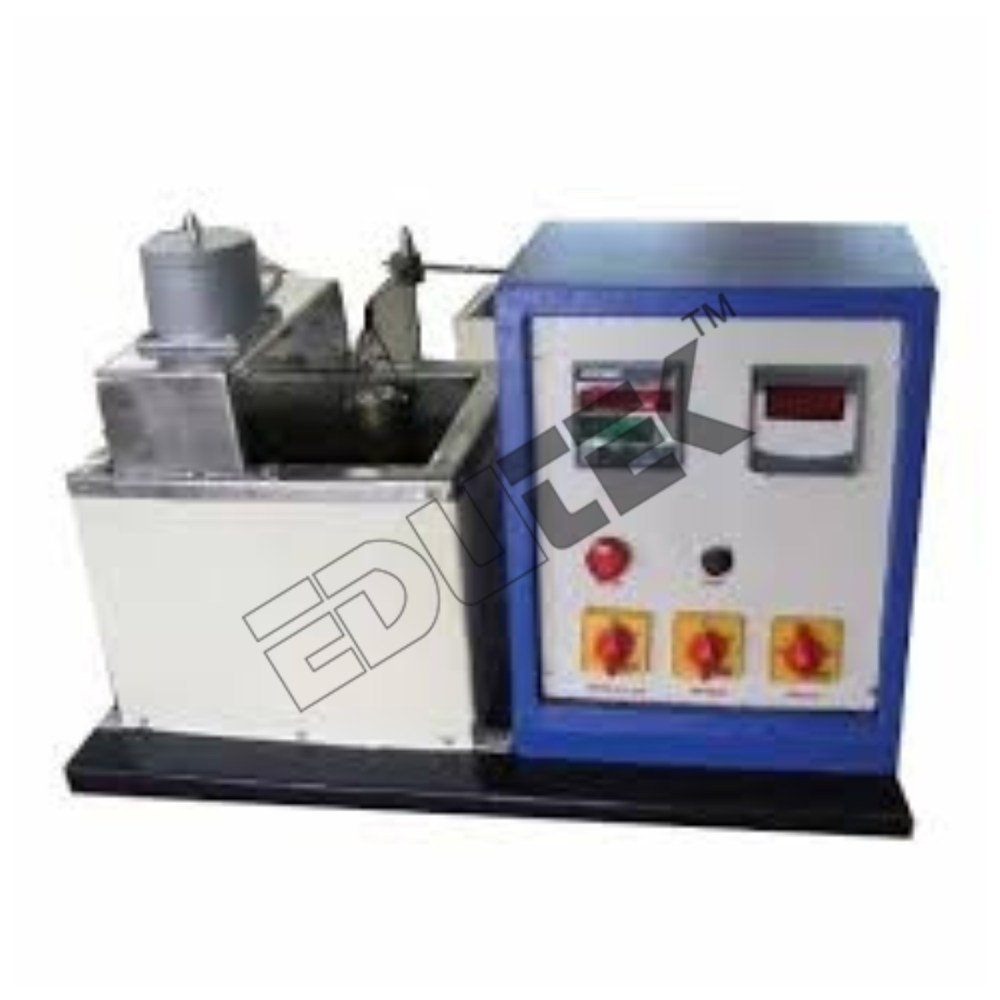
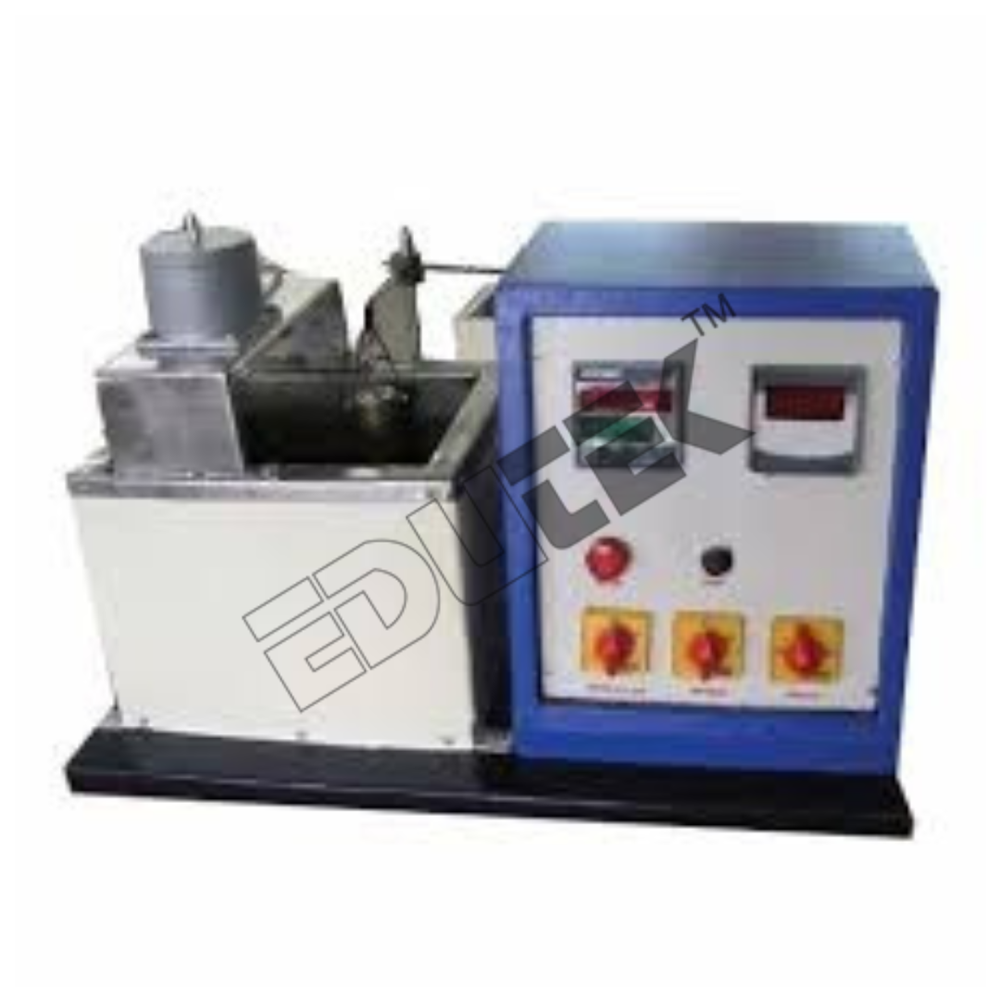
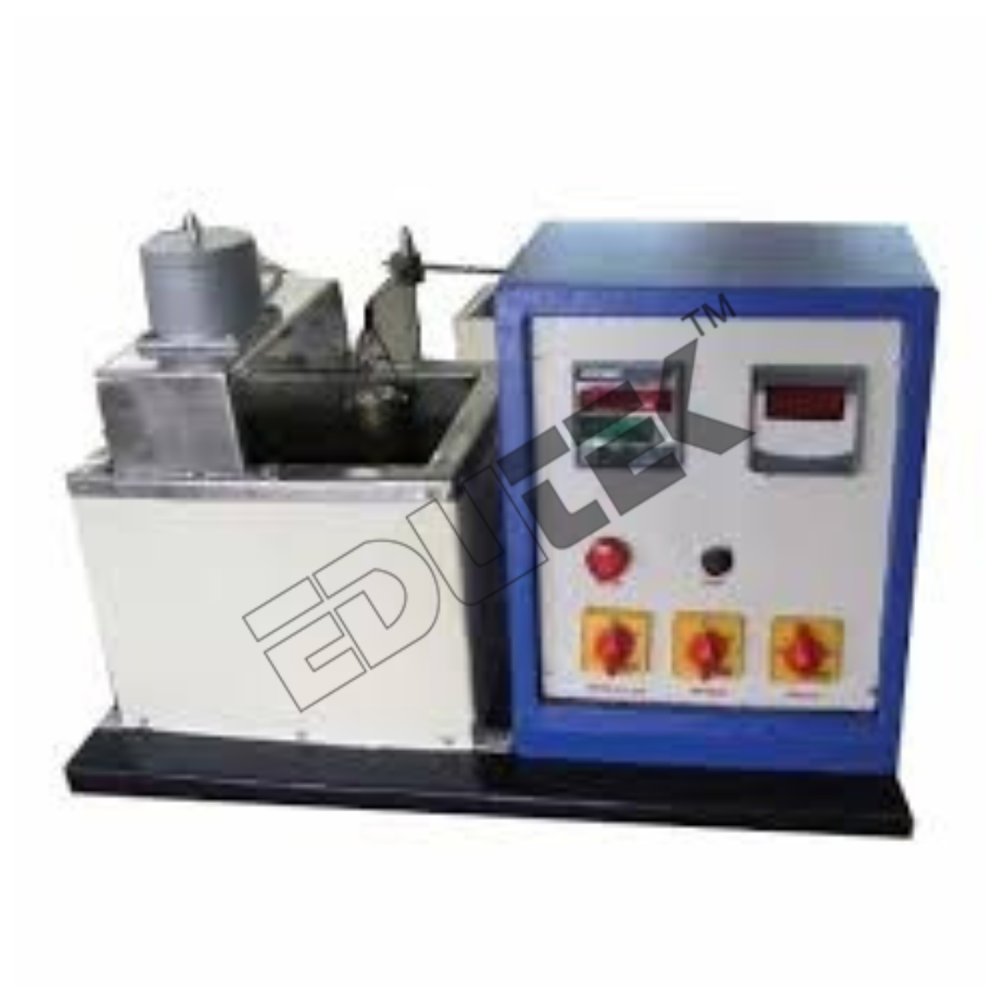
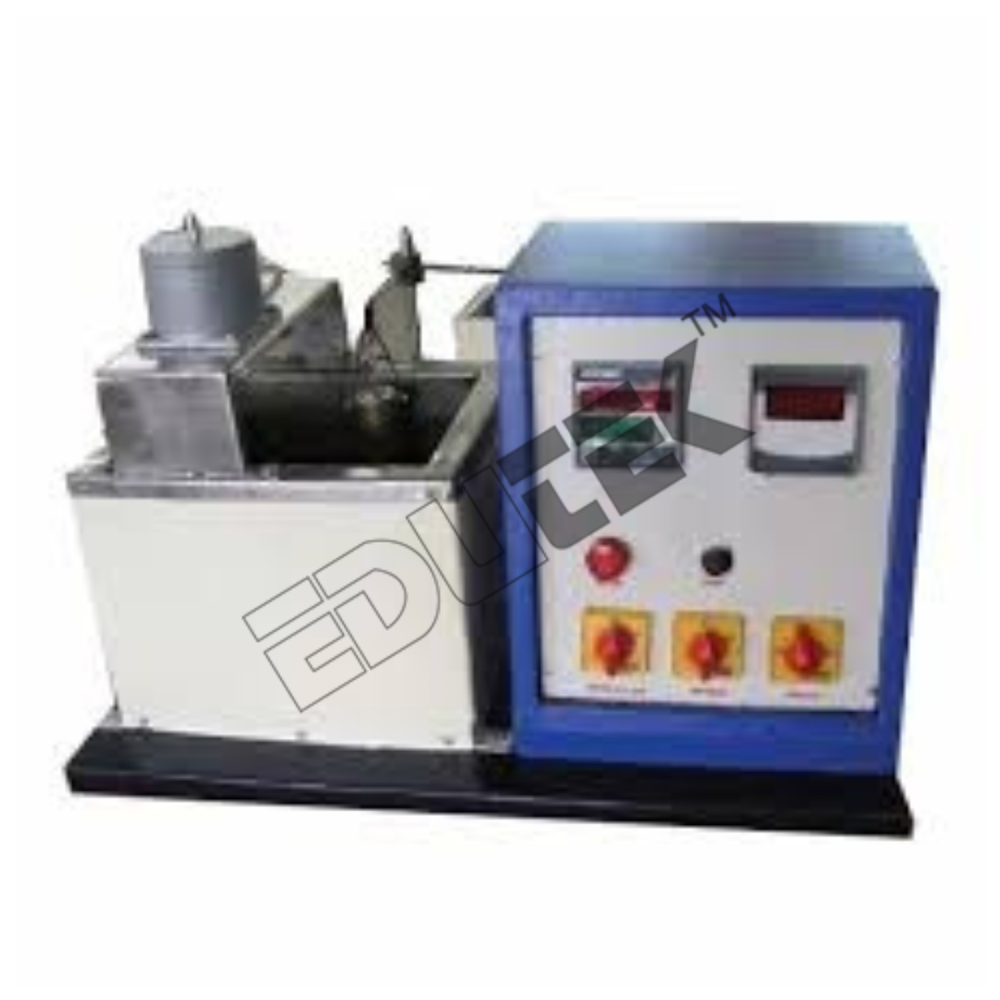
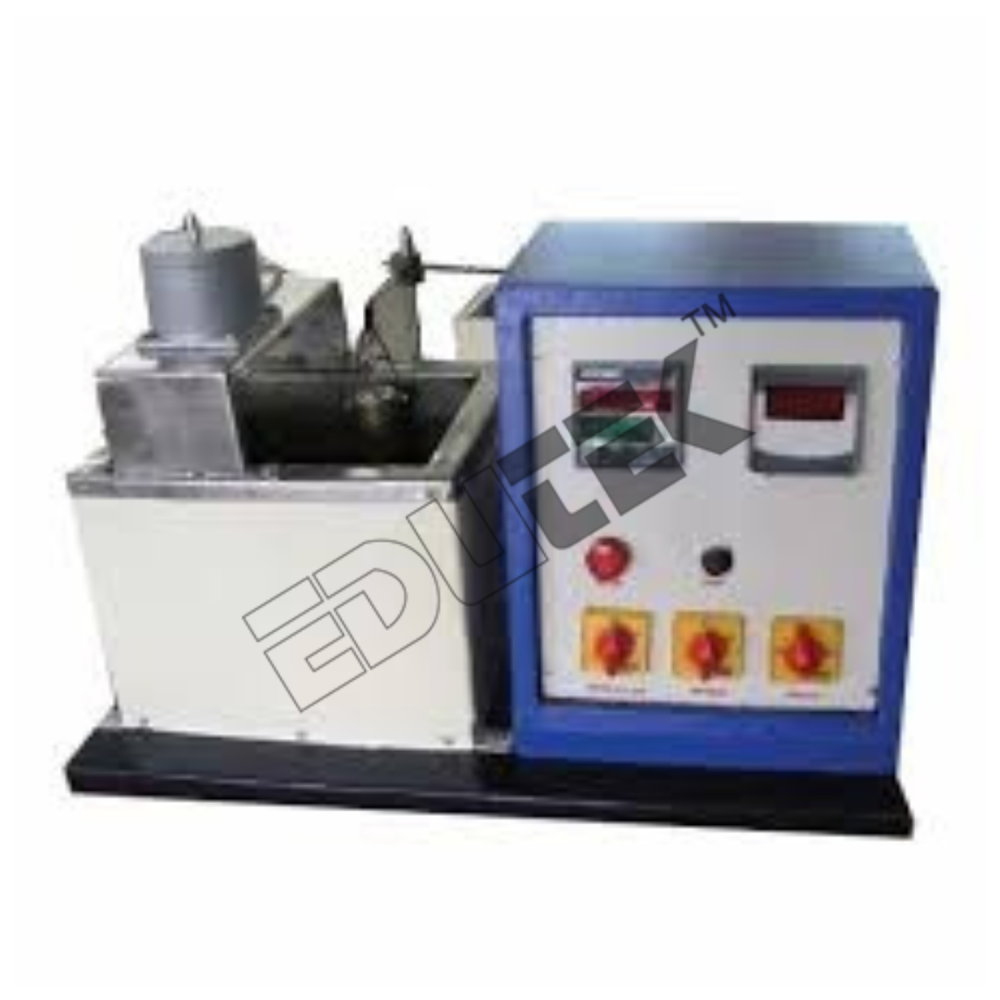
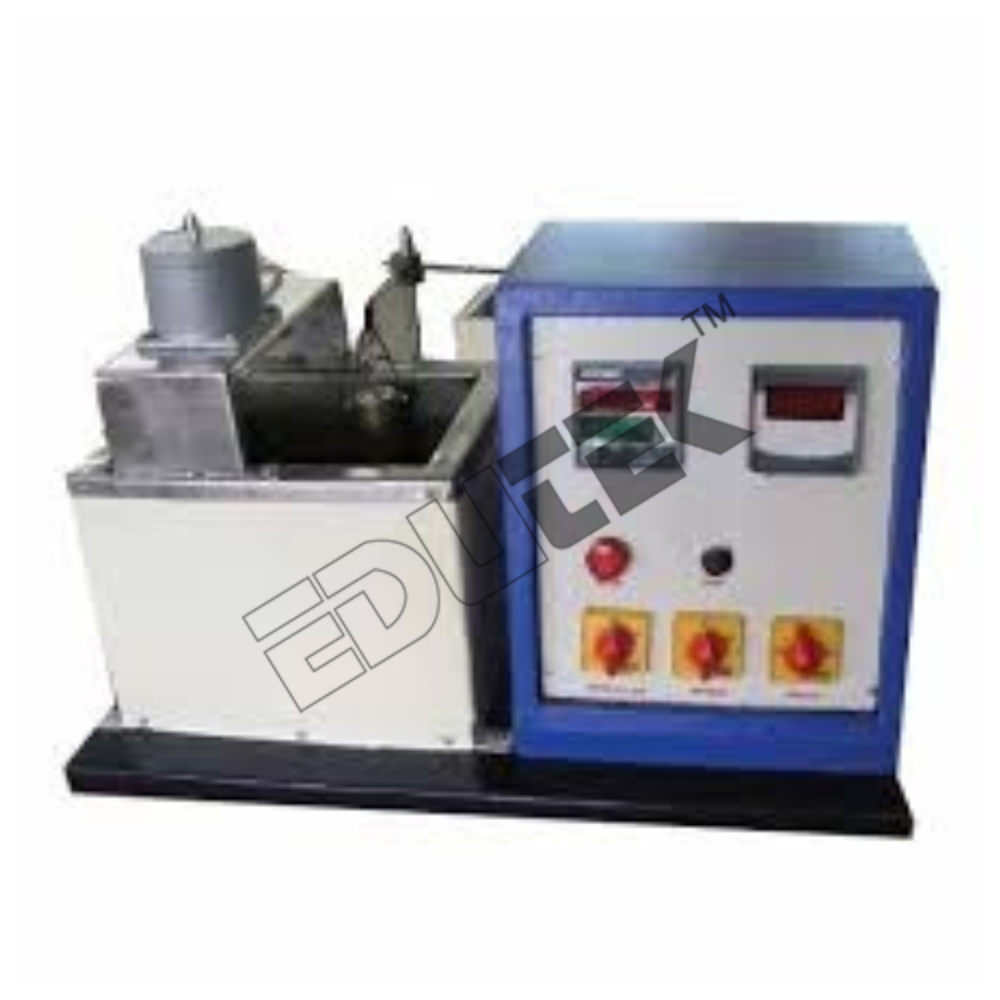
Heat Transfer in an Agitated Vessel
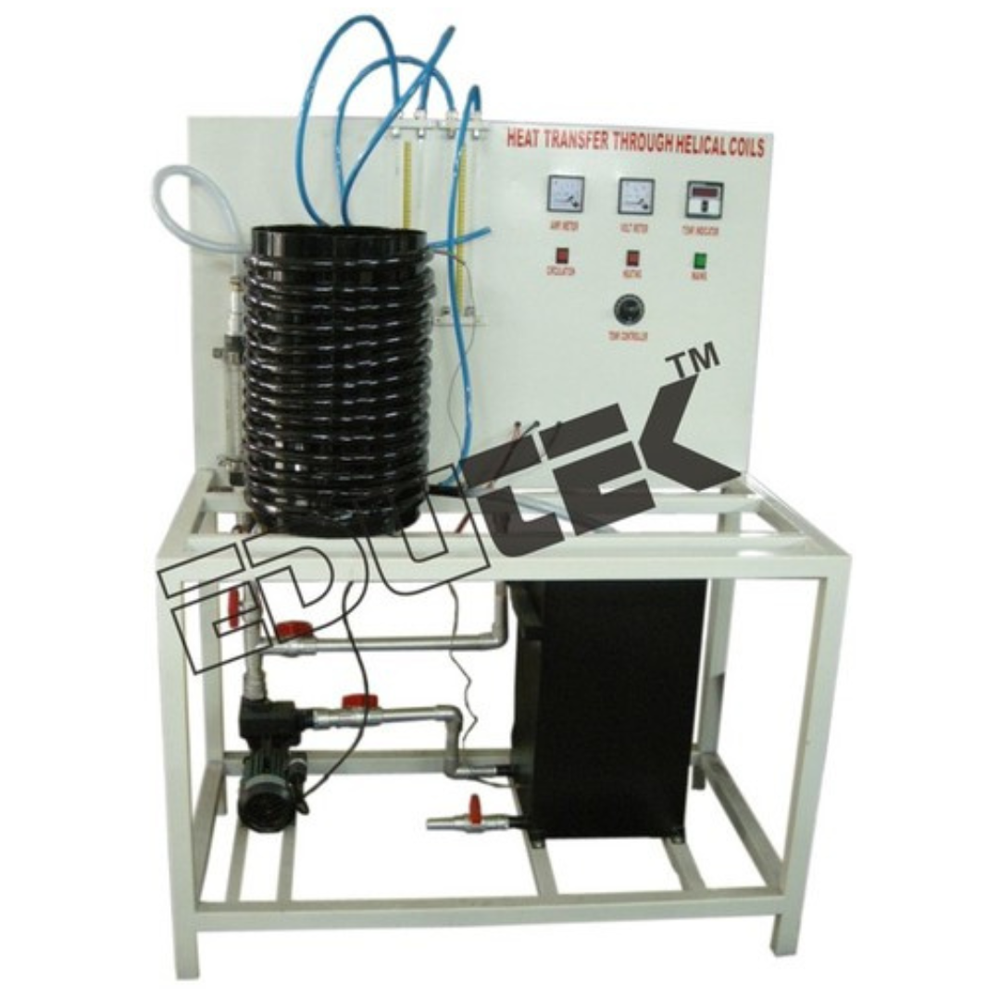
In most industrial processes including reactors, heat is to be added or extracted to control the process. The addition and removal of heat is done by passing steam or water in a jacket fitted to the outside of the vessel or passing steam or cold water in helical coil inside the vessel. For effective heat transfer and even distribution of heat, the liquid inside is continuously agitated. The present set-up offers us a comparative study of Jacket & Helical coil, which can be operated simultaneously. It is a stainless steel jacketed vessel with helical coil of copper is fitted inside. The unit consists of a vessel with class wool insulation ail around. A helical coil made of copper is fixed inside the vessel. A motorized agitator is fixed at the center of the coil. The vessel is provided with an electric heater and a controller is also provided for vessel. Heater heats water in the jacket while cold water is circulated through coll. Temperature of circulated water and water In vessel Is measured and thus heat transfer coefficient at various agitator speeds can be determined.
Specifications :
Vessel approx. 20 lit. capacity, provided with glass wool insulation all around and electric heater at the bottom.Agitator 150 mm dia, with 1/8 HP motor to drive the agitator.Helical coil - 200 dia, 8 turns, made of 3/8" dia. copper tube.Controllers for heater and agitator motor.Temp. Indicator for vessel water temperature and circulated water inlet and outlet.
Service required.

Price:
Minimum Order Quantity : 1 Piece
Power Source : Electric
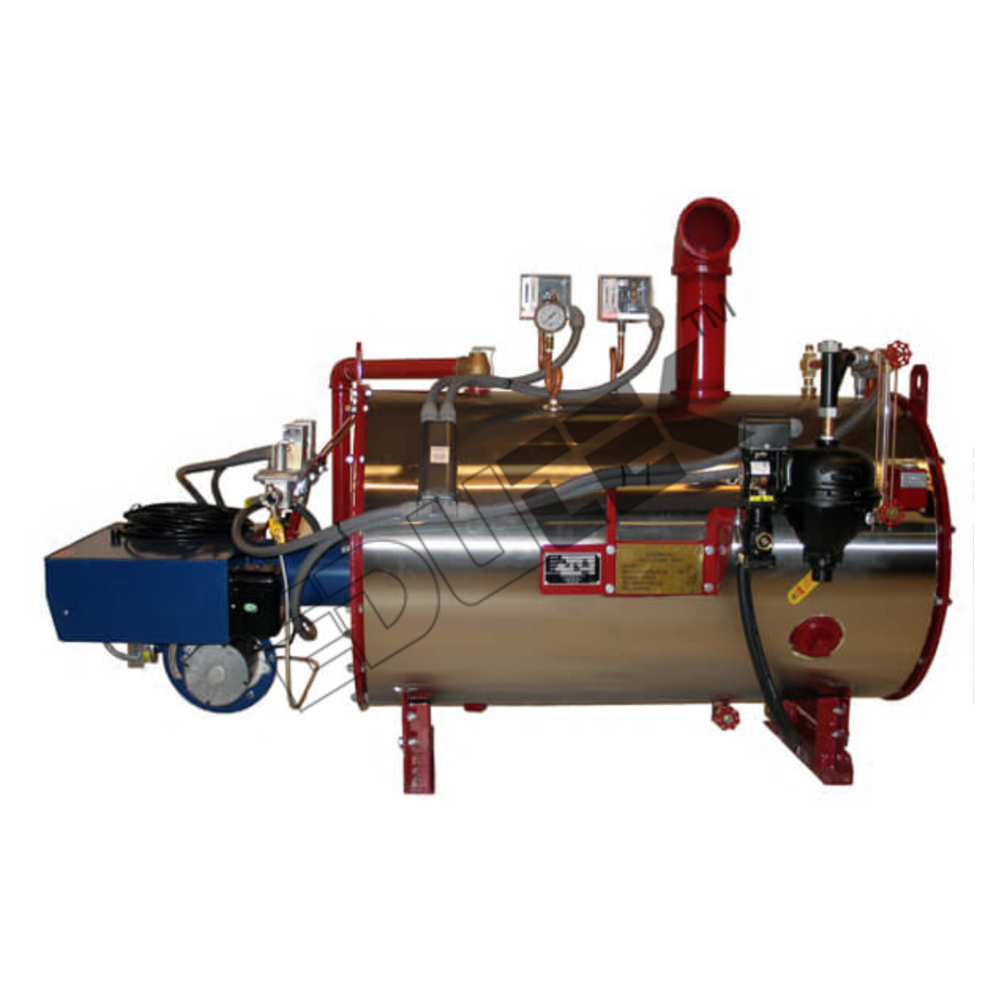
Usage : Industrial/Commercial/Residential Steam Generating Applications
Type : Electric Steam Generator Unit
Accuracy : 1 C C
Minimum Order Quantity : 1 Unit
Power Source : Electric (for pump operation)
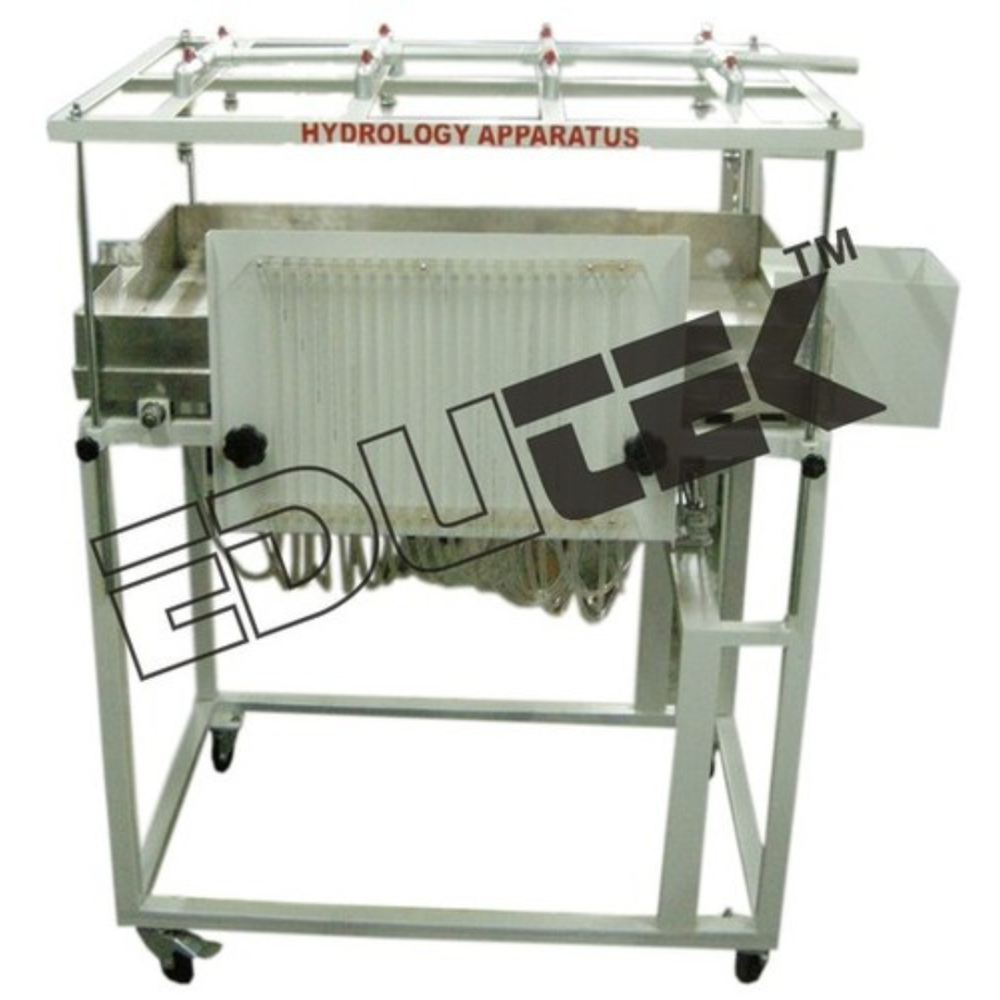
Usage : Laboratory experiments in hydrology and fluid mechanics, education and research
Type : Basic Hydrology Apparatus
Accuracy : 1% of full scale %

Minimum Order Quantity : 1 Piece
Power Source : Electric
Usage : Heat Transfer Laboratory Equipment
Type : Laboratory Scale
Accuracy : 1C (Temperature measurement)
Minimum Order Quantity : 1 Unit
Power Source : Not Required (Passively operated by external circulating fluid)
Usage : Laboratory Fluid Heating/Cooling, Educational Demonstrations
Type : Flow Through Helical Coil
Accuracy : 1 C (with suitable temperature measurement device) C

 Send Inquiry
 Send Inquiry

