About Fume Hood
Specifications of Fume Hood
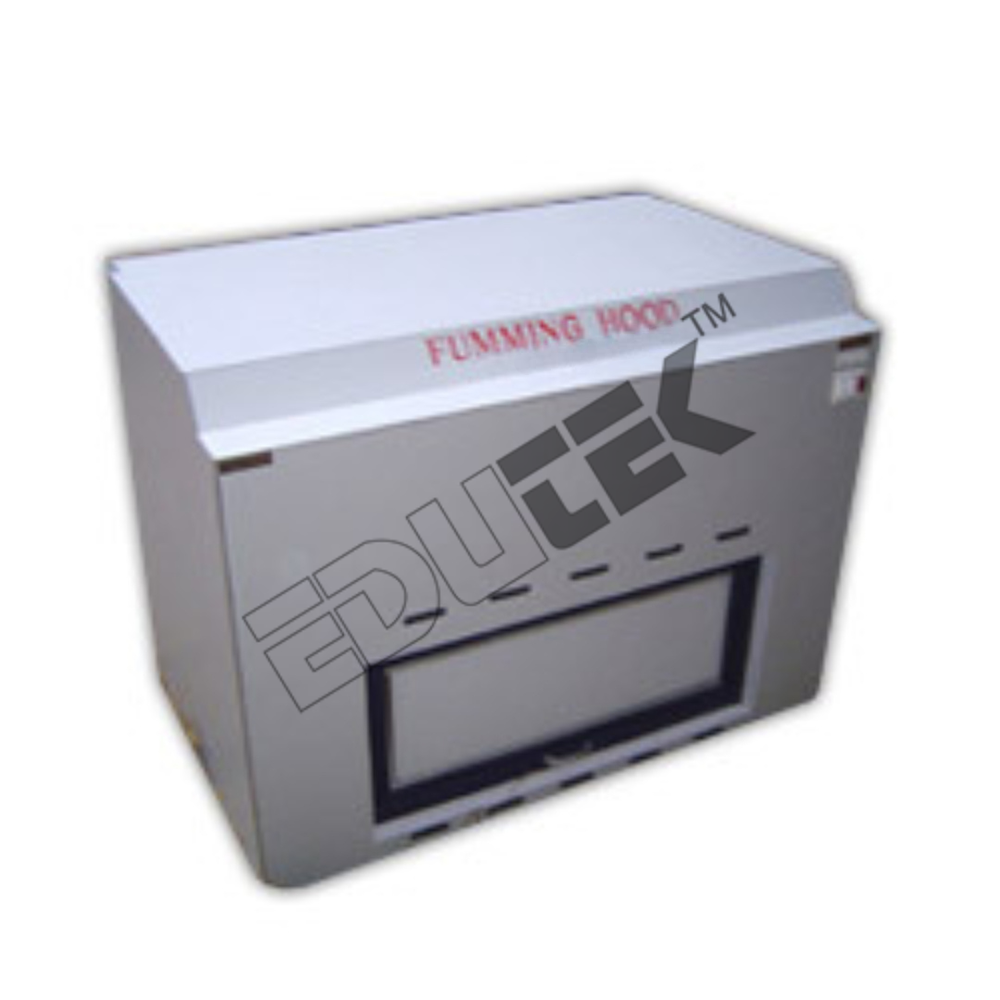
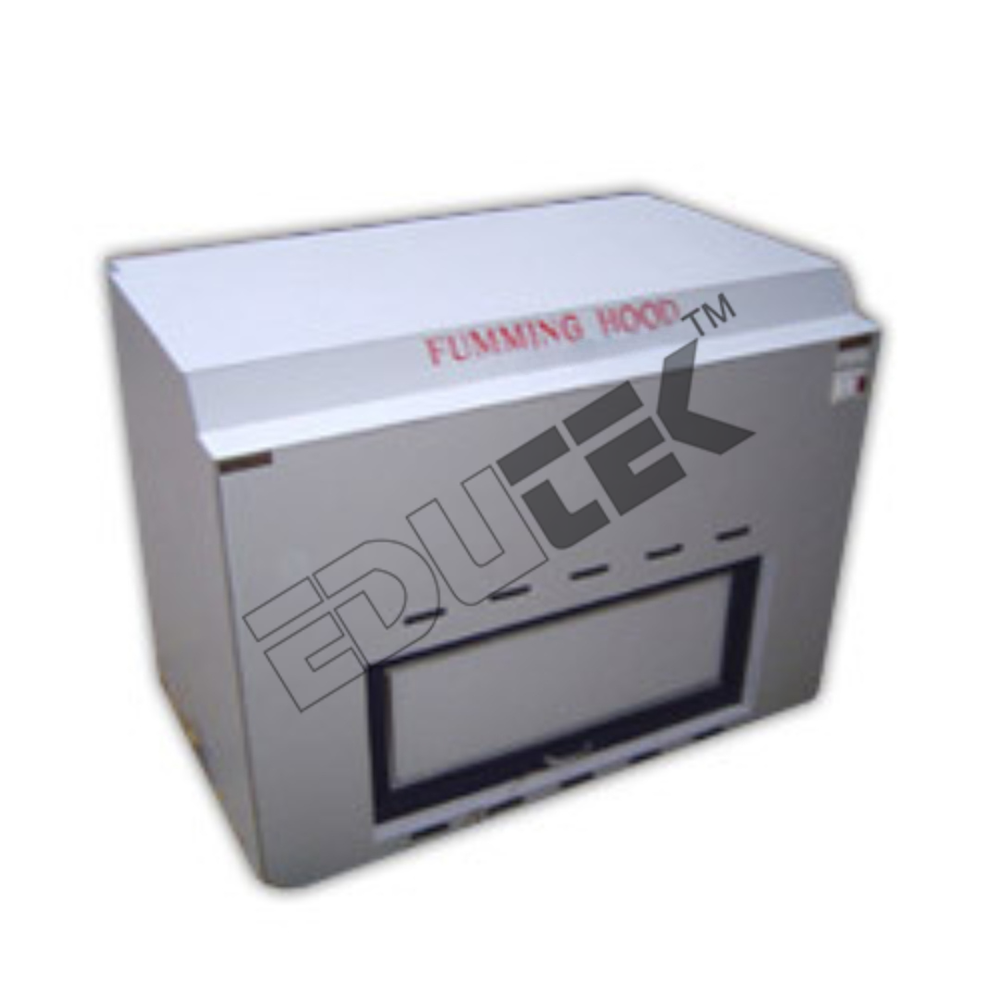
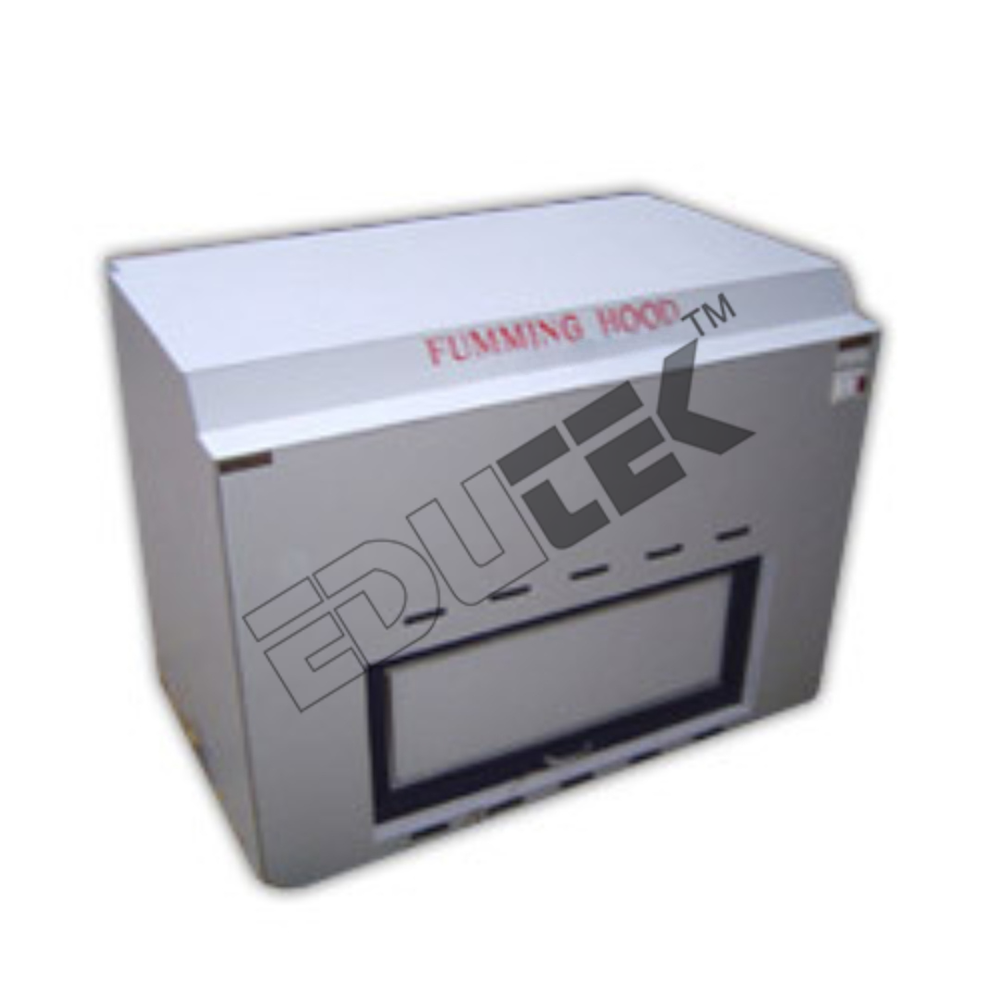
Wooden with sunmica. basic unit with table, with F.R.P. wall lining, flourscent light, complete with exhaust system, fume duct PVC (PRF)
Working Area : 2' x 2' x 2' , 3' x 2' x 2'
Effective Fume Extraction and SafetyDesigned with a powerful exhaust system and robust air velocity, this fume hood ensures the safe removal of toxic fumes, vapors, and particulates. The vertical sliding toughened glass sash minimizes exposure while allowing ample viewing, maintaining a safe work environment for laboratory personnel.
Durable and Chemical-Resistant ConstructionConstructed from mild steel with an epoxy powder coating, the fume hood offers outstanding chemical and corrosion resistance. The granite or phenolic resin worktop withstands harsh reagents, making it suitable for rigorous laboratory work and guaranteeing long-lasting durability.
User-Friendly Features for Enhanced FunctionalityEquipped with fluorescent lighting, two power sockets, and a built-in polypropylene sink and tap, this fume hood integrates practical features to support a range of laboratory processes. Optional accessories such as gas taps, air flow monitor, and UV light can be added to further customize laboratory safety and workflow.
FAQs of Fume Hood :
Q: How does the fume hood ensure safe ventilation in laboratory environments?
A: The fume hood utilizes a powerful blower motor and PVC ducting to maintain an air velocity of 0.4-0.6 m/s at the face opening, effectively capturing and exhausting hazardous fumes, minimizing exposure to toxic substances, and protecting laboratory users.
Q: What makes the construction of this fume hood suitable for chemical laboratories?
A: The fume hood is built from mild steel with an epoxy powder coating, offering chemical resistance and preventing corrosion. Its worktop, made from either granite or phenolic resin, also resists chemical spills and damage, making it ideal for frequent lab use.
Q: When should a laboratory use this type of fume hood?
A: This fume hood is recommended whenever handling volatile chemicals, toxic fumes, or hazardous materials that require controlled ventilation. It is suitable for daily use in analytical, educational, and chemical laboratories.
Q: Where should the fume hood be installed for optimal performance?
A: For best results, the fume hood should be installed in a well-ventilated area away from heavy traffic or doorways, ensuring unobstructed airflow. Ensure the exhaust system is connected properly to external ventilation infrastructure.
Q: What process is followed for routine maintenance of the fume hood?
A: Routine maintenance involves inspecting and cleaning the blower motor, PVC ducting, and work surfaces regularly, checking for any obstructions or wear, testing air velocities, and replacing filters or light bulbs as necessary to maintain optimal performance.
Q: How do the user-friendly features benefit daily laboratory operations?
A: Features such as fluorescent internal lighting, built-in sink and water tap, dual electrical sockets, and the transparent toughened glass sash streamline laboratory workflows, enhance safety, and improve user comfort during extended use of the fume hood.




 Send Inquiry
 Send Inquiry

