About Flexural Testing Machine
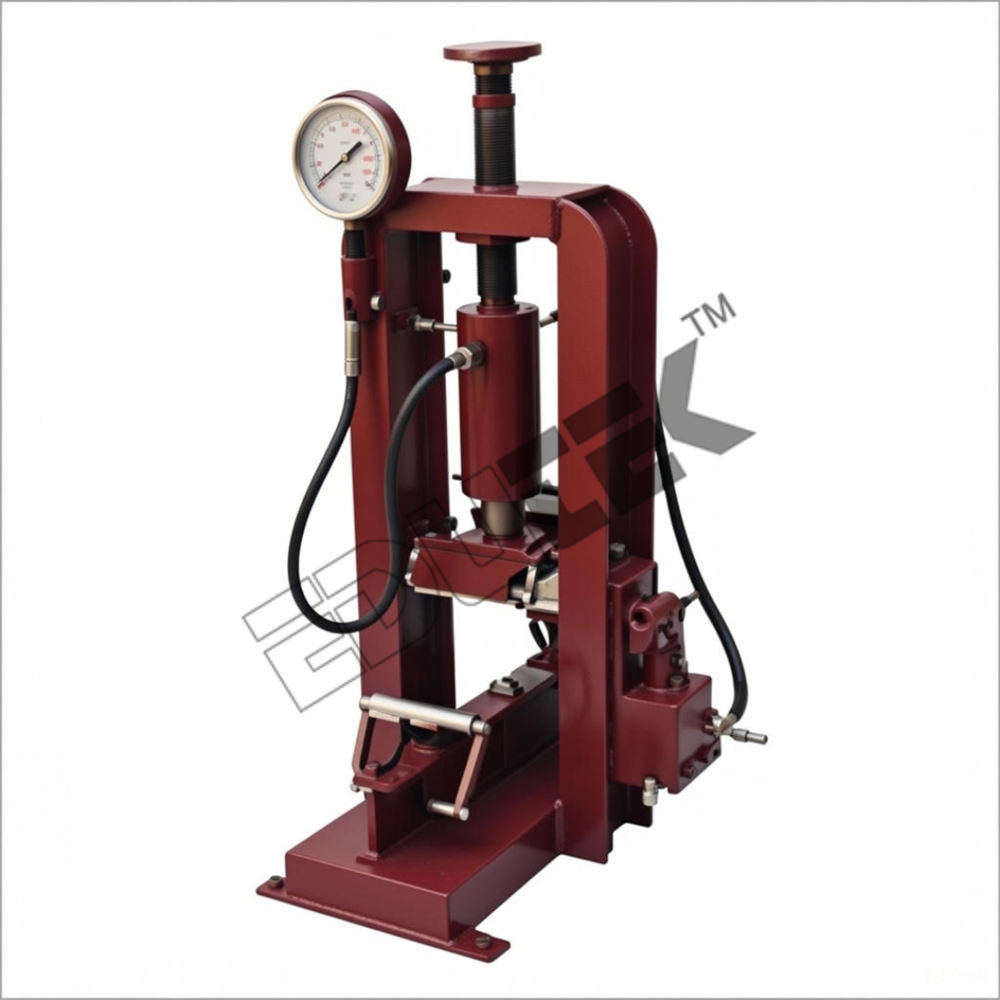
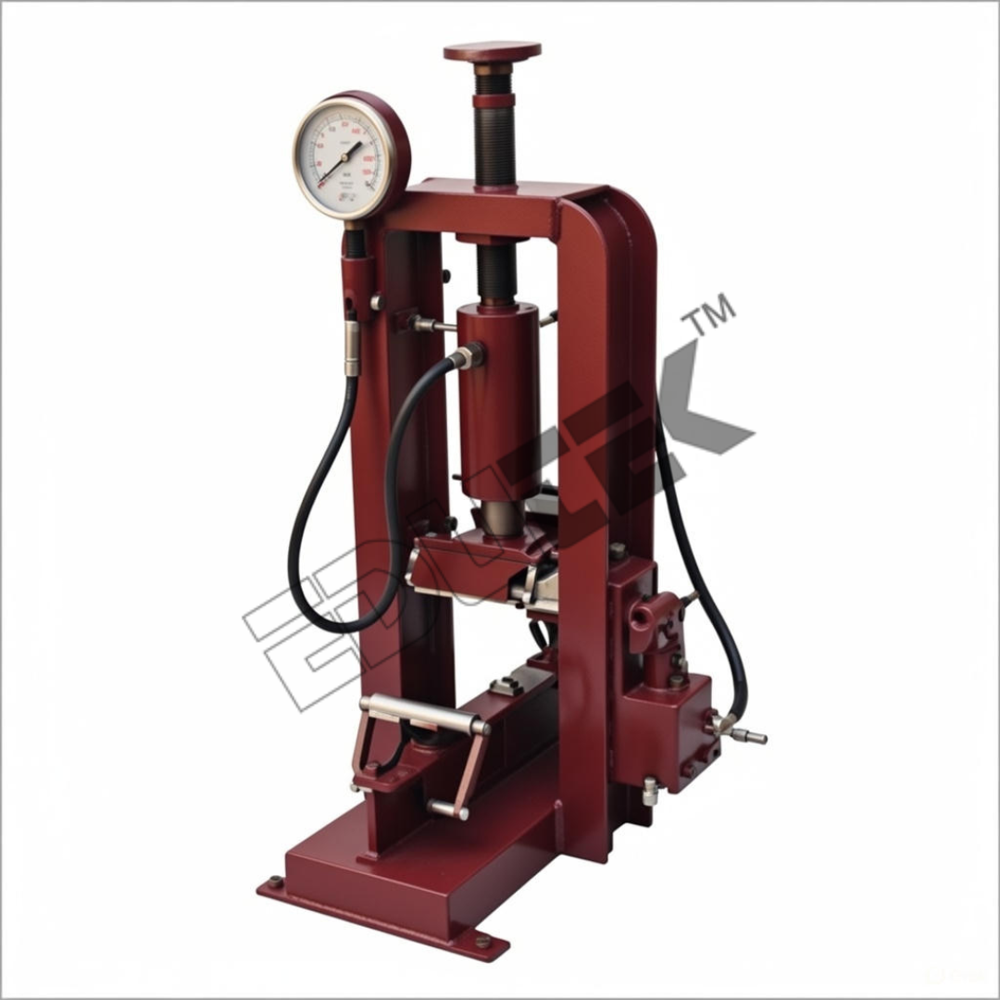
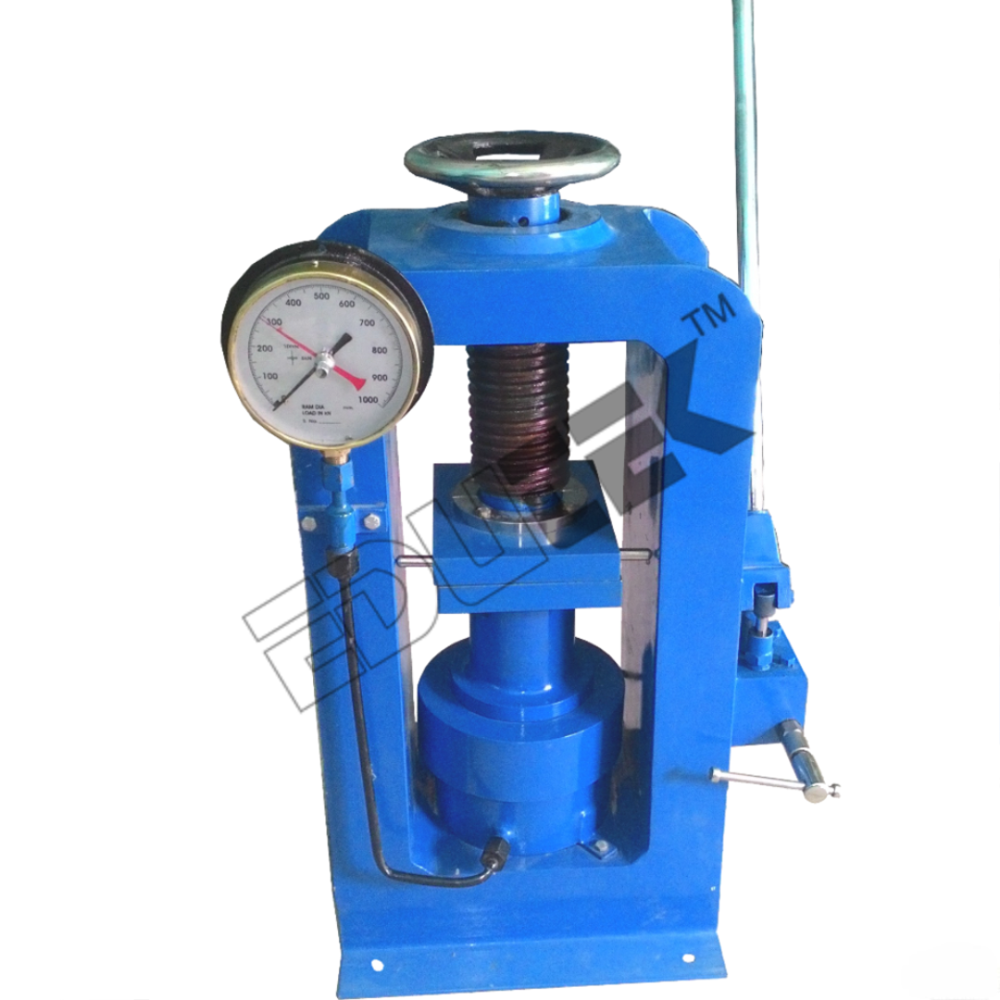
Flexural Testing Machine (Hand Operated)The machine consists of a hand frame. The lower platen has two rollers the distance between which is adjustable For 150 mm x 150 mm x 700 mm beam, the centre distance between rollers is 600 mm, while it is 400 mm for beams of size 100mm x 100mm x500mm. The upper platen has also a pair of rollers whose distance is adjustable. It is 200mm centre to centre, for 150mm x 150mm x 700mm size beam and 133 mm for 100 mm x 100 mm x 500 mm size beam. A pressure gauge to indicate load is fixed on the load frame. A small pumping unit is attached to the load frame. Total capacity of the machine is 100 KN and a 150mm dia pressure gauge 0-100 KN x 1 KN is fitted on the machine Since this is a hand operated light weight machine, its is useful for field laboratory also.
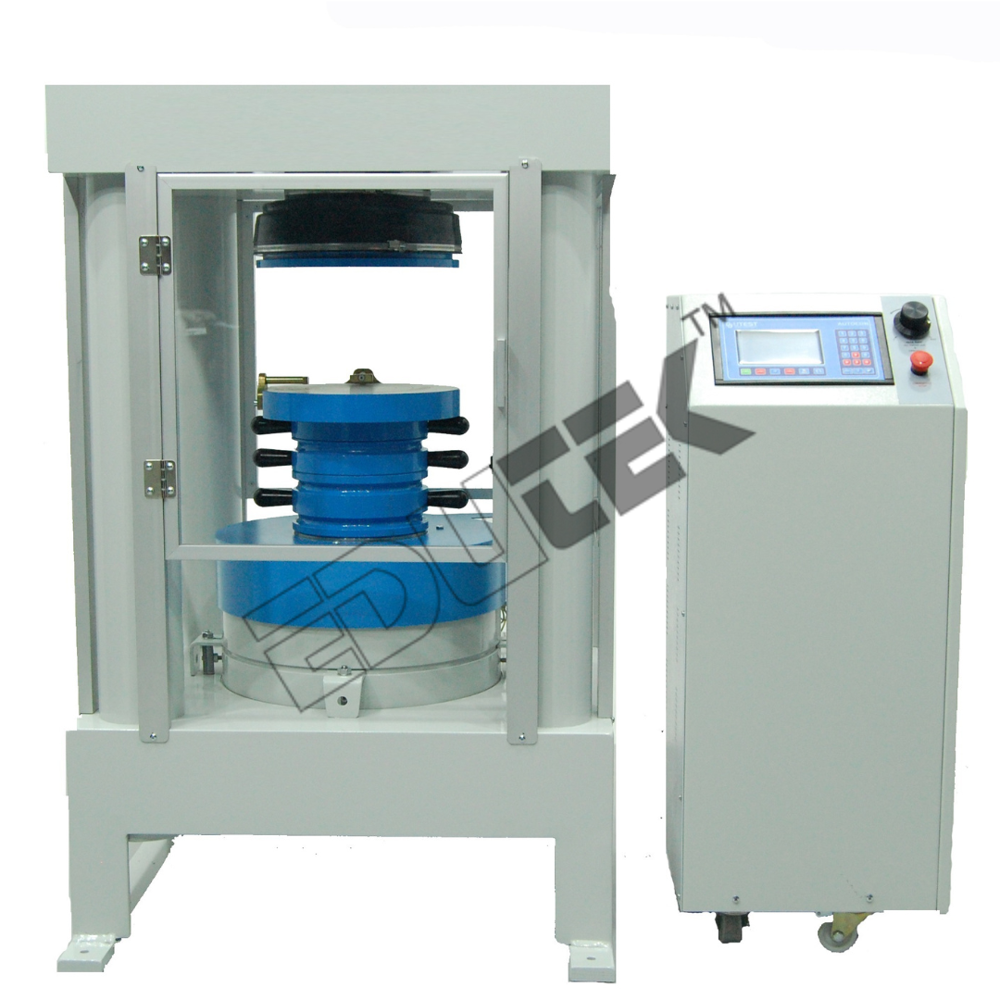
Versatile Configurations and Standards ComplianceThe Flexural Testing Machine supports multiple test standards, including IS 516, ASTM C78, ASTM C293, and EN 12390-5. Its adaptable design makes it suitable for laboratories conducting routine or research-based evaluation of construction materials. Capacity options up to 200 kN and adjustable span ensure compatibility with a variety of sample sizes and testing scenarios.
Easy Operation and High Safety StandardsEngineered for user convenience, the machine is equipped with intuitive controls, a choice of manual or automatic load rate control, and robust safety mechanisms like emergency stop and overload protection. The powder-coated frame and polished fixtures enhance both the appearance and longevity of the equipment.
Advanced Data Management and AnalysisFor enhanced workflow, the optional PC interface allows for seamless data logging and real-time analysis. This facilitates report generation, record keeping, and traceability, making it an ideal solution not just for quality assurance but also for research and academic applications.
FAQs of Flexural Testing Machine:
Q: How is the flexural test performed using this machine?
A: The specimen, such as a concrete or cement beam, is placed on flexural fixtures with a specified span. The machine applies controlled hydraulic load via manual or motorized pump, and load data is displayed on either a digital or dial gauge. The process is managed manually or automatically, as per the selected model.
Q: What types of sample sizes and spans are compatible with this flexural tester?
A: The machine accommodates standard and custom specimen sizes (like 100x100x500mm and 150x150x700mm beams). The adjustable span range from 100 mm to 1000 mm allows testing a variety of lengths and cross-sections according to different standards and research needs.
Q: When should I use the optional PC interface software?
A: The optional PC interface is recommended when you require automated data logging, detailed analysis, or report generation. It streamlines workflow and enhances the traceability of test results, making it particularly beneficial for quality control and documentation-intensive environments.
Q: Where can this Flexural Testing Machine be used?
A: This machine is ideally suited for construction material testing laboratories, cement and concrete research facilities, academic institutions, and manufacturer quality assurance departments that require reliable and repeatable flexural strength testing.
Q: What process ensures the machine meets international testing standards?
A: Each Flexural Testing Machine is supplied with a calibration certificate and is manufactured to comply with IS 516, ASTM C78, ASTM C293, EN 12390-5, and other relevant standards. This ensures test accuracy and result comparability on a global scale.
Q: How does the machine enhance safety during testing?
A: Safety is prioritized through built-in features such as overload protection, an emergency stop button, and durable construction. These mechanisms protect both the operator and equipment during test runs.
Q: What are the main benefits of using this flexural tester over traditional methods?
A: This machine offers high measurement accuracy (1%), durable build quality, adjustable span and capacity, flexible manual/automatic operation, and advanced data handling options. These features collectively improve testing efficiency and result reliability compared to older or less sophisticated apparatus.





 Send Inquiry
 Send Inquiry

