
EDUTEK INSTRUMENTATION
GST : 06AEWPJ6896D1ZU

Call us
07313726362
Call us
07313726362
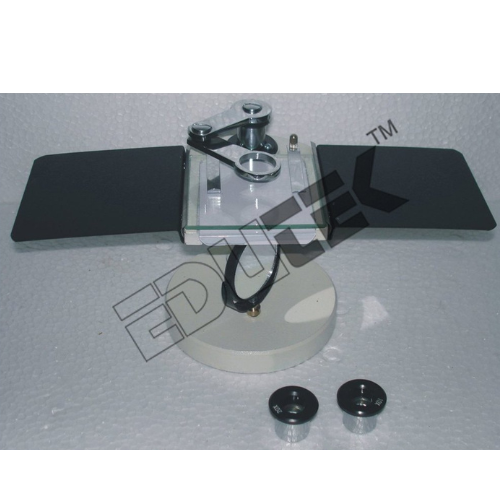
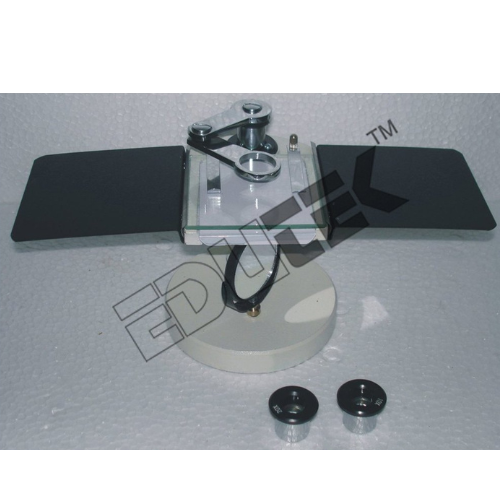
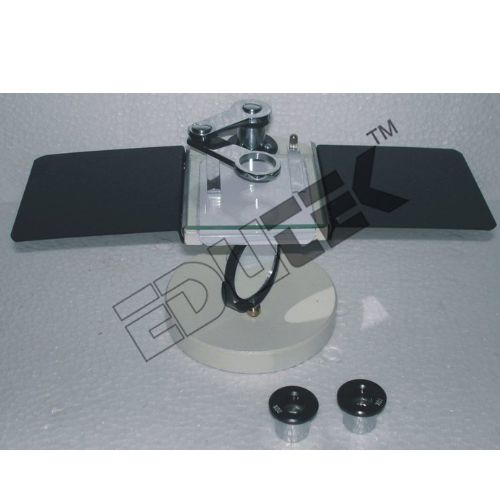
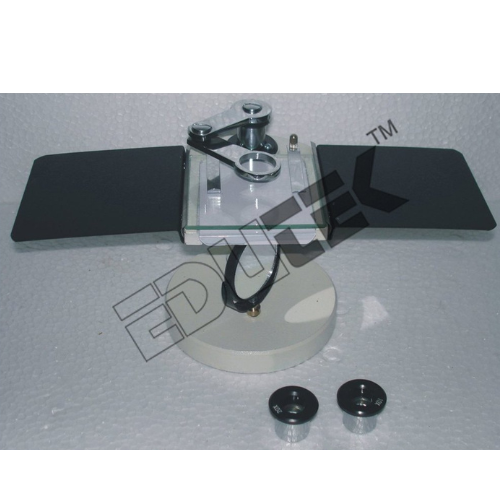
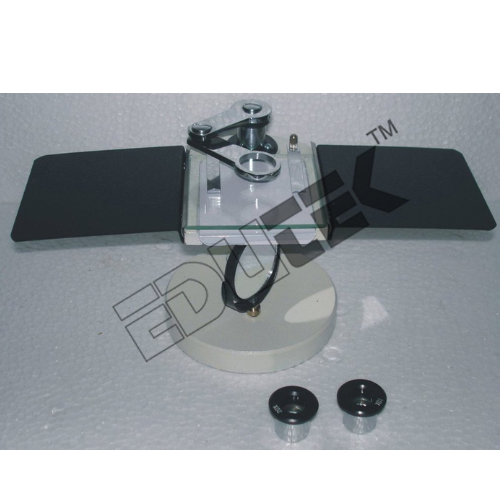
Dissecting Microscope has a heavy round base with precisely designed body. Sensitive focusing is done by rack and pinion arrangement. Revolving arm provided for moving magnifying lens over full stage area.
Size available 85 x 75 mm with glass plate.
Illumination: A Plano-concave mirror fitted in fork for light reflection
Optics 10X & 20X eyepieces


Price:
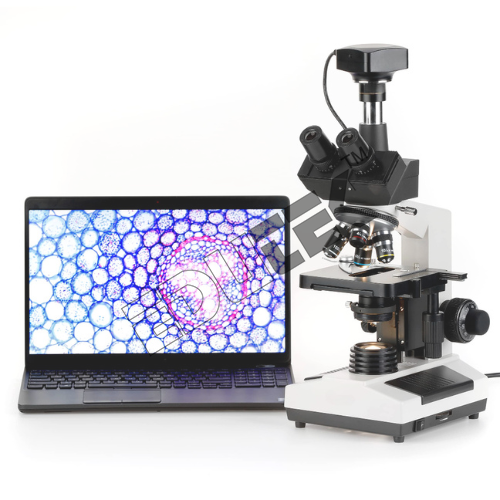
Price 2000.0 INR / Piece
Minimum Order Quantity : 1 Piece
Light Source : Builtin LED, white light
Eyepieces : WF10x and WF16x
Theory : Other
Illumination : LED with adjustable brightness
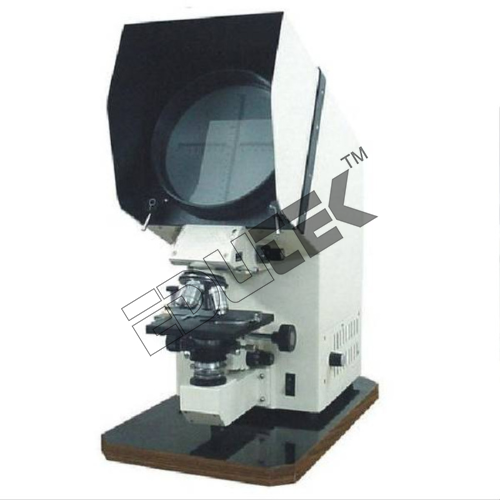
Price 2000.0 INR / Piece
Minimum Order Quantity : 1 Piece
Light Source : 6V/20W halogen lamp, adjustable intensity
Eyepieces : Projection eyepiece 10x wide field
Theory : Other, The Advance Projection Microscope is designed for enlarged viewing of microscopic specimens, allowing projection onto a screen for group observations, demonstrations, and teaching purposes.
Illumination : Builtin incandescent lamp with condenser for bright field illumination
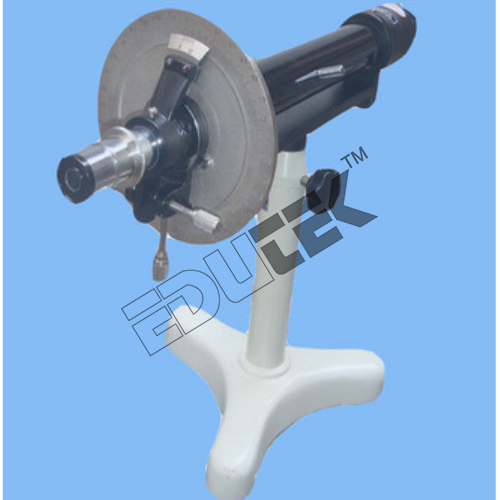
Minimum Order Quantity : 1 Piece
Light Source : Sodium lamp (standard for polarimetry, wavelength 589 nm).
Eyepieces : Standard laboratory adjustable eyepiece.
Theory : Other, Polarimetry is used to measure the angle of rotation caused by passing polarized light through an optically active substance.
Illumination : Halogen lamp or sodium lamp typically used.
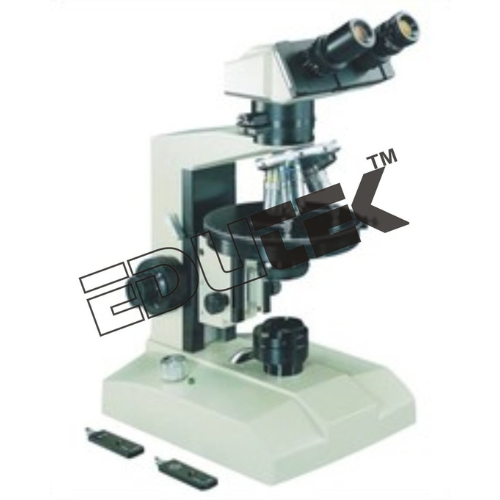
Minimum Order Quantity : 1 Piece
Light Source : Halogen 6V/20W, Kohler illumination system
Eyepieces : Wide field 10X paired, with crosshair; interpupillary adjustable
Theory : Other, Polarizing light microscope for optical mineralogy and petrographic analysis.
Illumination : Transmitted light, halogen lamp 6V/20W with intensity control

 Send Inquiry
 Send Inquiry

