About Batch Enzyme Reactor Unit
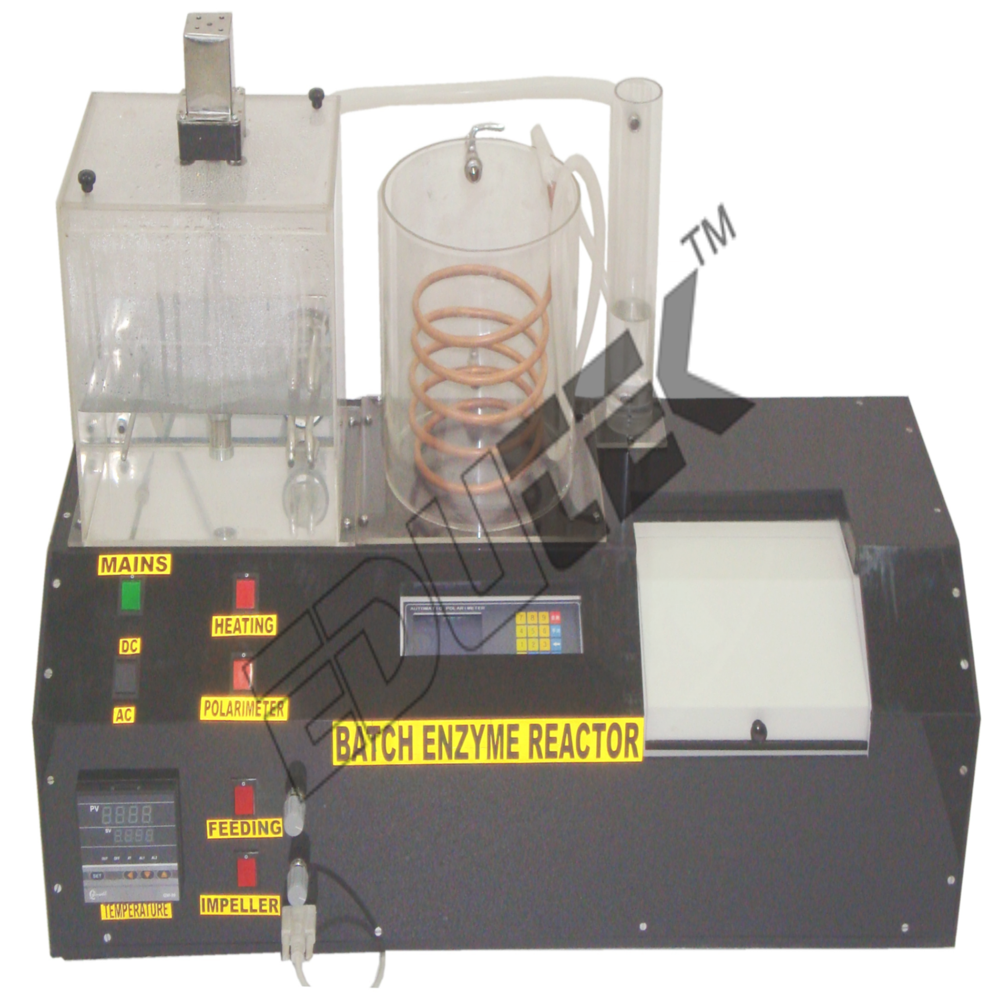
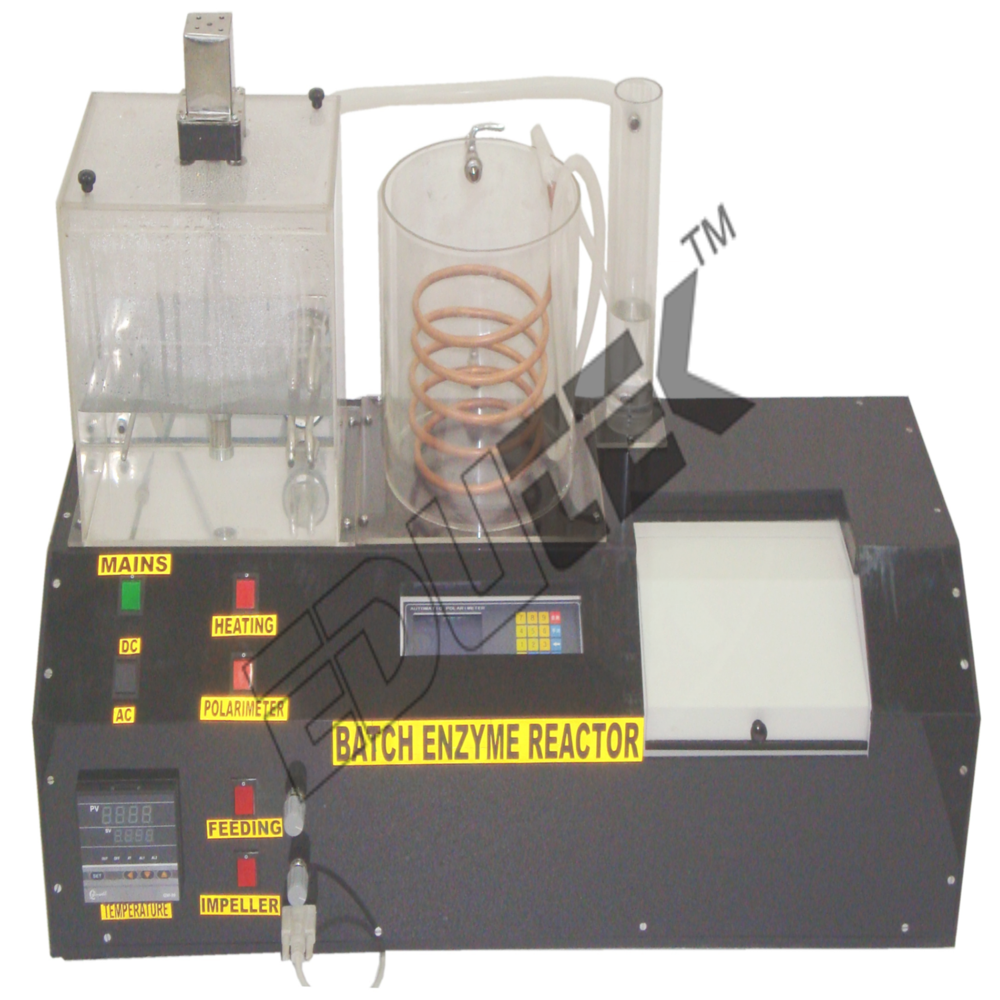
Batch Enzyme Reactor Unit
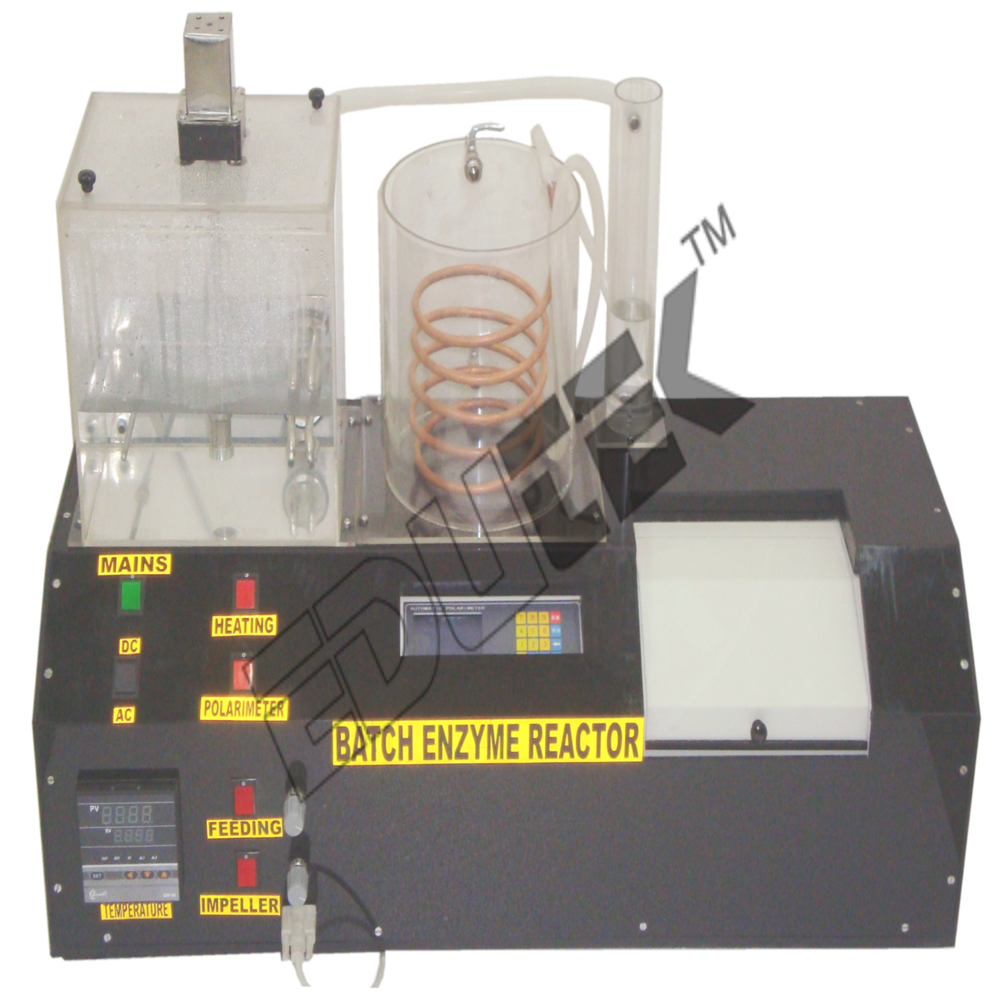
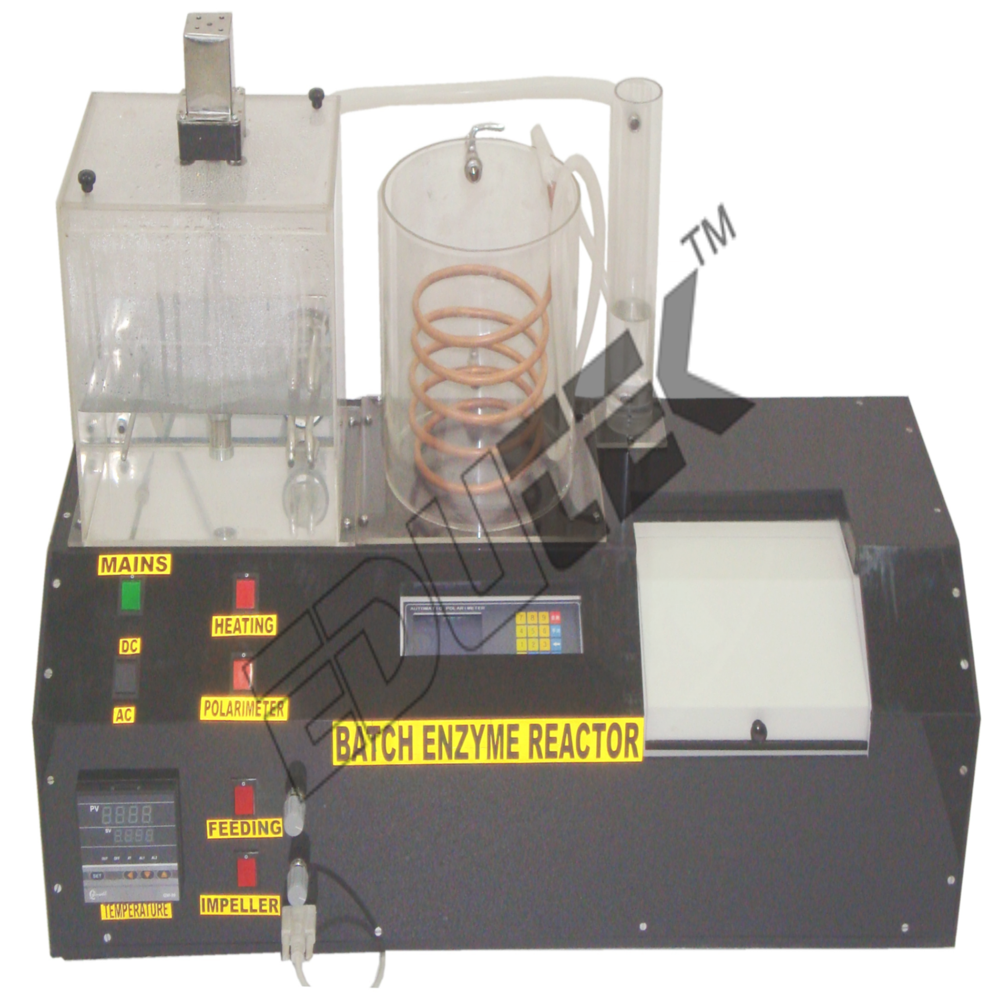
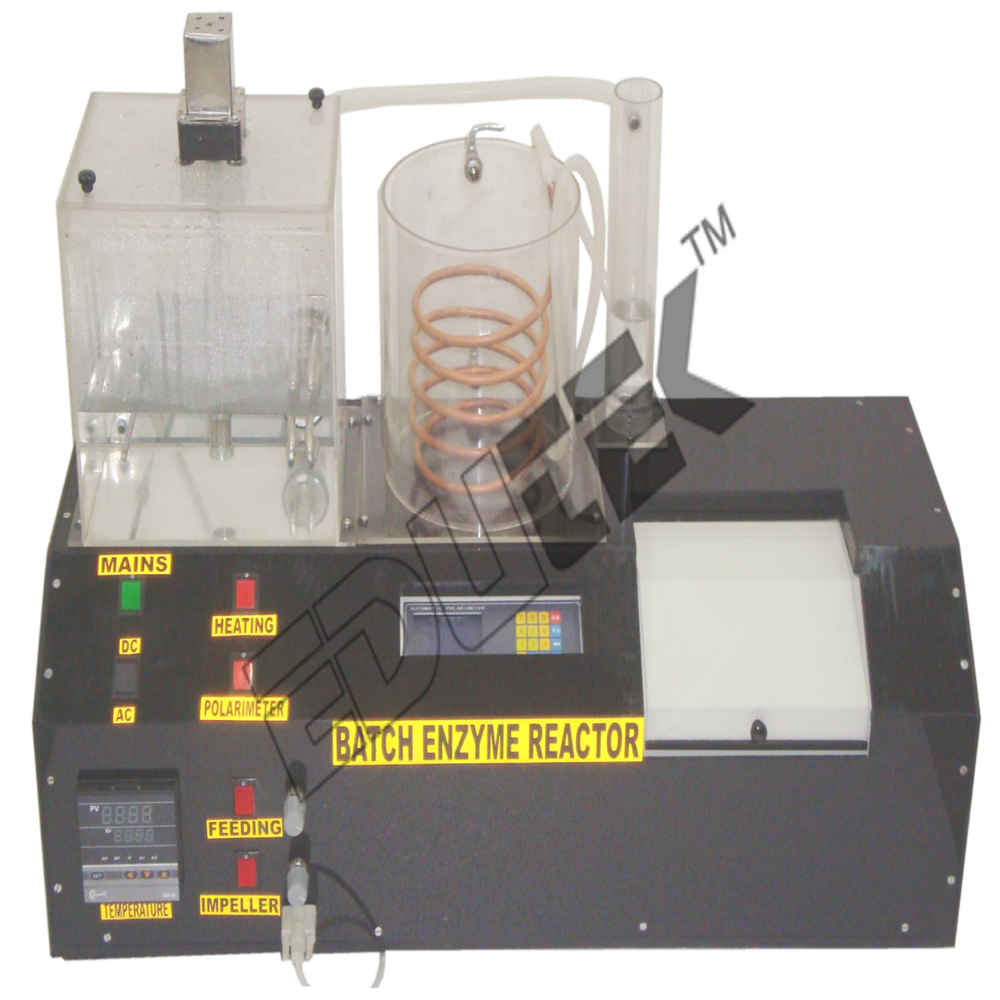
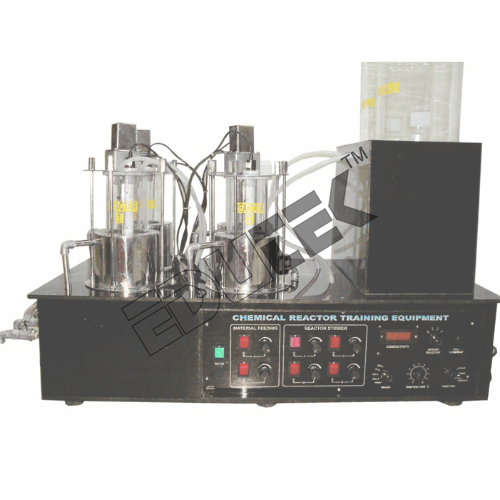
The Edutek range of small scale chemical reactors comprises four units which represent the most common types of chemical reactor found in industry.This is a reactor system specially designed to perform batch enzyme reaction utilizing the glucose isomerisation reaction catalyze by glucose isomerase. The unit is used to demonstrate batch enzyme kinetics and enzyme characteristics.The fourth reactor - stirred tank reactor in series - is mounted on a dedicated unit.The reactors use the saponification reaction between ethyl acetate and sodium hydroxide. This provides a well understood and safe reaction for the students to investigate the different reactor types. Edutek have developed a set of algorithms which link the degree of conversions of the reactants to the electrical conductivity of the product. In this way the progress of the reaction can be monitored in real time, without the inconvenience and inn accuracy of titration methods.
Features
- Small bench top equipment.
- Real time reaction monitoring.
- Data logging facility available.
- Cost effective - 3 reactors share same service unit.
- Safe and student friendly.
- Four different types of reactor.
Advanced Process Control and SafetyThis reactor unit integrates a digital PID controller and mechanical agitator for tight regulation of temperature and stirring speed. Safety features include an over-temperature alarm and a low liquid level sensor, ensuring both operator and sample protection. The setup is leak-proof and corrosion-resistant, ideal for routine laboratory work.
Flexible Applications Across SectorsDesigned for versatility, the BER-1001 supports enzymatic reactions, hydrolysis, and fermentation trials in biotechnology, food technology, and research laboratories. The customizable vessel capacity (520 liters) and compatibility with temperature/pH sensors extend its utility to both industry and academia.
User-Friendly Operation & MaintenanceWith a digital LED display, intuitive controls, and easy-cleaning construction, this reactor unit is suitable for both novice and experienced users. The integrated sample ports with air-tight seals simplify sampling while maintaining a sterile environment. Comprehensive service support, including onsite installation and training, is provided.
FAQs of Batch Enzyme Reactor Unit:
Q: How does the variable speed agitator improve process efficiency?
A: The overhead mechanical stirrer with adjustable speeds (50 to 600 RPM) allows precise mixing tailored to the requirements of different enzymatic reactions or fermentation processes, ensuring uniform reaction conditions and preventing sedimentation.
Q: What safety features are included in the Batch Enzyme Reactor Unit?
A: Key safety features include an over-temperature alarm and a low liquid level sensor to protect both the operator and the reaction materials. The leak-proof, corrosion-resistant design enhances operational safety and equipment longevity.
Q: When should I use the sample ports during a batch process?
A: You can utilize the three air-tight sample ports at various stages to collect samples for monitoring reaction progress, quality control, or intermediate analysis, without interrupting the ongoing process.
Q: Where can this reactor unit be utilized?
A: It is suitable for biotechnology labs, academic and research applications, and industrial settings such as food technology. Its robust construction ensures reliability in diverse laboratory environments.
Q: What materials are used in the construction of the reactor unit?
A: The vessel is made of borosilicate glass, chosen for its chemical resistance and thermal stability, while all fittings are made from stainless steel (SS-316), ensuring durability and compatibility with a range of chemicals.
Q: How is the temperature and pH monitored and controlled?
A: The integrated digital PID controller manages temperature precisely between ambient to 90C (0.2C accuracy). Temperature sensors come standard, and an optional pH probe slot enables real-time pH monitoring within a measurement range of 1 to 14.
Q: What benefits does onsite installation and training provide?
A: Onsite installation and training ensure correct setup, optimize reactor use based on your applications, enable faster integration into laboratory protocols, and help users become proficient with safety and operational procedures.





 Send Inquiry
 Send Inquiry

