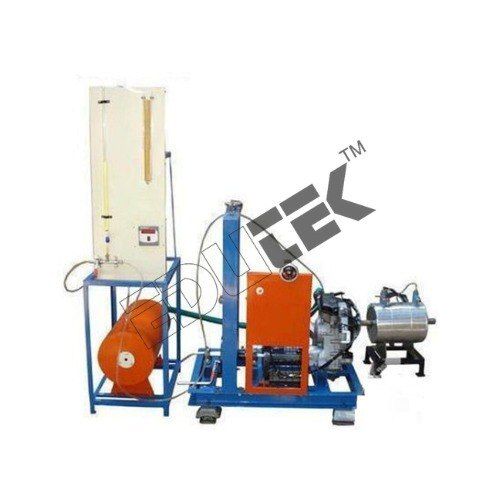
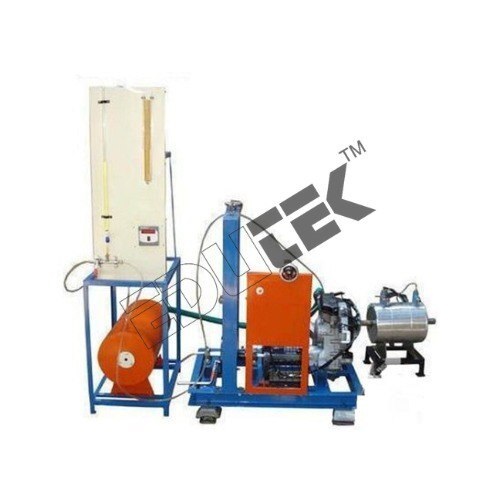
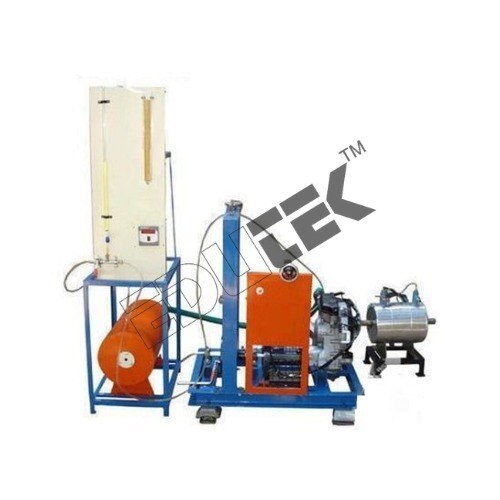
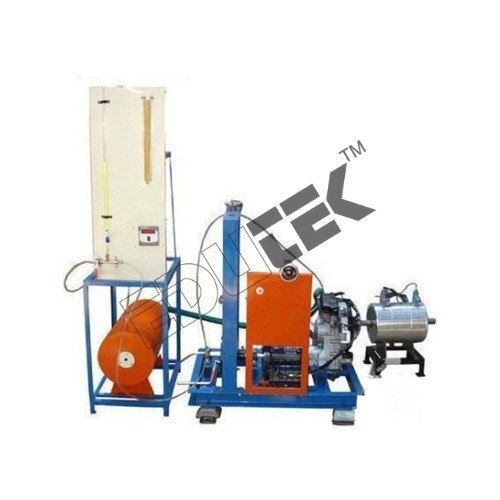
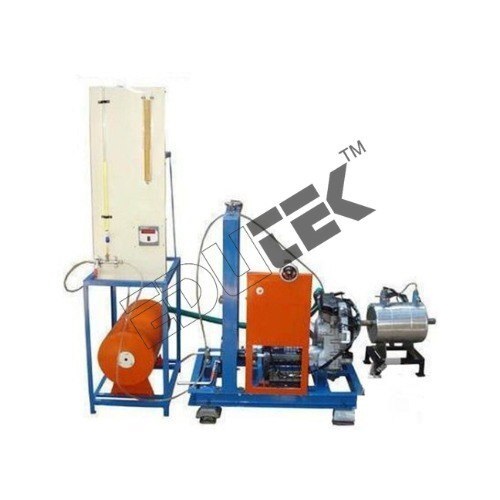
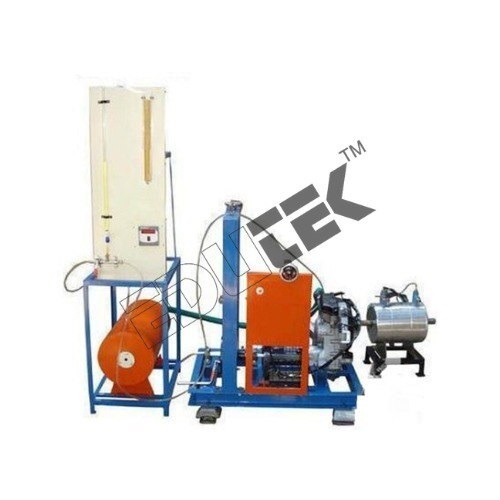
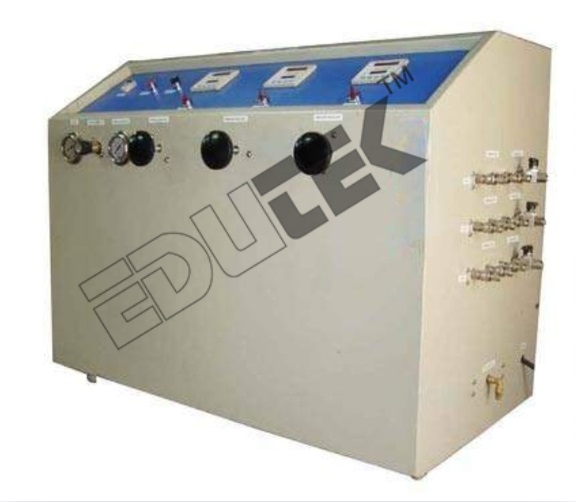
About 1 CYLINDER TWO STROKE PETROL ENGINE TEST RIG WITH ROPE BRAKE/ ELECTRICAL BRAKE/HYDRAULIC BRAKE/ AIR COOLED EDDY CURRENT/WATER COOLED EDDY CURRENT DYNAMOMETER
Specification:
1 CYLINDER TWO STROKE PETROL ENGINE TEST RIG WITH ROPEBRAKE/ ELECTRICAL BRAKE/HYDRAULIC BRAKE/ AIR COOLED EDDY CURRENT/WATER COOLEDEDDY CURRENT DYNAMOMETER
Ic Engines Are Widely Used inAutomobile, Domestic and Industrial Sector. They Are Classified According toCycle, Number of Cylinders, Arrangement of Cylinders, Fuel Used, Type OfIgnition, Valve Arrangement, Cooling System.
Test Rigs Are Used To Find Out ThePerformance Of An Ic Engine. It Consists of An Ic Engine, Dynamometer, FuelMeasuring, Air Intake Measuring And Various Other Arrangements.
Versatile Braking and Cooling OptionsThis test rig accommodates different testing requirements by offering rope brake, eddy current (air or water-cooled), hydraulic, and electrical braking systems. Cooling is tailored according to the dynamometer selection, ensuring operational flexibility for various testing conditions. Such adaptability makes the rig suitable for academic laboratories and industrial research environments alike.
Precision Measurement and User SafetyEquipped with digital RPM and load displays, torque measurements via load cell, and options for computerized data acquisition, the rig delivers accurate and reliable results. Safety features like emergency stop, overload trip, and cooling indicators protect both users and equipment, ensuring dependable performance during high-speed and high-load tests.
Ease of Use and Advanced InstrumentationThe test rig features manual or pull start and can be operated manually or via optional PC interface for semi-automatic or fully computerized testing. Its intuitive controls, clear digital/analog readouts, and optional dedicated software streamline data collection and enable comprehensive analysis for students and researchers alike.
FAQs of 1 CYLINDER TWO STROKE PETROL ENGINE TEST RIG WITH ROPE BRAKE/ ELECTRICAL BRAKE/HYDRAULIC BRAKE/ AIR COOLED EDDY CURRENT/WATER COOLED EDDY CURRENT DYNAMOMETER:
Q: How is the cooling system selected for the engine test rig?
A: The cooling method depends on the chosen dynamometer. Air-cooled systems match air-cooled eddy current dynamometers, while water-cooled systems are supplied for water-cooled eddy current or hydraulic options. This ensures optimal thermal management based on test requirements.
Q: What procedures are involved in operating the test rig?
A: Start by connecting the fuel and exhaust systems, then initiate the engine via manual or pull-start. Select the desired braking and cooling system, set measurement parameters, and monitor real-time data (RPM, torque, load) on the digital display. For computerized models, use the dedicated software for data logging and analysis.
Q: When should the safety features be engaged on the test rig?
A: Safety protocols, such as using the emergency stop button or overload trip, should be engaged whenever abnormal operation occurs, such as excessive load, overheating, or emergency situations. Cooling indicators also prompt intervention if overheating is detected.
Q: Where can this engine test rig be installed and used effectively?
A: Designed as a floor-mounted unit, it is best suited for laboratories, technical institutes, university workshops, and R&D centers where single-cylinder petrol engine testing is required. Its compact design accommodates limited lab spaces without sacrificing performance.
Q: What types of measurements can be obtained using this equipment?
A: The rig precisely measures torque (020 Nm), engine RPM (up to 5000), and power output (up to 2 kW) with high accuracy (1% of full scale). It also accommodates optional sensors for temperature measurement and PC data acquisition for in-depth analysis.
Q: How does the data acquisition system benefit the testing process?
A: The optional computerized data acquisition system allows real-time recording, graphing, and export of test data. This enhances repeatability, reduces manual recording errors, and streamlines post-process analysis, making it valuable for research and teaching purposes.





 Send Inquiry
 Send Inquiry

