About VIBRATING COMPACTING MACHINE
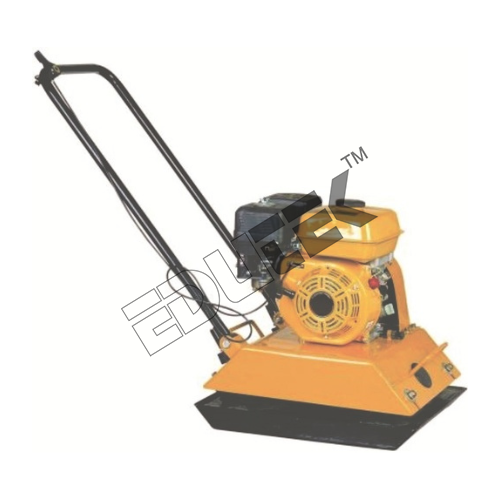
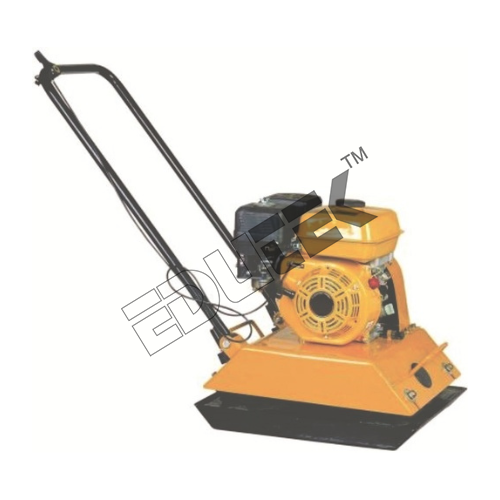
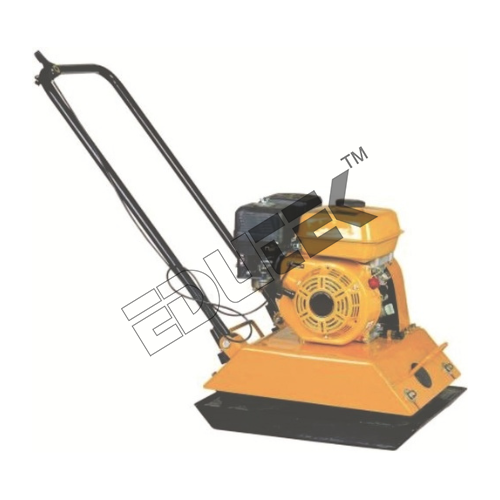
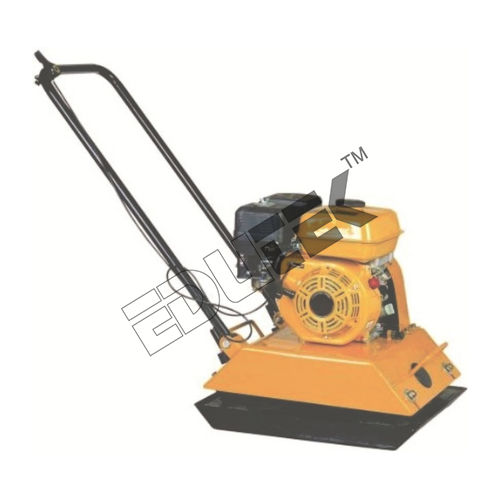
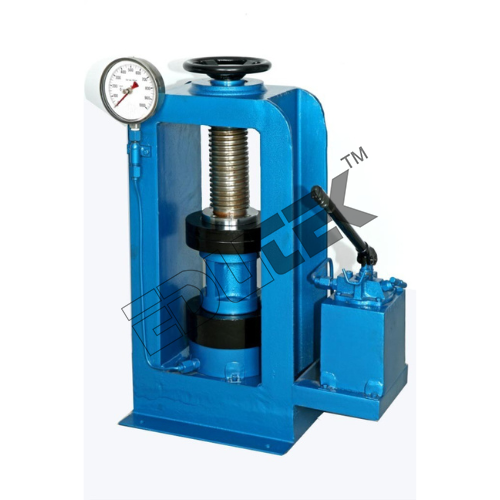
VIBRATING COMPACTING MACHINE
- Pressing force : 160 tons
- Pressing chamber : 1600 x 1200 x 800 mm
- Size of blade : 400 x 400 x var mm,
- Size of machine : 37 KW
- Weight of machine : 15.0 tons
- Density of bale : 2000 Kg/m3
Reliable Performance for Concrete TestingThis machine offers consistent and reliable vibration for compacting concrete specimens, enhancing the accuracy of laboratory strength tests. With an operating speed of 3000 vibrations per minute and a sturdy construction, it efficiently handles single-source specimens within a controlled environment.
Ease of Operation and ControlEquipped with a manual switch and analog dial scale, the machine is simple to operate, even for users with minimal experience. The free-standing design and intuitive controls streamline the compaction process, ensuring precise, repeatable results every time.
Durable and Versatile DesignConstructed from hardened steel and finished with a powder coating, the machine is engineered for longevity and corrosion resistance. Suitable for use in varied conditions up to 90% humidity and temperatures between 0-50C, it supports a wide range of concrete mixes and laboratory settings.
FAQs of VIBRATING COMPACTING MACHINE:
Q: How is the Vibrating Compacting Machine used in concrete cube testing?
A: The machine is primarily used to compact freshly mixed concrete into cube moulds by placing the specimen on the cast iron table and activating the vibrating motor. This process removes air pockets and ensures uniform compaction, which is essential for accurate strength testing.
Q: What types of concrete mixes can be tested with this machine?
A: The Vibrating Compacting Machine is versatile and can be used with various concrete mixes, supporting specimens up to 150 mm cubes. It accommodates a single mould at a time, making it ideal for laboratory evaluations of different mix designs.
Q: When should I use this compaction equipment during testing?
A: You should use this equipment immediately after filling the concrete cube mould with fresh concrete. Compacting at this stage ensures the removal of entrapped air, leading to precise and reliable compressive strength results during further testing.
Q: Where is this machine typically installed and operated?
A: The machine is best suited for laboratory environments where controlled compaction and precise measurement of concrete specimens are required. Its free-standing design allows for stable installation on flat surfaces in concrete testing labs.
Q: What is the process for operating the Vibrating Compacting Machine?
A: First, place the filled cube mould on the vibrating table. Switch on the machine manually to initiate vibration at approximately 3000 vibrations per minute. After the recommended compaction time, switch off the machine and proceed with subsequent curing or testing steps.
Q: What are the main benefits of using this compacting equipment?
A: The main benefits include uniform and repeatable compaction, ease of operation, instant response via analog display, and robust build quality. These features contribute to improved reliability and accuracy in concrete strength assessment.





 Send Inquiry
 Send Inquiry

