About COMPRESSION STRENGTH TESTING MACHINE
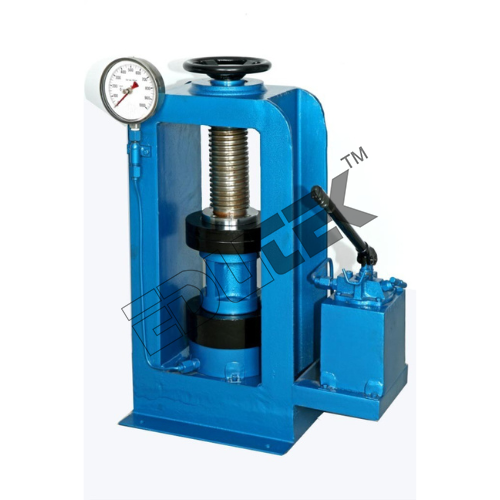
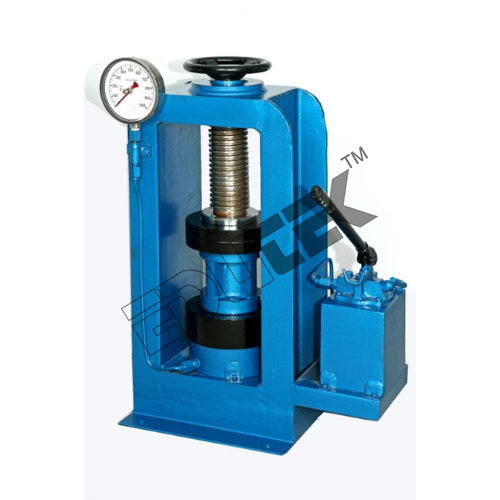
COMPRESSION STRENGTH TESTING MACHINE
- Capacity : 1500
- Texture of loading : < 3.2um,
- Lower platens dimensions Q : 216mm
- Upper platens with ball seating
- Assembly Q : 216
- Piston dia. : 230mm,
- Oil capacity : 20 lit.
- Maximum working pressure bar : 362
- Weight : 610
Reliable Compression Testing for Multiple MaterialsAssess the compressive strength of various specimen types including bricks, concrete blocks, and cardboard with a robust frame and adjustable test parameters. The digital display and precision controls ensure consistent and repeatable results under industrial or laboratory conditions.
Safety and Data Management FeaturesBuilt with integrated safety systems such as overload protection and emergency stop, the machine offers secure operation. Optional digital data output to PC or printer streamlines record-keeping, and calibration is performed at the factory for confidence in every test.
User-Friendly Operation and VersatilityChoose between manual and digital control modes to suit your process preferences. With adjustable speed, configurable cycle times, and compatibility for various specimen sizes, this machine is designed for ease of use and adaptability to research or production environments.
FAQs of COMPRESSION STRENGTH TESTING MACHINE:
Q: How do I operate the Compression Strength Testing Machine safely?
A: To ensure safe operation, use the overload protection and emergency stop features. Always confirm that the specimen fits within the specified size limits and engage limit switches before testing. Detailed operating instructions are provided in the manual.
Q: What materials can be tested with this machine?
A: The machine is engineered to test the compressive strength of bricks, concrete cubes, cardboard, and other similar construction or packaging materials. Custom specimen sizes can be accommodated upon request.
Q: When should I calibrate the Compression Strength Testing Machine?
A: Each unit is factory calibrated, traceable to NABL standards. Regular calibration checks are recommended based on your testing frequency or institutional protocols, especially before precise research applications.
Q: Where can the results be stored or accessed after testing is complete?
A: Test data can be output to a printer or PC via RS-232 or optional USB interface. This enables easy documentation and archiving for both laboratory and industrial testing environments.
Q: What is the process for adjusting test speed and stroke on the machine?
A: Operators can set the test speed between 10 mm/min and 60 mm/min, and the test stroke up to 100 mm, via the machines control panel. Both manual and digital control options are available for precise adjustment.
Q: How does using this machine benefit laboratories and production facilities?
A: With robust construction, high accuracy, and streamlined data output, this equipment ensures reliable, repeatable strength measurements that support product quality assurance and research efficiency.
Q: What is the maximum specimen size and testing capacity?
A: The machine accommodates specimens up to 100 mm x 100 mm x 100 mm for single cycle tests and has a compressive testing capacity of up to 100 kN, making it suitable for a wide range of materials.






 Send Inquiry
 Send Inquiry

