About Tar Viscometer
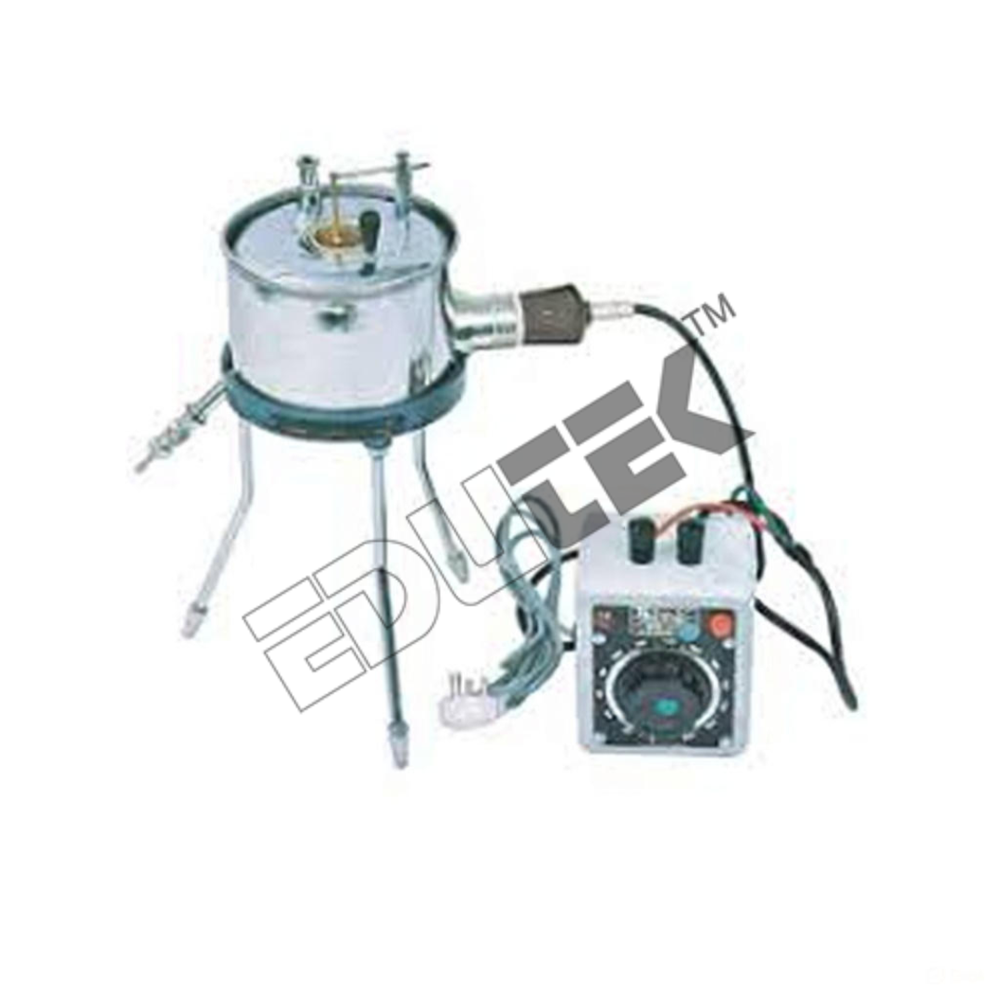
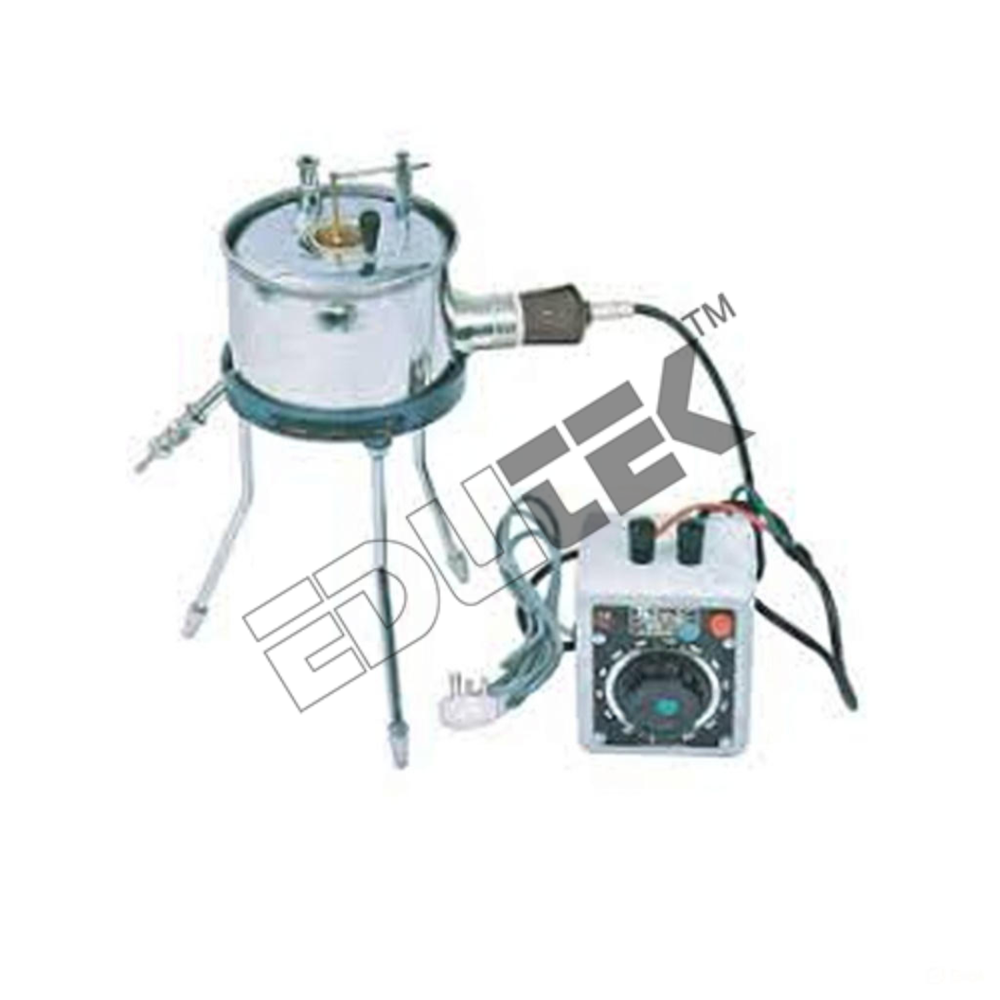
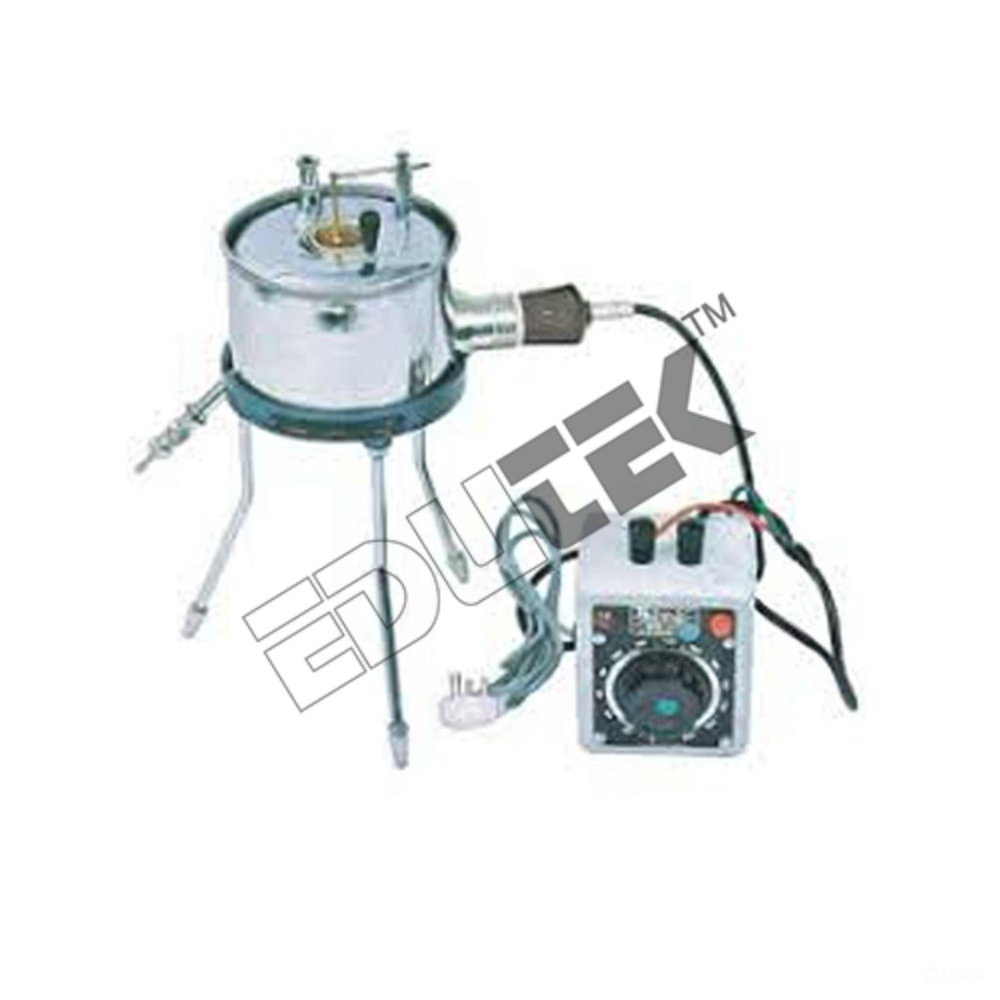
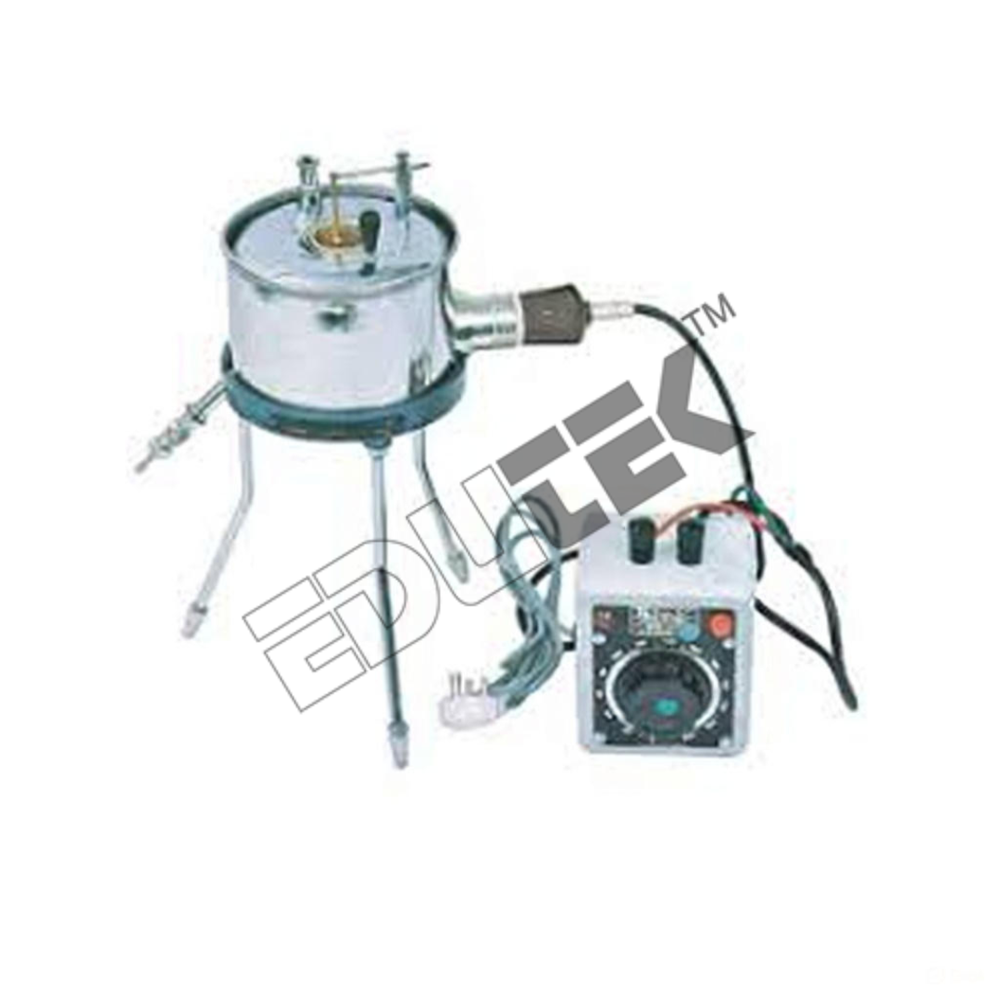
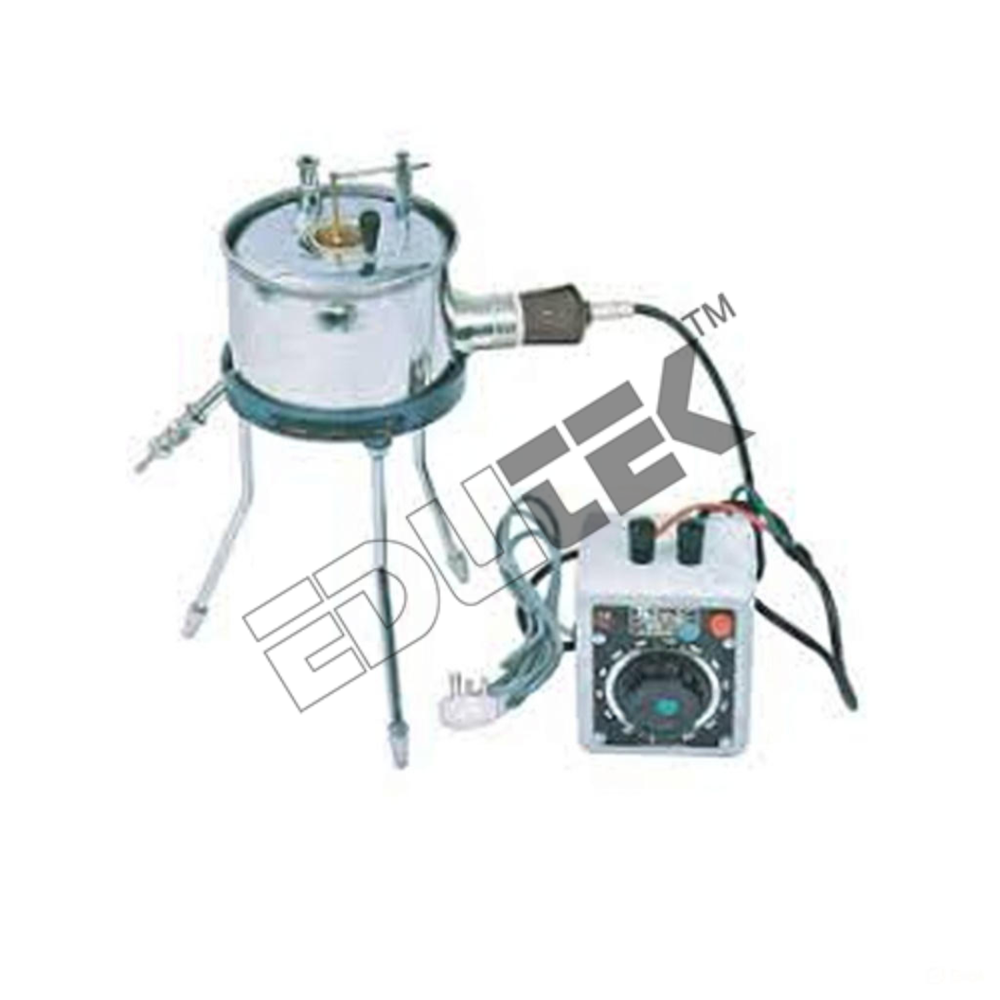
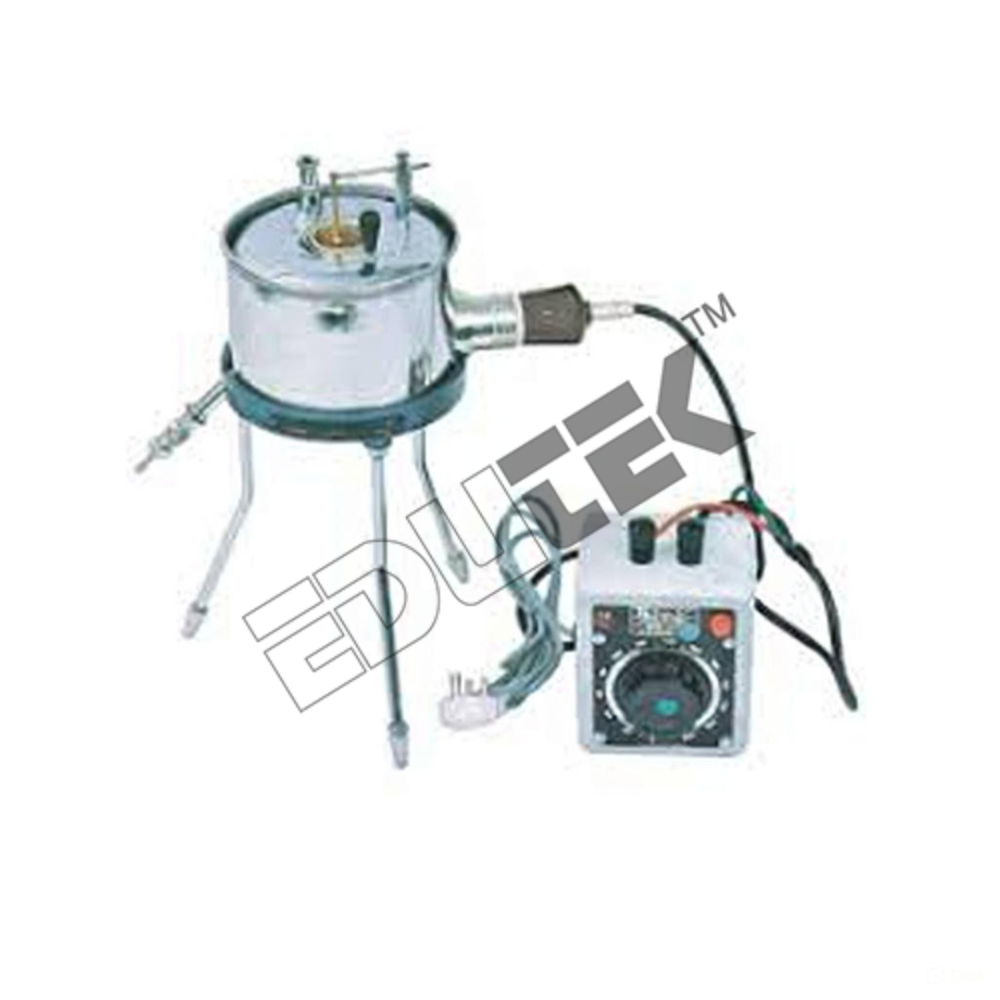
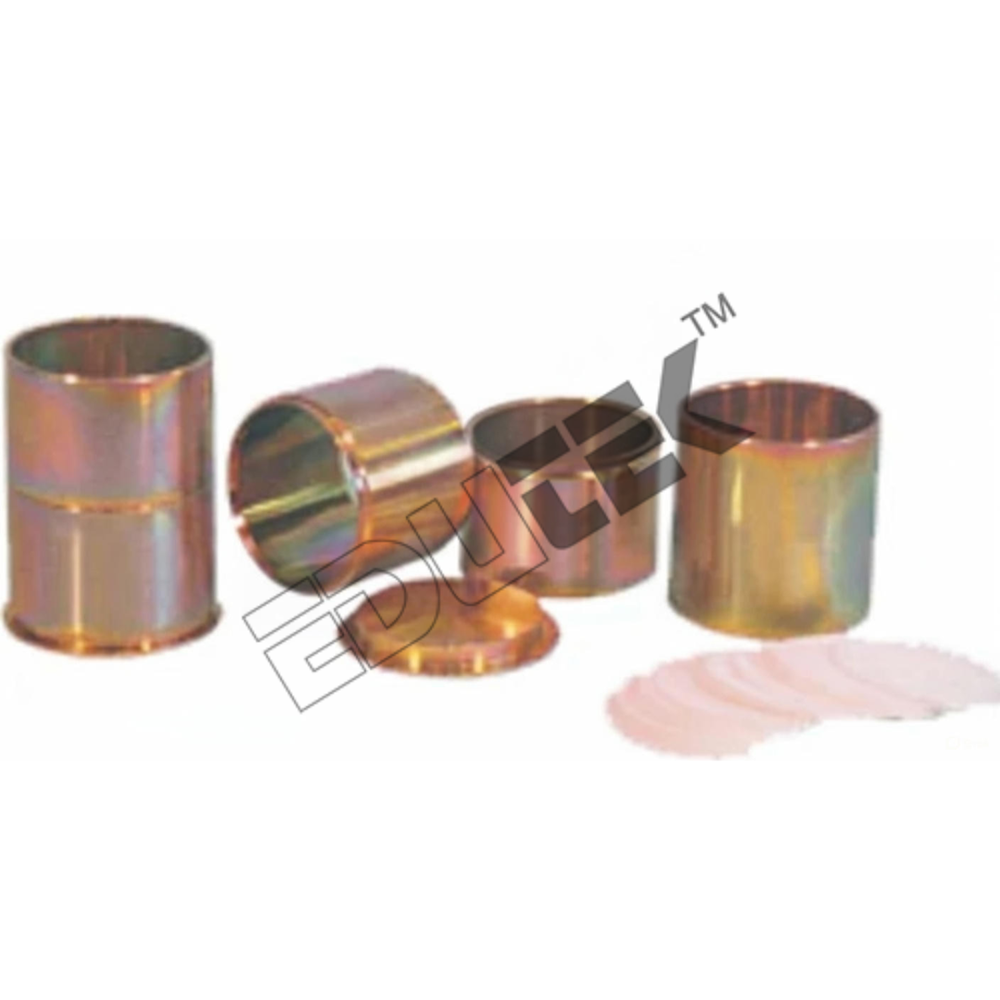
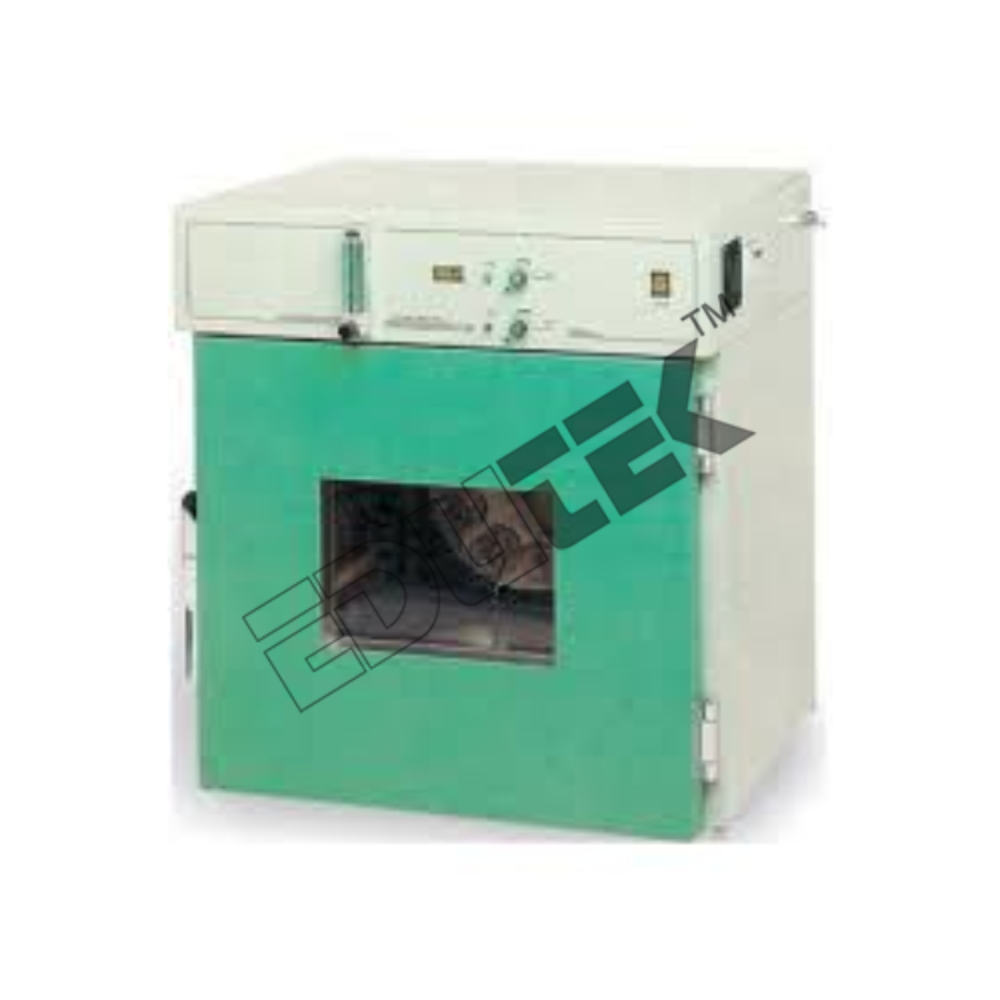
Tar ViscometerFor determining the viscosity of cut back bitumen and road oil. The viscometer consists of a chrome plated copper plated copper bath, with a drain valve and a central tube to receive the test cup and to position the stirrer, and is mounted on a stand with levelling feet. Stirrer has a curved shield and is provided with an insulated handle, thermometer socket and swivel support for the valve. Supplied complete with 10 mm cup and ball valve or 4 mm cup and ball valve as per the model required.
The following models are available. Standard Tar Viscometer, Electrical Heating with Immersion Heating Elements and Dimmer stat for controlling the temperature. Suitable for operation on
220 V, 50 Hz, single phase, AC supply. Complete with
10mm &
4 mm Cup and Valve.
Reliable Viscosity Measurement for Road ConstructionThe Tar Viscometer offers a dependable solution for measuring tar viscosity, essential in road and bituminous construction. Its manual operation and precisely calibrated components ensure repeatable results. The instrument is constructed with high-quality materials like brass, aluminum, and mild steel for longevity and accuracy in field or lab environments. Optional water bath heating maintains sample temperature for standardized testing.
Comprehensive Accessory Set Enhances UsabilitySupplied with a complete accessory package, the viscometer includes a tar measuring cup, leveling staff, water bath, stand, receiving flask, and cleaning rod. This ensures users can perform efficient tests and maintenance, supporting consistent measurements and easy cleaning after each use. Adjustable leveling screws simplify setup and enhance measurement precision.
FAQs of Tar Viscometer:
Q: How is the viscosity of tar measured using this viscometer?
A: Viscosity is determined by timing how long it takes for a specified quantity of tar to flow through a standard orifice in the cup. The process uses the included graduated flask to measure the flow and is manually operated for precise control.
Q: What temperature range is suitable for operating the Tar Viscometer?
A: Testing is typically conducted at standard temperatures of 25C and 40C, as specified for tar consistency measurements. The optional water bath accessory can help maintain these conditions during testing.
Q: When should the Tar Viscometer be used in road construction projects?
A: It should be used whenever viscosity consistency checks are required for tar and bituminous materials, particularly before mixing or applying these products in pavement and roadworks.
Q: Where can the Tar Viscometer be set up for optimal performance?
A: The unit is suited for laboratories, field testing sites, and quality control facilities connected to construction and bituminous work. Its portable size and manual operation require only a stable, level surface for accurate results.
Q: What are the steps involved in using the Tar Viscometer?
A: Begin by setting up the viscometer and accessories, leveling the instrument with the three adjustable screws. Fill the cup with the tar sample, maintain the required temperature using the water bath if needed, and initiate the test by allowing the tar to flow through the orifice, timing the process precisely.
Q: How does the manual operation of this instrument benefit testing accuracy?
A: Manual operation eliminates reliance on electrical power and enables direct control over the testing process, facilitating precise timing and measurements, which are essential for standardized viscosity testing.




 Send Inquiry
 Send Inquiry

