About Standard TAR Viscometer
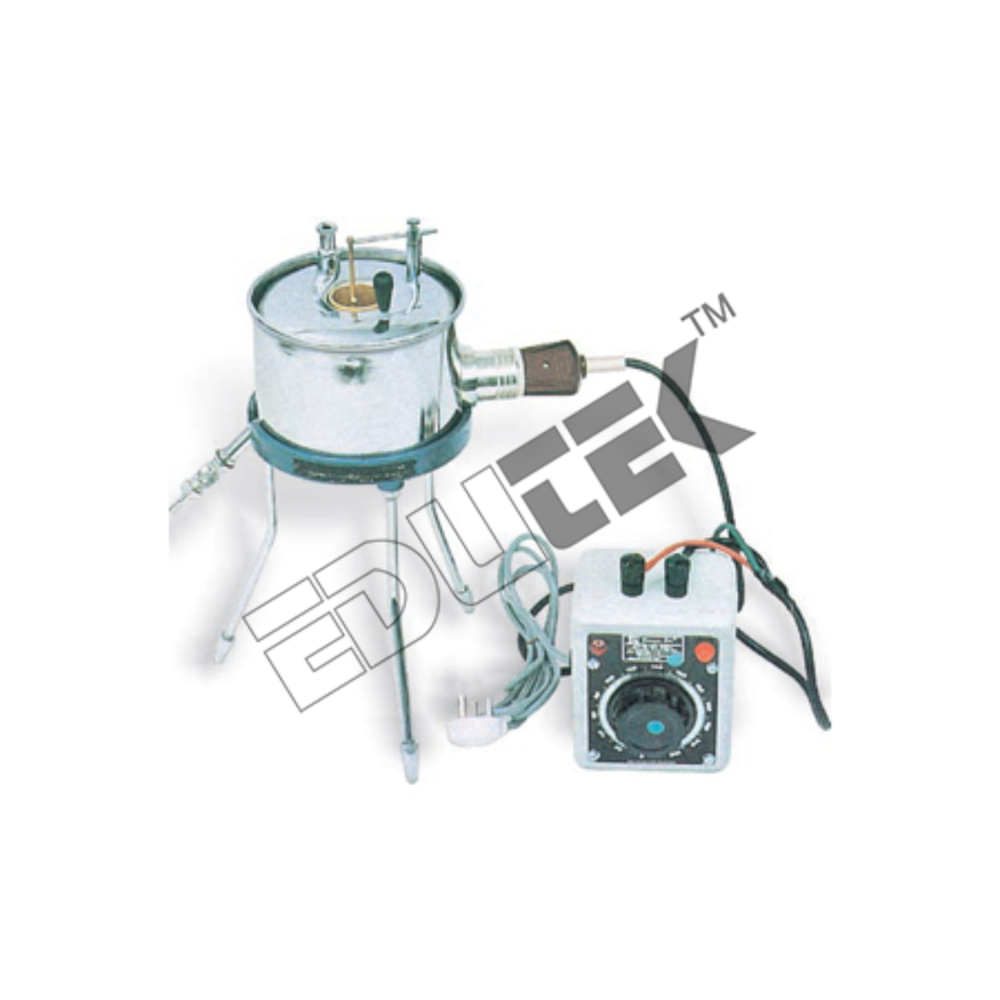
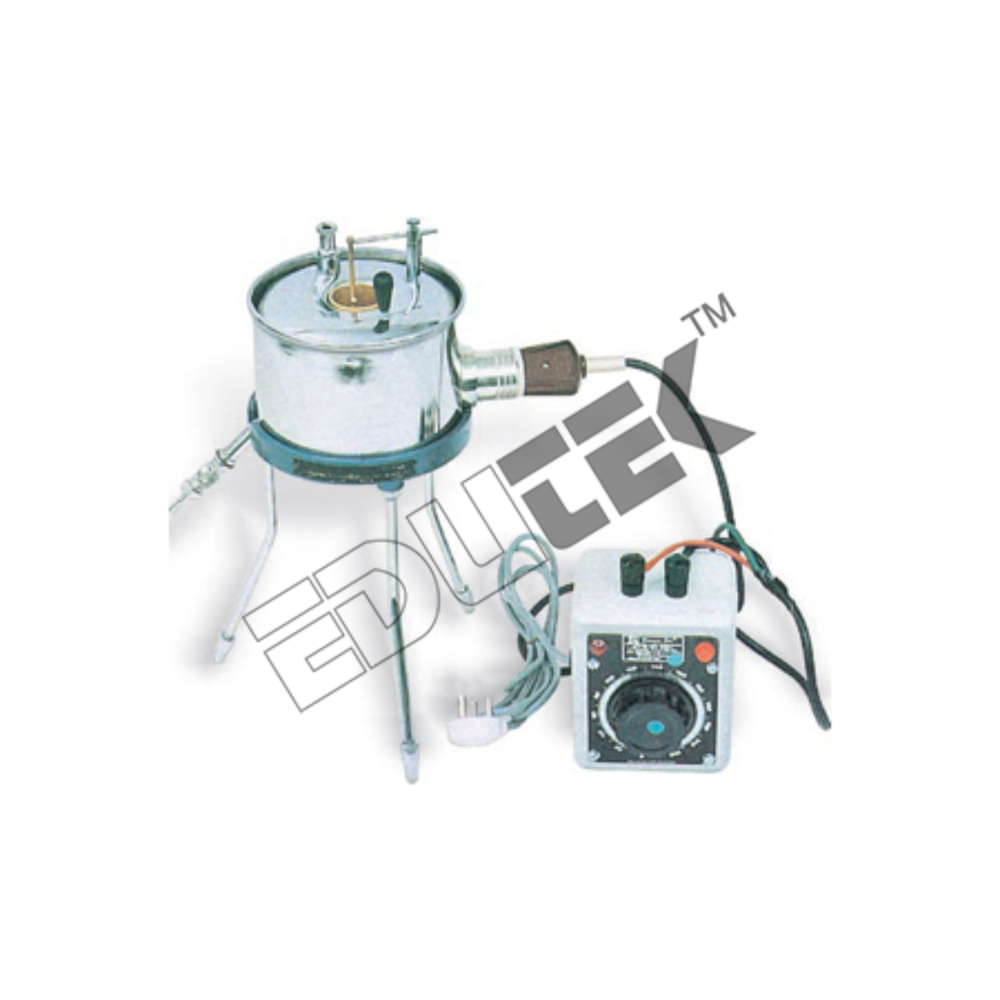
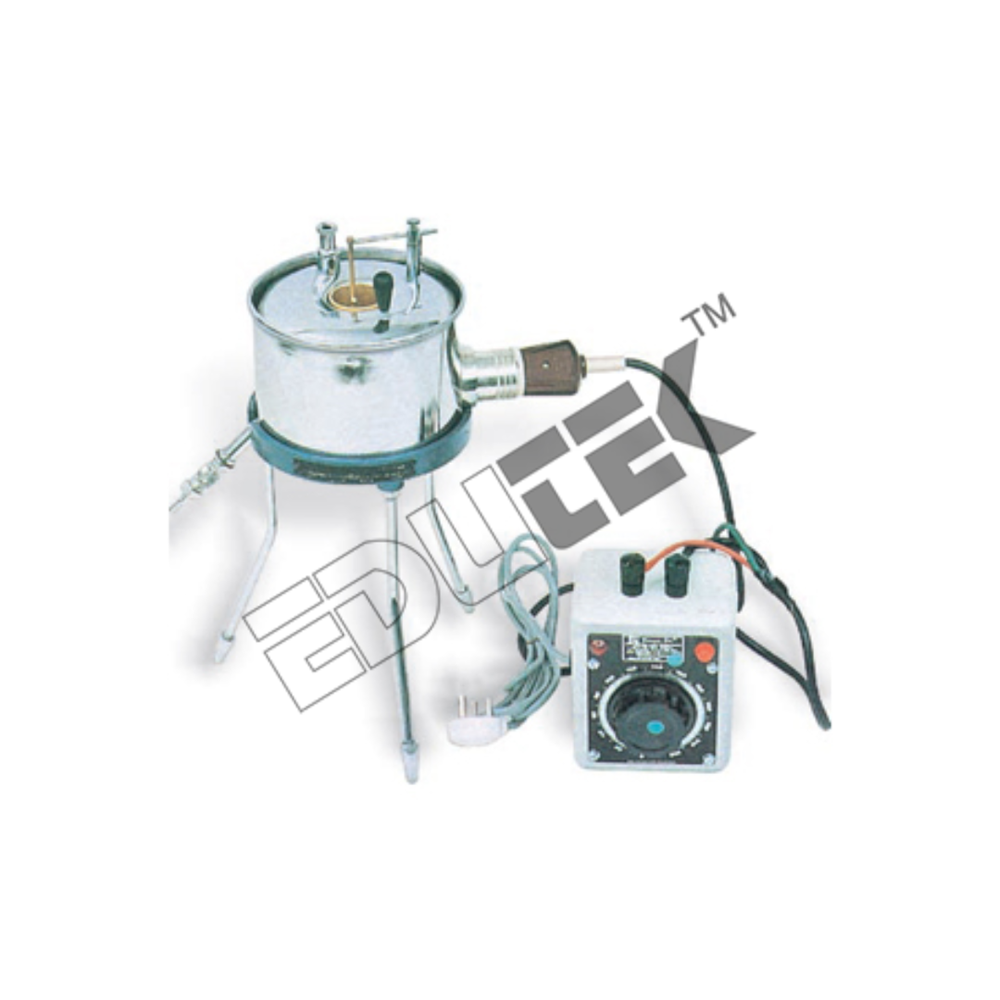
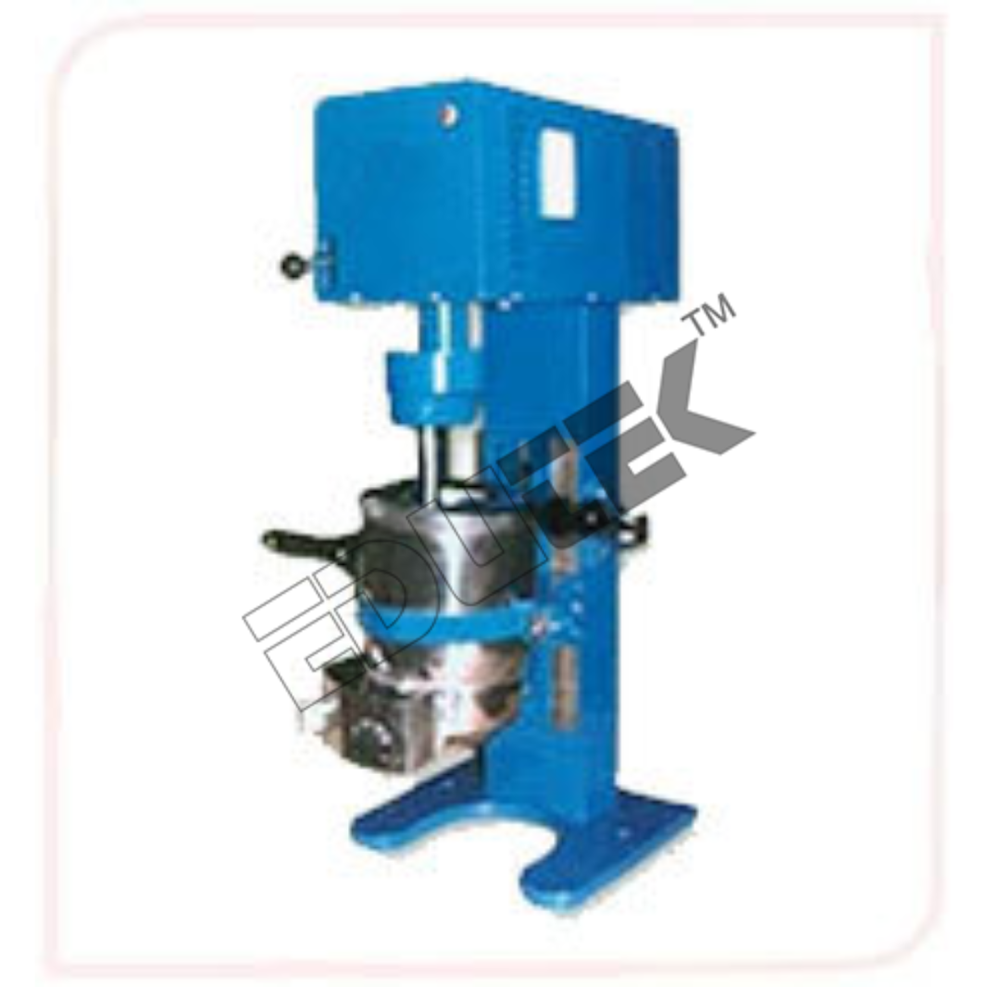
Standard TAR ViscometerElectrical Heating with Immersion Heating Elements and Dimmer stat for controlling the temperature. Suitable for operation on 230 V, 50Hz, Single Phase , A.C. supply Complete with 10mm cup and valve.
Accurate and Reliable Viscosity MeasurementEngineered for high-performance in laboratory settings, this viscometer guarantees accuracy within 1% of the full scale, offering direct flow readings for viscosities up to 3000 seconds. The robust design and use of premium materials ensure consistent and repeatable test outcomes, meeting the demands of quality control and research environments.
User-Friendly Operation and VersatilityThe Standard TAR Viscometer features both manual and digital readouts, a sturdy support stand, and a straightforward sample loading system. With a variable speed range from 20 to 200 rpm, operators can adjust settings to meet specific material test requirements. Its corrosion-resistant finish and convenient accessories streamline the testing process.
Comprehensive Compliance and Safety FeaturesConforming to IS: 1206 Part 2, this viscometer is built for reliable operation even during extended use. Essential safety features include a double wall copper bath to ensure uniform heating and a powder-coated finish for durability. Digital controls enhance user safety and precision when monitoring tests.
FAQs of Standard TAR Viscometer:
Q: How does the Standard TAR Viscometer measure viscosity?
A: This viscometer determines viscosity by recording the direct flow time of tar through a nozzle from a standard cup, as specified in IS 1206 methodology. The process is supported by a digital panel and manual stopwatch timing, ensuring accurate and repeatable measurements.
Q: What materials can I test with this instrument?
A: The viscometer is designed for measuring the viscosity of tar, asphalt, and similar bituminous materials, making it ideal for use in road construction, quality control laboratories, and industrial research.
Q: When should I use a digital readout versus a manual stopwatch?
A: For routine procedures requiring quick results or precise digital data, use the digital readout. The manual stopwatch is recommended for cross-verification or when a digital device is unavailable, ensuring flexibility during testing.
Q: Where is the Standard TAR Viscometer typically used?
A: This instrument is suitable for laboratories, research institutes, and industrial settings involved in testing tar or asphalt-based products. Exporters, manufacturers, and suppliers in India and beyond rely on it for standardized viscosity analysis.
Q: What is the process for setting up and using the viscometer?
A: Begin by installing the included accessorieslid, receiver, valve, cup, stand, and thermometer holder. Fill the 1000 ml cup, set the bath temperature (ambient up to 50C), and use the torque transducer to monitor readings. Start flow, time the discharge with either the stopwatch or digital panel, and record the viscosity data.
Q: How does the devices sturdy support and corrosion-resistant features benefit users?
A: The solid stand ensures operational stability, while the powder-coated and stainless steel components provide resistance to corrosion, extending the instruments service life and maintaining result accuracy even in demanding laboratory environments.




 Send Inquiry
 Send Inquiry

