About Marshal Stability Test Apparatus
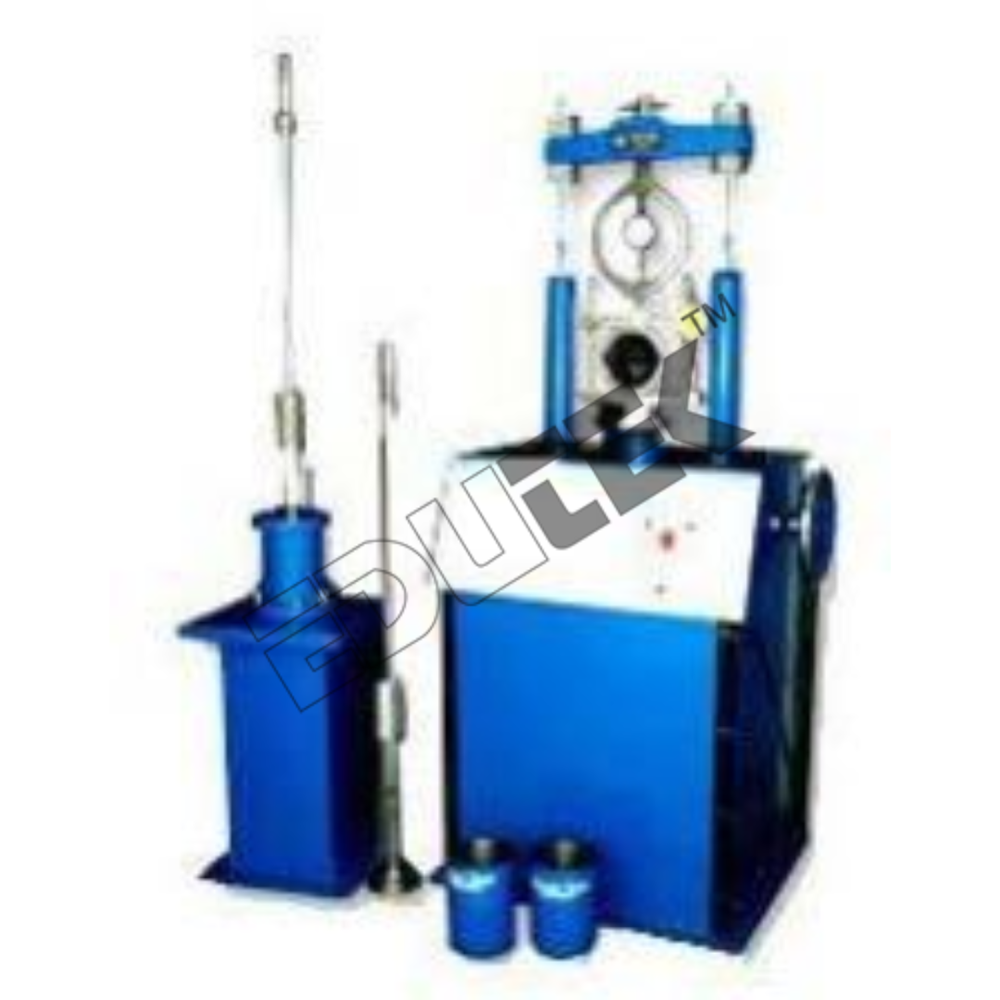
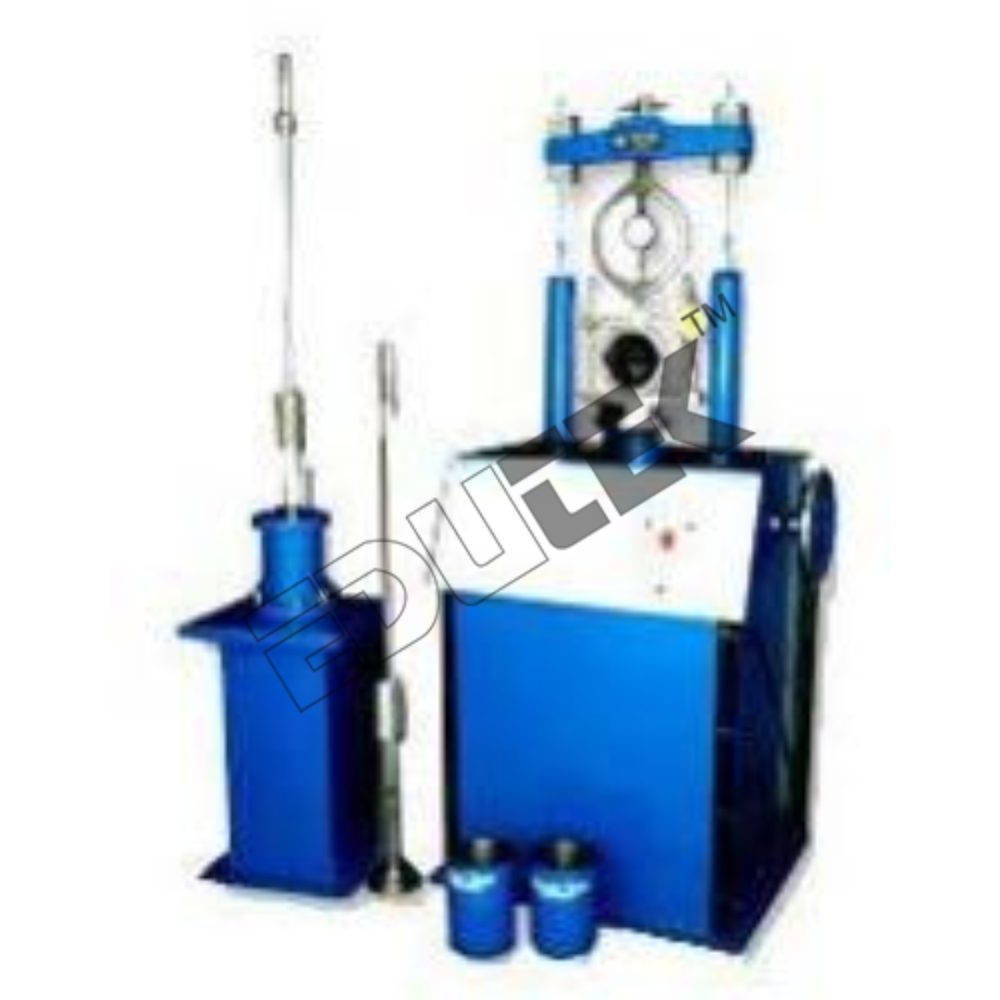
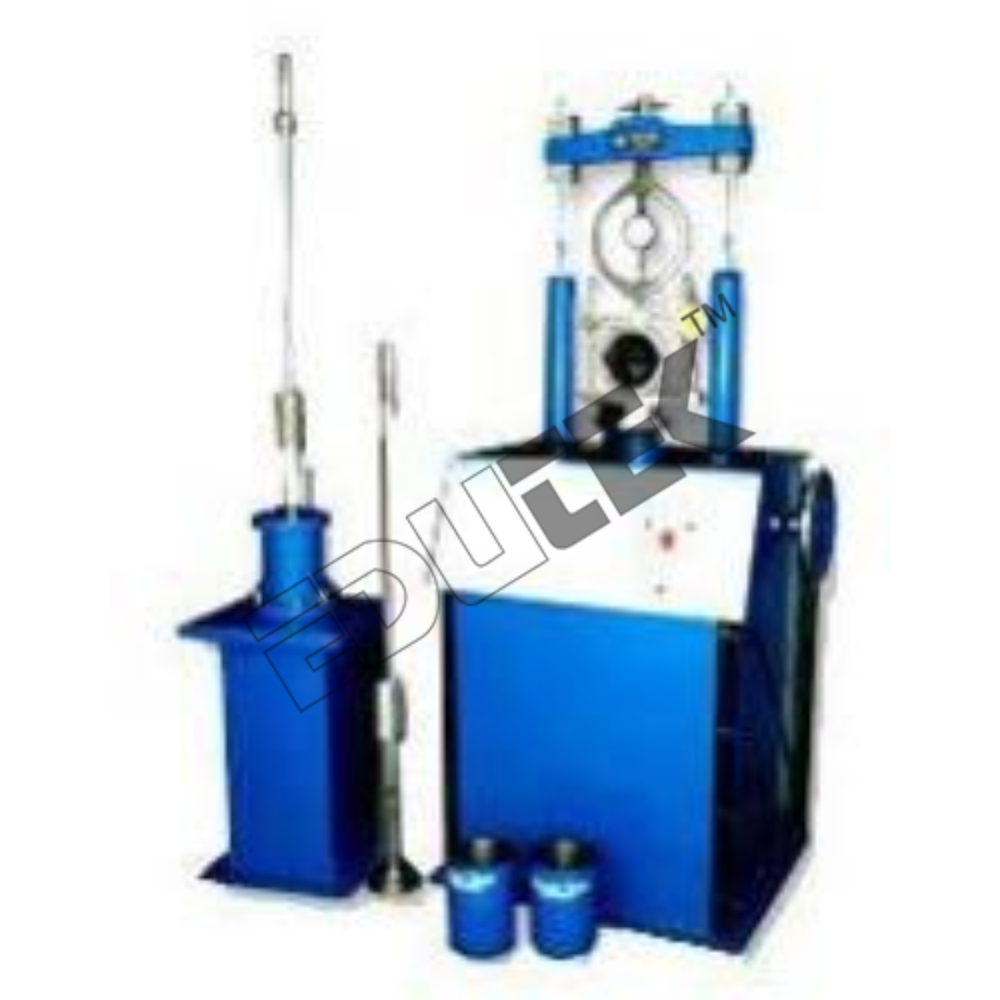
Marshal Stability Test Apparatus
The test is intended for the measurement of the resistance to plastic flow of cylindrical specimens of bituminous paving mixture loaded on the lateral surface. For use with hot mixture containing asphalt or tar and aggregate upto 25.4 mm maximum sizes.
The marshal stability test apparatus consists of following:
Include Accessory :
- Base Plate and extension collars.
- Speciment Extractor 3.95" dia,0.5" height C.
- Compaction Hammer10 Lb(4.54 kg).
- Compaction Pedestal 203.2 x 203.2 x 457.2 mm.
- Speciment Mould Holder.
- Breaking Heart.
- Loading Jack (50.8 mm/min).
- Digital Load Ring (2500 kg capacity.
- Flowmeter 0.01"(0.25 mm.
- Hand Operated Sample Ejector.
- Stability Mould (27.7 KN capacity).
Advanced Precision & DurabilityBuilt with robust mild steel and stainless steel contact parts, the apparatus is protected by a powder-coated finish to resist corrosion. Its digital control panel ensures both load and flow values are displayed with outstanding accuracy, engineered to withstand the demands of daily laboratory and site operations.
Convenient Operation & Data ManagementA user-friendly microprocessor-based control system offers semi-automatic testing, while options for USB/RS232 data output simplify recordkeeping and analysis. The digital display and simple controls allow quick, accurate testing in compliance with international standards.
Comprehensive Accessories for Complete TestingSupplied with all necessary accessories, including breaking head, sample mold, specimen extractor, and flow meter, this apparatus offers a turnkey solution for performing reliable Marshall Method tests. The device ensures accurate sample placement and measurement every time.
FAQs of Marshal Stability Test Apparatus:
Q: How does the Marshal Stability Test Apparatus ensure measurement accuracy during tests?
A: The apparatus uses a precise load cell sensor with a resolution of 0.01 kN and offers 1% accuracy of the indicated value, ensuring reliable results for each test. The digital (LED/LCD) display helps eliminate reading errors during measurement of both stability and flow.
Q: What safety features are included with the apparatus?
A: Safety is prioritized by integrating overload protection and an emergency stop button, which helps prevent accidental damage to the machine and provides immediate shutdown in case of operational hazards.
Q: When should the Marshal Stability Test Apparatus be recalibrated or maintained?
A: It is advisable to recalibrate the apparatus at regular intervals aligned with laboratory protocols or after intensive testing cycles, and to inspect and maintain contact surfaces and moving parts, ensuring continued precision and safety.
Q: Where can the apparatus be installed for optimal operation?
A: Install the device in a well-ventilated laboratory or site environment, on a level, vibration-free surface within the operating temperature range of 5C to 45C, and near a suitable 220V AC, 50 Hz power supply.
Q: What is the process for conducting a Marshall stability test using this apparatus?
A: Prepare a bituminous mix sample, place it in the sample mold, and install it with the breaking head and flow meter. The semi-automatic control panel guides you through load application at a fixed speed of 50.8 mm/min, while the digital display records real-time load and flow measurements.
Q: How is test data output managed with this apparatus?
A: Test results can be easily exported via an optional USB or RS232 interface, enabling connection to computers or printers for comprehensive data recording, analysis, and reporting.
Q: What benefits does this apparatus offer users in terms of reliability and efficiency?
A: Users benefit from high measurement accuracy, simple digital controls, comprehensive accessories, rugged construction, and standardized operation as per ASTM and IS protocols, making it suitable for laboratory and field testing of bituminous mixes.




 Send Inquiry
 Send Inquiry

