About Bitumen Laboratory Mixer
Bitumen Laboratory Mixer
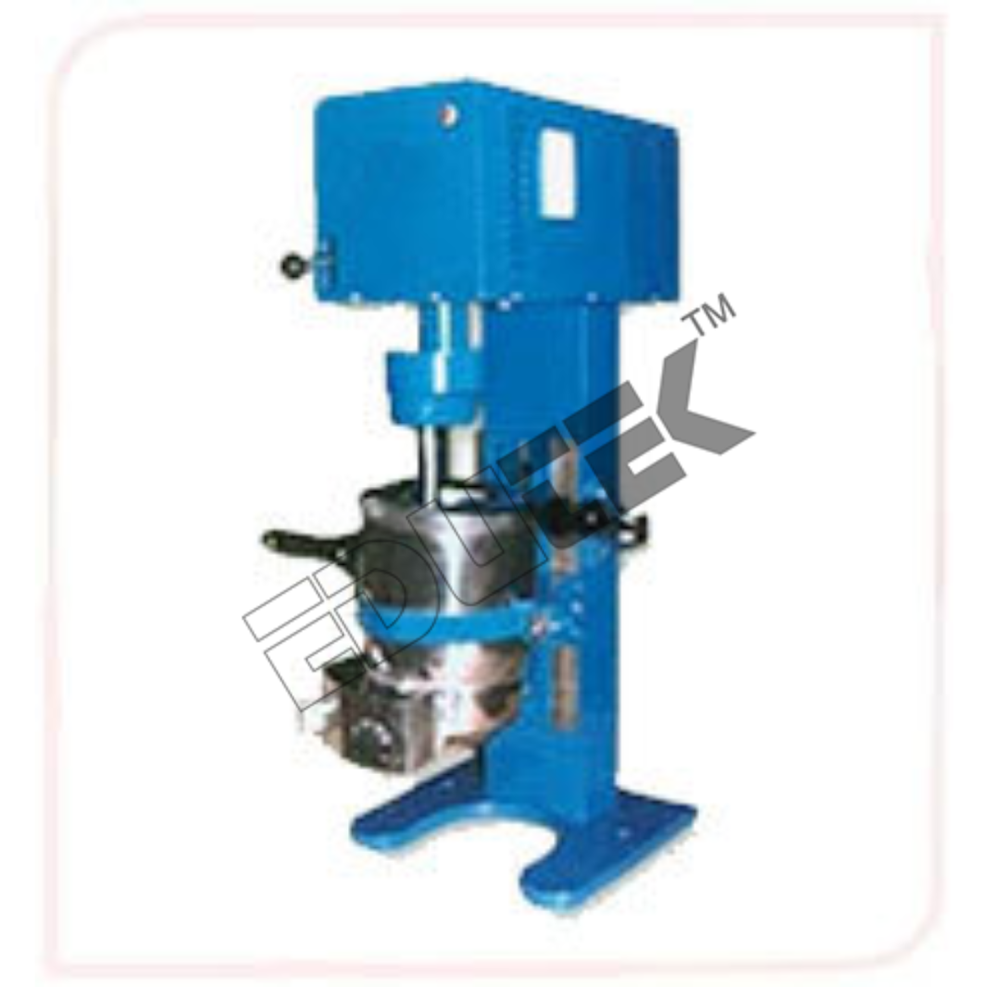
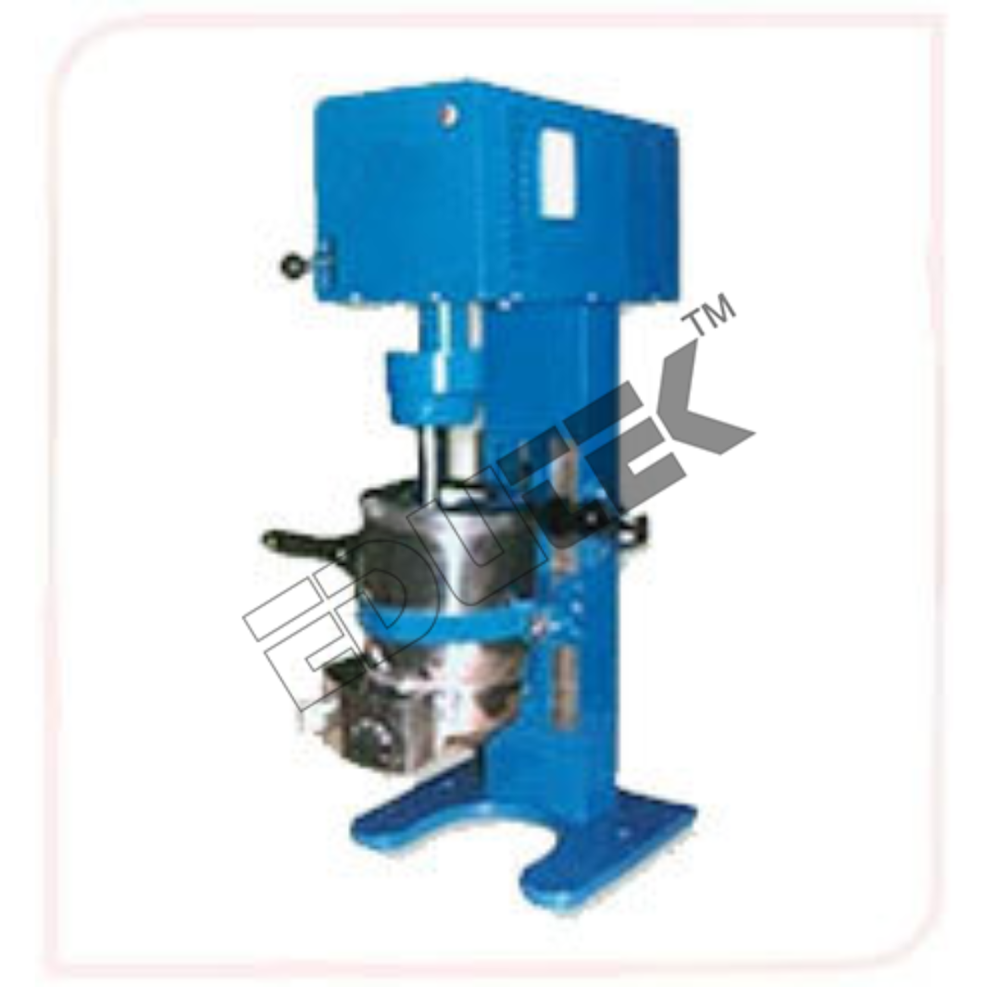
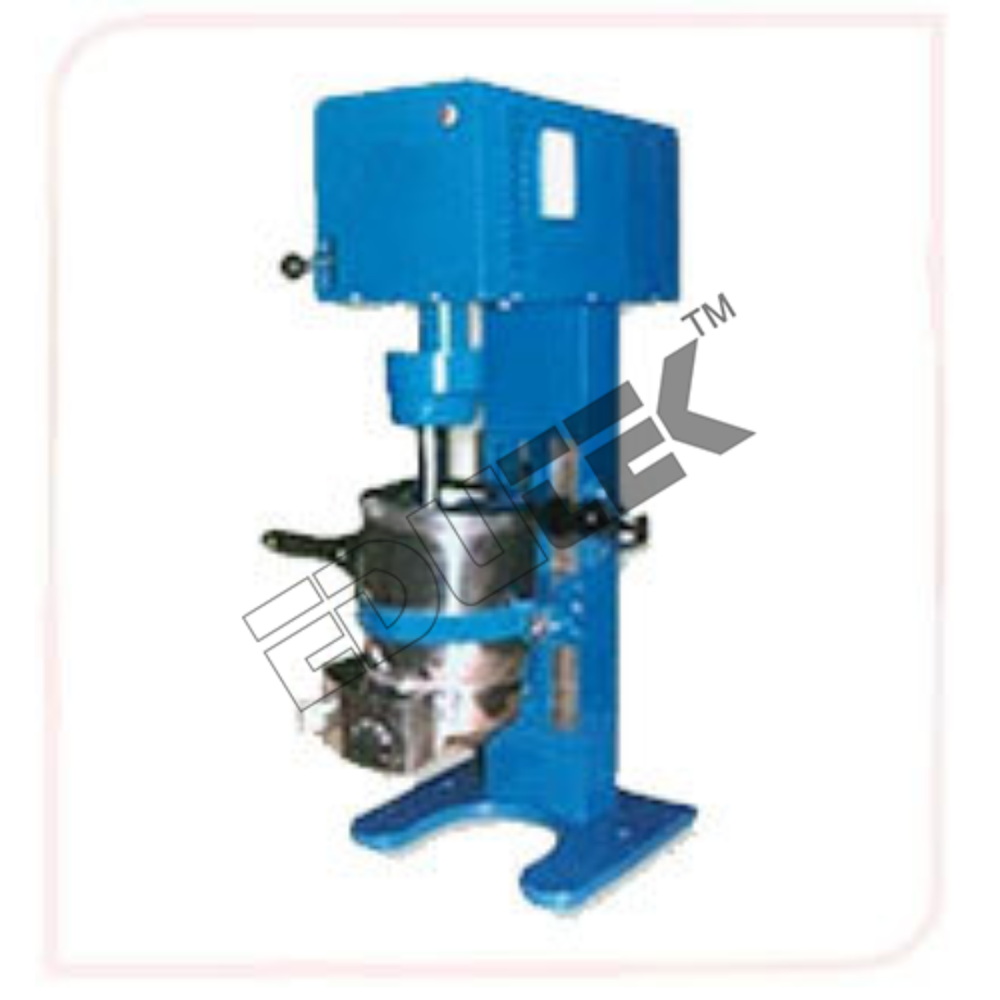
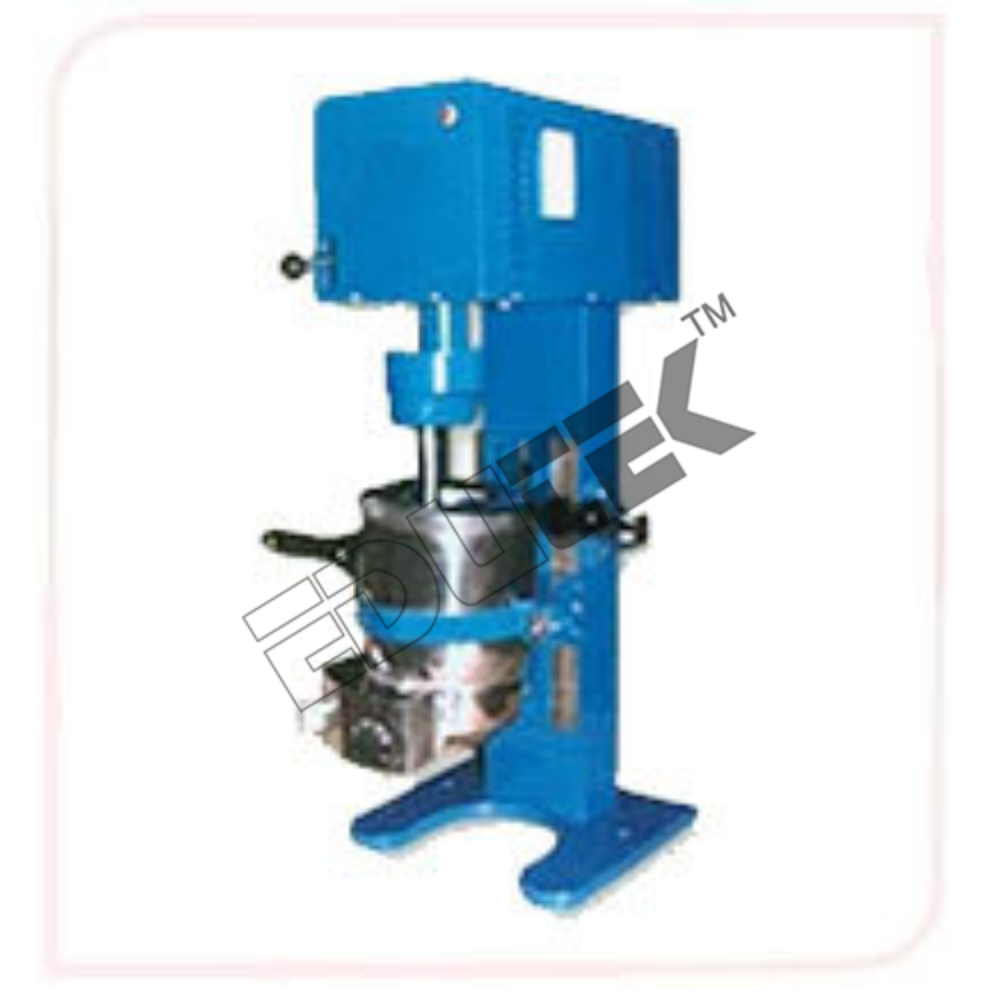
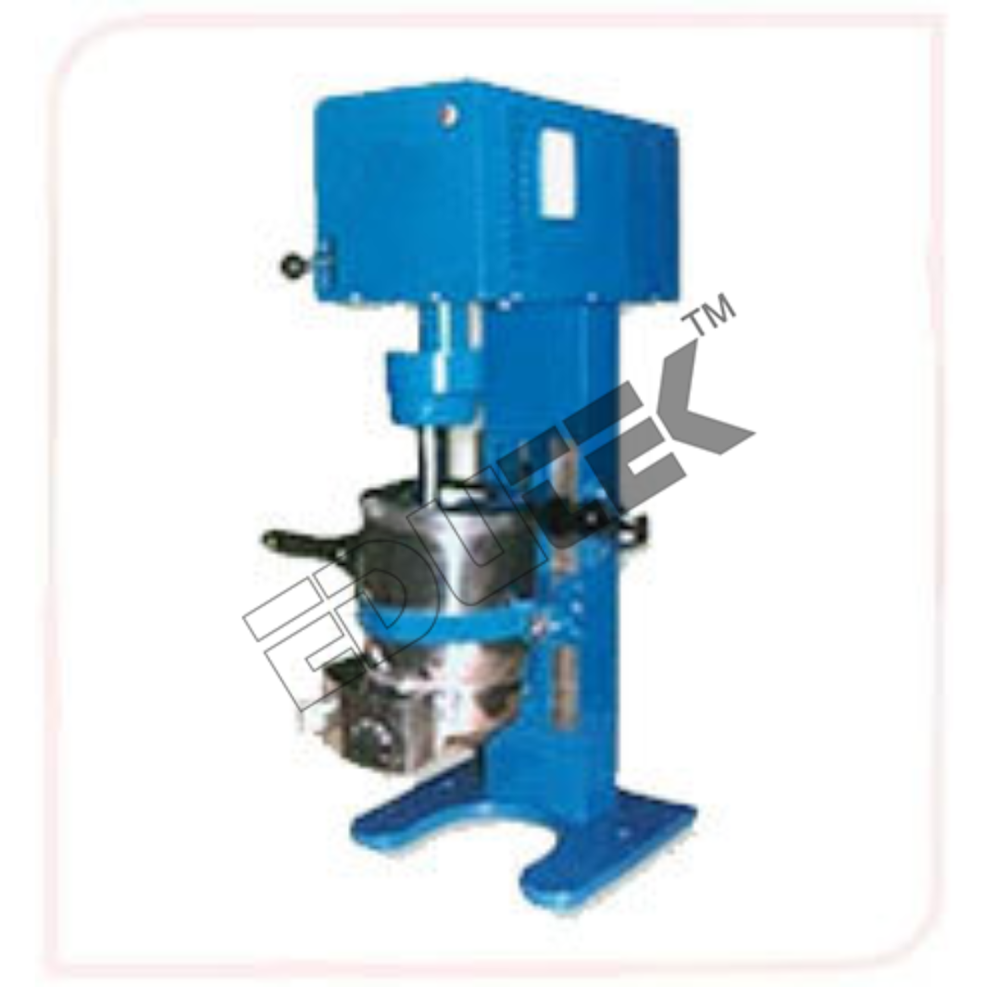
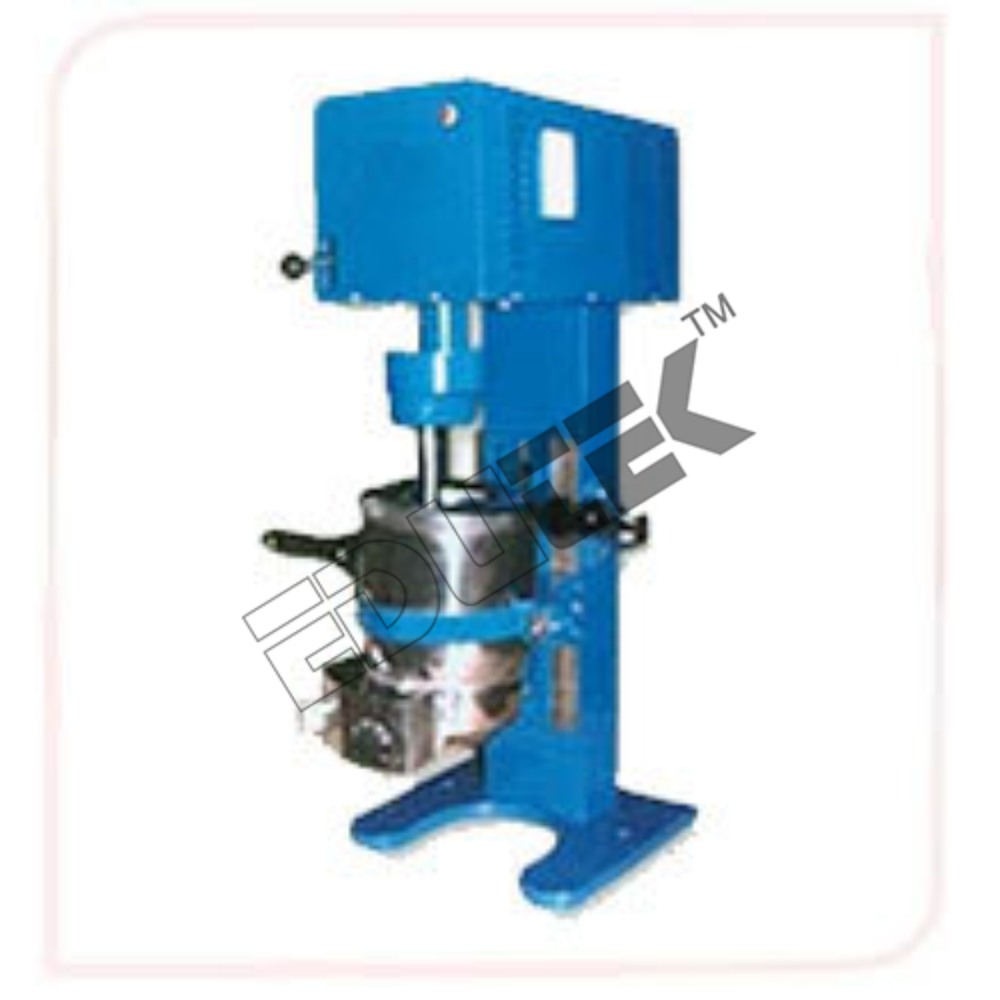
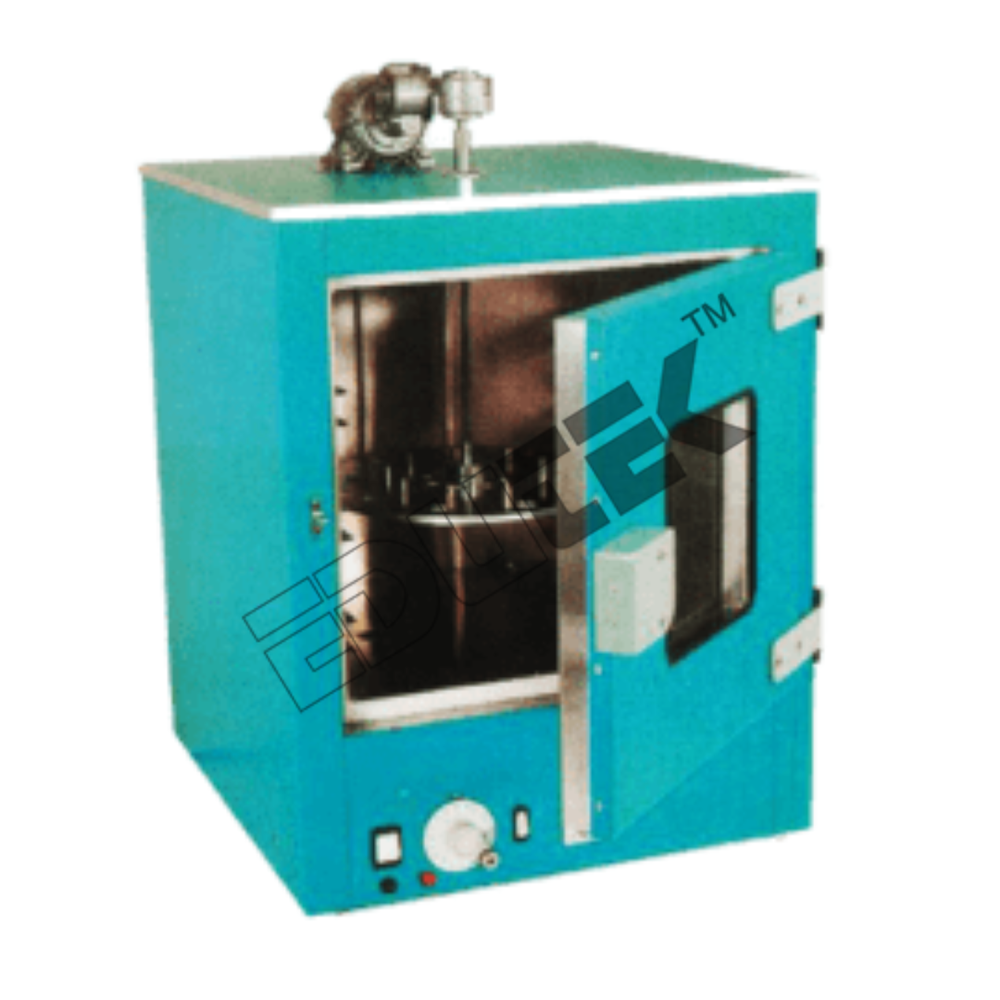
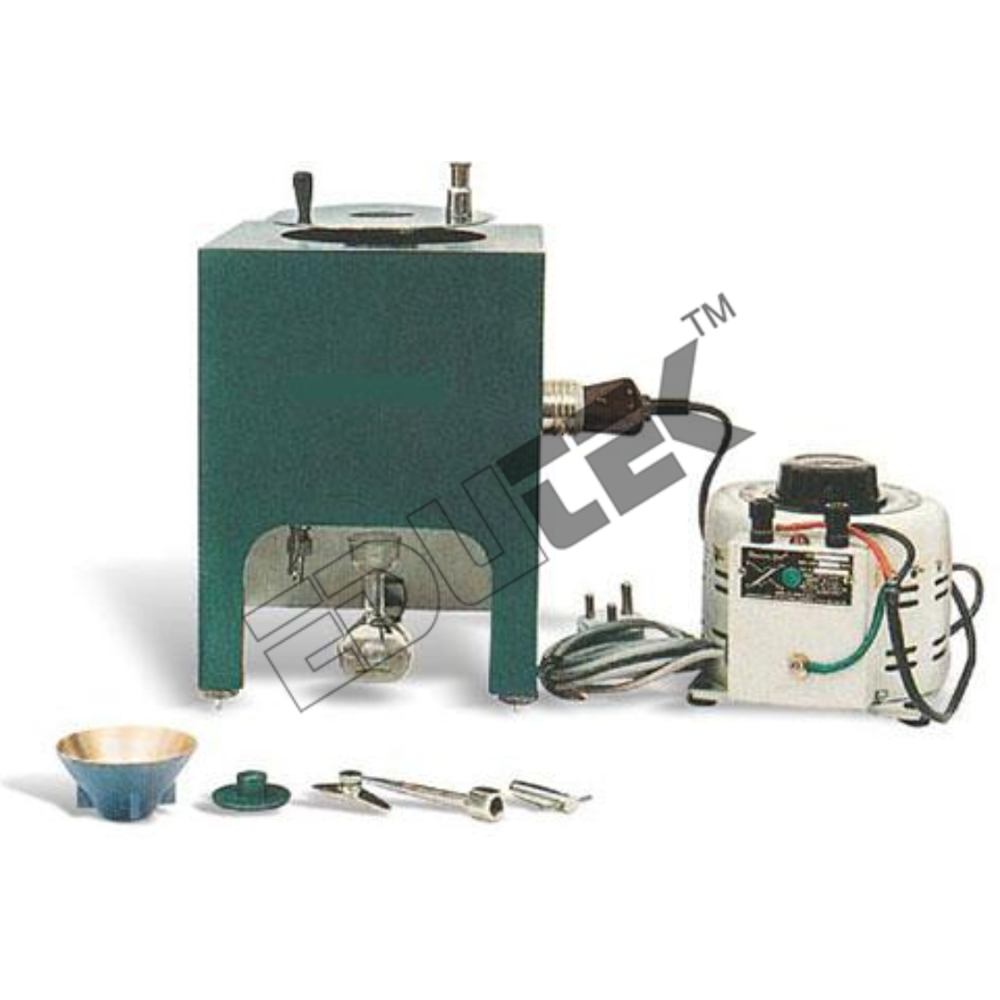
Bitumen Laboratory Mixer for mixing of Bitumen for making different types of test specimens for mix design in the laboratory. The apparatus comprises of A motor driven mixer which simultaneously imparts two motions to the mixing paddle i.e. revolving and planetary. A two speed gearbox is incorporated in the drive which makes the paddle revolve at approximately 140 and 285 rpm with corresponding planetary motion of 62 and 125 rpm respectively, A stainless steel mixing paddle of the specified shape and dimension which can be attached or removed easily, A stainless steel mixing bowl of about 6 Ltr capacity fitted with Heating Jacket for Heating of Sample at the Bottom of bowl with the thermostat controller. The mixing bowl can be held with the mixing apparatus and its height is adjustable.The bitumen laboratory mixer is fitted with HP motor. Suitable for Operation on 220 V, Single Phase, 50 Hz, AC Supply. Efficient Sample PreparationOptimize your bitumen and asphalt sample mixing with precise temperature and speed control. The advanced heating jacket and replaceable heavy-duty blades ensure consistent, high-quality results, making this mixer ideal for research and quality control applications.
Reliable Safety MechanismsWork confidently with integrated safety features including overload protection, a guard cover, and an interlock mechanism. The design minimizes operational risks and safeguards users during high-speed mixing, allowing uninterrupted focus on laboratory procedures.
Versatile Laboratory CompatibilityThe mixer accommodates standard laboratory beakers up to 5 litres and supports processing up to 5 kg of material. Its benchtop model and direct plug-in system make it suitable for various laboratory setups, ensuring easy installation and adaptability.
FAQs of Bitumen Laboratory Mixer:
Q: How is the Bitumen Laboratory Mixer installed and operated in the laboratory?
A: The mixer is a benchtop model designed for direct plug-in use with a standard 230 V AC, 50 Hz single-phase power source. Simply place it on a stable laboratory counter, connect to power, and select your desired speed and temperature using the digital control panel.
Q: What is the process for mixing bitumen and asphalt samples using this mixer?
A: Place your sample in a compatible laboratory beaker (4.7 to 5 litres), secure the mixer blades, set the desired mixing speed (20 to 480 rpm), and adjust heating up to +200C as required. The PID-controlled digital regulator maintains consistent speed and temperature throughout the process.
Q: When should blade and motor maintenance be performed on the mixer?
A: The mixer requires minimal maintenance. It is recommended to periodically inspect the mixing blades and motor, especially after extensive use, to ensure optimal performance and longevity.
Q: Where can the Bitumen Laboratory Mixer be used?
A: This mixer is suitable for research laboratories, quality control facilities, and educational institutions where preparation of bitumen, asphalt, or similar material samples is necessary. Its portability and benchtop design enable flexible placement in various lab environments.
Q: What safety features protect users during mixer operation?
A: User safety is ensured by overload protection systems, a guard cover, and an interlock mechanism. These features prevent accidental exposure to moving parts and overheating, making the mixer safe for daily laboratory operations.
Q: How does the heating arrangement benefit laboratory mixing procedures?
A: The integral heating jacket provides precise temperature control up to +200C, aiding the uniform mixing of temperature-sensitive materials like bitumen and asphalt. This results in improved sample consistency and accuracy during tests and experiments.
Q: What are the advantages of using this mixer for bitumen sample preparation?
A: The mixer offers heavy-duty performance with adjustable speed, reliable heating, accurate PID control, and minimal operational noise. High-grade mild steel construction and strong wooden box packing ensure durability and secure transit, making it a robust solution for laboratory mixing tasks.




 Send Inquiry
 Send Inquiry

