About Standard Compaction Test
Standard Compaction Test
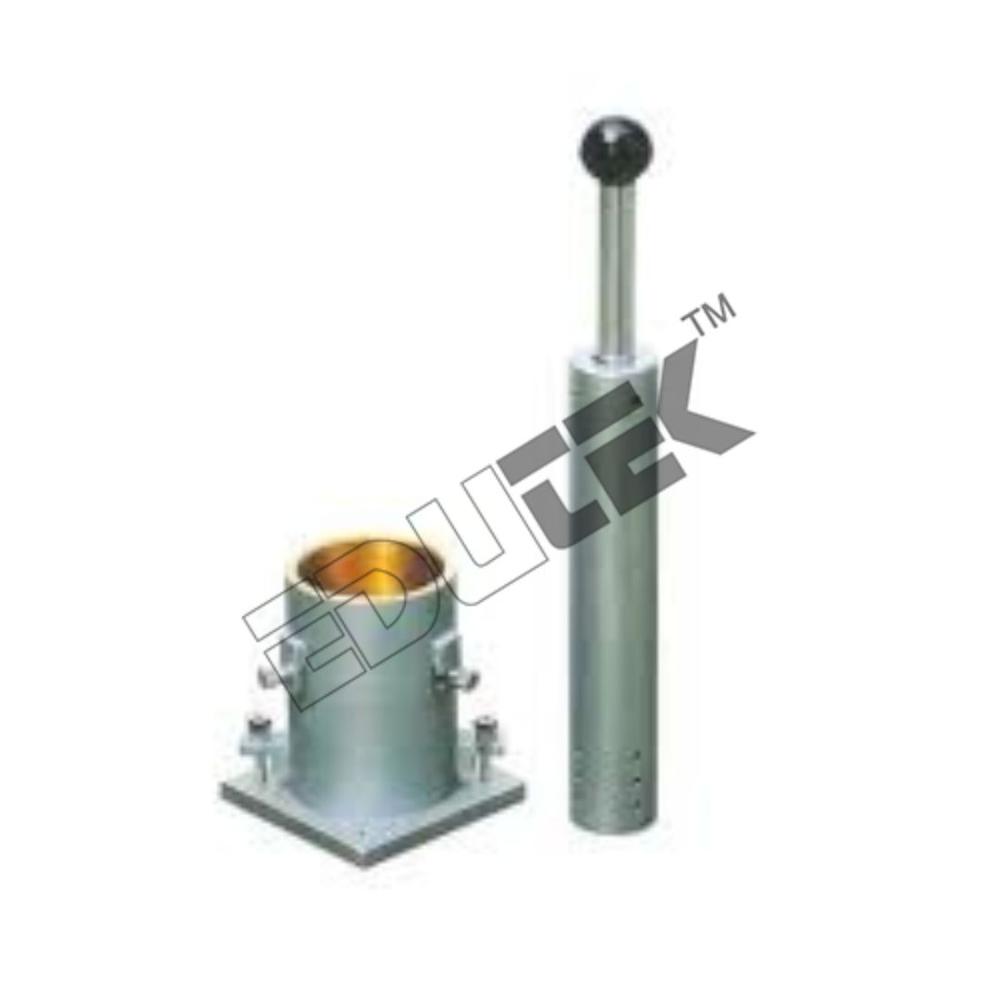
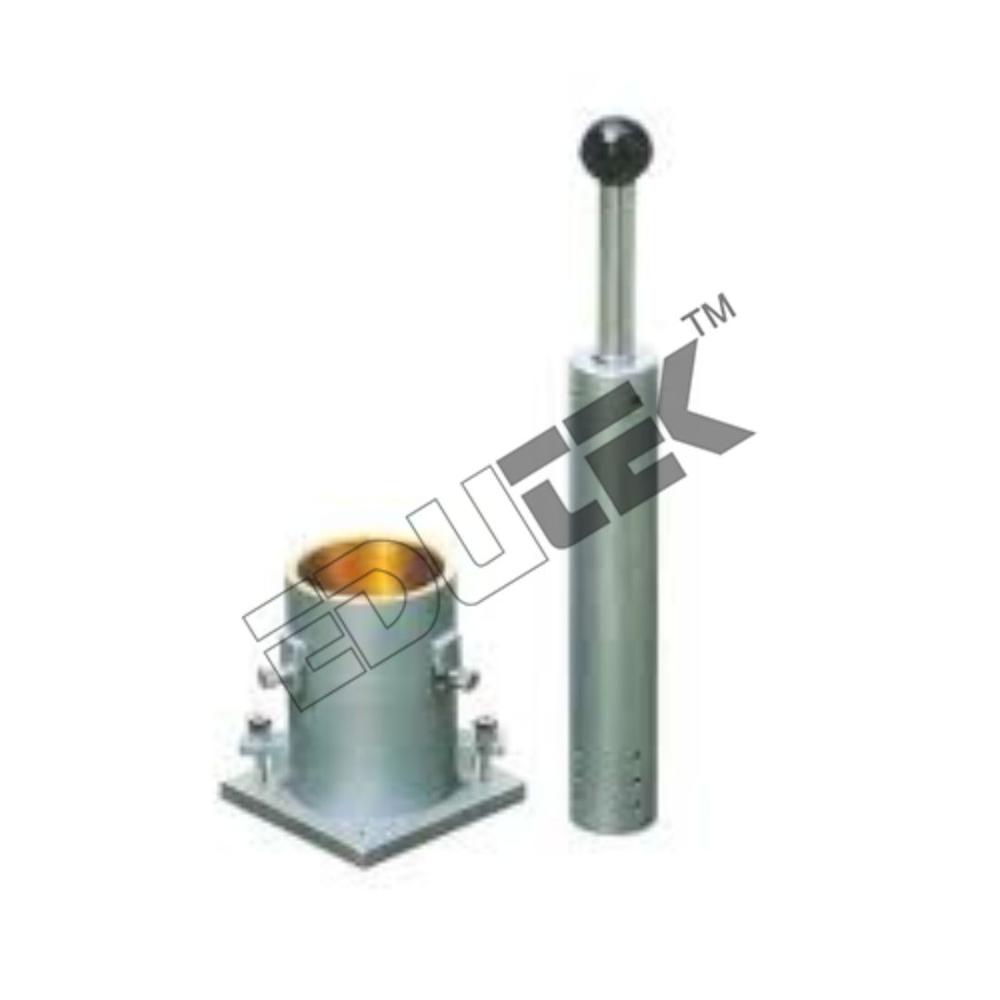
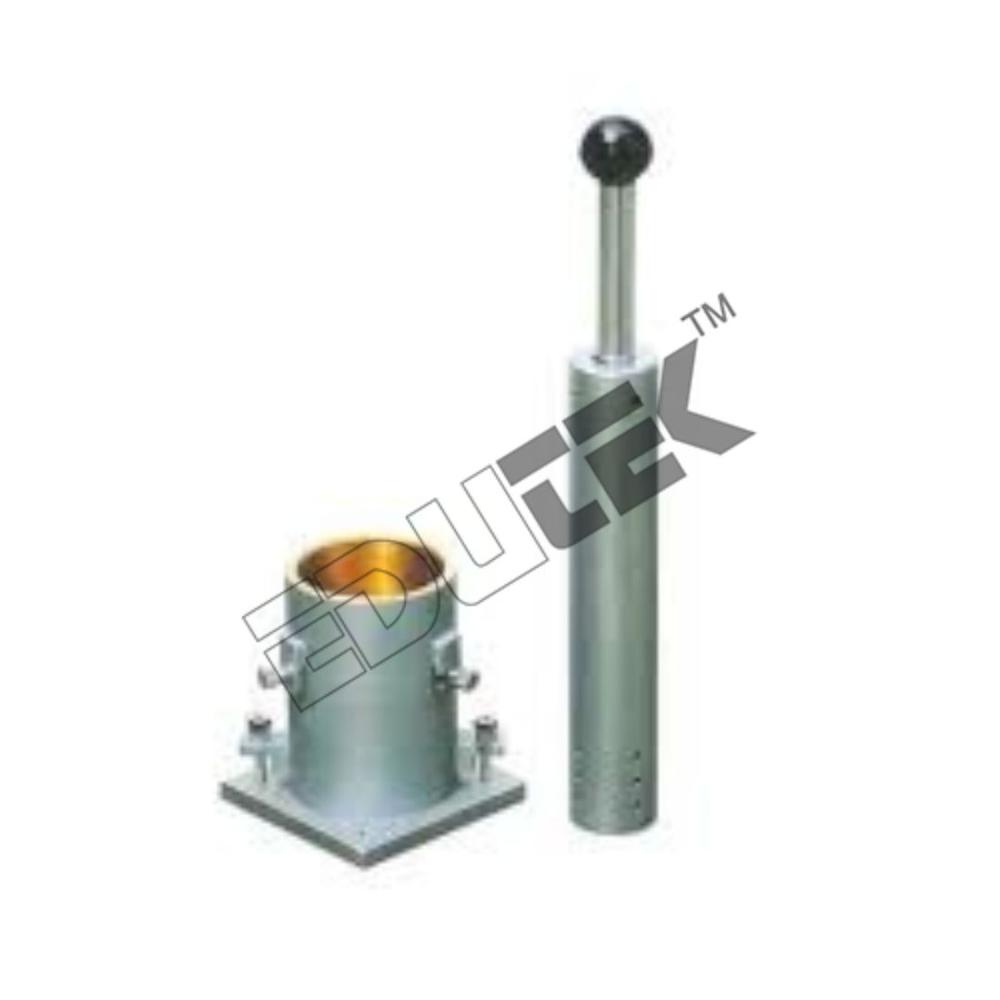
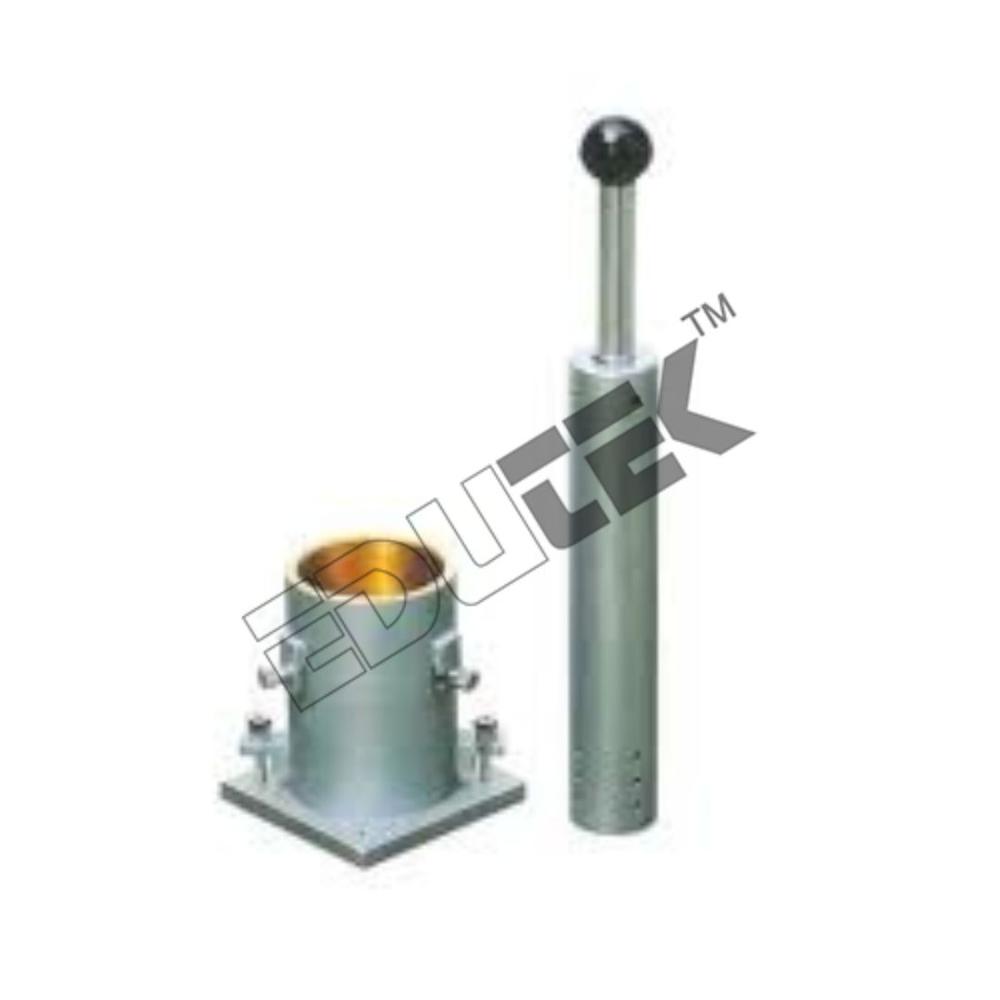
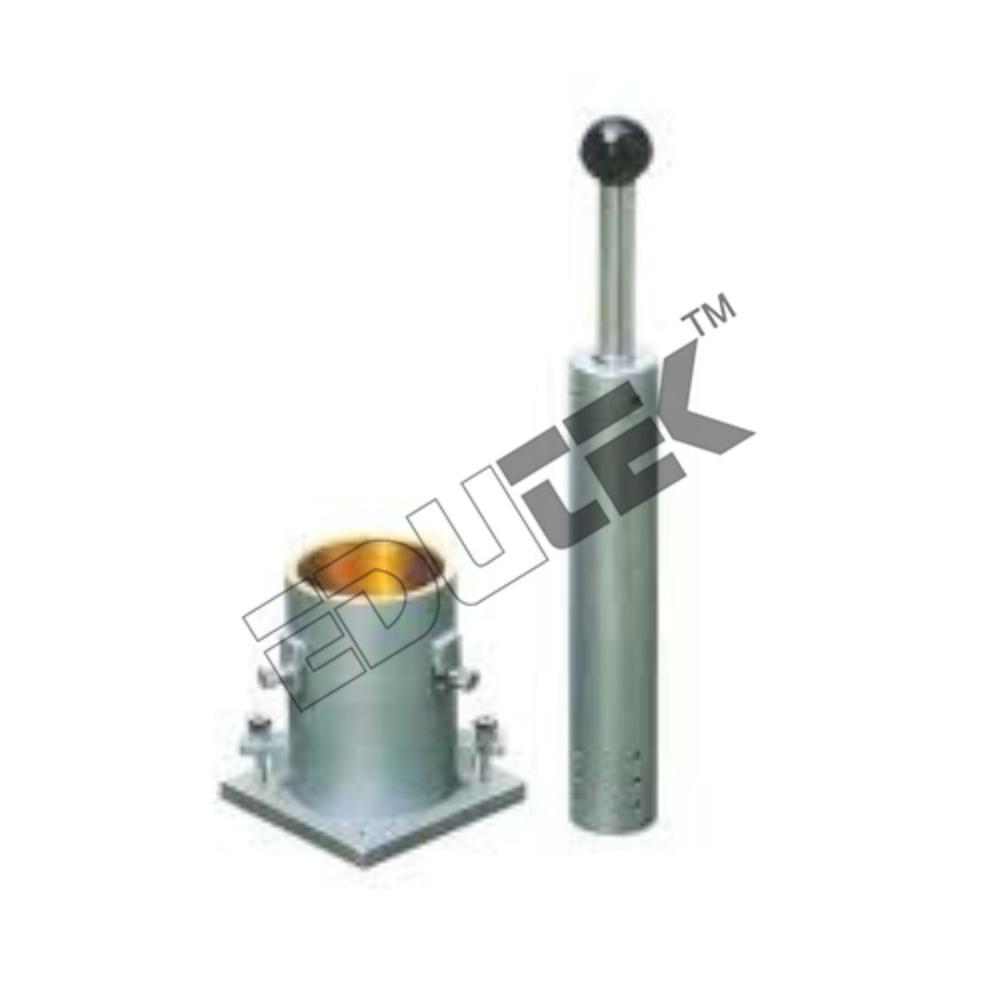
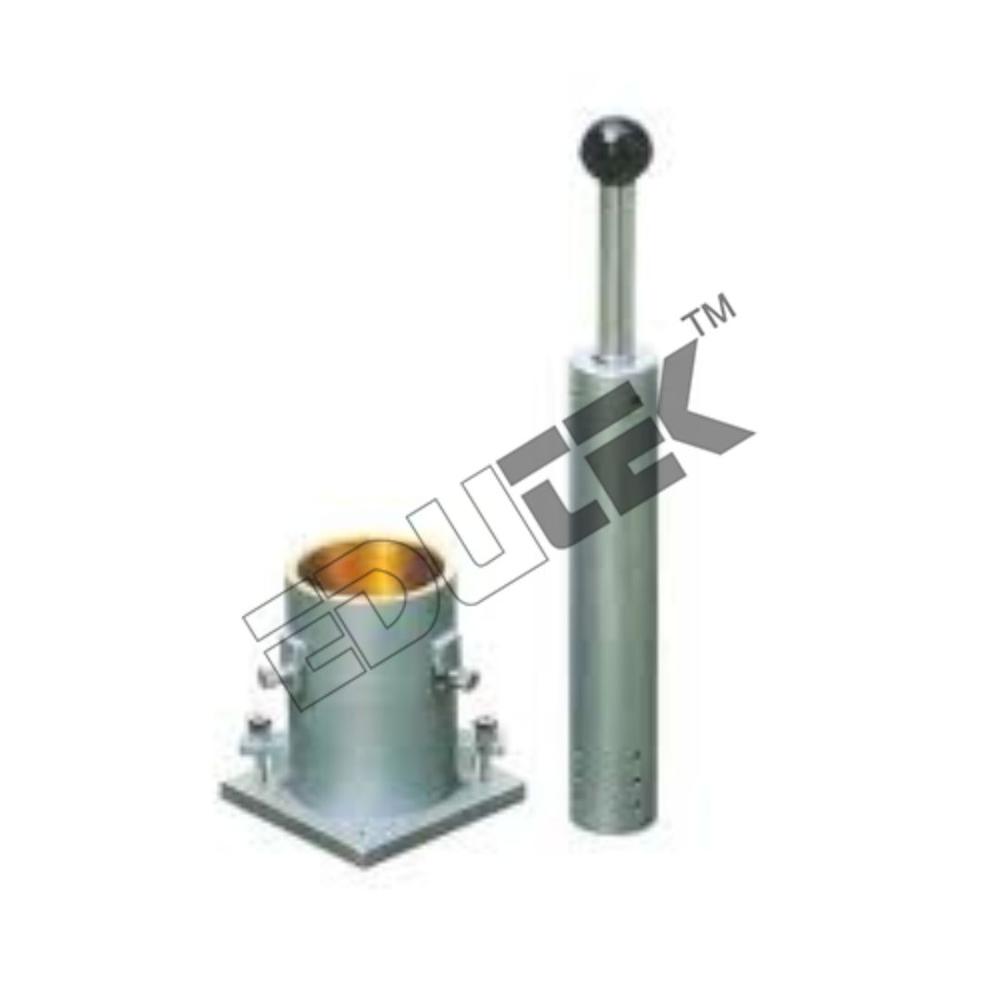
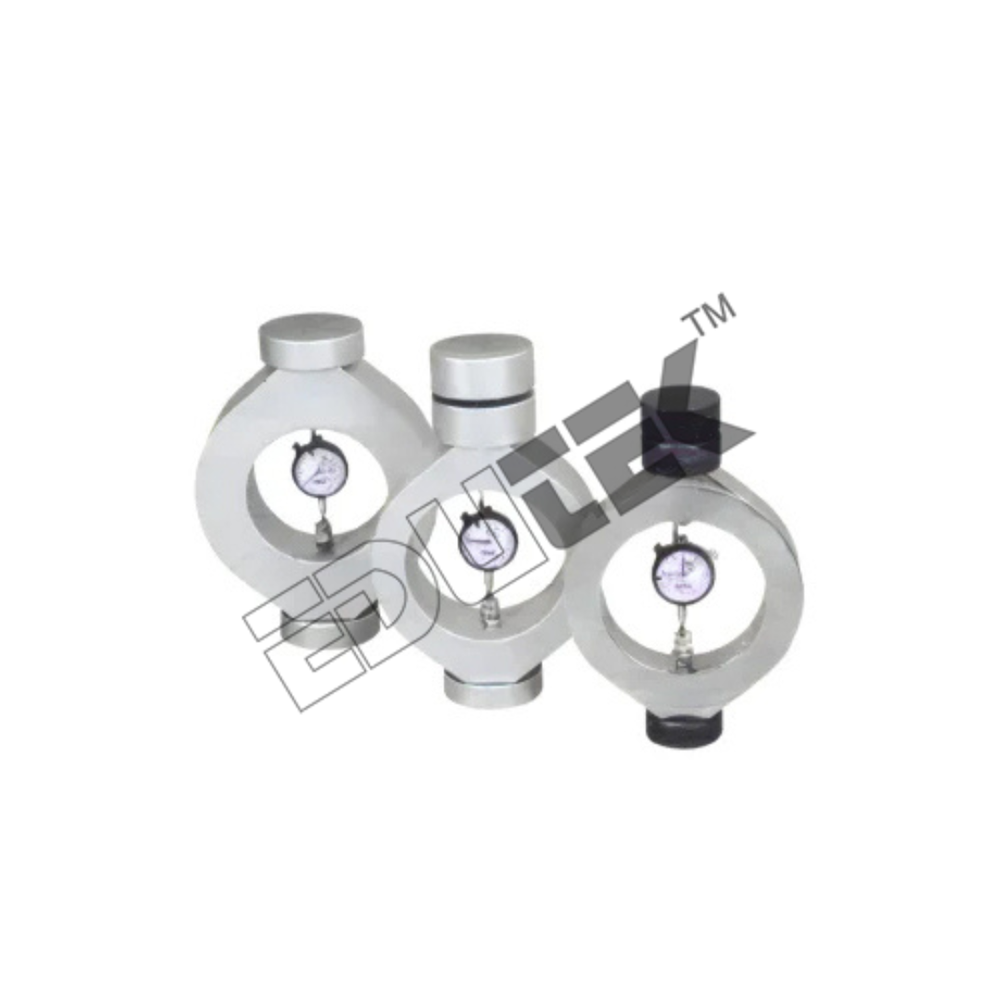
The apparatus consists one each of compaction mould steel, 100 mm I.D. x 127.3mm height x 1000 cc. volume, complete with collar and base plate. Compaction Rammer is 2.6 kgs in weight x 310mm controlled fall.
NOTE : Instead of steel moulds gunmetal moulds are also available.
Reliable Steel ConstructionCrafted entirely from high-grade steel, this compaction equipment guarantees exceptional durability and resilience under demanding laboratory conditions. Its corrosion-resistant surface ensures longevity and maintains consistent performance throughout repeated usage in professional settings.
Manual Operation for PrecisionThis standard compaction testing device employs a manual power source, enabling precise control over the application of compactive effort. The straightforward operation makes the equipment accessible for a wide range of users in soil analysis and research environments.
FAQs of Standard Compaction Test:
Q: How is the Standard Compaction Test equipment operated manually?
A: The equipment is manually operated by applying the required compactive energy using a hand-powered mechanism, allowing users to control the process and ensure accurate soil density assessments.
Q: What materials are used to manufacture the Standard Compaction Test apparatus?
A: The apparatus is constructed primarily from high-quality steel for its core components, providing strength, corrosion resistance, and durability in laboratory environments.
Q: When is the Standard Compaction Test used during soil analysis?
A: This test is typically conducted during geotechnical investigations and construction projects, whenever determination of soil compaction and optimum moisture content is essential.
Q: Where is the Standard Compaction Test equipment commonly utilized?
A: It is widely used in civil engineering laboratories, construction sites, and geotechnical research facilities to assess soil compaction properties for various project requirements.
Q: What is the process of performing a Standard Compaction Test using this equipment?
A: The process involves preparing a soil sample, placing it in the mold, and manually compacting it in layers with a rammer before measuring the resulting density and moisture content.
Q: How does using a manual power source benefit the compaction test?
A: Manual operation gives users enhanced control over the compaction process, ensuring standardization and reliability of test outcomes on a variety of soil types.





 Send Inquiry
 Send Inquiry

