About Rebound Hammer .
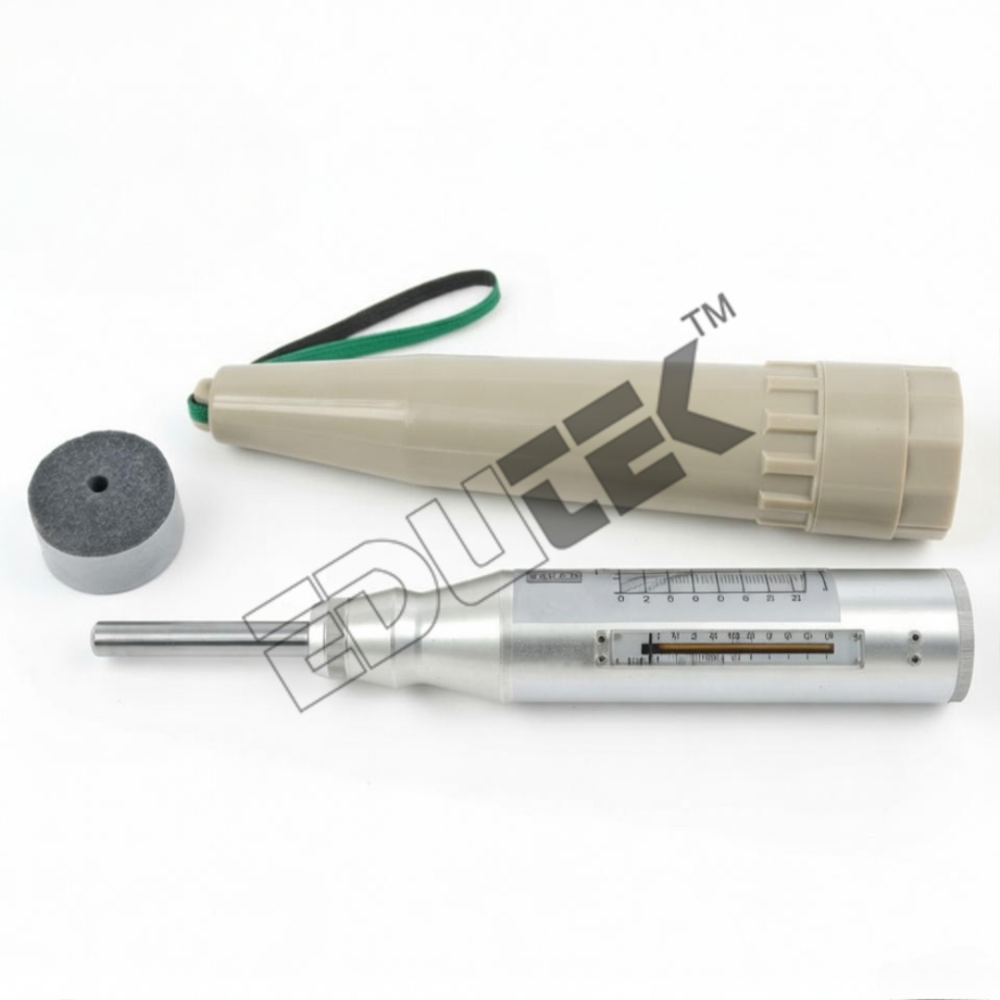
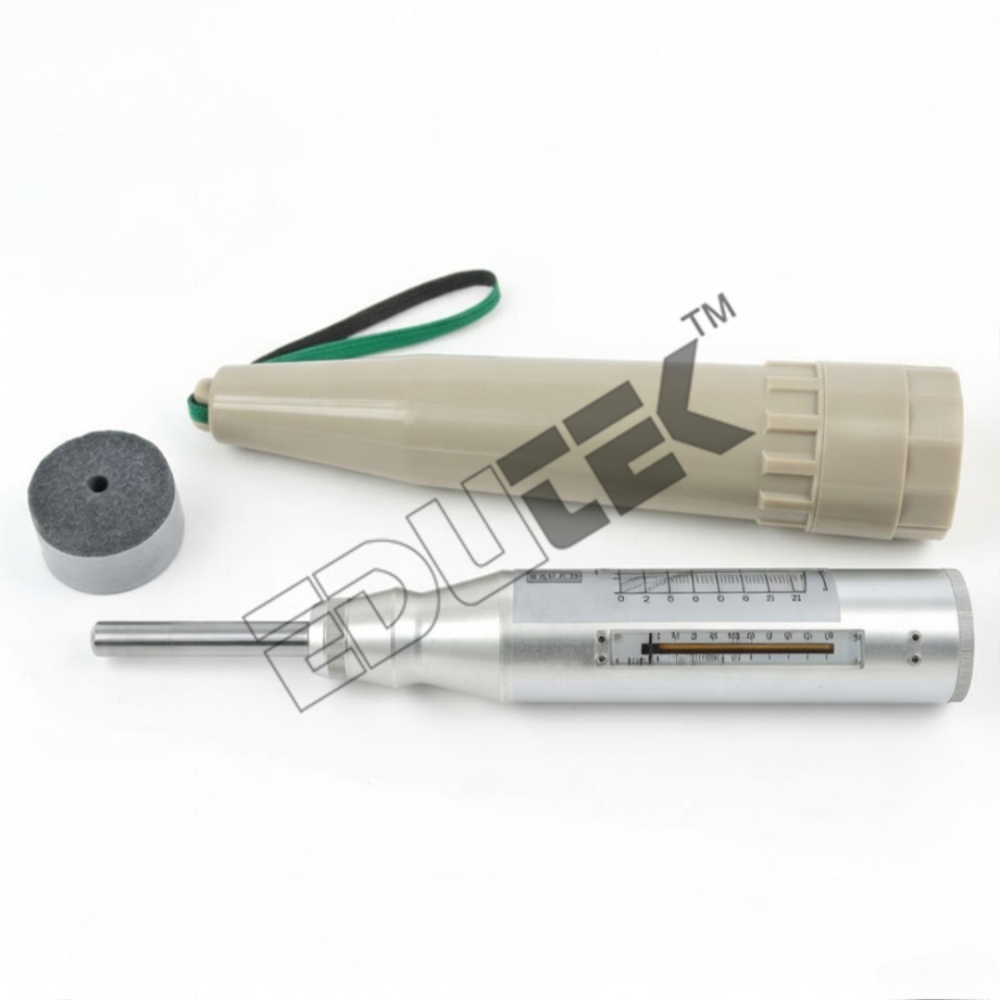
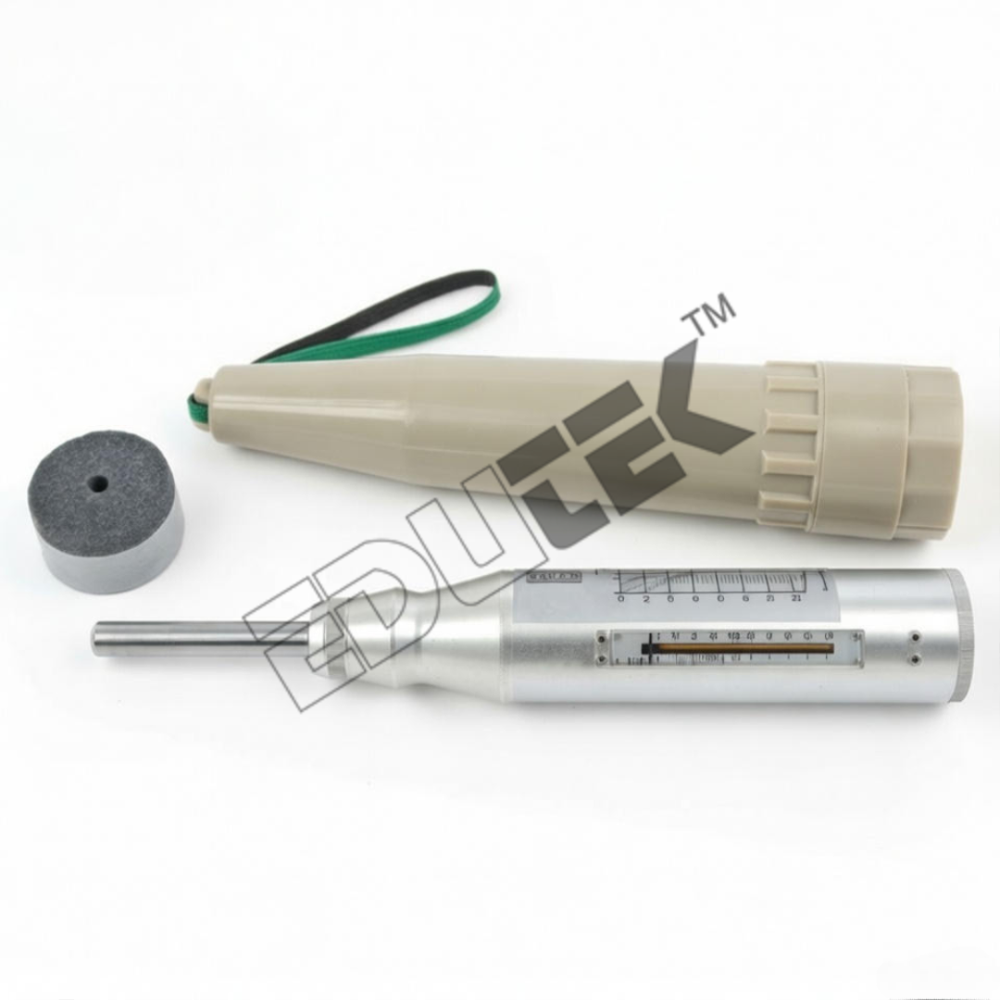
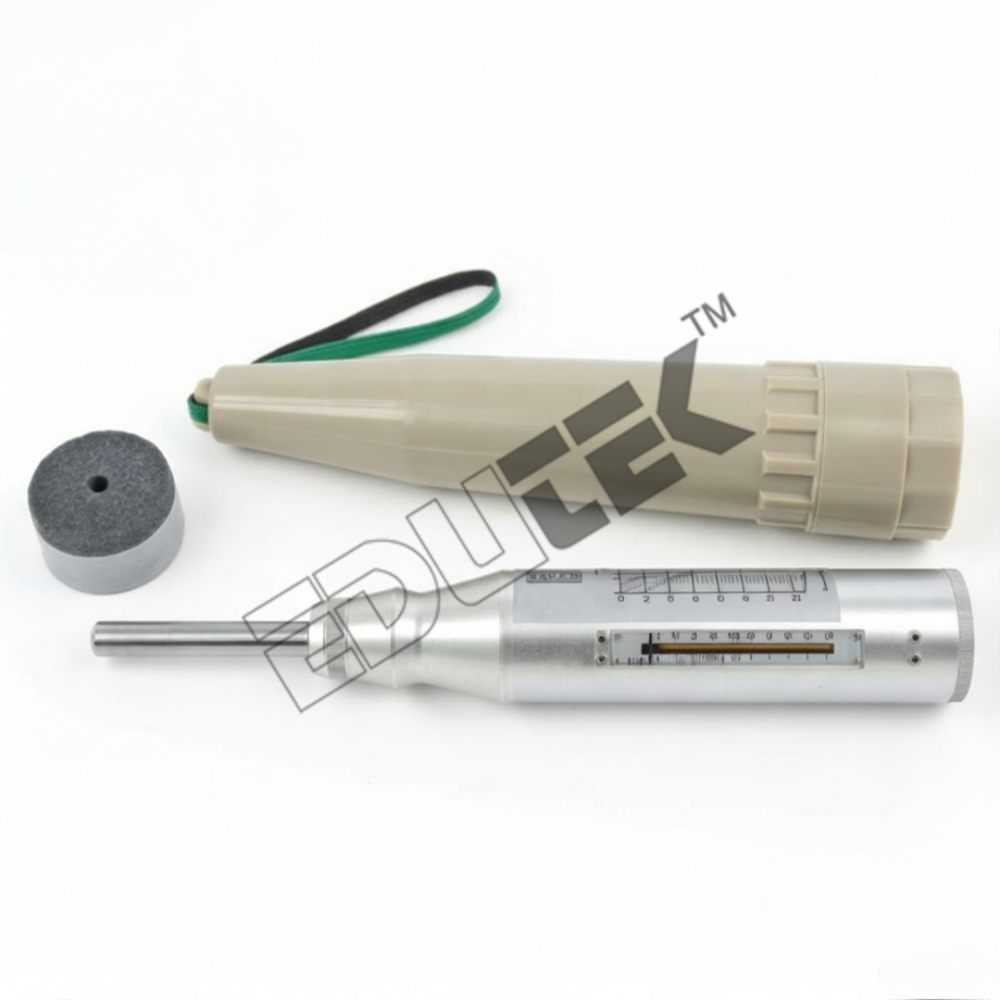
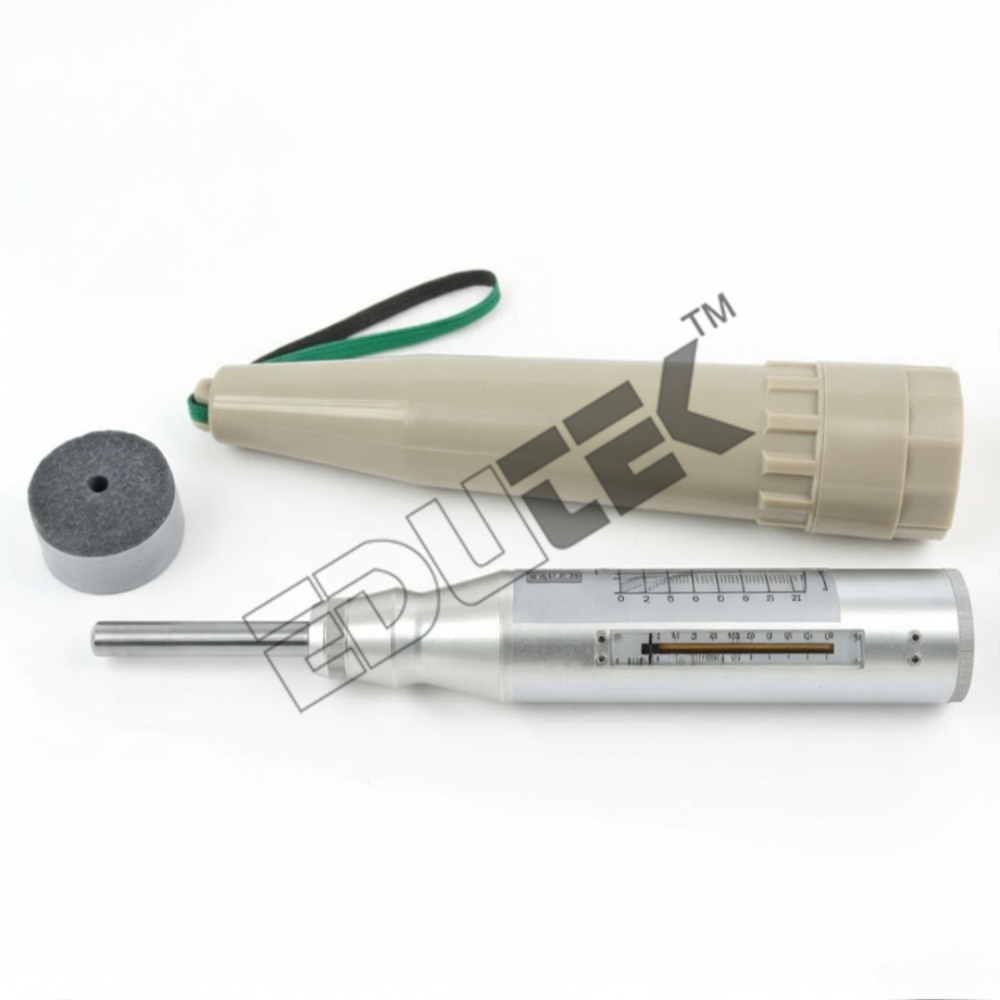
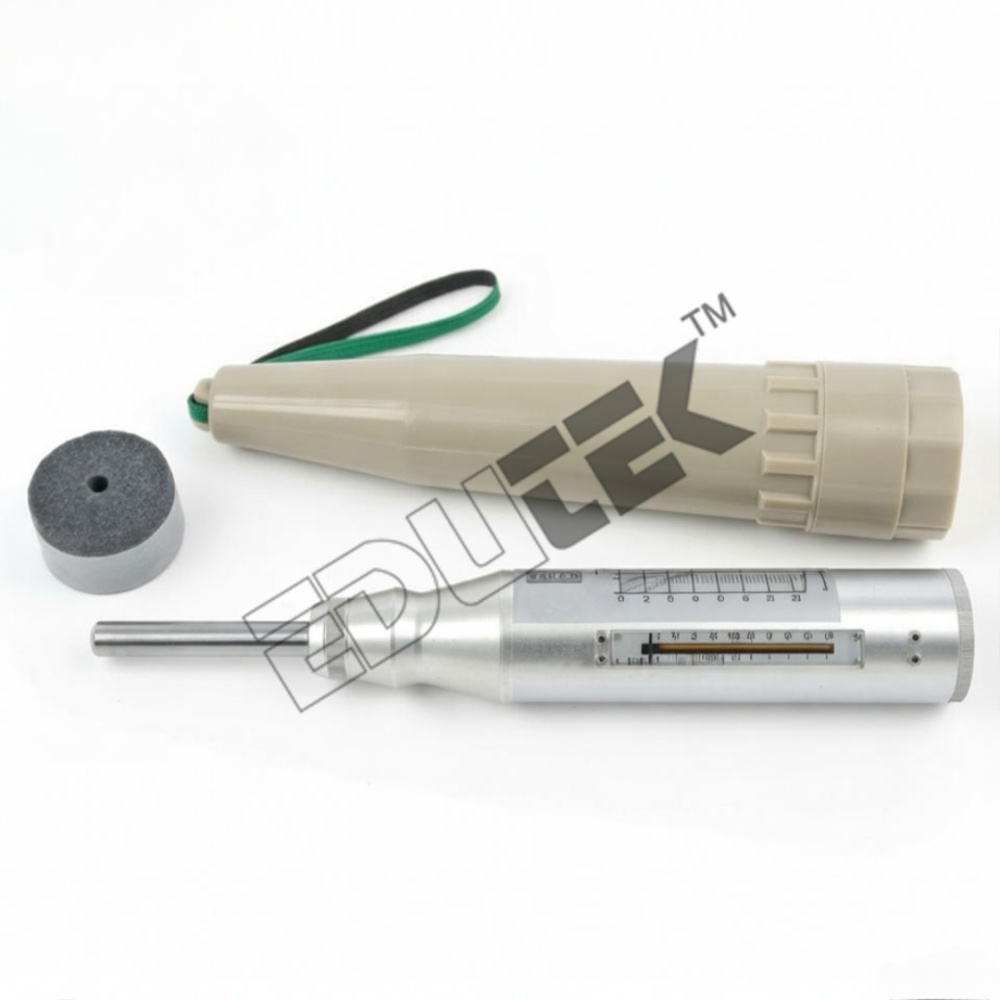
REBOUND HAMMER
Edutek are manufacturer and Exporter of Material testing Equipment manufacturer, Concrete Testing Equipment Exporter, Civil Engineering Soil testing Equipment.
Use: Hardness test (Packed in a carrying case and stores on shelves).
Specifications of Rebound Hammer :
Capacity: compressive strength of 10 - 70N/mm2
Impact energy: 2.207 Nm.
Accessories Rebound Hammer
- Calibration anvil.
- Used for calibration of concrete test hammers.
- Made of alloy steel.
Reliable Non-Destructive TestingEvaluate concrete compressive strength quickly and without damage. The rebound hammer offers portable, accurate, and maintenance-free testing, making it ideal for on-site assessments by engineers, contractors, and quality control experts. It requires no external power, ensuring convenient usage in different environments.
Engineered for Durability and PrecisionCrafted from an aluminum alloy body and featuring a hardened steel plunger, this tool stands up to tough work conditions while maintaining precise accuracy. The analog scale and calibrated mechanism ensure consistent, meaningful readings that comply with standard industry protocols.
Versatile Application in Civil EngineeringPerfect for assessing structural integrity in new and existing concrete structures, the hammer functions effectively within -10C to 60C and humidity 90% RH. It is suitable for projects ranging from infrastructure development to routine inspections, supported by a convenient carrying case for enhanced mobility.
FAQs of Rebound Hammer:
Q: How does the rebound hammer measure concrete compressive strength?
A: The rebound hammer uses a spring-driven steel hammer to impact the concrete surface. The rebound distance of the plunger, indicated on the analog scale, correlates with surface hardness and is translated into compressive strength using a standard calibration curve.
Q: What are the benefits of using this rebound hammer for civil engineering projects?
A: It enables rapid, non-destructive testing of concrete, allowing for quality assessment without core sampling. Its portability, manual operation, and maintenance-free design make it ideal for field use, saving time and resources while delivering reliable results.
Q: When should the rebound hammer be used during a construction project?
A: The device is typically employed after concrete has adequately cured, often during periodic structural assessments or quality control inspections to verify compressive strength before project progression or final assessment.
Q: Where can this rebound hammer be effectively utilized?
A: It is suitable for on-site use in construction zones, bridges, buildings, and other concrete structures. Its robust construction and broad environmental tolerance allow operation across a wide range of temperatures and humidity levels.
Q: What is the typical process for using the rebound hammer?
A: To use, simply press the plunger against a clean, smooth section of concrete and release the spring mechanism for a single impact. The rebound value on the analog scale is then referenced against the calibration chart to determine compressive strength in MPa or N/mm.
Q: What features ensure the durability and accuracy of this concrete rebound hammer?
A: The device is engineered with an aluminum alloy body, hardened steel plunger tip, and a calibrated analog scale, providing excellent durability, stable readings, and resistance to harsh working conditions.
Q: Is any maintenance required for the rebound hammer?
A: No regular maintenance is needed. The tool is designed to be maintenance-free, although keeping it clean and storing it in its supplied protective carrying case will help maintain optimal performance.




 Send Inquiry
 Send Inquiry

