About Liquid Limit Device
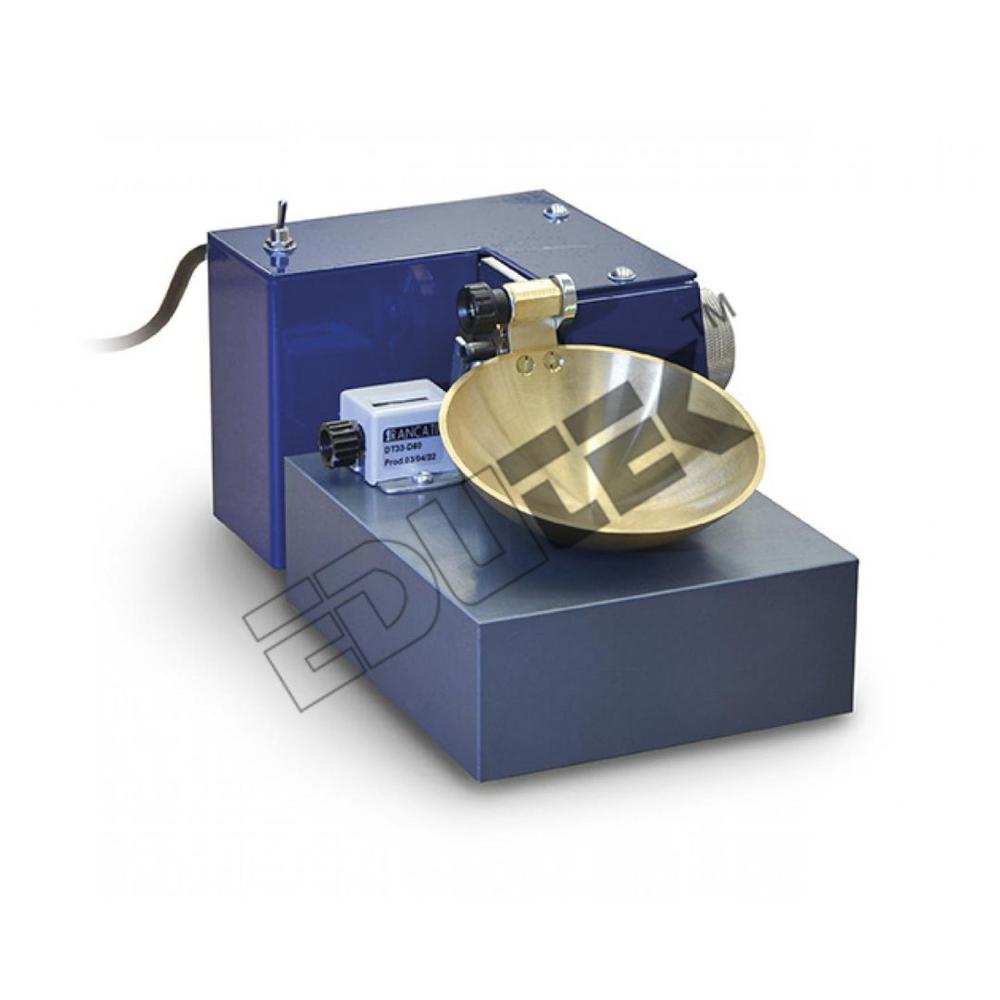
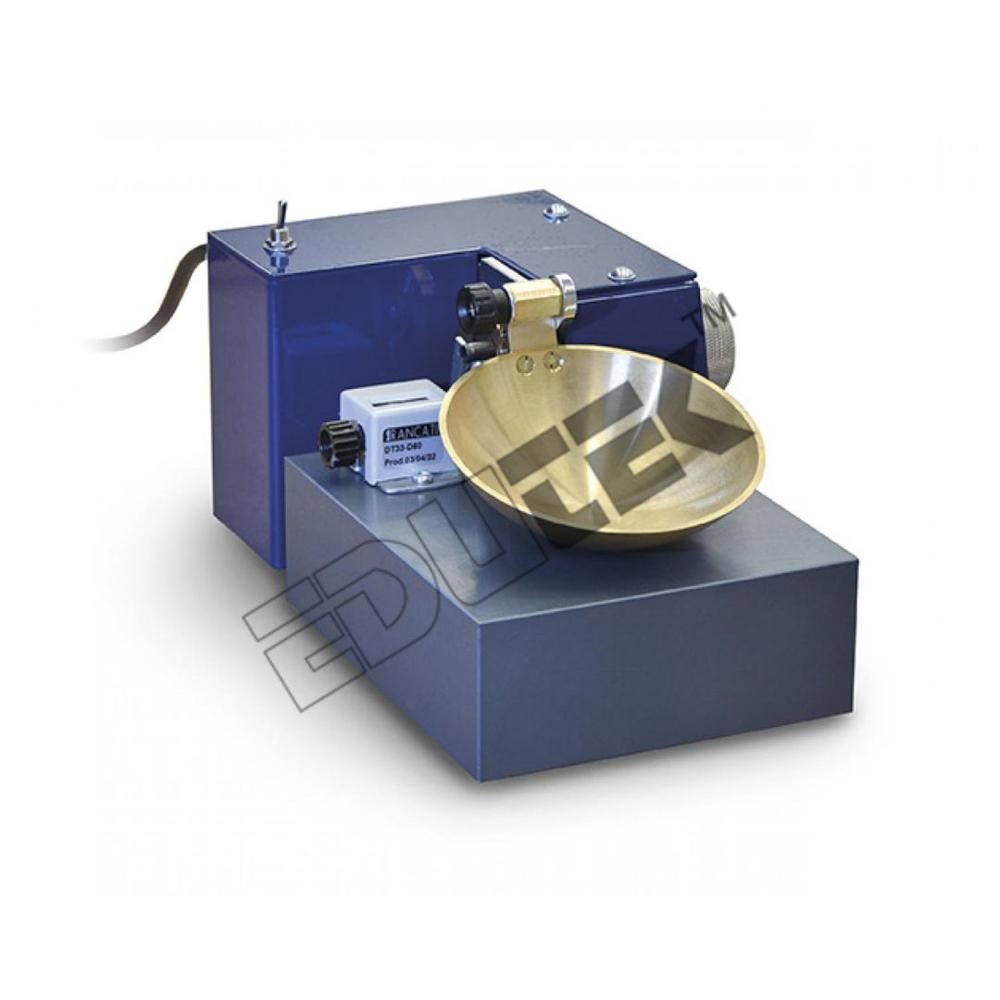
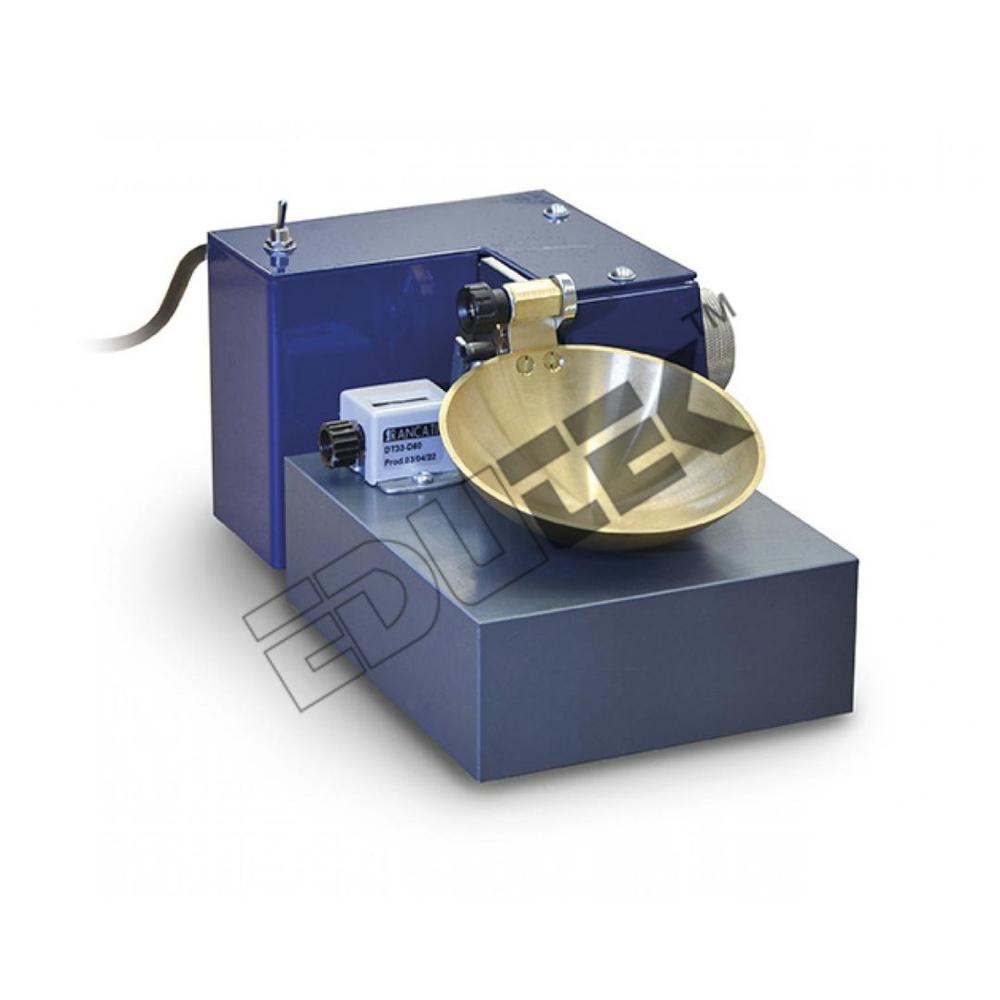
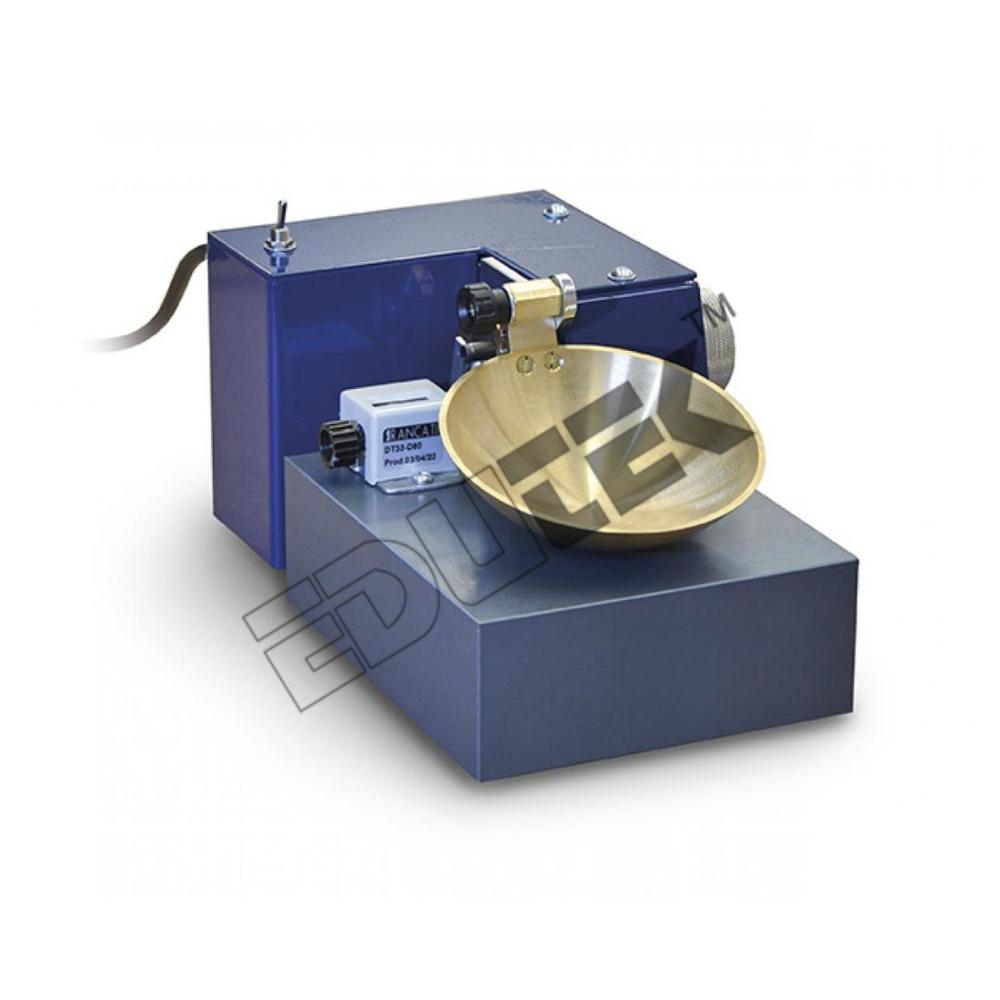
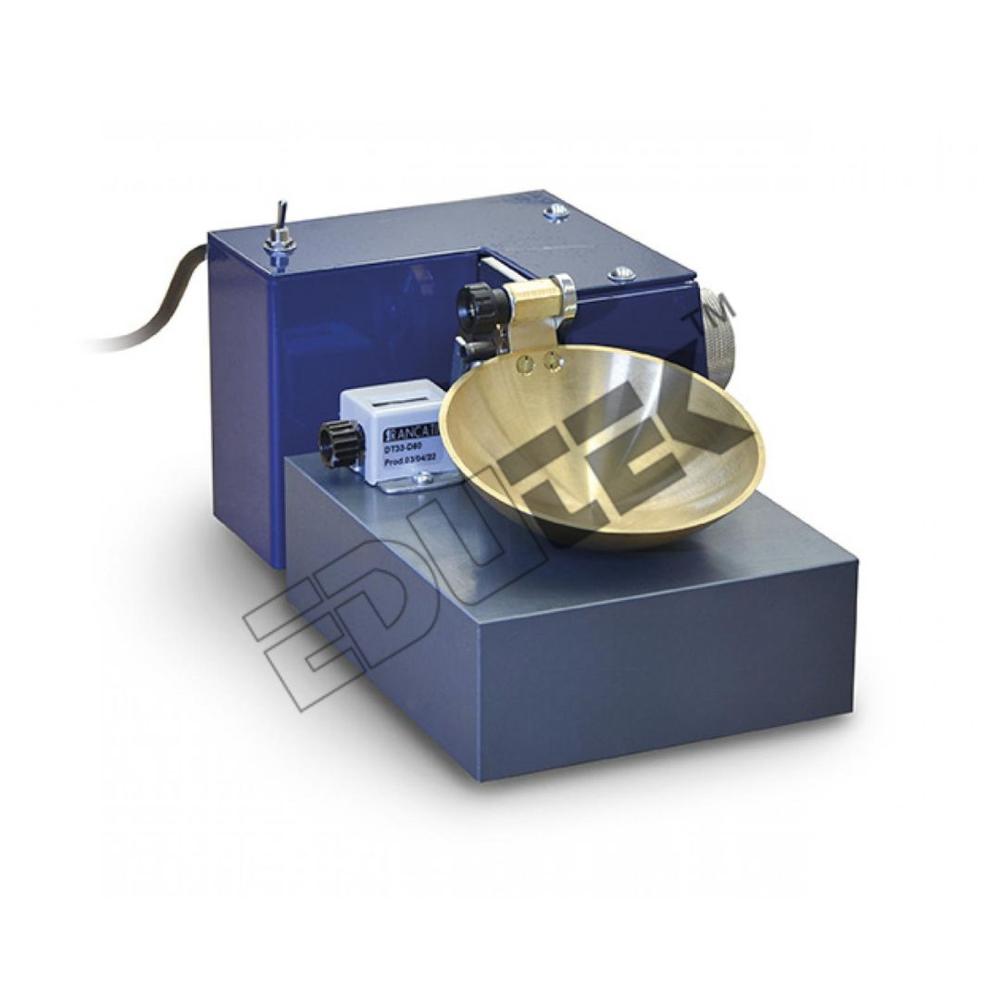
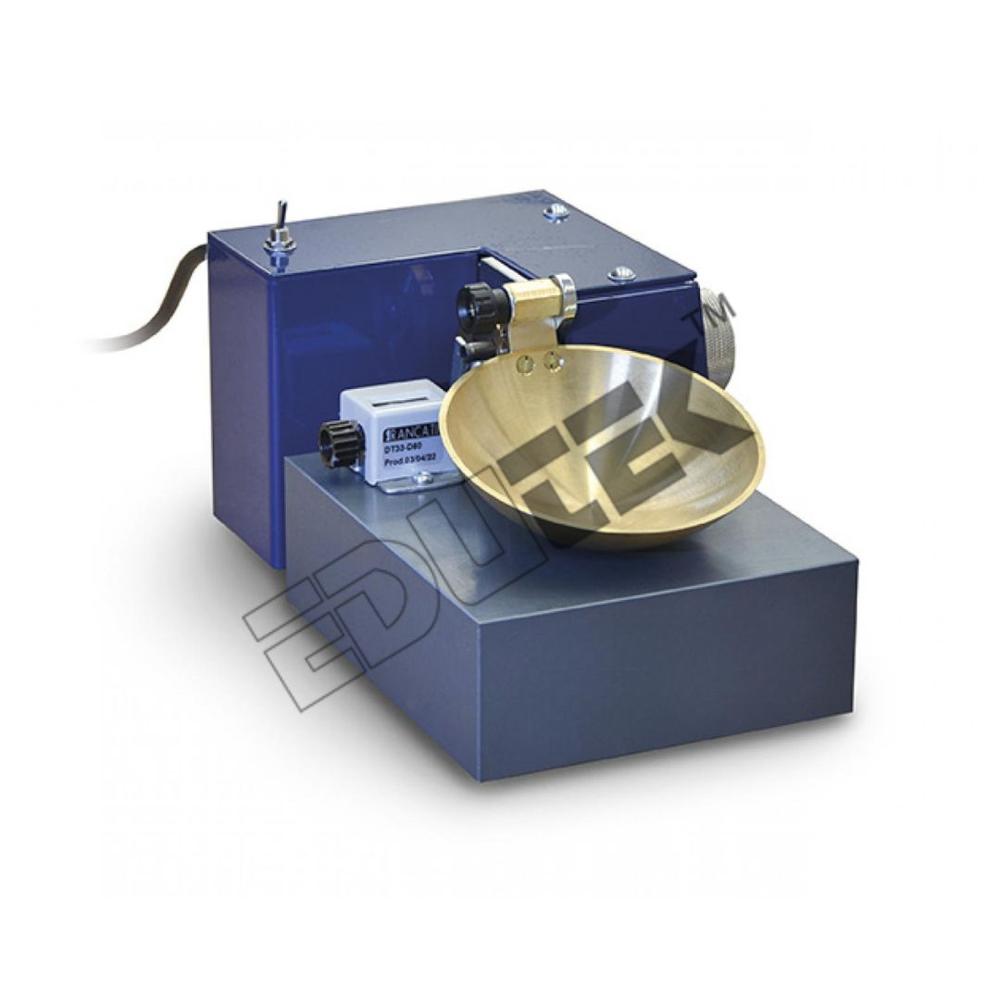
Liquid Limit Device Motorized
Casagrande method in mechanical form is known as liquid limit method and has been in use for soil mechanics for a number of decades. The liquid limit data of soils is useful to correlate mechanical properties of soil, such as compressibility and lower shear strength. Liquid limit is the water content at which soil passes from zero strength to an infinite strength, hence the true value of liquid limit cannot be determined. For determination purpose liquid limit is that water content at which a part of soil, cut by a groove of standard dimensions, will flow together for a distance of 1.25cm under an impact of 25 blows in a standard liquid limit apparatus. The soil at the water content has some strength which is about 0.17N/cm. sq. (17gms/sq.cm.) . At this water content soil just passes from liquid state to plastic state. It consists on a brass cup held on an adjustable bracket. The cup can be adjusted for a fall of 1 cm and can be raised an dropped on a rubber base of standard hardness by cam action. Complete with one Casagrande grooving tool, one ASTM grooving tool and a height gauge block.
Same as ESTE-4 but fitted with a motor geared down to give approximately 120 rpm. Suitable for operation on 230 V A.C., Single Phase, 50 Cycles.
SPARES :Casagrande grooving tool. ASTM grooving tool, height block, 1cm high.
Precision Compliance with International StandardsThis device strictly adheres to IS: 2720 (Part 5) and ASTM D4318 standards, ensuring reliable and repeatable results in determining the liquid limit of soil. Laboratories can confidently rely on its accuracy and conformity for routine geotechnical analysis.
Durable Build and User-Friendly FeaturesConstructed with premium materials such as brass, hardened steel, and Bakelite, the device offers exceptional wear resistance and ease of maintenance. Its powder-coated base provides advanced corrosion protection, while the ergonomically designed handle ensures comfortable operation during testing.
Efficient Soil Liquid Limit MeasurementThe precision cam mechanism maintains a consistent drop height with every revolution, streamlining the liquid limit determination process. The supplied grooving tools enable accurate sample preparation for both ASTM and Casagrande methods, facilitating reliable Atterberg tests in laboratory environments.
FAQs of Liquid Limit Device:
Q: How is the Liquid Limit Device used in a laboratory setting?
A: The device is used to determine the liquid limit of soil by gradually dropping a brass cup containing soil across a hard steel base, following IS: 2720 (Part 5) and ASTM D4318 procedures. Operators manually rotate the cam, ensuring consistent drop height, and use grooving tools for precise sample shaping during each test.
Q: What standards does the Liquid Limit Device comply with?
A: This device complies fully with IS: 2720 (Part 5) and ASTM D4318 standards, making it suitable for professional soil analysis in geotechnical laboratories and educational settings requiring standardized testing procedures.
Q: When should the grooving tools be used during soil testing?
A: Grooving tools are employed after placing the soil sample in the brass cup. They help create a uniform groove in the soil, which is critical for accurate measurement of the number of drops required to close the groove as per standardized methods.
Q: Where can this Liquid Limit Device be installed?
A: Designed for use in laboratories, it can be conveniently installed on any stable benchtop surface with ambient room conditions. Its compact dimensions (approx. 200 x 120 x 180 mm) allow easy placement in varied laboratory environments.
Q: What are the benefits of the precision cam mechanism?
A: The precision-engineered cam mechanism ensures a consistent drop height (about 10 mm per revolution), crucial for repeatability and accuracy in liquid limit measurements and compliance with standard testing protocols.
Q: What maintenance is required for this device?
A: Routine maintenance involves wiping down the brass cup, steel base, and grooving tools after use. The powder-coated base makes cleaning easier and enhances the devices corrosion resistance, ensuring low maintenance needs and long-lasting performance.




 Send Inquiry
 Send Inquiry

