About Relative Density Test
Relative Density Test
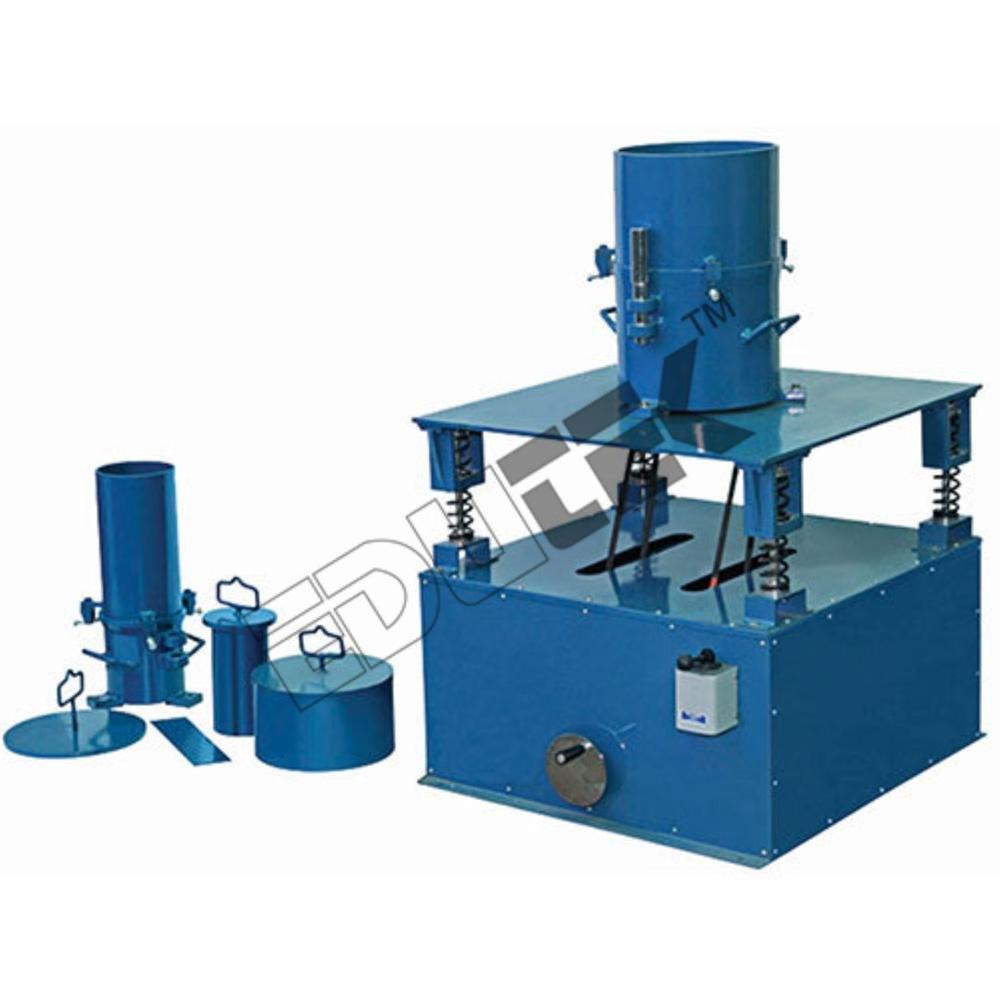
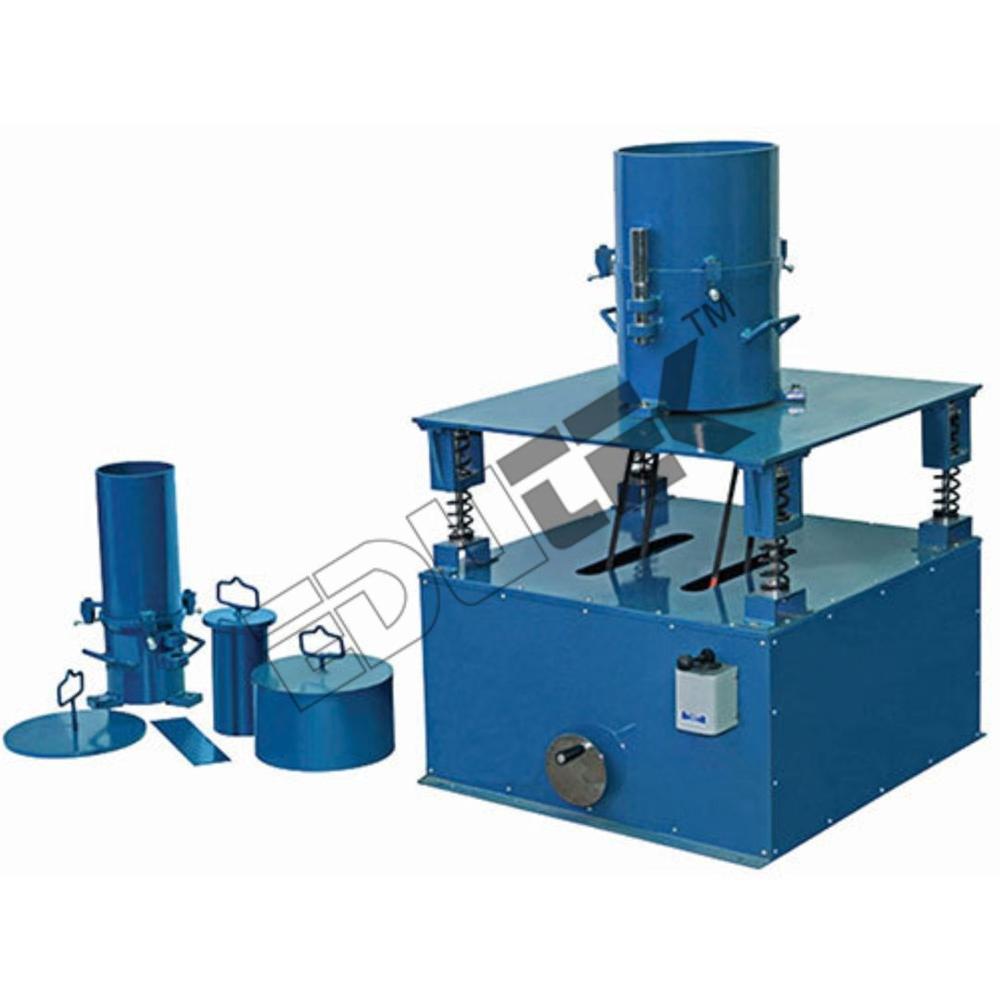
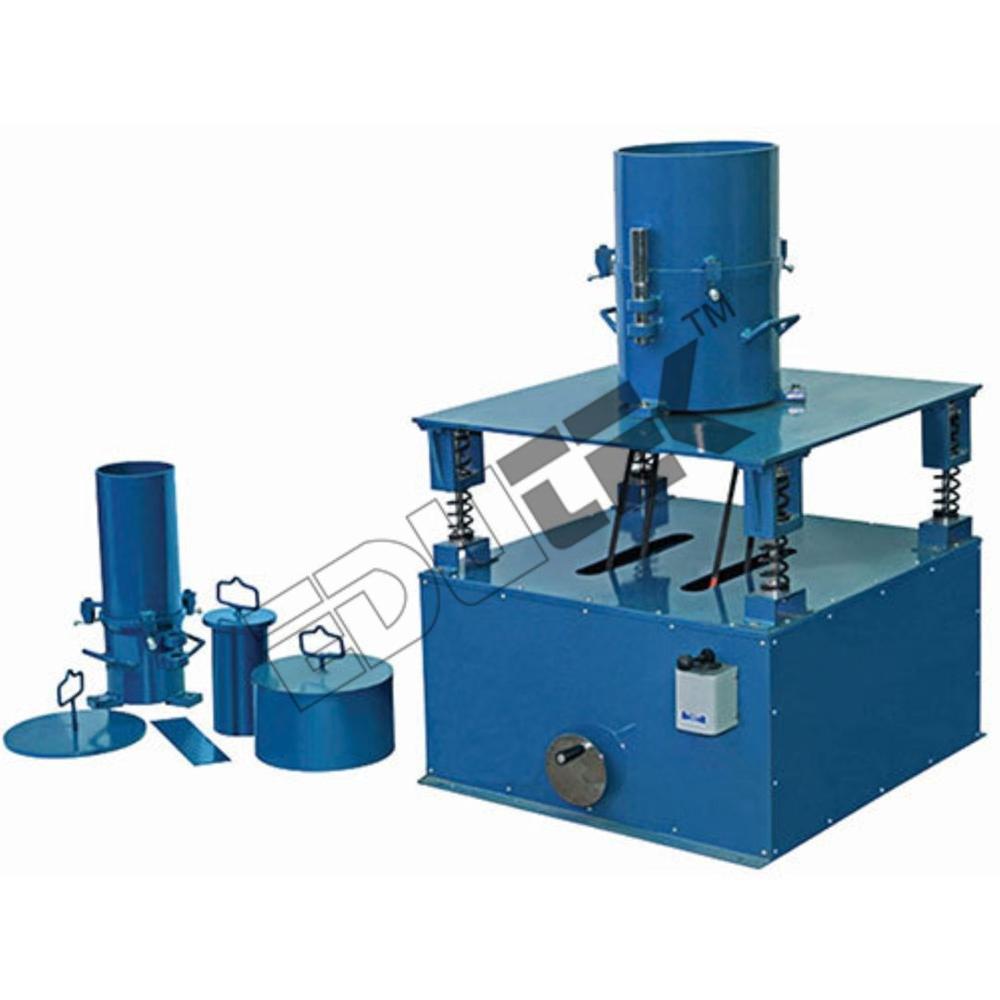
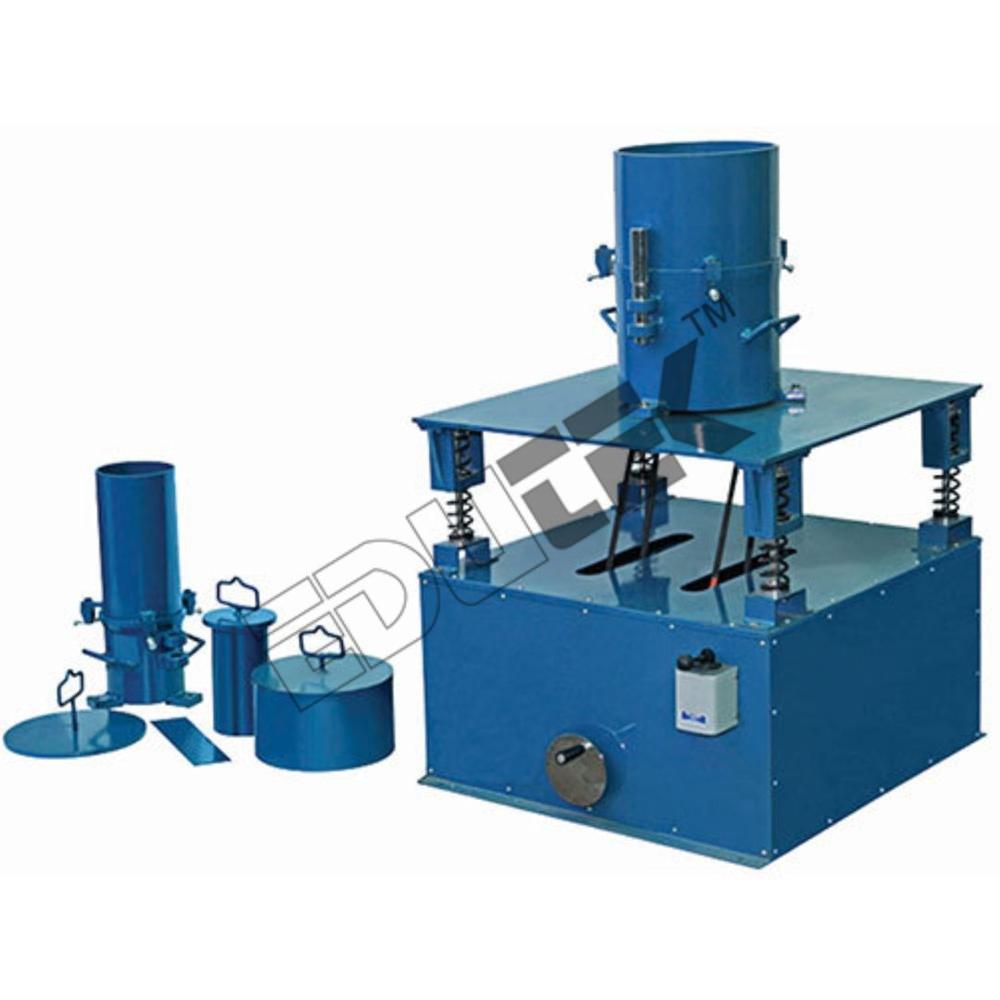
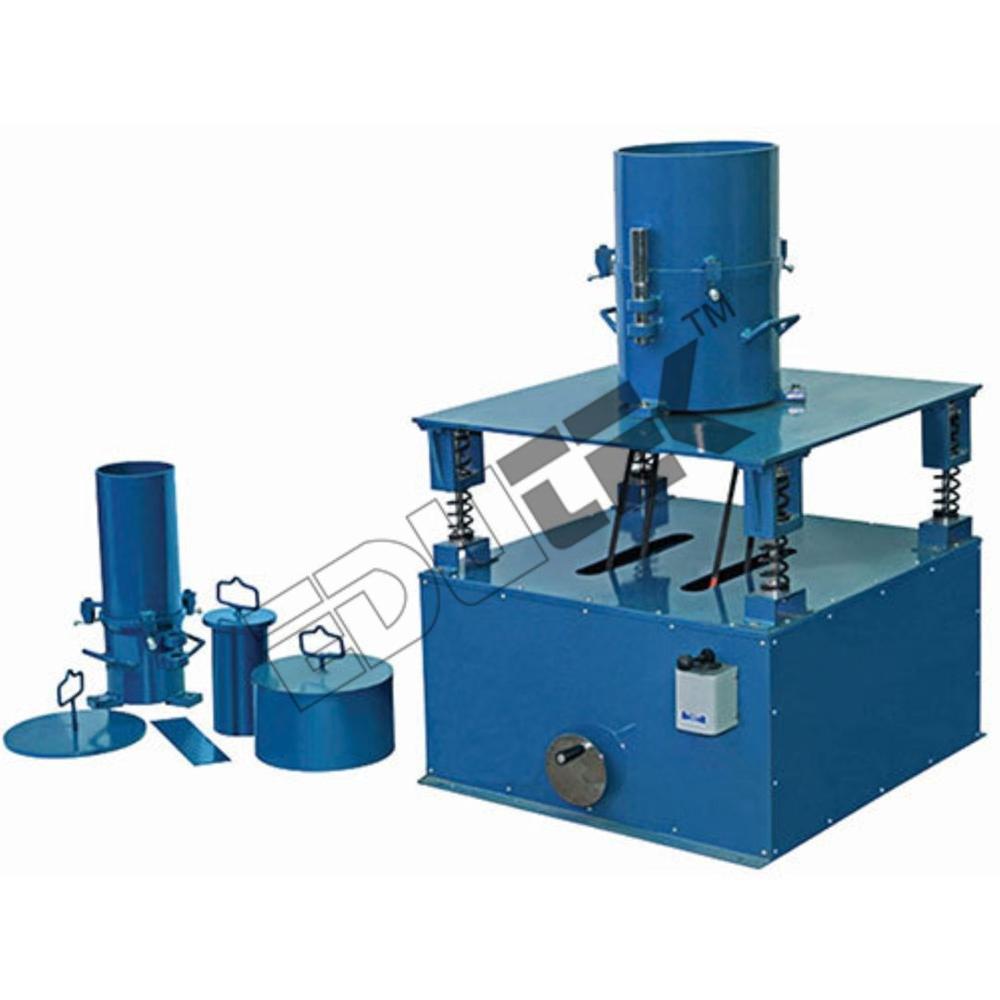
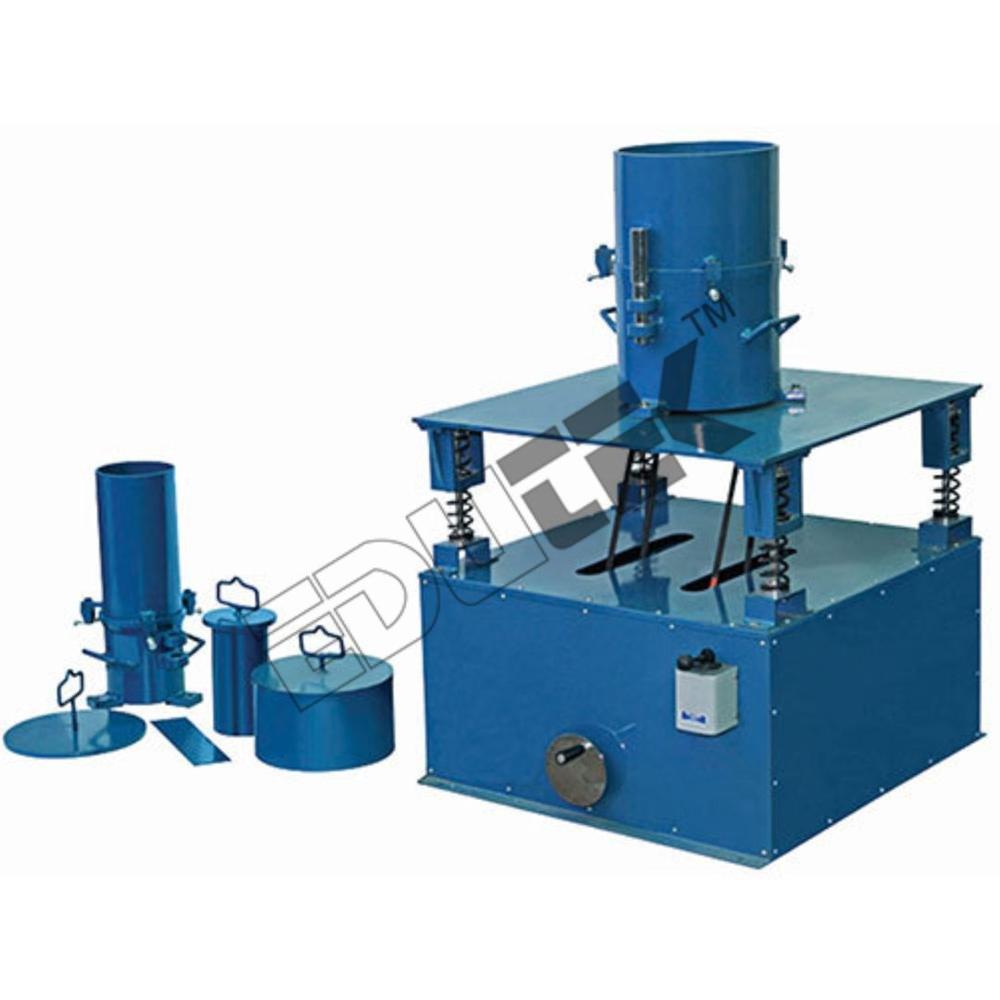
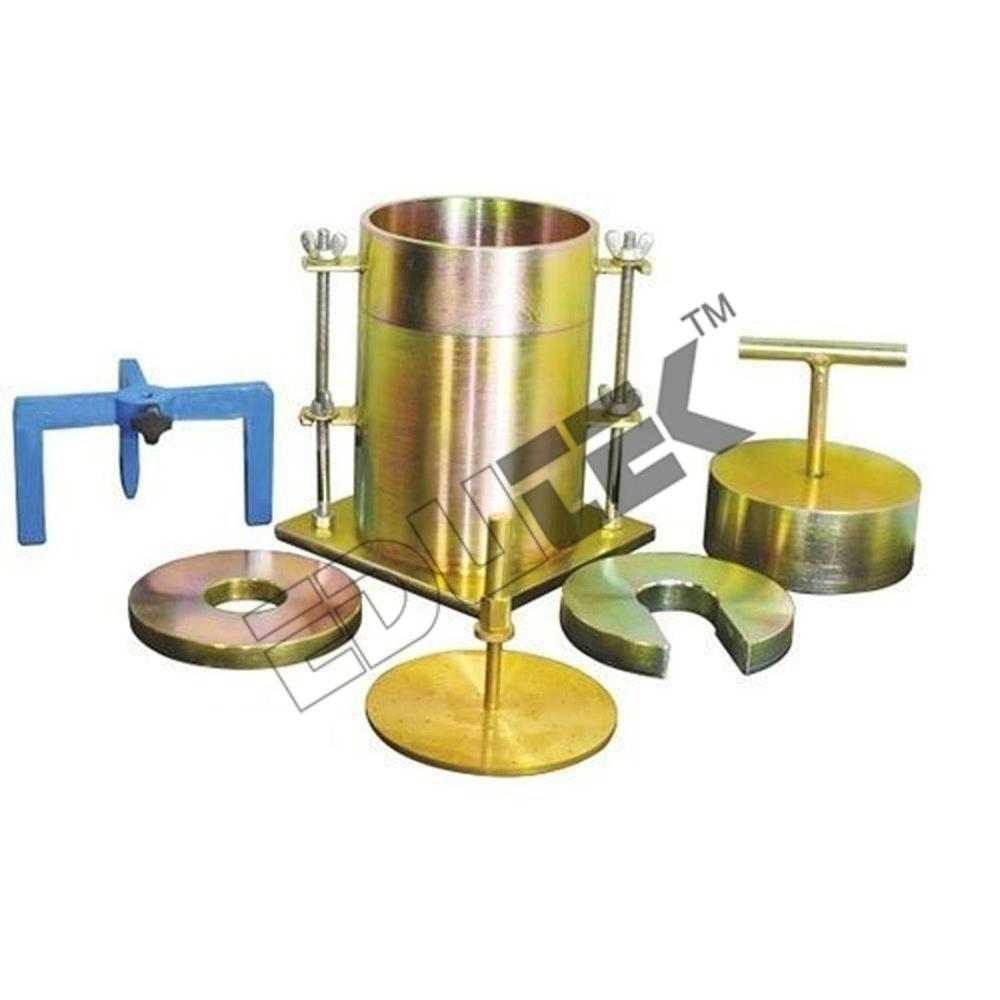
We are providing an extensive range of Relative Density Test Apparatus. The equipment is used for the determination of the relative density of cohesion less free draining soils and meets the essential requirements. Moreover low maintenance is required in this Relative Density Test Apparatus.
Specification
The equipment consists one each of: Vibratory table, with a cushioned steel vibrating decks about 75cm x 75cm. It has a frequency of approximately 3600 vibratory table, minute under a 11.5kg load. Amplitude is variable in between 0.65mm in step of 0.05 to 0.25mm, 0.25 to 0.45 mm and 0.45 to 0.65mm. Suitable for operations on 415V, Three Phase supply. Cylindrical metal unit weight mould, 3000ml. Capacity.Guide sleeve with clamp assembly. Surcharges base plate for mould. Handle for surcharge base plate. Surcharge weight. The total weight together with surcharge base plate and handle is equipment to 140 kg. /sq. cm. For mould. Cylindrical metal unit weight mould 15000 ml. capacity. (Total weight together with the above mould & surcharge weight is equivalent to 140 kg./sq. cm) dial gauge 0.01mm x 50mm travel. Extension piece 25mm for dial gauge.
High Precision Measurement for LaboratoriesEngineered for professional laboratory use, the RDT-2943 offers highly accurate results, with a measurement range from 0.7 to 2.0 g/cm. Its analog display and manual operation provide straightforward and reliable data, making it essential for testing bitumen and petroleum products. The robust construction ensures dependable performance, while compact dimensions save valuable bench space during daily operations.
Compliance with Global StandardsThis apparatus meets IS 1202 and ASTM D70 standards, making it universally applicable for quality control and research tasks. Its borosilicate glass bottle and stainless steel stand offer durability and resistance to chemical corrosion, maintaining the integrity of your testing protocol. Box packing facilitates safe storage and transport between sites or labs.
FAQs of Relative Density Test:
Q: How is the Relative Density Test conducted using this apparatus?
A: To perform the test, fill the borosilicate glass density bottle with the sample (bitumen or petroleum product). Attach the analog thermometer and maintain room temperature to 100C, as required. Weigh the bottle before and after adding the sample to determine its relative density, following IS 1202 or ASTM D70 standards.
Q: What types of materials can be analyzed with this test apparatus?
A: This device is best suited for measuring the relative density of bitumen and petroleum products. Its chemical-resistant borosilicate glass and stainless steel components enable precise measurements even with harsh substances.
Q: When is this apparatus typically used in laboratory settings?
A: The RDT-2943 is used during quality control, specification checks, and routine laboratory assessments for petroleum and bitumen products. Its ideal whenever accurate relative density measurements are required to ensure compliance and product integrity.
Q: Where can the Relative Density Test Apparatus be utilized?
A: This instrument is primarily designed for laboratory environments, being compact and portable for both single-use and regular testing schedules. Its box packing allows easy transportation and setup in various testing facilities.
Q: What is the operating process for the manual Relative Density Test Apparatus?
A: The process involves manually measuring the mass of the sample-filled density bottle, noting the temperature with the integrated thermometer, and calculating relative density using standard compliance protocols. The analog display ensures straightforward interpretation of data.
Q: What are the key benefits of using this apparatus over other models?
A: Key advantages include highly efficient, accurate measurement results, compliance with global standards, robust chemical-resistant materials, and compact design for easy laboratory integration. Its manual operation reduces dependency on electronic components, offering reliability and ease of maintenance.




 Send Inquiry
 Send Inquiry

