About Laminar Air Flow Cabinets Vertical
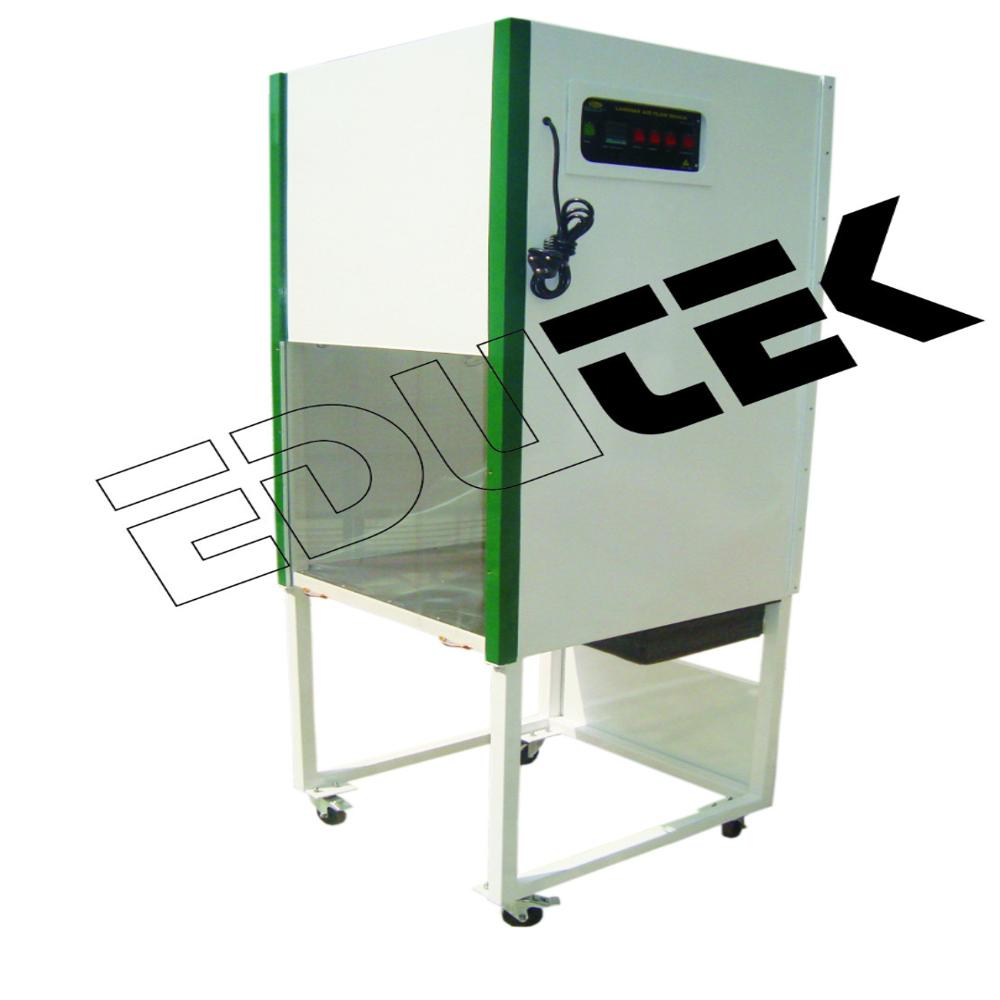
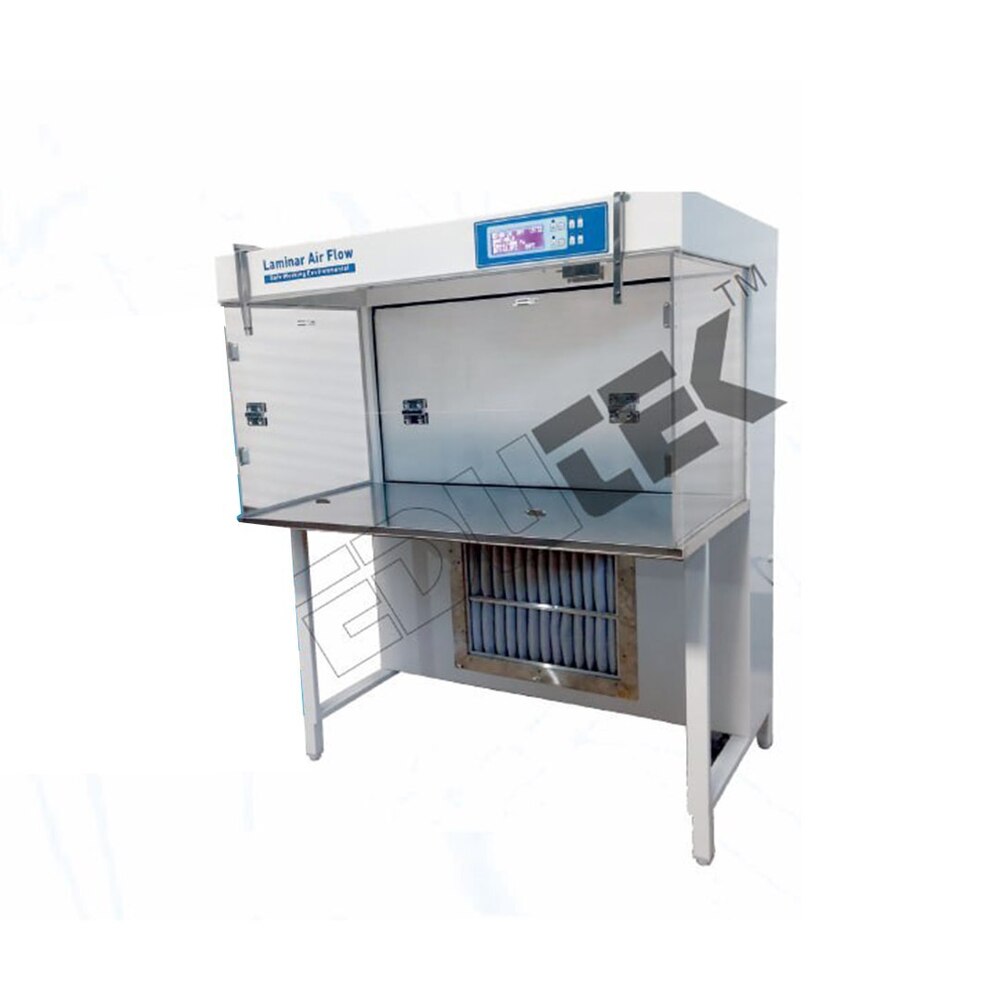
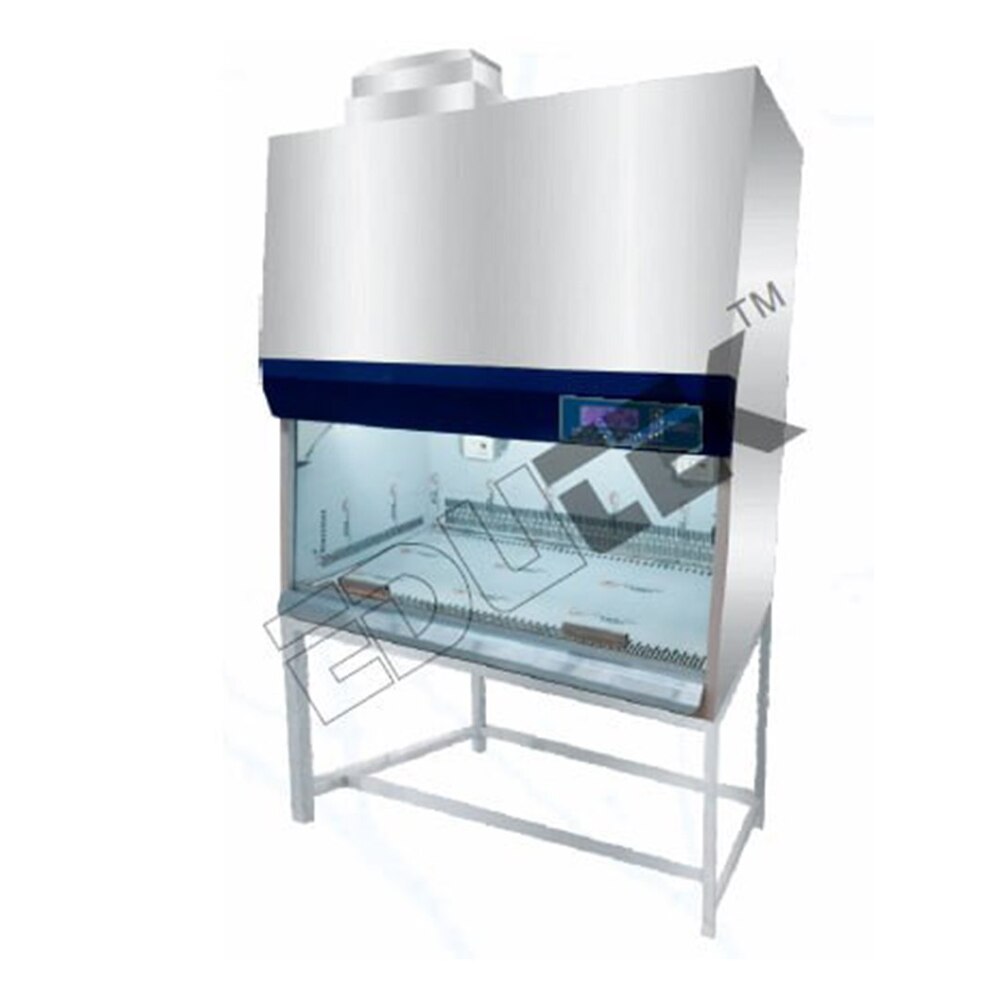
Laminar Air Flow Cabinets- Vertical
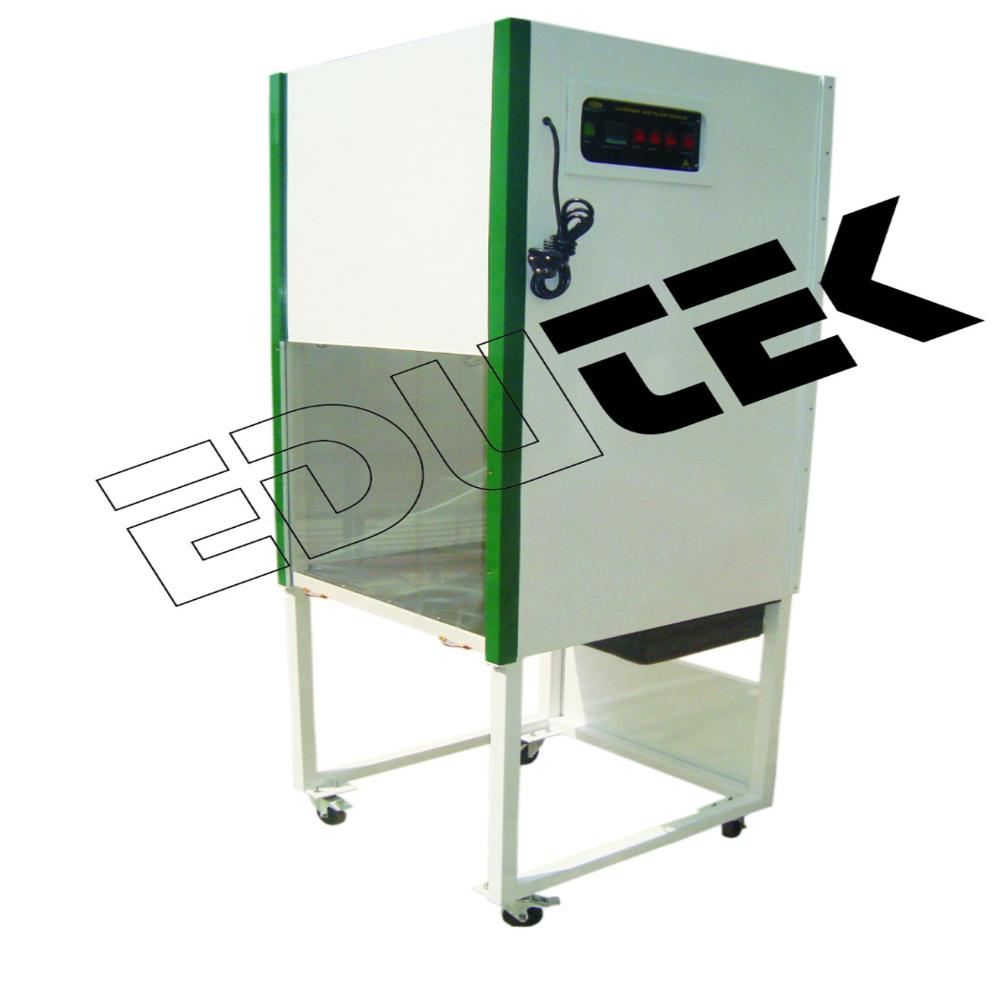
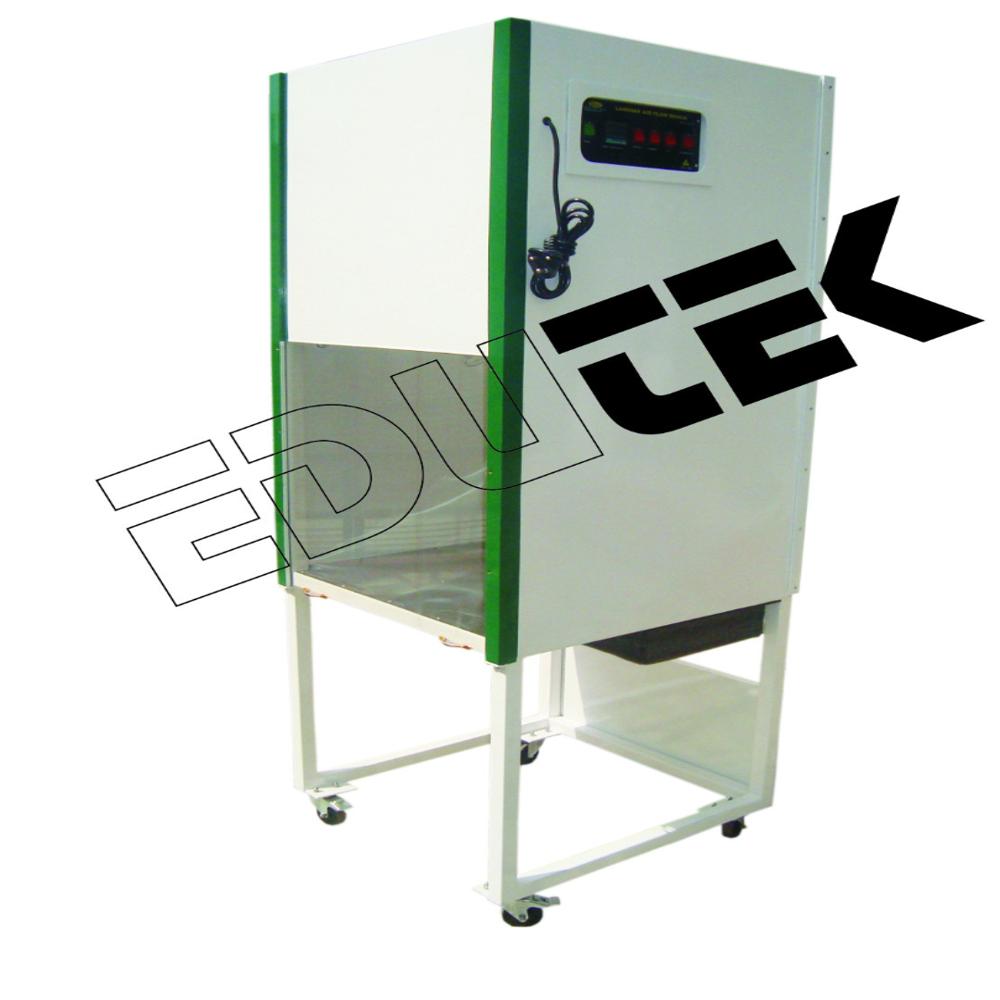
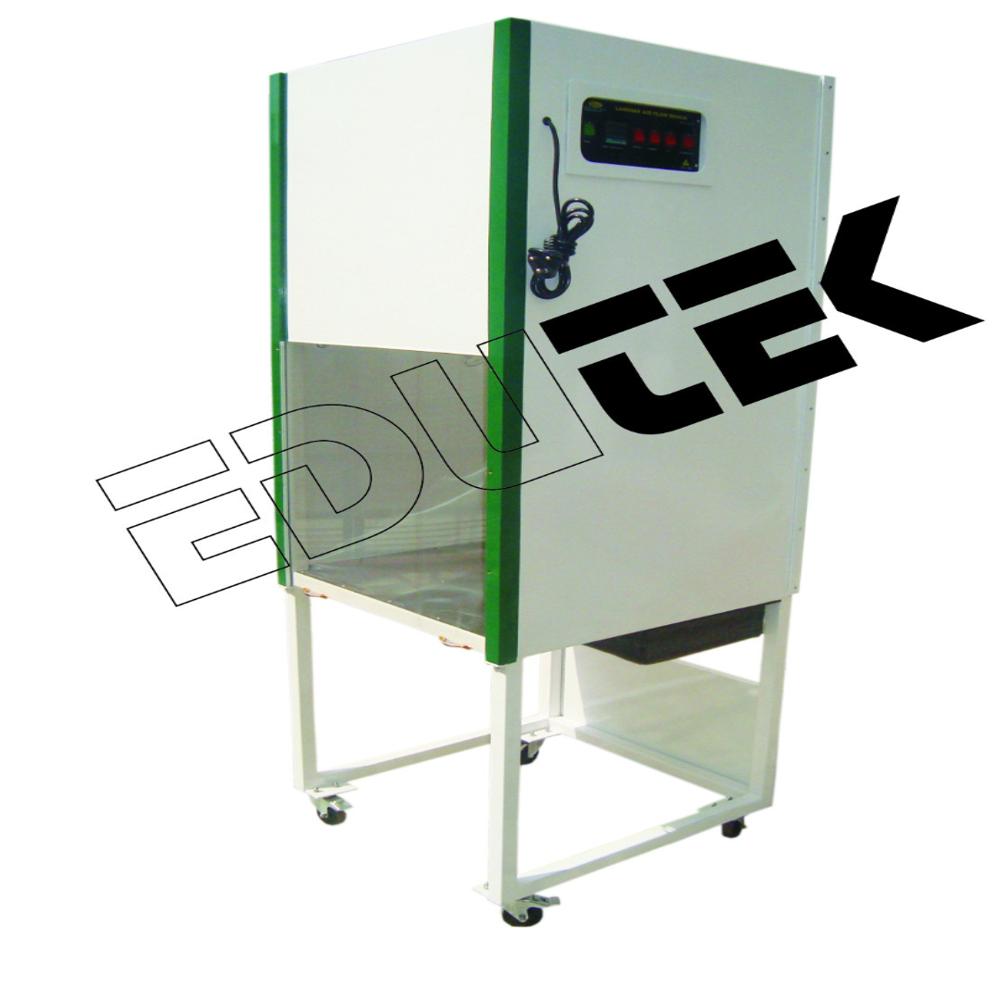
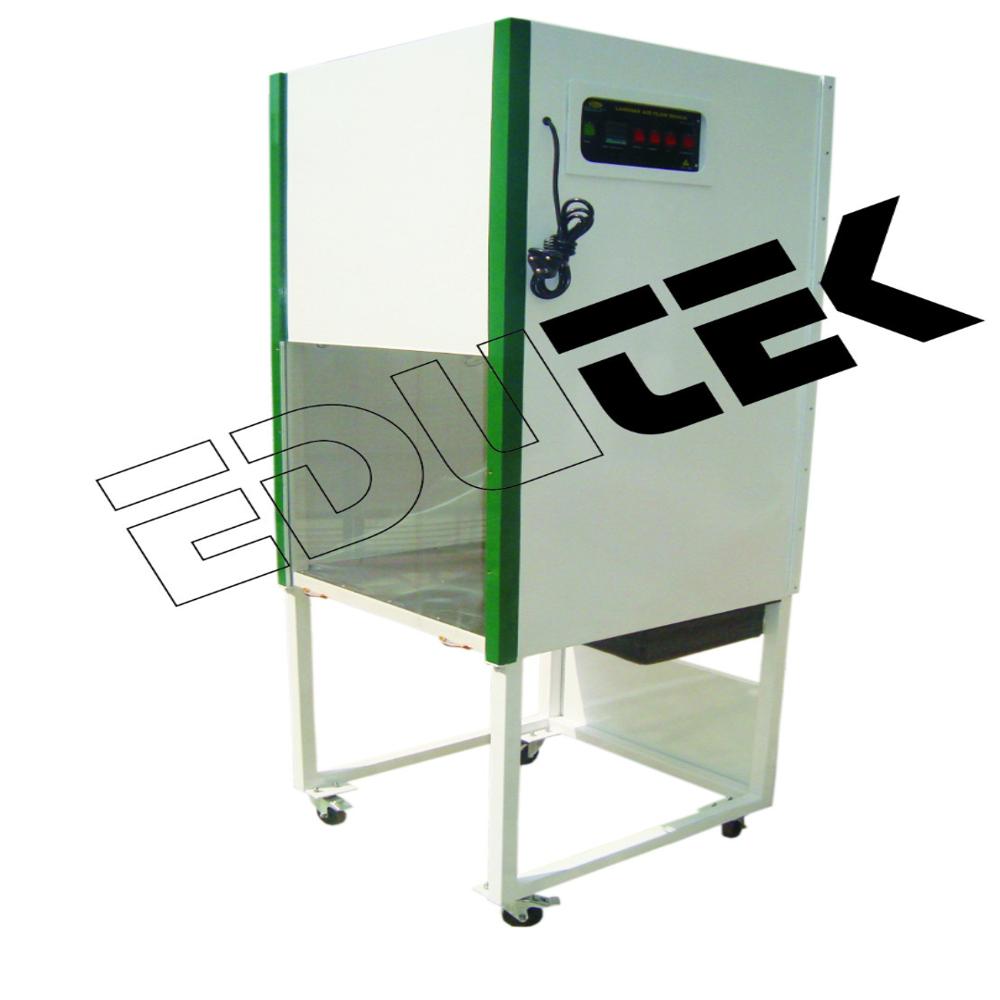
Laminar Air Flow Cabinets ETC-73 works on laminar flow principle involves double filtration of air through coarse Pre Filters (upto 5microns) and Hepa filters (down to 0.3 microns) for filtration of Biological & Particulate contaminants. A constant uni-directional air flows either Horizontally or Vertically, is drawn from atmosphere and passed through pre and Hepa filters on to the work surface. Fabricated out of reinforced pest and weather resistant Duro-board which is clad in from outside in laminated sheet and inner exposed areas are finished in Epoxy paint. Table top stainless steel sheet. Side panels are fixed and made of clear plexiglass. Front door is folding & made of clear plexiglass.
Prefilters:-DOP tested as per Standard BS: 2831 with efficiency 90% down to5 microns. Made of Washable synthetic material.
Hepa Filters:-Made of Microglass fibre with corrugated aluminium foil separators. DOP tested as per US Standard 209B. Efficiency99.97% down to 0.3 microns.
Blower Units:-Assembly of AU or equivalent motor workable on 220V AC 50Hzsingle phase, dynamically balanced blowers making the unit least vibrant with minimum noise level.
Features:- - Lighting : Fluorescent tube lights
- Sterilization : Germicidal Ultra Violet (UV) tube
- Manometer : Static pressure thick Acrylic block type
K-System:-The K-System encompasses the specialist requirement of ocyte, and embryo handling during procedures in both animal and human reproduction. The K-system is often built into a Laminar Flow Cabinet. The utensils are warmed by the heating of part of the table plate of the cabinet.
The transmitted light source and the regulation transformer for the stereo microscope are located under the stainless steel table plate, with a window for transmitted light built into the table plate.
Advantages of the K-System:- - Maximum working area in Laminar Flow Cabinet
- Handling of ocytes and embryos on one level
- All ocytes from one patient in one storage tray
- Ocytes stored in cabinet until insemination
- Cleaning is easy and sterilization possible
- Laminar with All Stainless steel body / Sealing / Wall Hanging can also be fabricated
- Suitable for Pharmaceutical Industries as per the requirement
Uncompromised Laboratory CleanlinessTailored for laboratory environments, the Vertical Laminar Air Flow Cabinet creates a particle-free workspace with ISO 5 (Class 100) standards. Its HEPA filter captures 99.97% of particles 0.3 microns or larger, facilitating sensitive experiments and sample preparation with the assurance of optimal air cleanliness and safety.
Efficient and Quiet OperationWith an air velocity range of 0.4 to 0.6 m/s and a noise level below 65 dB, this cabinet delivers a comfortable, quiet working space. The advanced blower motor and airflow system support both continuous and intermittent modes, while the HEPA and pre-filters ensure uninterrupted performance during extended laboratory use.
Flexible, Durable, and User-Friendly DesignConstructed from stainless steel and powder-coated mild steel, the Vertical is robust and reliable. It features a choice of analog or digital displays, mobility through castor wheels, and optional fittings such as extra sockets or a differential pressure gauge, ensuring adaptability and convenience for a range of laboratory workflows.
FAQs of Laminar Air Flow Cabinets Vertical:
Q: How does the Vertical Laminar Air Flow Cabinet maintain a clean work environment?
A: The cabinet utilizes a HEPA filter with 99.97% efficiency for particles as small as 0.3 microns, combined with a consistent vertical airflow (0.4 to 0.6 m/s), to create an ISO 5 (Class 100) cleanliness level by continuously sweeping away airborne particulates from the workspace.
Q: What are the main benefits of using this cabinet in a laboratory?
A: It provides a highly controlled, sterile area for sensitive experiments by limiting contamination risks. Additional benefits include reduced noise, flexibility with different work surface materials, inbuilt fluorescent and UV lighting, and enhanced safety features such as sliding sash windows and lockable castor wheels.
Q: When should the UV lamp be used during cabinet operation?
A: The UV lamp is used before and after laboratory work to sterilize the workspace, helping eliminate microbes. It should not be operated while personnel are working under the sash to avoid direct exposure.
Q: Where can this Vertical Laminar Air Flow Cabinet be installed?
A: It is designed for laboratory workbenches or cleanroom environments, with mobility provided by lockable castor wheels. Its compact dimensions (1200 x 600 x 1200 mm) make it suitable for a variety of lab settings requiring precise contamination control.
Q: What is the process for monitoring air cleanliness or filter performance in the cabinet?
A: Optional fittings such as a differential pressure gauge can be installed to track the HEPA filters performance and alert users when maintenance or replacements are needed, ensuring continued Class 100 protection.
Q: How is the workspace illuminated and what is the role of each lamp type?
A: A fluorescent lamp provides bright, shadow-free illumination during work, while the UV lamp is used for sterilization before or after procedures, ensuring both operational convenience and cleanliness.
Q: What type of materials and construction are used for durability and hygiene?
A: The cabinet features a stainless steel work surface and may be built using powder-coated mild steel or stainless steel for the main body, which ensures resistance to chemicals, corrosion, and routine cleaning, supporting both durability and hygiene in laboratory environments.






 Send Inquiry
 Send Inquiry

