EDUTEK INSTRUMENTATION
GST : 06AEWPJ6896D1ZU

Call us
07313726362
Call us
07313726362
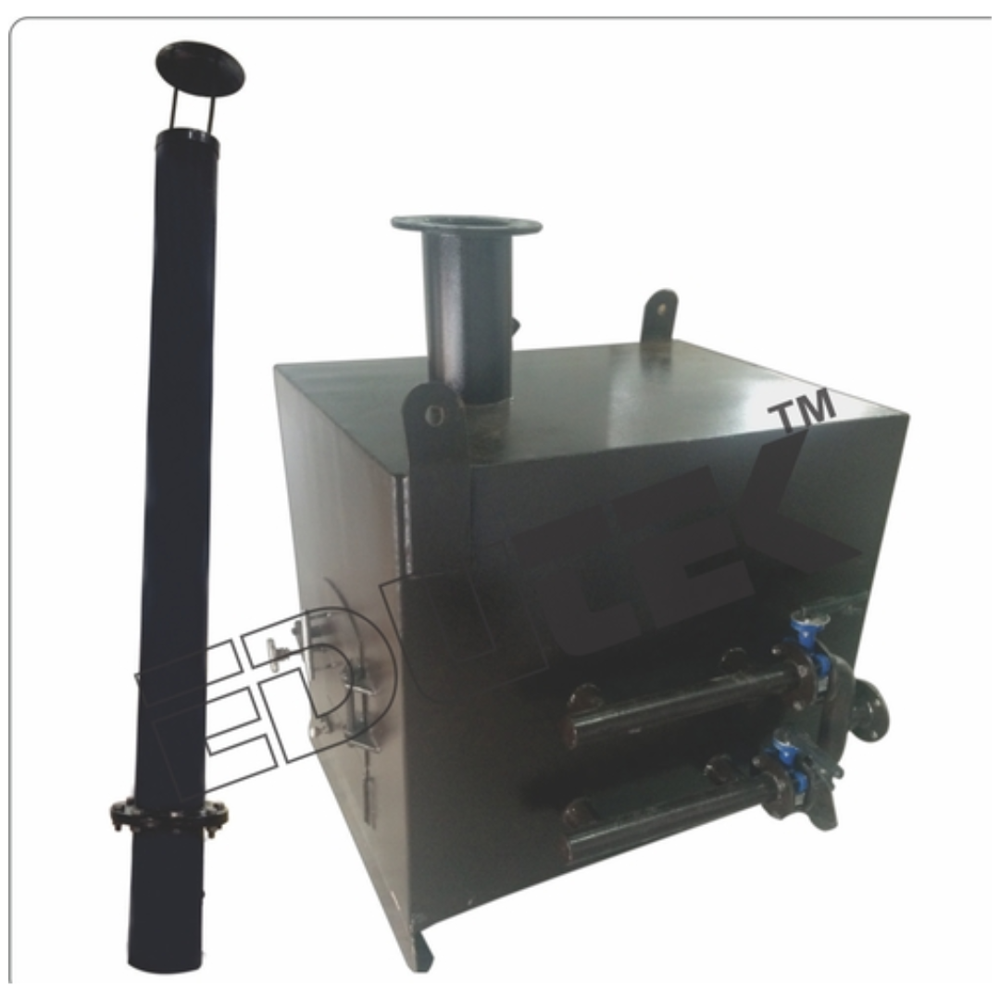
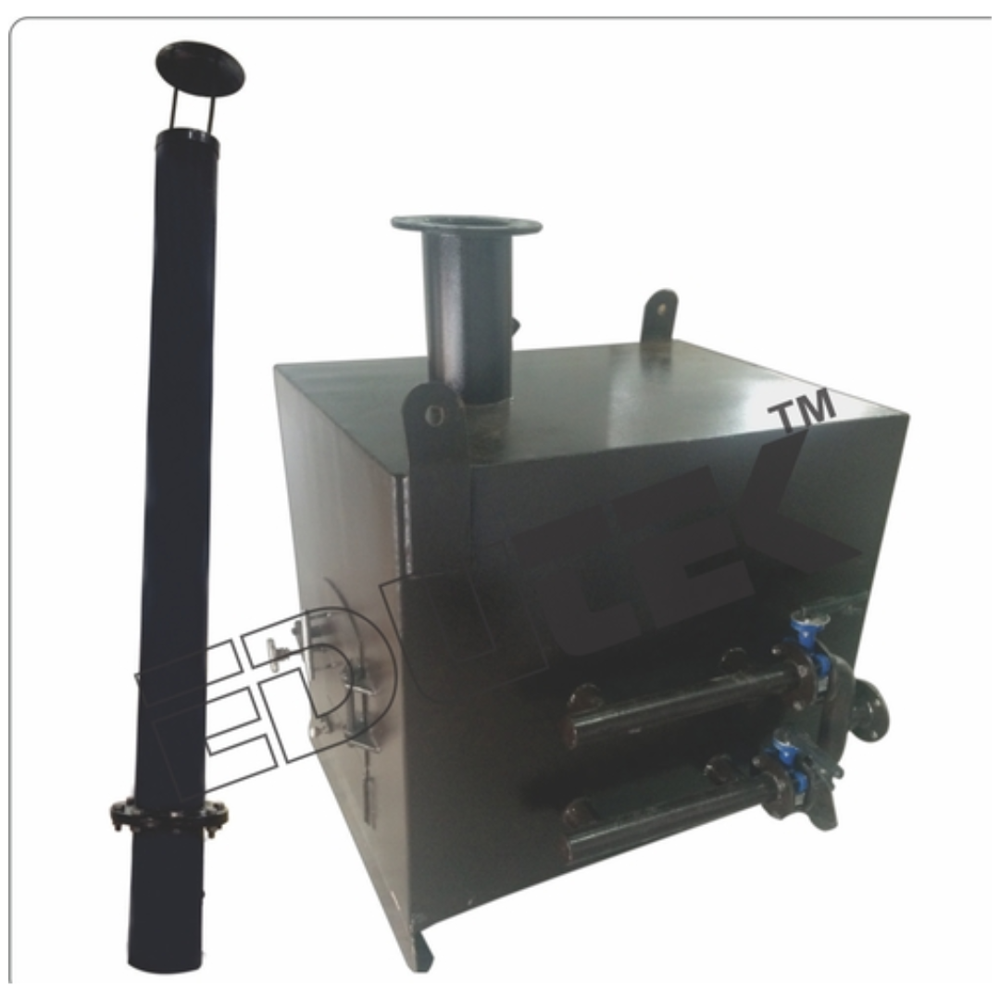
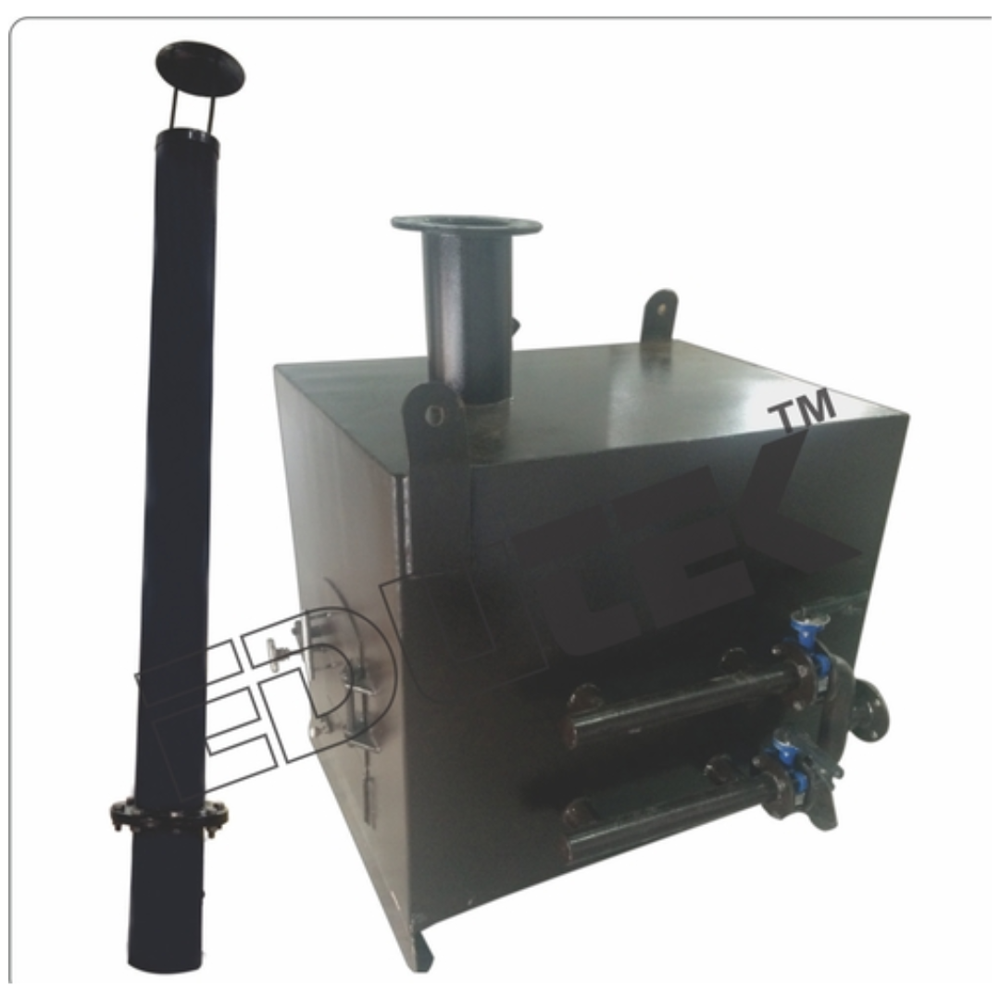
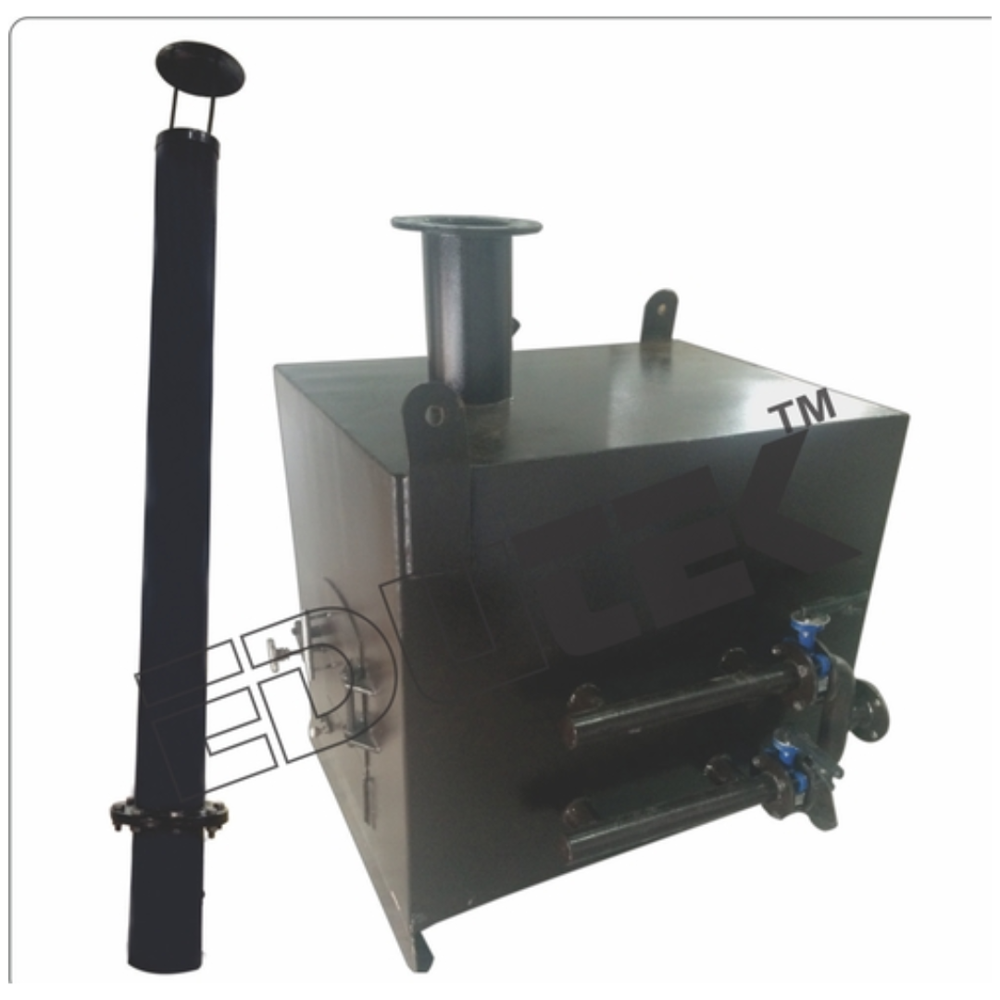
Description of Incinerator:
Incineration is a waste treatment process that involves the combustion of organic substances contained in waste materials. Incineration and other high-temperature waste treatment systems are described as "thermal treatment". Incineration of waste materials converts the waste into ash, flue gas, and heat. The ash is mostly formed by the inorganic constituents of the waste, and may take the form of solid lumps or particulates carried by the flue gas. The flue gases must be cleaned of gaseous and particulate pollutants before they are dispersed into the atmosphere
Technical Specification of incinerator:
Burn Capacity: 5kgs per hour
Power: 220V/440V
Combustion Chamber: Primary Chamber, Secondary Chamber
Burner Quantity: Two burners
Fuel: Electricity
Feed Mode: Manual
Temperature monitoring: yes
Thermostatic device: yes
Physical specification: length = 148cm,Width = 209cm,Height =315cm
Shipping weight: 1700kg
Chamber Material: Firebrick, Refractory Concrete, Ceramic Refractories
Waste Load Way: Load on the bottom of Primary Chamber

Price:
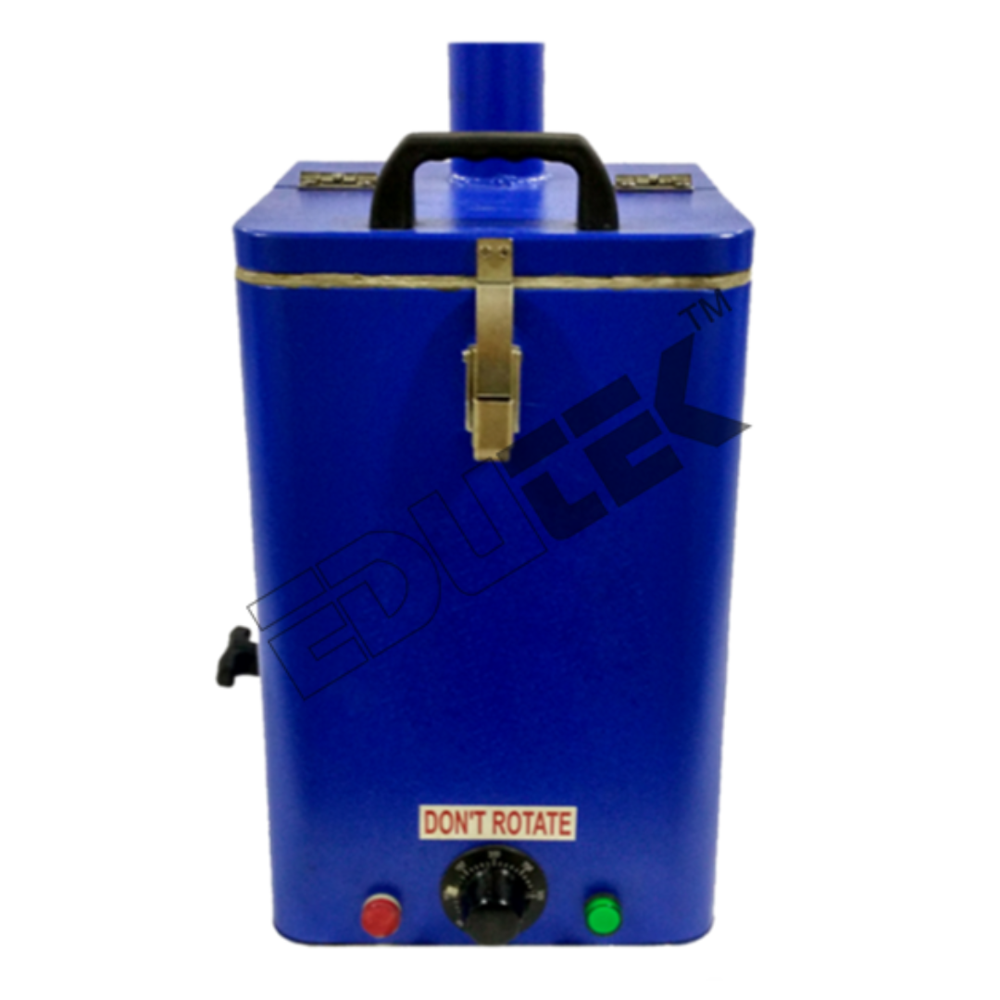
Price 100000.0 INR / Piece
Minimum Order Quantity : 1 Piece
Dimension (L*W*H) : 450 x 300 x 550 mm Millimeter (mm)
Display Type : Digital LED Display
Core Components : Incinerator Chamber, Smoke Control Unit, Filtration System, Heating Element
Frequency : 50/60 Hz Hertz (HZ)
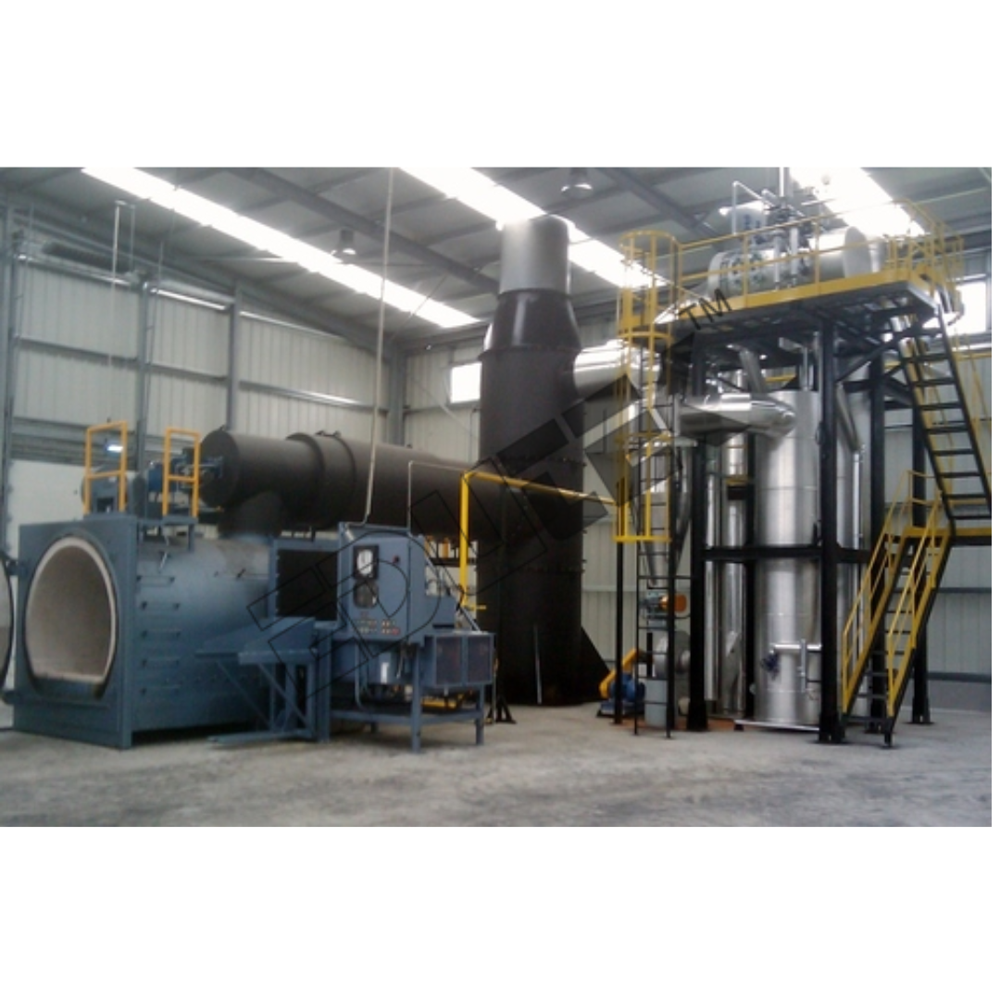
Price 100000.0 INR / Piece
Minimum Order Quantity : 1 Piece
Dimension (L*W*H) : Customized (typically 2500 mm x 1600 mm x 2500 mm) Millimeter (mm)
Display Type : Digital
Core Components : Burner, Control Panel, Combustion Chamber, Chimney
Frequency : 50 Hz Hertz (HZ)
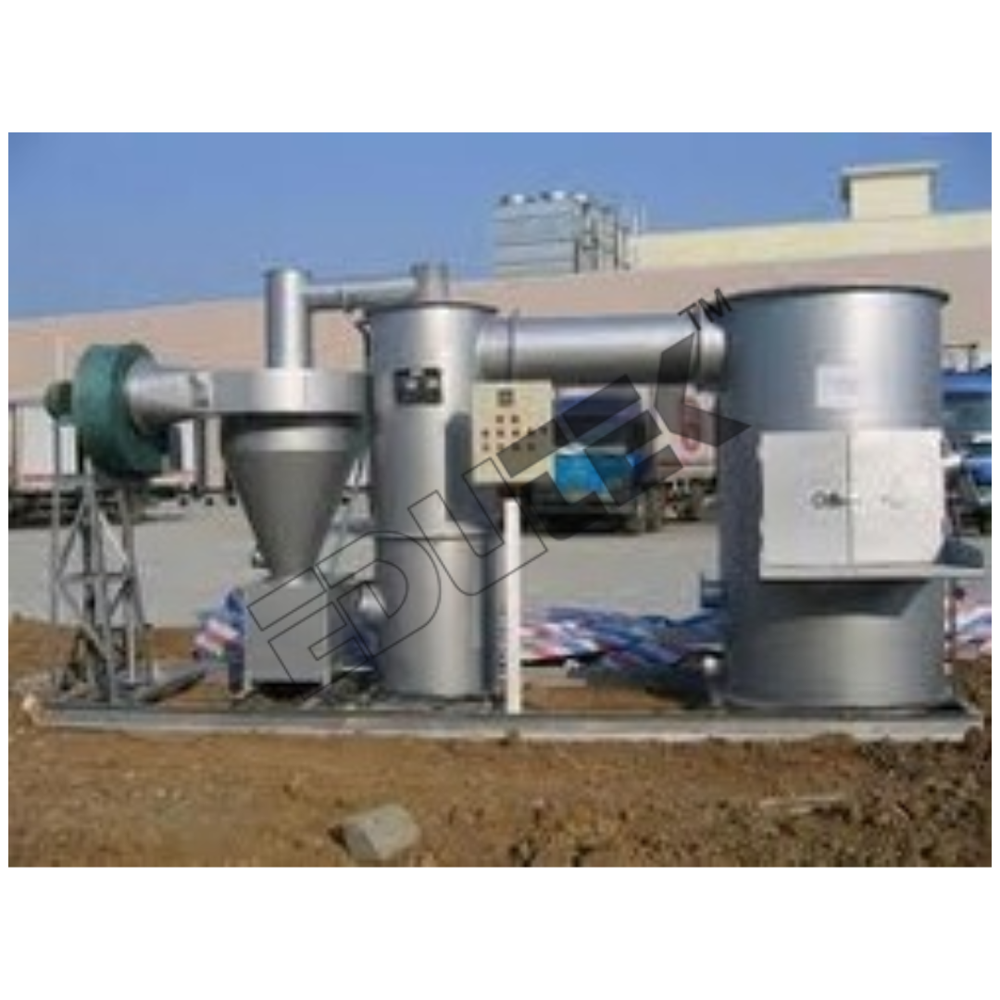
Price 100000.0 INR / Piece
Minimum Order Quantity : 1 Piece
Dimension (L*W*H) : 1800 x 900 x 1700 mm
Display Type : Digital
Core Components : Burner, Combustion Chamber, Control Panel
Frequency : 50 Hz
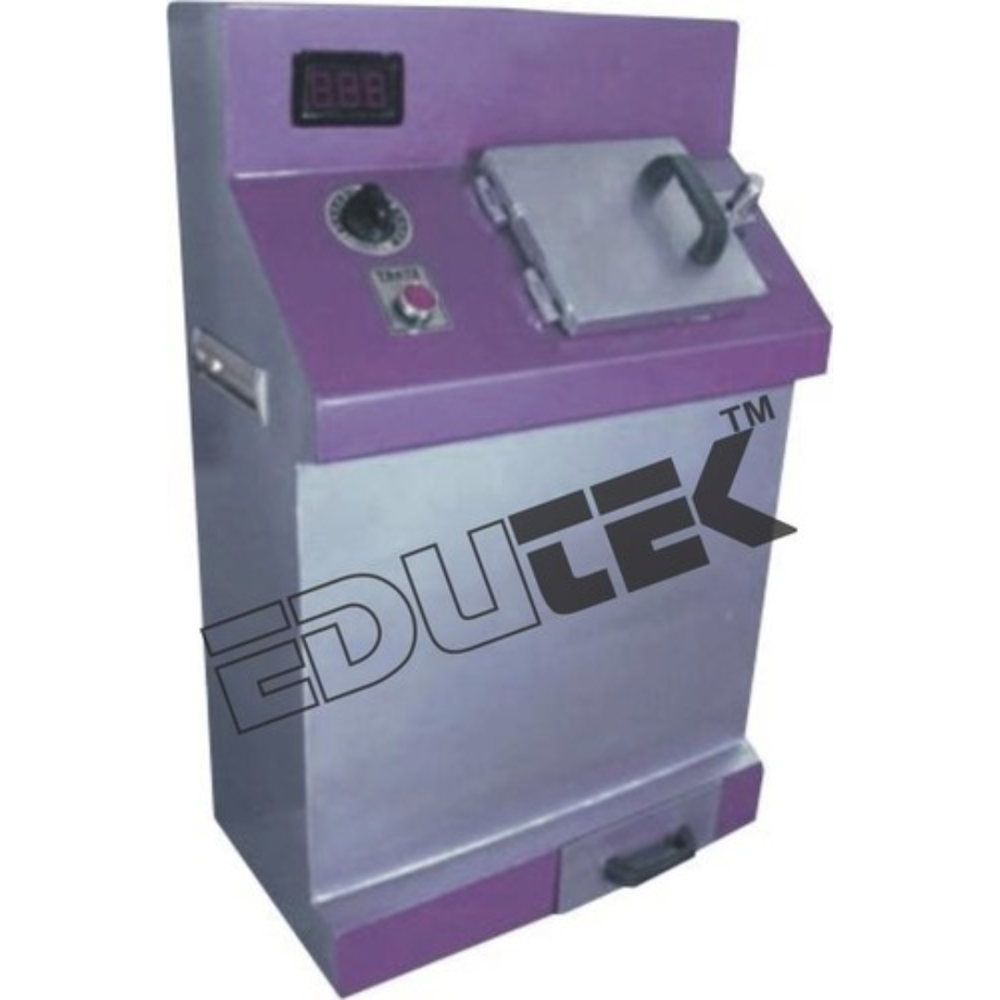
Price 100000.0 INR / Piece
Minimum Order Quantity : 1 Piece
Dimension (L*W*H) : 300 mm x 250 mm x 550 mm Millimeter (mm)
Display Type : Digital Indicator
Core Components : Heating Element, Control Panel
Frequency : 50 Hz Hertz (HZ)

 Send Inquiry
 Send Inquiry

