About Heavy Compaction Test
Heavy Compaction Test
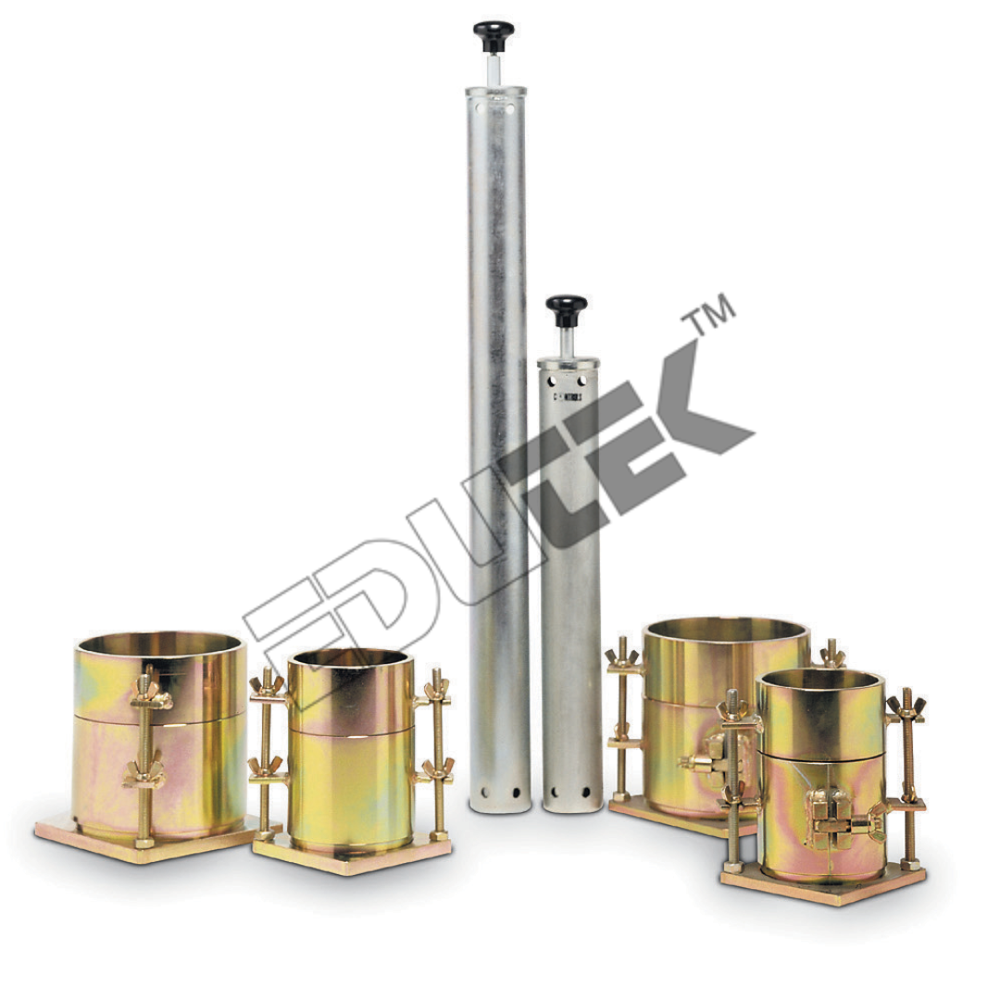
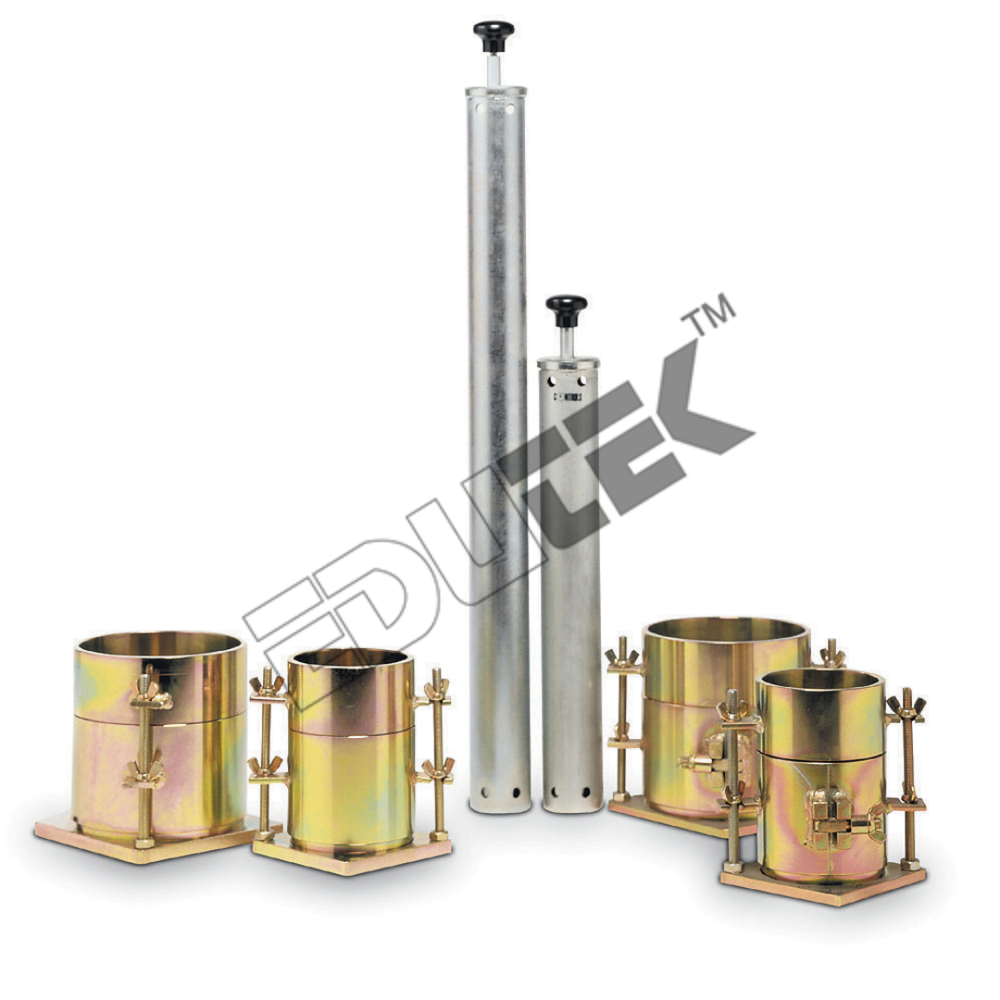
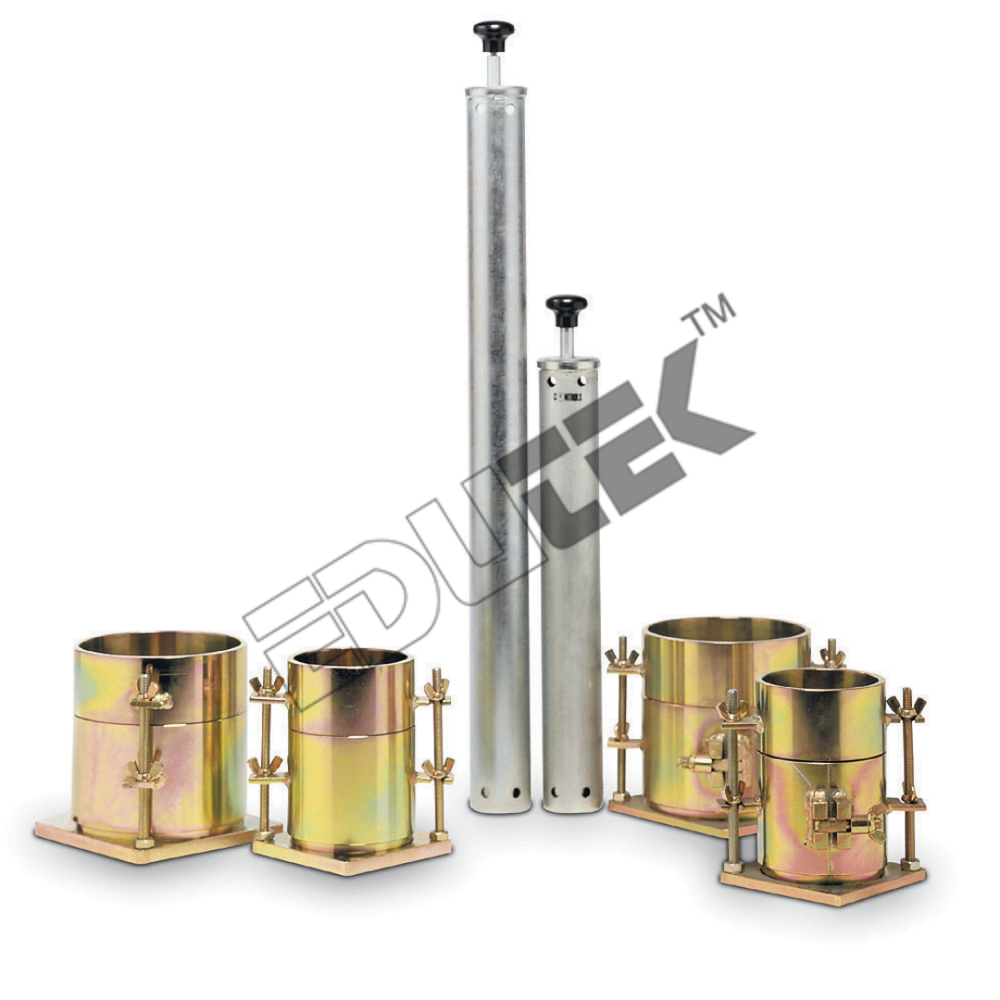
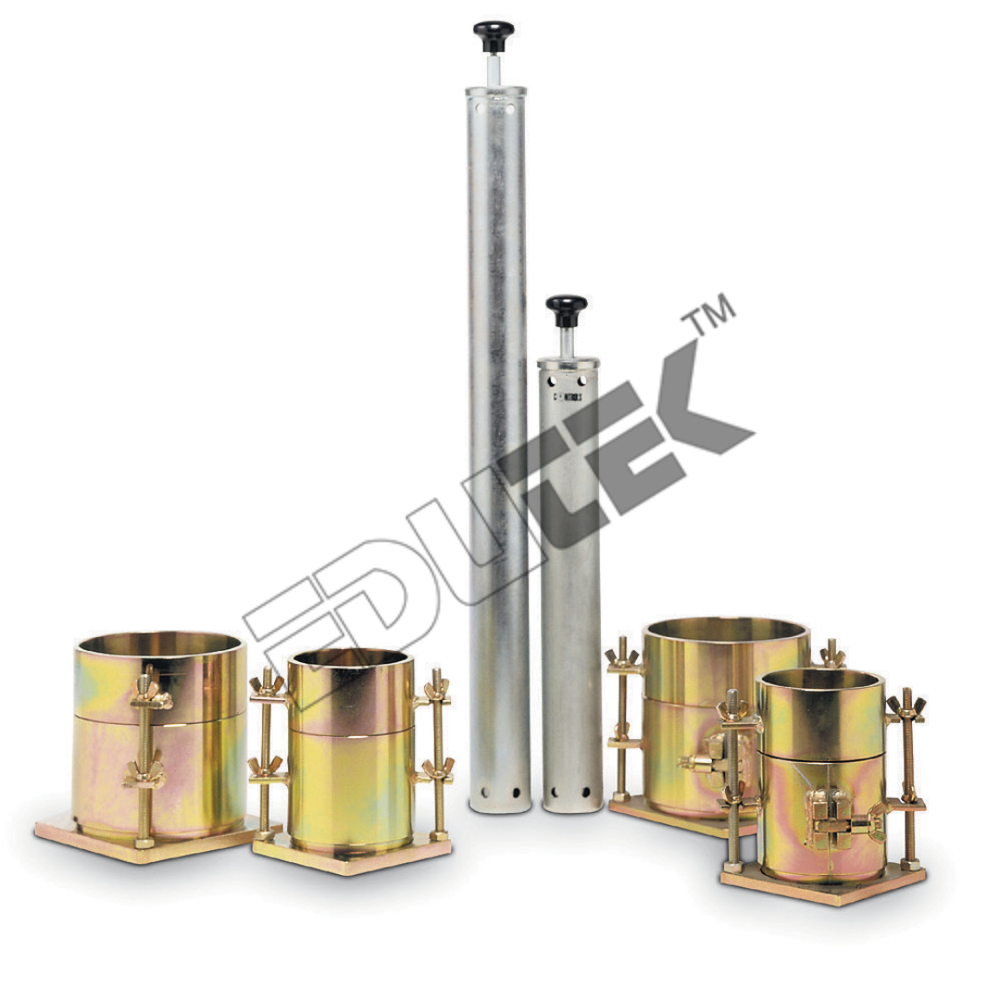
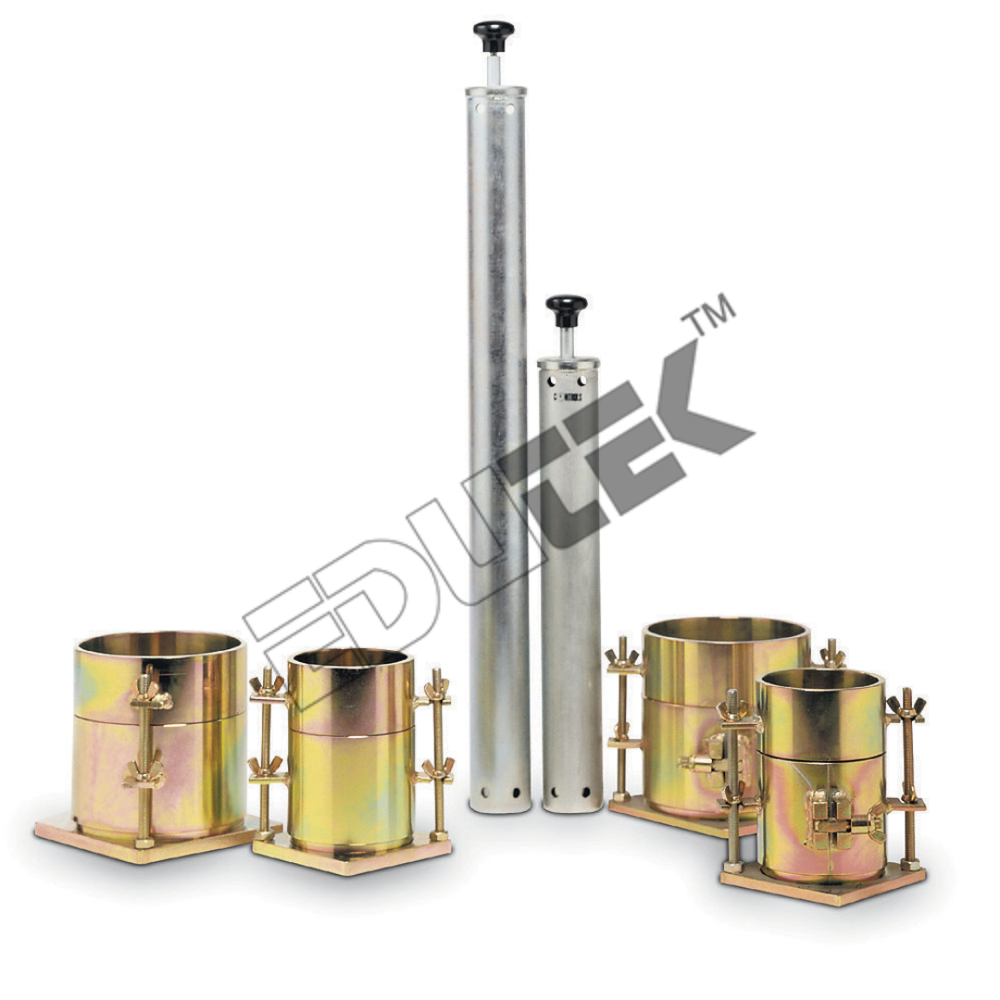
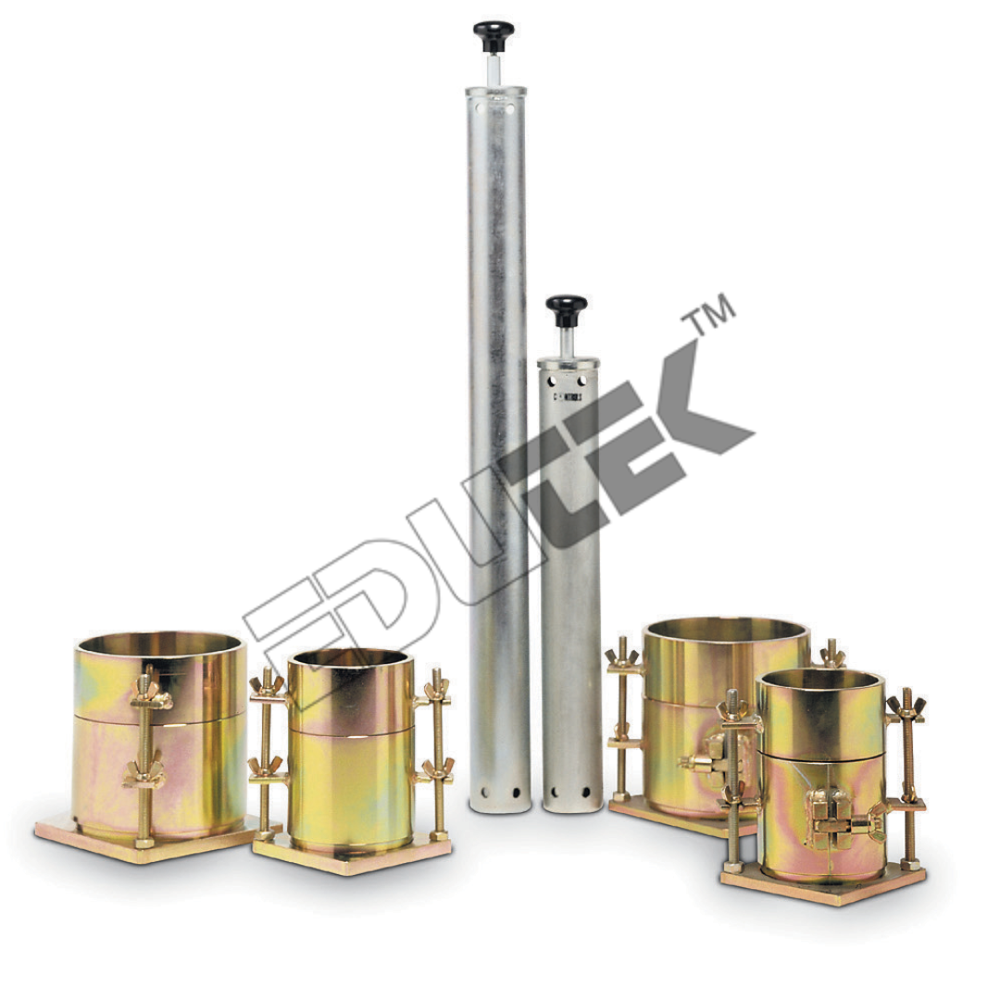
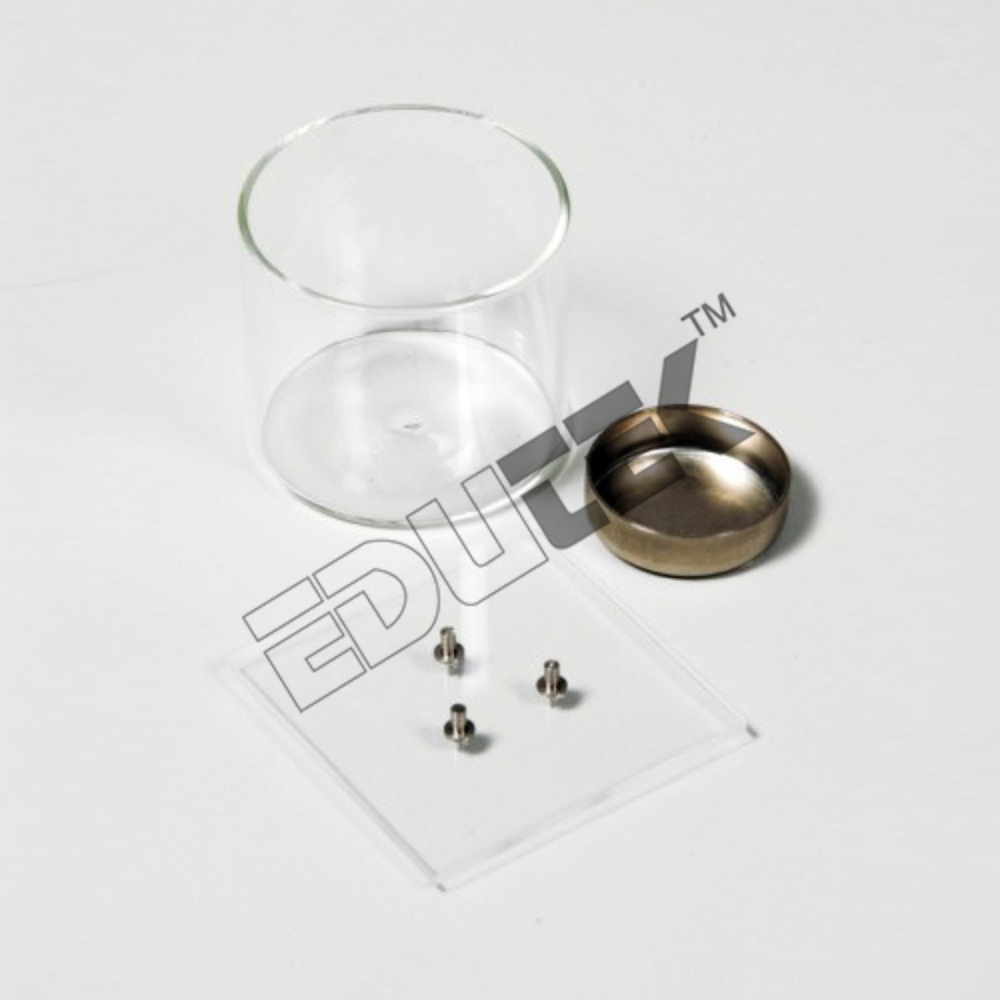
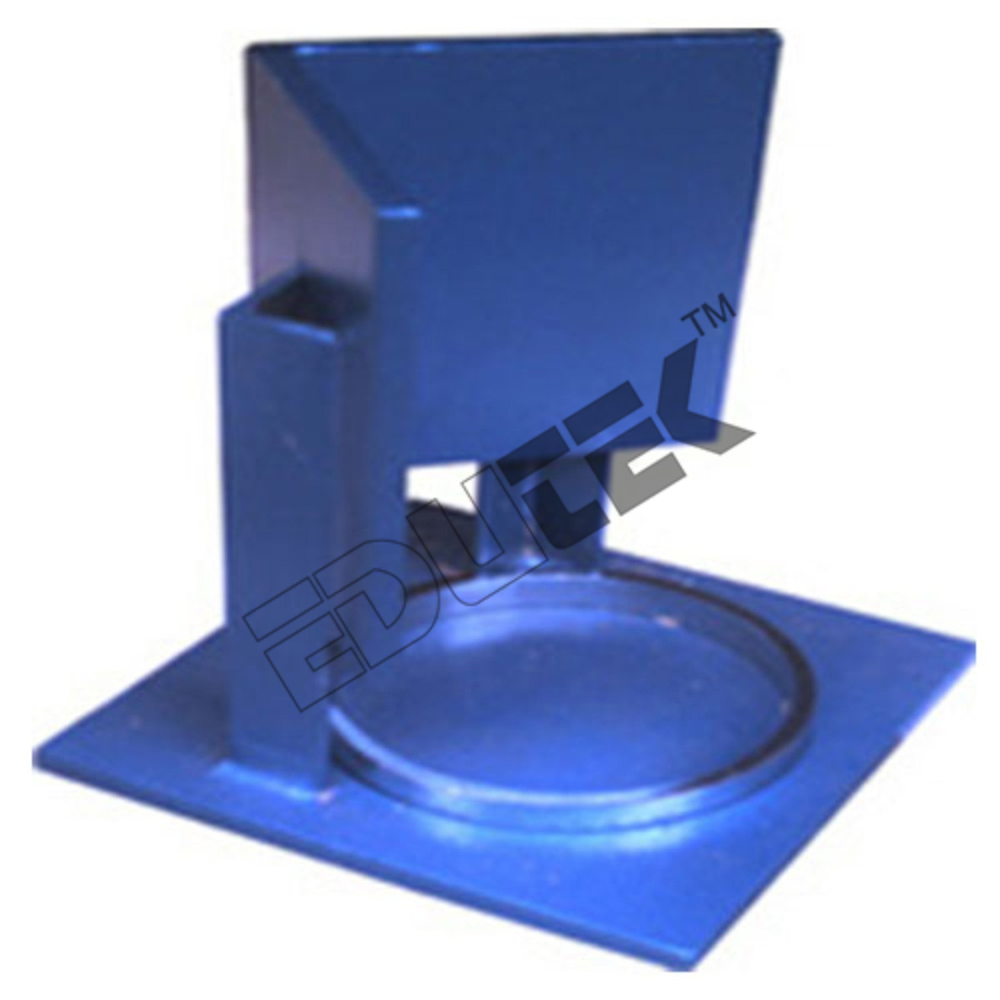
The apparatus consists one each of compaction mould steel, 152.4 mm I.D. x 116.4 mm height x 2124 cc. volume, complete with collar and base plate Compaction Rammer is 4.5 kg. in weight x 18 controlled fall. Face of the rammer is 2.
Precision Engineered for Accurate Soil Compaction TestingDesigned for laboratory use, the Heavy Compaction Test Apparatus ensures reliable, standardized soil compaction results. Its combination of a strong powder-coated mild steel base, stainless steel components, and corrosion resistance makes it suitable for rigorous daily use. With an approximate dimension of 700 mm x 350 mm x 1000 mm and weighing around 38 kg, it is manageable while providing stable operation.
Suitable for Standardized Applications in Civil EngineeringMeeting IS 2720 (Part 8) and ASTM D1557 standards, this apparatus is ideal for academic, research, and industrial soil testing. The 4.5 kg rammer and accurate mould size support consistent results, vital for construction material validation. The analog display and manual operation mean no electricity is required, offering versatility and reliability in varied testing environments.
FAQs of Heavy Compaction Test:
Q: How is the Heavy Compaction Test performed using this apparatus?
A: The process involves placing soil in the 100 mm x 127.3 mm mould, compacting it in layers using the 4.5 kg rammer with a 457 mm free fall. After compaction, the soils density and moisture content can be determined following IS 2720 (Part 8) or ASTM D1557 standards.
Q: What are the primary benefits of using this Heavy Compaction Test Apparatus?
A: Key benefits include high accuracy (1%), corrosion resistance, sturdy construction, and compliance with international testing standards. Manual operation ensures consistent results without power requirements, making it suitable for diverse laboratory settings.
Q: When should I use the Heavy Compaction Test Apparatus?
A: Use this apparatus when you need to evaluate soil compaction characteristics for construction, geotechnical investigations, or academic research. It is particularly essential for projects requiring compliance with IS 2720 (Part 8) or ASTM D1557.
Q: Where is this equipment typically used?
A: This apparatus is commonly used in civil engineering laboratories of educational institutions, research centers, construction quality control units, and geotechnical consulting firms for mechanical soil compaction assessments.
Q: What is included in the Heavy Compaction Test Apparatus package?
A: The standard package contains the mould, rammer, collar, and mild steel base plate. The unit is supplied in a sturdy wooden box or carton to safeguard components during transportation and storage.
Q: How often is maintenance required and what service support is available?
A: Routine cleaning and inspection are recommended after each use to maintain performance. On-site maintenance and service support are available to address repairs or component replacements as needed.
Q: What is the maximum soil size and sample volume that can be tested?
A: The apparatus accommodates soil aggregates up to 37.5 mm in size and supports a maximum sample volume of 1000 cc, meeting laboratory soil testing requirements for various applications.




 Send Inquiry
 Send Inquiry

