About HAMMER MILL
HAMMER MILL
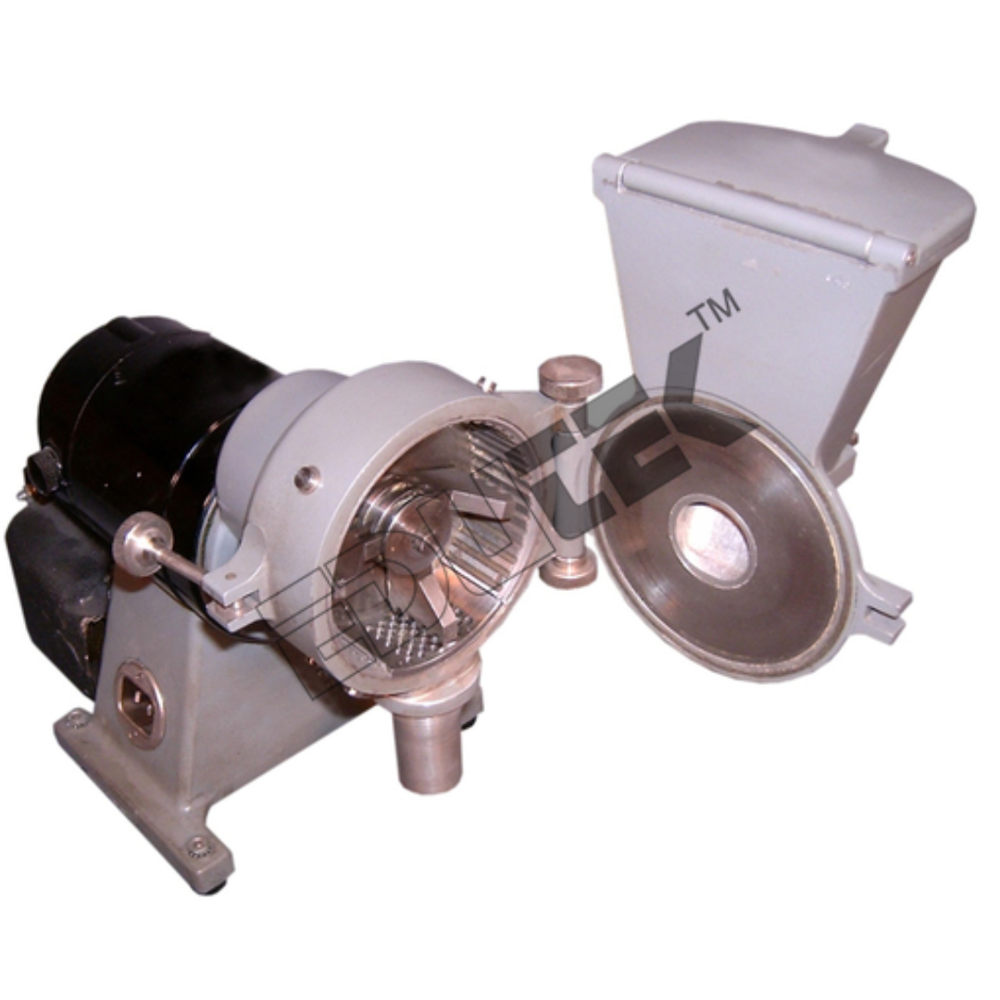
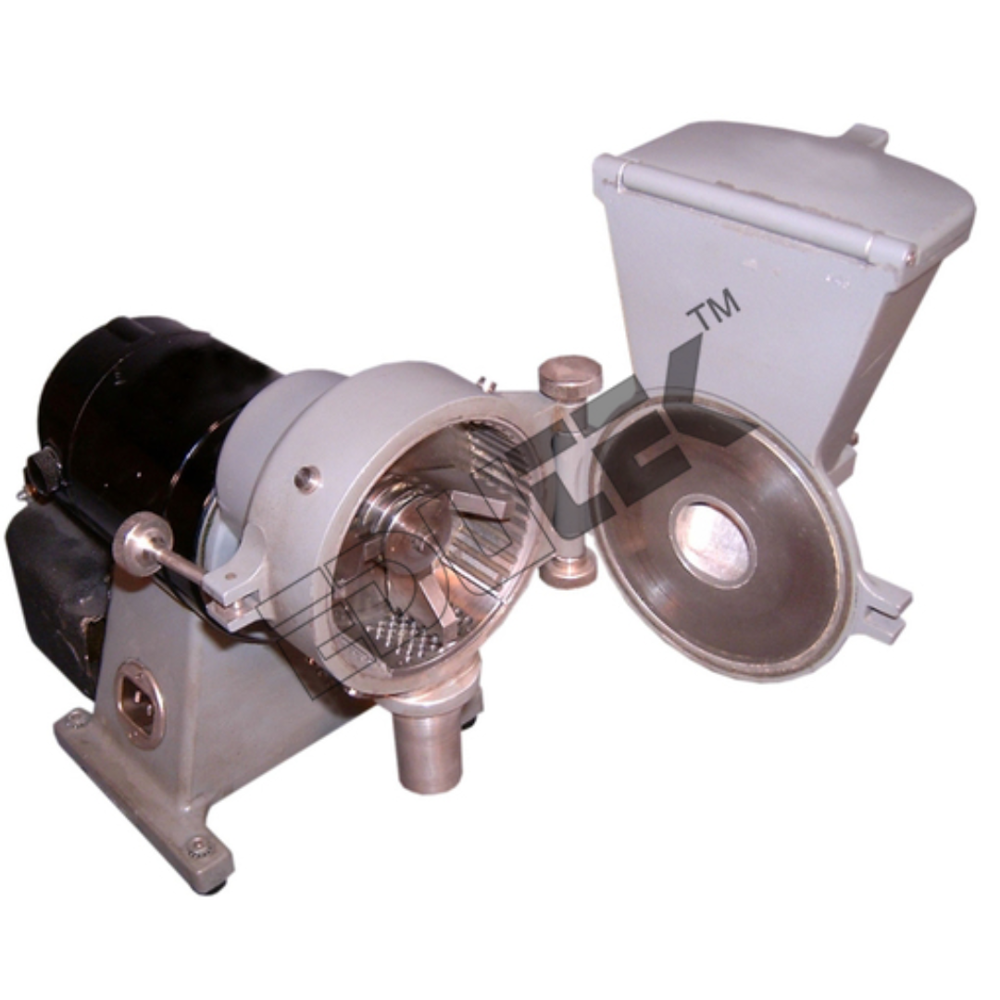
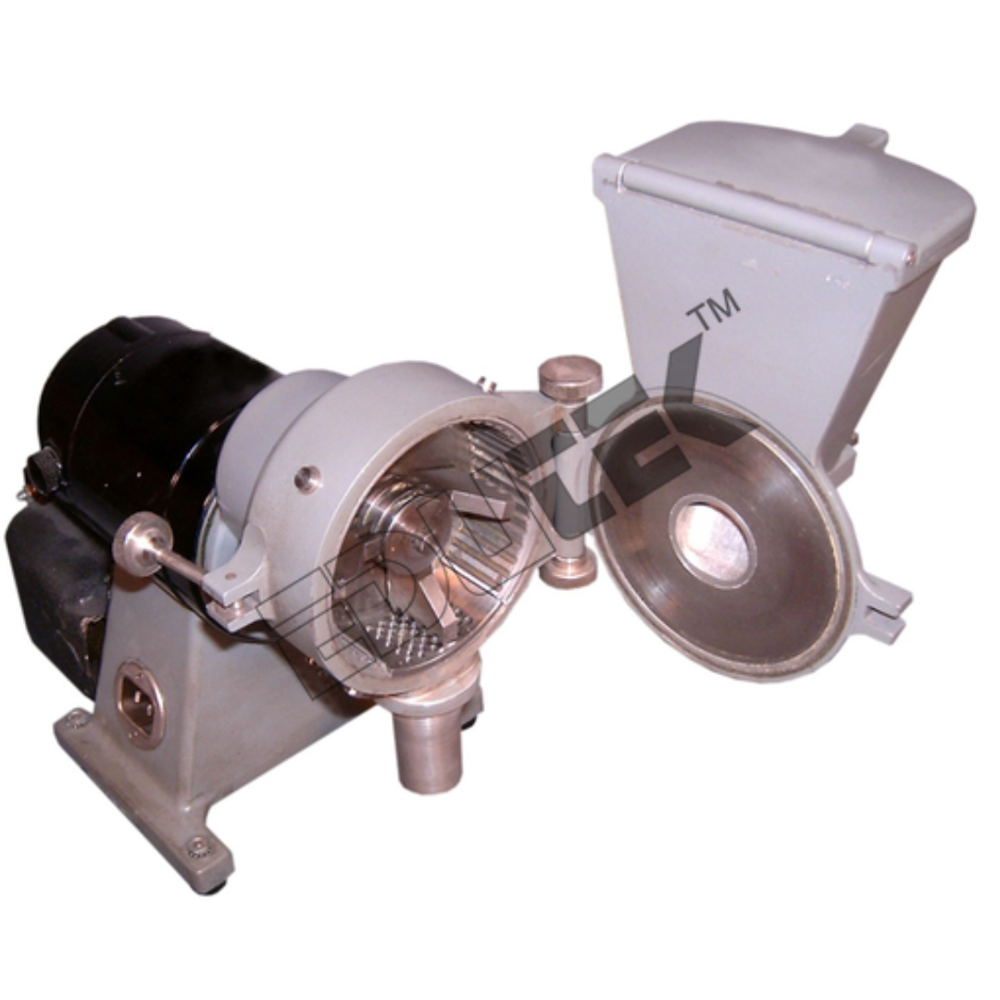
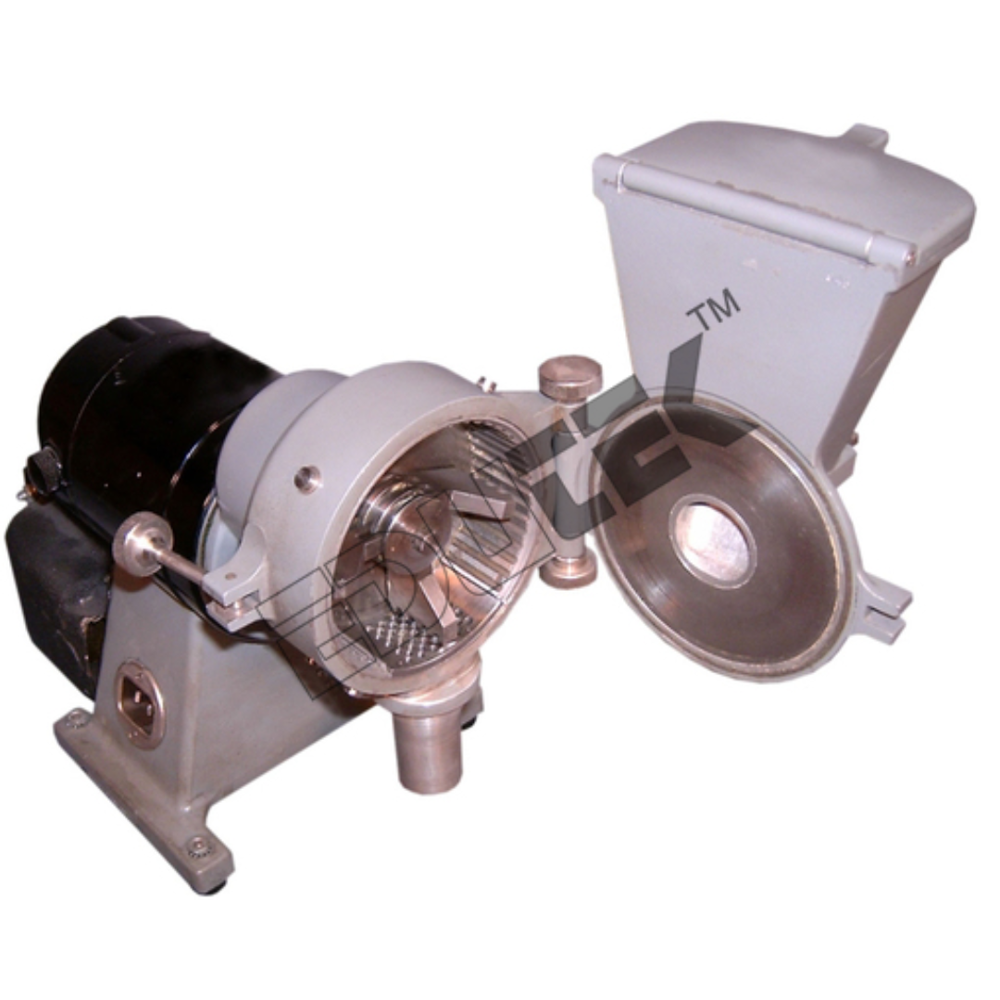
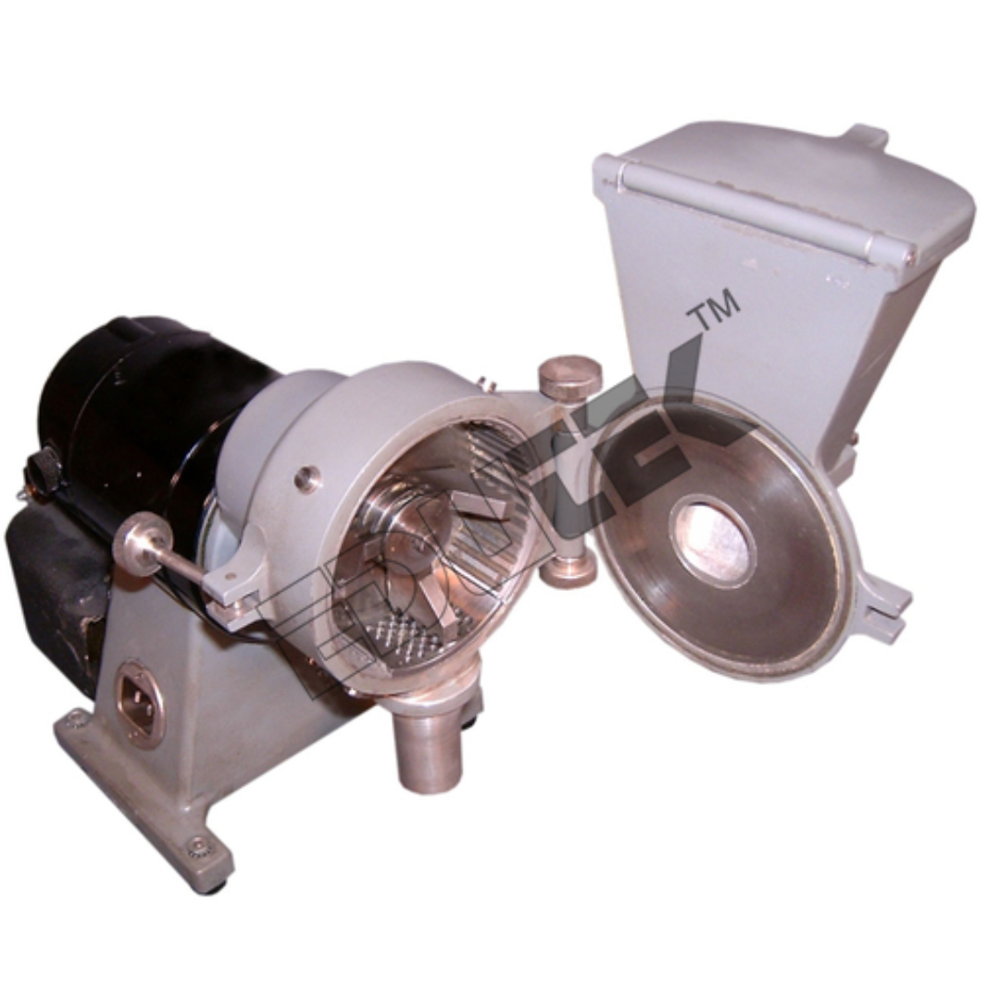
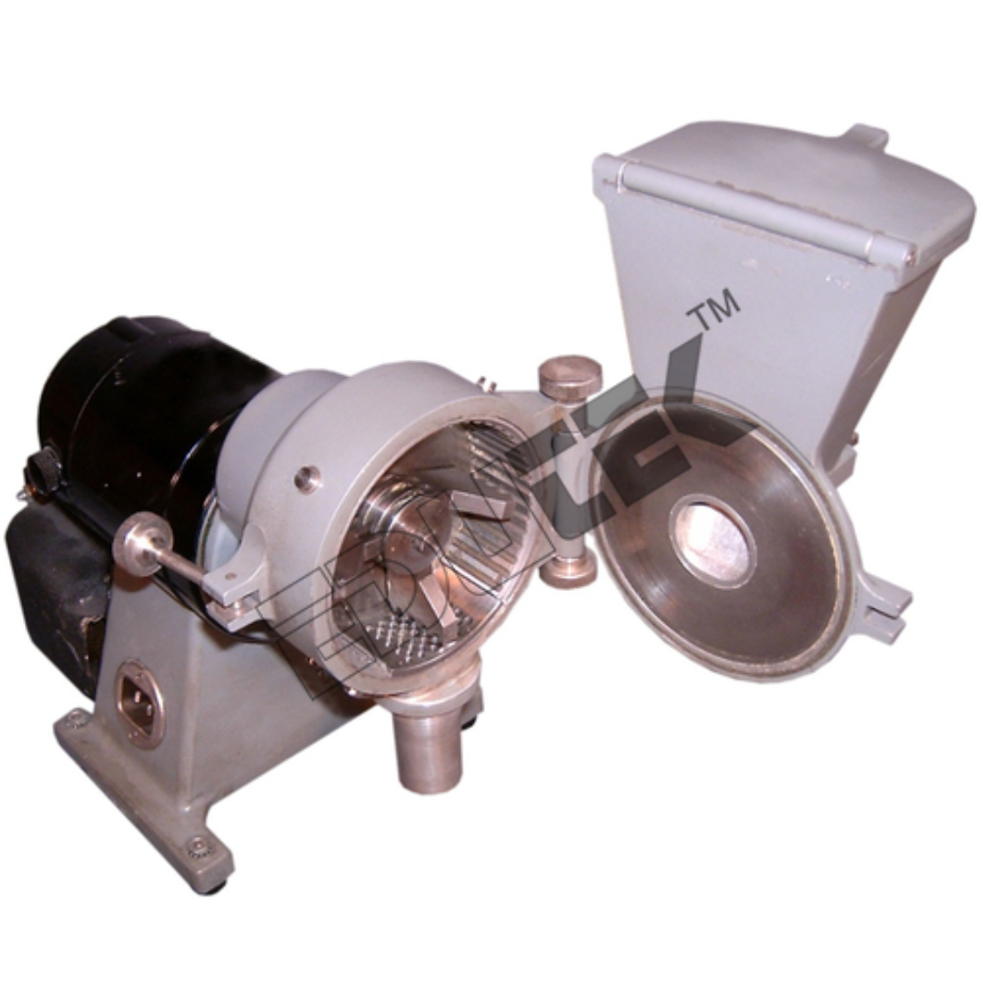
ETP-211: Hammer mill is a economical unit designed for general all-round work for time saving operation. Most often, the only changes necessary are of Screens, hammers and liners. Feed Material passes through a wide feed hopper into the grinding chamber. The swinging hammers, in the rotating hammer rotor, crush materials at the stationery liners before driving them trough a screen and type of hammers used. The method of operation is impact grinding.
Combination of different hammer styles, liner plates, sieve inserts and wear resistance technology offer almost unlimited possibilities of crushing lumpy, bulky, irregularly shaped, hard & fibrous materials, into coarse to medium fine powder.
Machine to work on 220V AC 50 Hz single phase.
Designed for reliability, the HAMMER MILL is built from strong mild steel or cast iron, with alloy steel blades ensuring longevity and consistent performance even under demanding operations. The models dimensions and weight vary, accommodating different industrial requirements while maintaining robust durability.
Efficient Material ProcessingAdaptable for raw materials such as agricultural produce, minerals, and chemicals, this grinder delivers uniform reduction with a maximum feeding size of 50 mm and output fineness up to 1 mm mesh size. The semi-automatic automation and air-cooled system ensure efficiency and minimal operator intervention.
Industrial-Grade Power and SafetyOperating between 7.5 HP and 30 HP with a voltage range of 380440 V, the HAMMER MILL delivers powerful performance with safety features suitable for industrial applications. The electric motor drive and stable construction contribute to safe, continuous operation with manageable noise levels.
FAQs of HAMMER MILL:
Q: How is the HAMMER MILL operated and what is its power source?
A: The HAMMER MILL operates via an electric motor that runs on 380440 V and is rated between 7.5 HP and 30 HP depending on the model. Its semi-automatic mechanism streamlines the grinding process, making it efficient and user-friendly for industrial operators.
Q: What materials can be processed with this HAMMER MILL?
A: This equipment is suitable for grinding or crushing various agricultural, food, chemical, and mineral raw materials, making it highly versatile for different industrial applications.
Q: When should the HAMMER MILL be chosen over other grinding equipment?
A: Select the HAMMER MILL when you require efficient size reduction for bulk raw materials, especially when a discharge fineness up to 1 mm mesh is needed for applications in agriculture, food processing, chemical, or mineral industries.
Q: Where can the HAMMER MILL be used most effectively?
A: The HAMMER MILL is most effective in industrial settings such as food processing plants, agriculture-based industries, chemical manufacturing units, and mineral processing facilities that demand consistent material size reduction.
Q: What is the process for feeding material and collecting output?
A: Raw materials with a maximum size of up to 50 mm are manually or mechanically fed into the hopper. The rotor, equipped with hammers, grinds the material until it passes through a mesh screen, achieving fineness up to 1 mm, where the processed material is then collected.
Q: What are the benefits of using an air-cooled HAMMER MILL?
A: Air cooling prevents overheating of components and materials, ensuring consistent output quality, prolonging the life of the internal partsparticularly the alloy steel bladesand maintaining lower noise levels during operation.
Q: How does the number of hammers and rotor speed affect performance?
A: Higher rotor speed (up to 3000 RPM) and a greater number of hammers (up to 12) increase grinding efficiency and output uniformity, enabling finer end products and higher throughput capacities, depending on the model selected.





 Send Inquiry
 Send Inquiry

