About Embedded Device
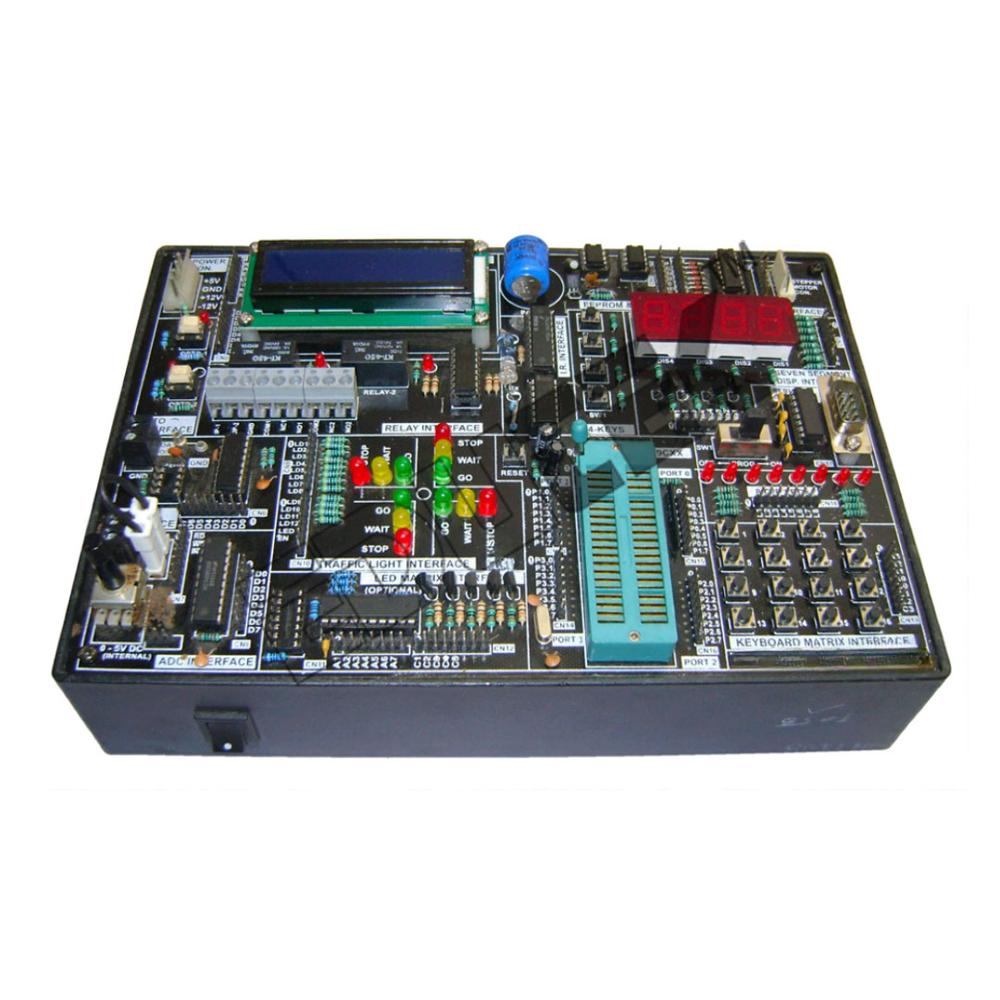
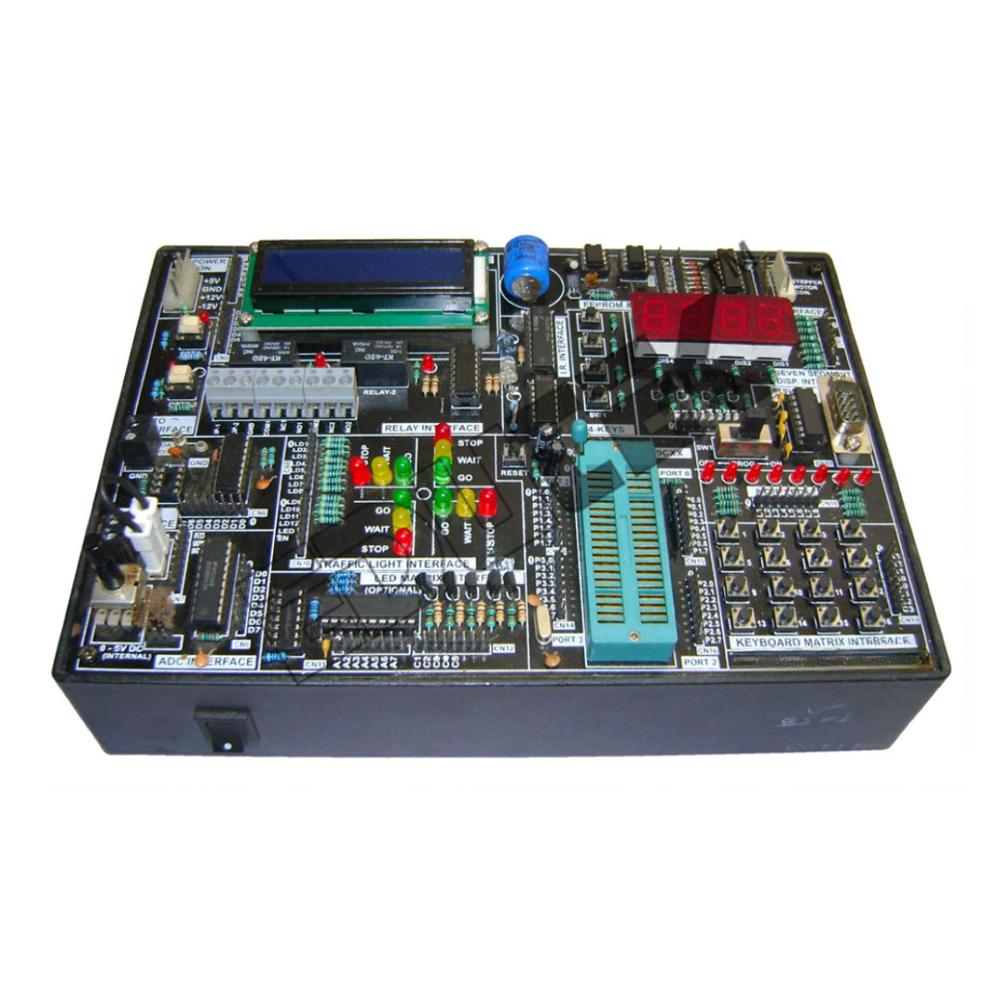
EMBEDDED DEVICE
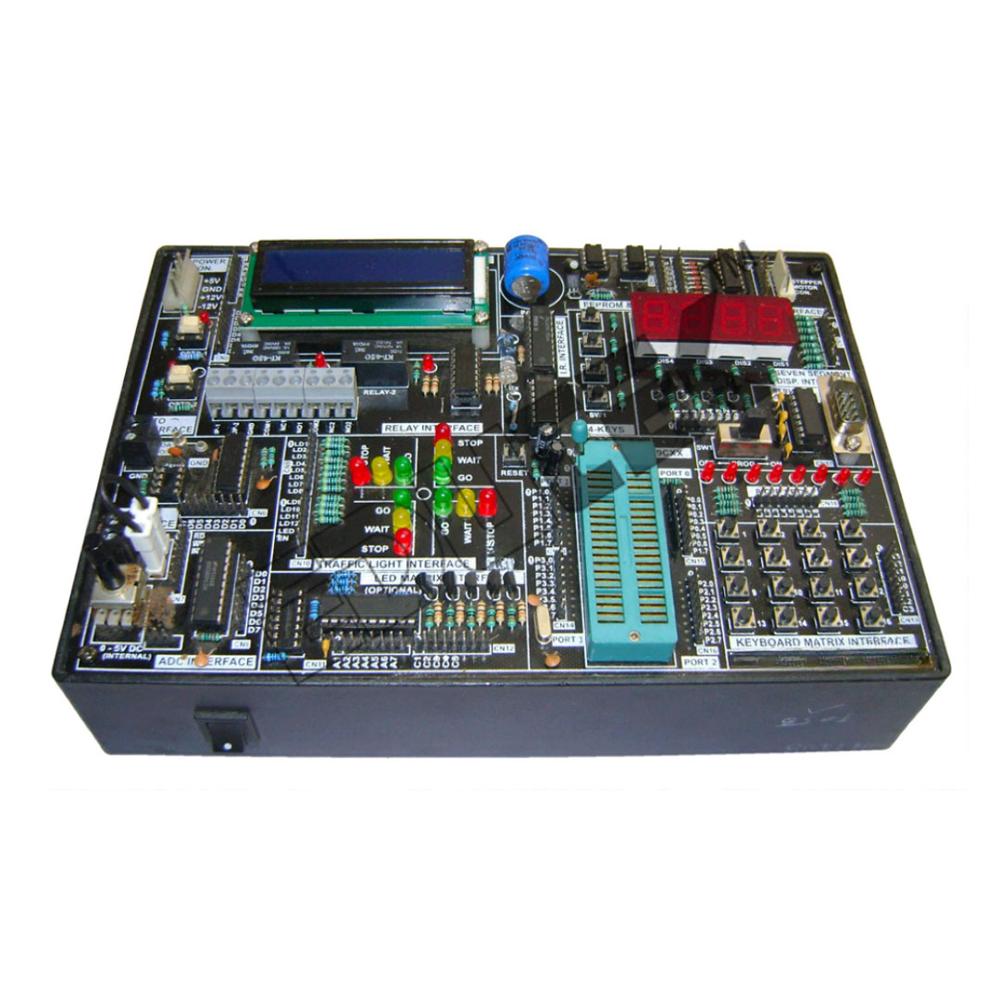
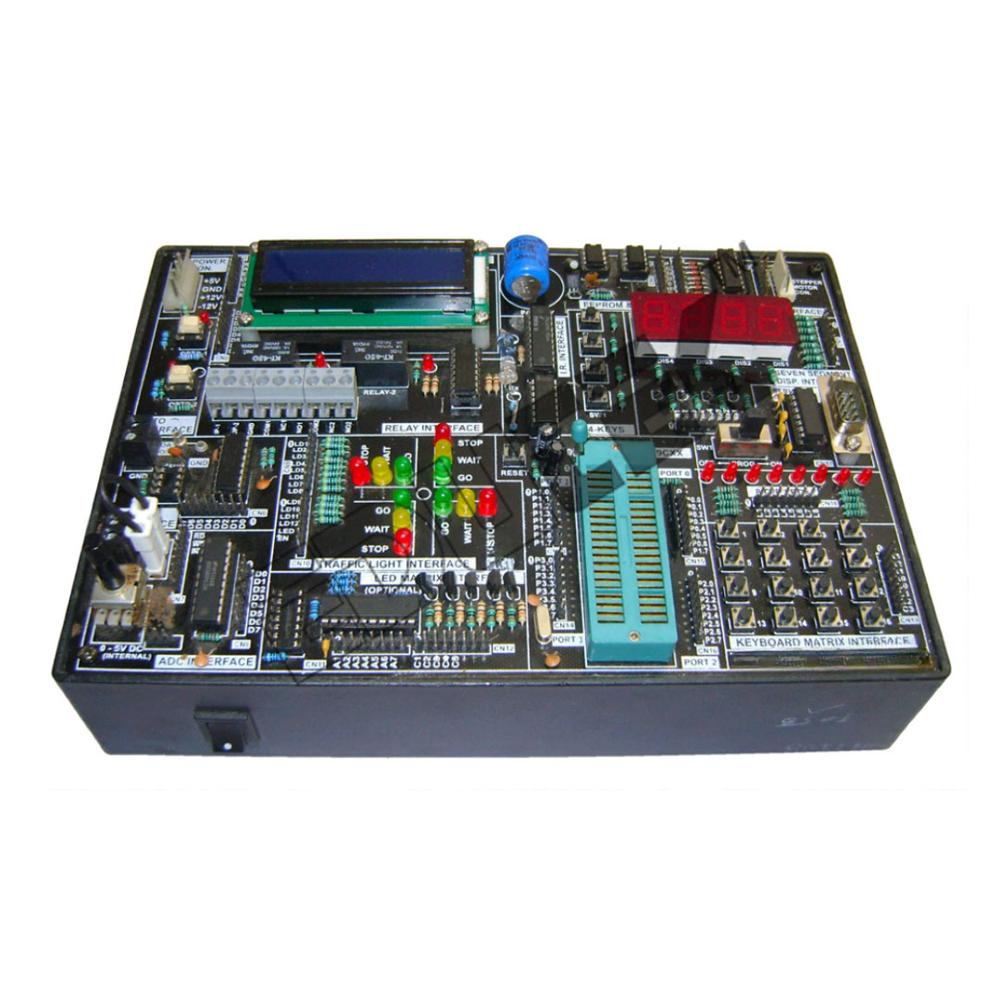
- Student Design Embedded Platform with reconfigurable Input Output architecture
- Featuring a real time controller and FPGA chip 28,000 programmable logic cells.
- Alongside several analog and digital input output terminals
- 10 analog inputs
- 6 analog outputs
- Audio I/O channels
- Up to 40 lines of digital input/output (MO)
- It includes Wi-Fi
- A three-axis accelerometer
- Several programmable light emitting diodes (LED)
- All required tools for operation included
- Pc and Software and software update and License for operation included.
- Installation and Commissioning and training included
Flexible Reconfigurable DesignLeverage the power of a real-time controller alongside a Spartan-6 FPGA with 28,000 logic cells for custom logic circuit development. The devices flexible I/O ports, supporting both digital and analog inputs, along with programmable outputs, make it adaptable to a diverse range of embedded system designs.
Advanced Expansion and ConnectivityThe board features modular header pins designed for shield or board add-ons, allowing easy hardware expansion. Connectivity via USB 2.0 and JTAG onboard programmers streamlines development workflows, while external display compatibility and sensor support maximize versatility for numerous applications.
Built for Education and InnovationEngineered as a student design platform, this device simplifies complex prototyping and accelerates learning. Outfitted with on-board SRAM and Flash memory, robust protection features, and detailed user documentation, its a reliable tool for instruction, innovation, and rapid research project iteration.
FAQs of Embedded Device:
Q: How do I program the FPGA and real-time controller on the device?
A: Programming is accomplished through the onboard USB 2.0 or JTAG interfaces. You can use standard development tools and workflows for VHDL or Verilog (FPGA) and C/C++ (embedded firmware) on Windows or Linux systems. The included user manual provides detailed setup and programming instructions.
Q: What are the primary benefits of using this embedded platform for educational purposes?
A: This device offers a hands-on approach to learning embedded systems and FPGA design, combining a high-performance Spartan-6 FPGA with a real-time controller and reconfigurable I/O. It supports project-based learning, rapid prototyping, and experimentation, making complex concepts tangible for students and researchers.
Q: When is it suitable to use this platform compared to other FPGA boards?
A: This device is particularly suited to environments where modular expansion, real-time control, and broad language support are valuableideal for university labs, R&D environments, and student projects where versatility, protection features, and user-friendly programming interfaces are priorities.
Q: Where can I connect additional hardware or sensor modules to the board?
A: Expansion and sensor modules connect via the boards multifaceted header pins and configurable I/O ports. The device supports both digital and analog sensors (not included), facilitating seamless integration for a variety of custom and experimental hardware setups.
Q: What is the process for updating or reconfiguring the programmed logic?
A: To update the FPGA logic or firmware, connect the board to your development computer via USB or JTAG. Load your compiled code using your development environment. The onboard Flash and SRAM support quick reconfiguration, allowing for iterative design and rapid testing cycles.
Q: How does the system handle power and ensure safe operation?
A: Powered by an included 5V DC adapter, the board features robust short-circuit and over-current protection. Power and status LEDs offer clear system indication, while passive air cooling maintains proper thermal management throughout operation.
Q: What are the practical usage scenarios for this device?
A: This platform excels in educational labs for embedded systems, FPGA prototyping, robotics, IoT experimentation, and student design competitions. Its modularity and reconfigurability make it effective for a broad range of practical and research applications in academia and industry.






 Send Inquiry
 Send Inquiry

