About Compaction Factor Apparatus
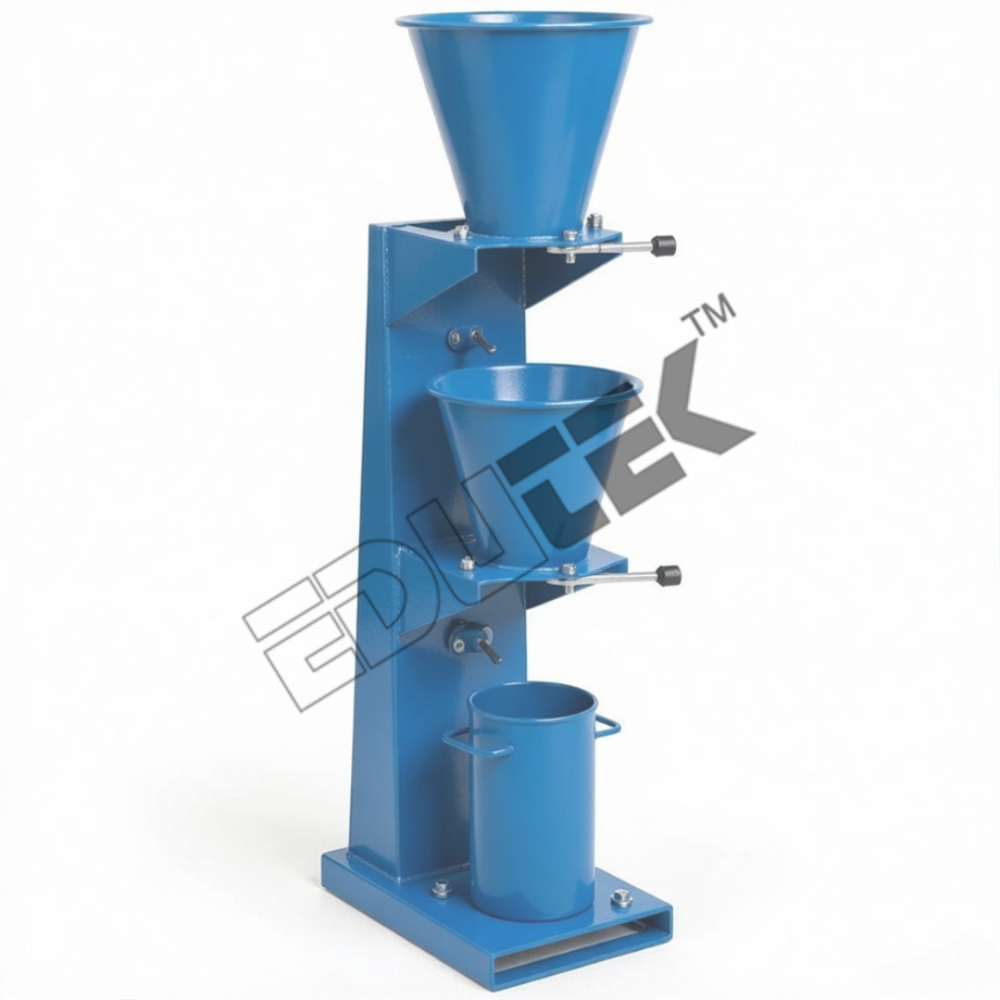
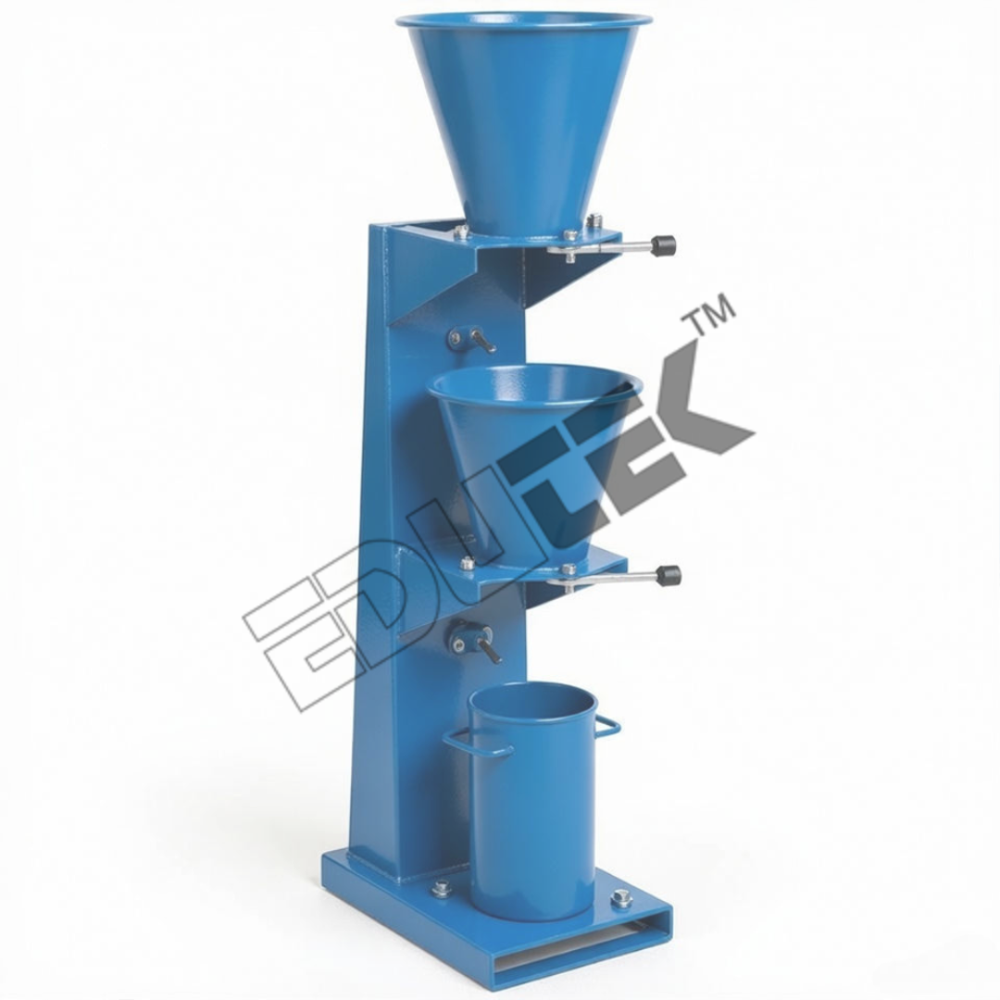
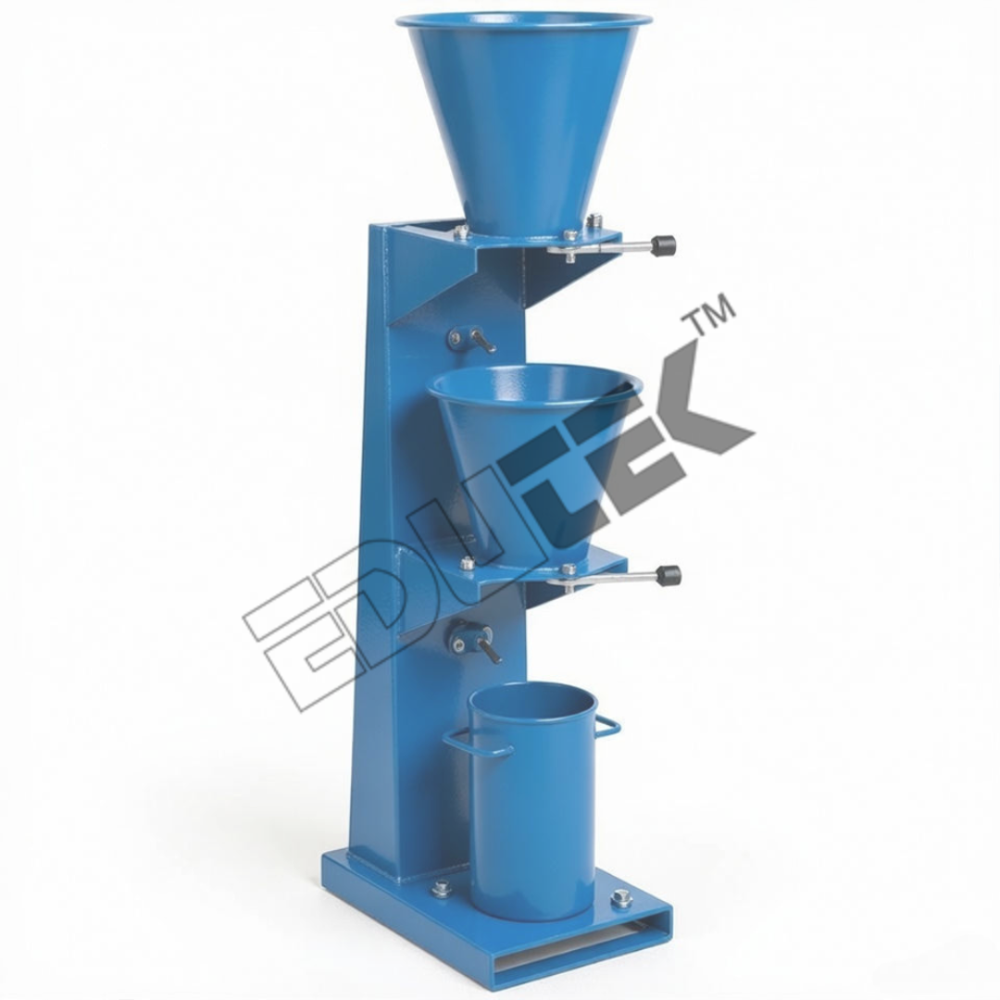
Compaction Factor ApparatusThe apparatus is used for determining the work ability of fresh concrete, provided the maximum size of the aggregate does not exceed 38mm. The test is particularly useful for concrete mixes of very low work ability where true slump values are not reliable.
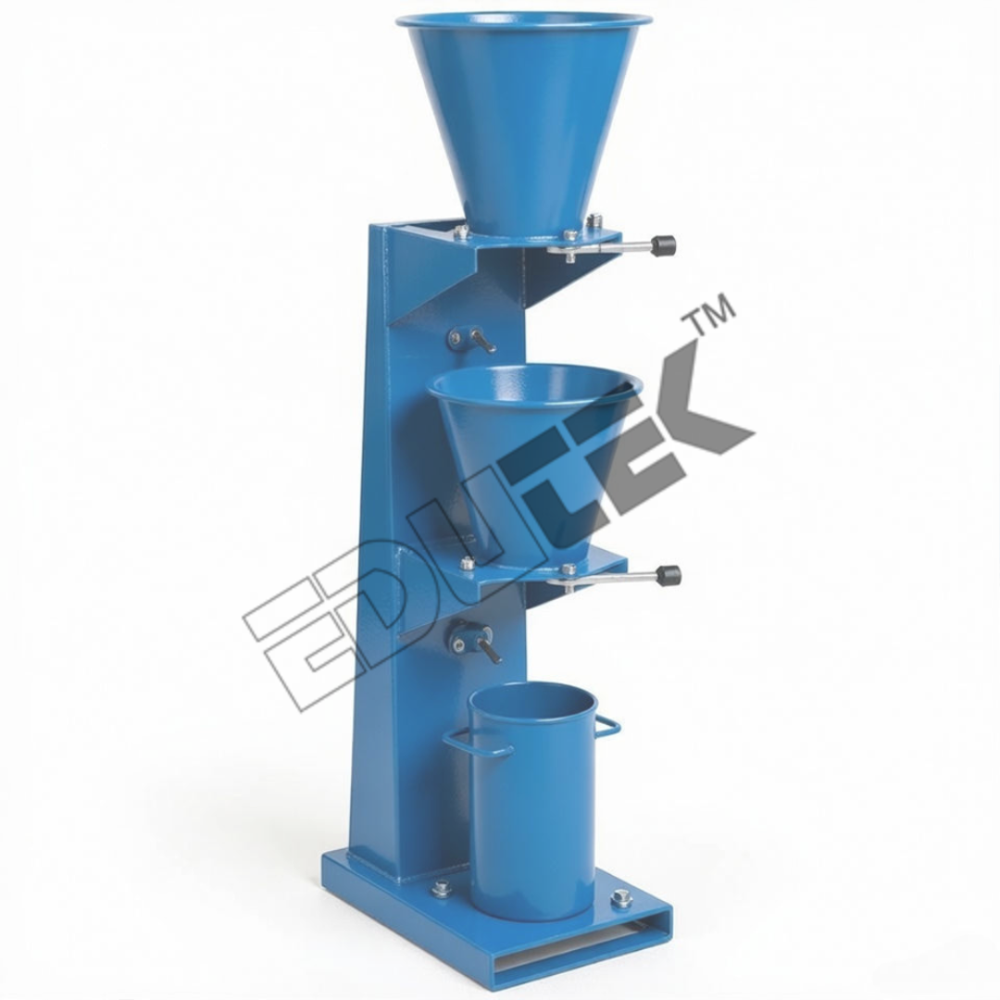
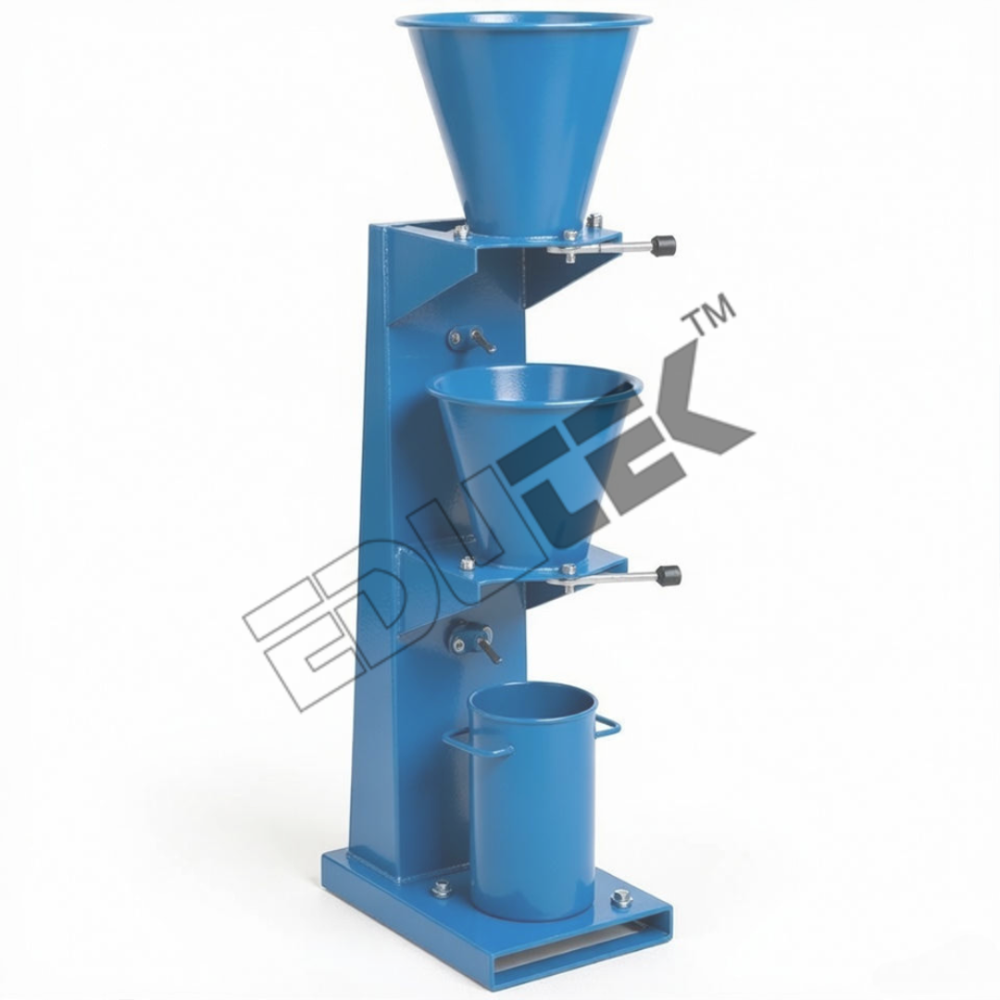
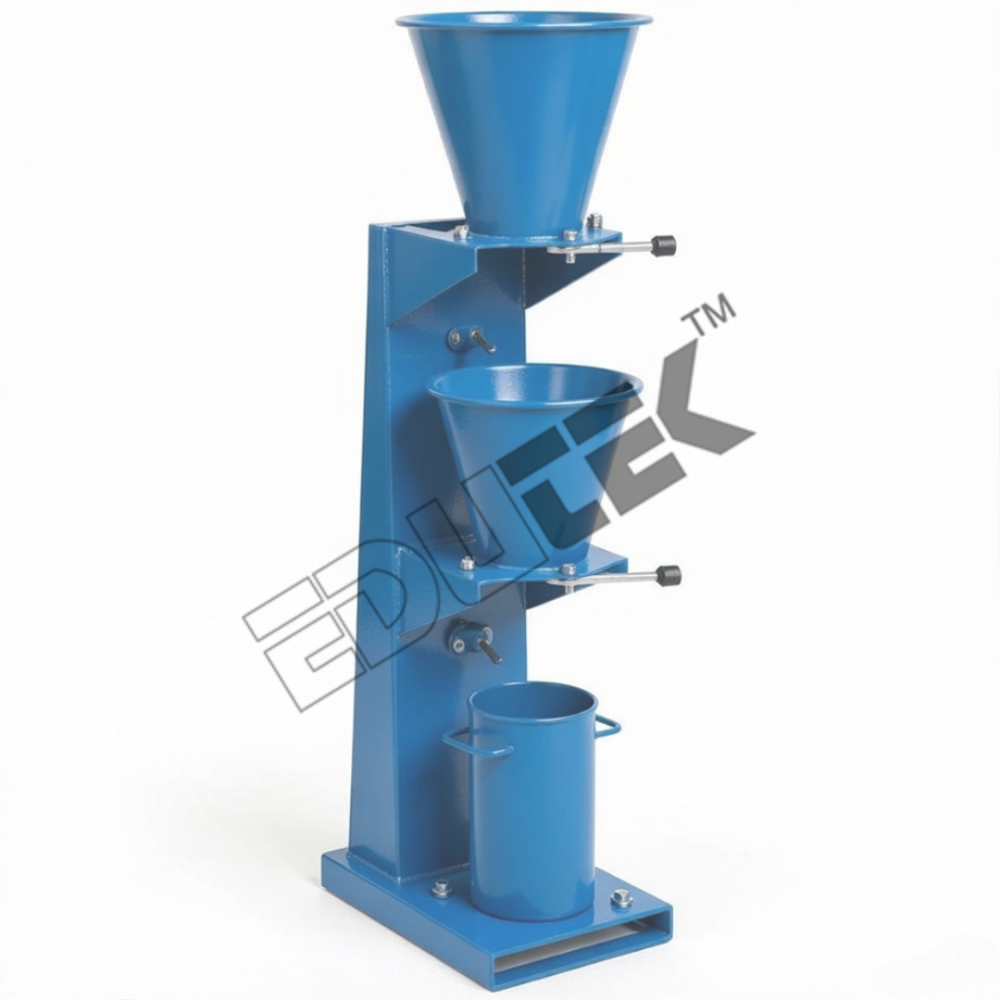
Specification :It consists of two rigid conical hoppers and a cylinder mounted on a rigid metal frame. The lower openings of the hoppers are fitted with hinged trapdoors having a quick release catches. A circular metal plate is provided to cover the top of the cylinder. Supplied complete with one plaster's trowel and one tamping rod, 16mm dia x 600mm long, both ends rounded.
Effortless Concrete Workability TestingThis apparatus enables straightforward assessment of fresh concretes workability by the compaction factor method. With an ambient temperature range, high-precision analog display, and quick-release conical hopper, it reliably delivers consistent results. The included tamping rod and robust base plate support easy, repeatable measurements needed in busy lab or on-site environments.
Portable and Sturdy DesignEngineered for field and laboratory use, this apparatus features a carry handle and a weight of approximately 25 kg, ensuring superior portability without compromising stability. Its smooth powder-coated finish and corrosion-resistant mild steel parts make maintenance minimal and longevity assuredeven in harsh operating conditions.
FAQs of Compaction Factor Apparatus:
Q: How is the Compaction Factor Apparatus used to test concrete workability?
A: To use the Compaction Factor Apparatus, place fresh concrete into the upper conical hopper, release it into the lower hopper, and then into the measurement cylinder. The mass of concrete in the cylinder is then weighed and compared to the fully compacted concrete mass. Following IS:1199 or ASTM C569, this process helps determine the compaction factor, indicating the workability of concrete.
Q: What are the primary components of the apparatus included in the package?
A: The package contains a conical upper hopper with quick release, lower hopper, measuring cylinder (150 mm diameter x 300 mm height), robust mild steel base plate, tamping rod (16 mm x 600 mm, rounded end), cleaning brush, and a user manual for quick assembly and operation guidance.
Q: Where can this apparatus be effectively used?
A: This apparatus is well-suited for use in construction sites, quality control laboratories, and research institutes. Its portable design allows for flexible use across different testing locations without requiring heavy lifting or complex setup.
Q: What is the process for assembling and cleaning the Compaction Factor Apparatus?
A: Assembly is straightforward using the included user manual. Connect the upper and lower hoppers, cylinder, and base frame. For cleaning, use the supplied brush and mild detergent if needed, ensuring all residual concrete is removed to maintain measurement accuracy and apparatus longevity.
Q: What are the main advantages of this apparatus over other concrete testing methods?
A: This device offers high precision, quick and easy assembly, accurate analog measurement, and is engineered for minimal maintenance. The corrosion-resistant finish and robust design also ensure long-term usability, especially in demanding field environments. Its manual operation eliminates the need for electric power sources.
Q: When should this apparatus be used for concrete testing?
A: It should be used whenever you need to assess the workability of low, medium, or high workability concrete as part of concrete mix design, quality control checks, or during research evaluations, as specified by the IS:1199 or ASTM C569 standards.





 Send Inquiry
 Send Inquiry

