About Thin Film Oven
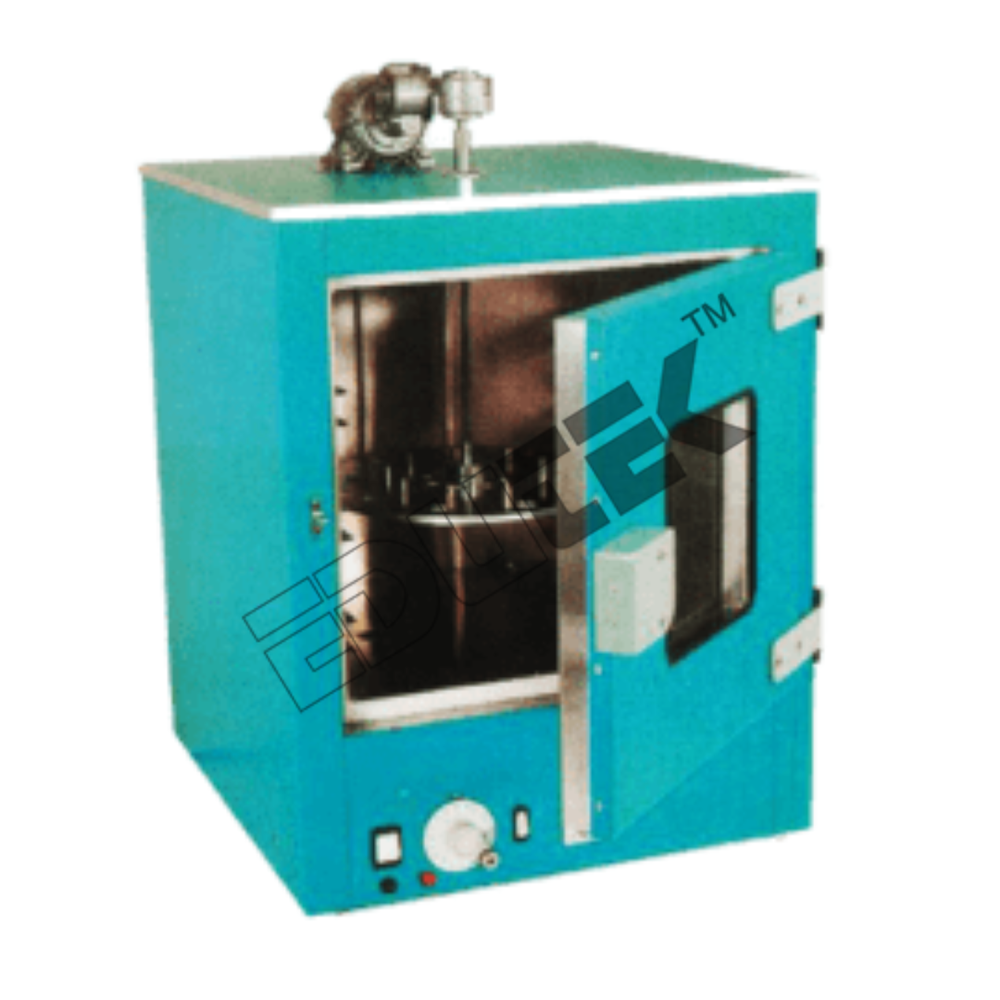
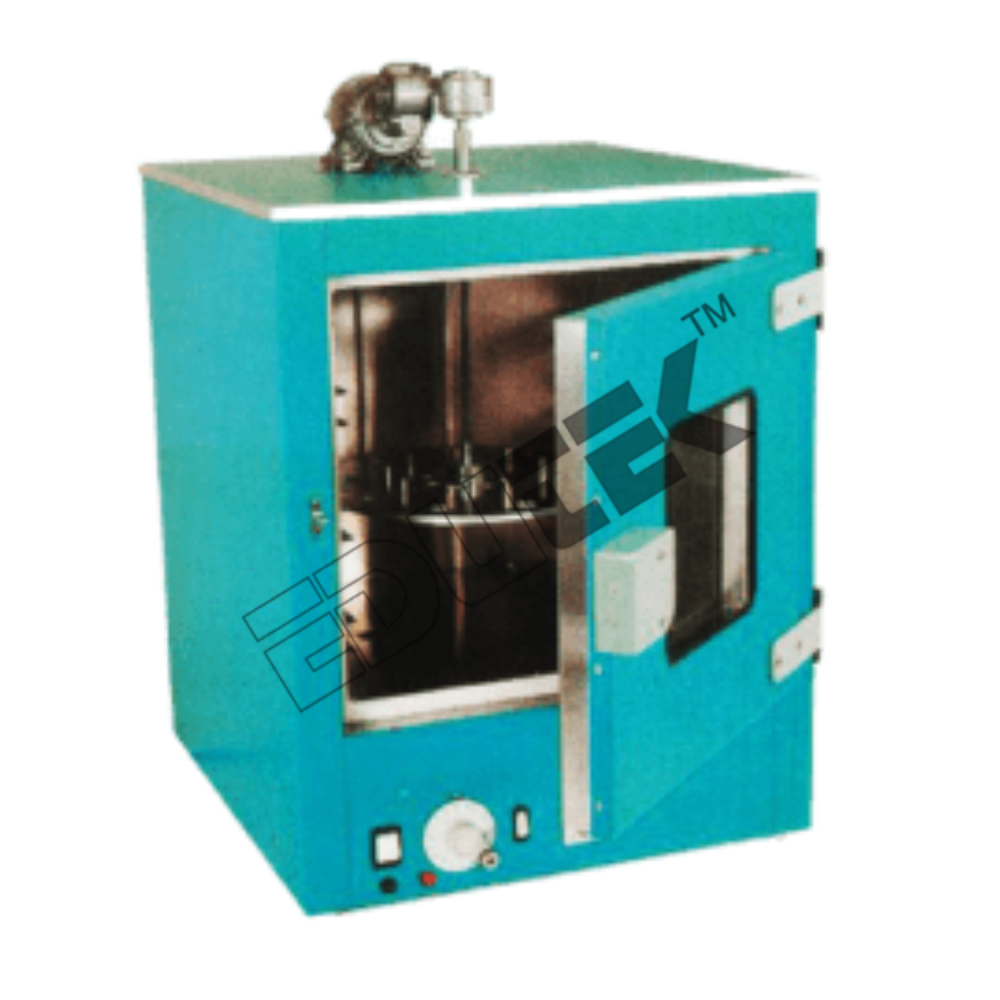
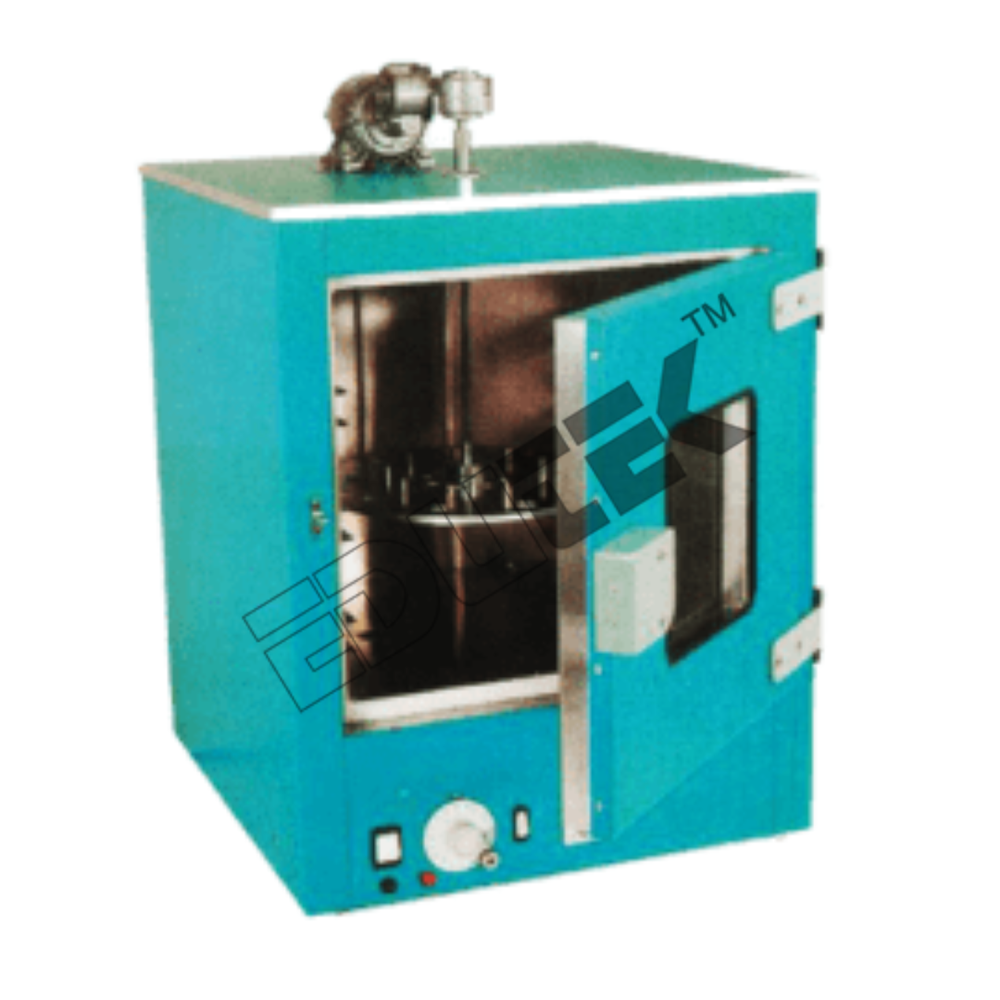
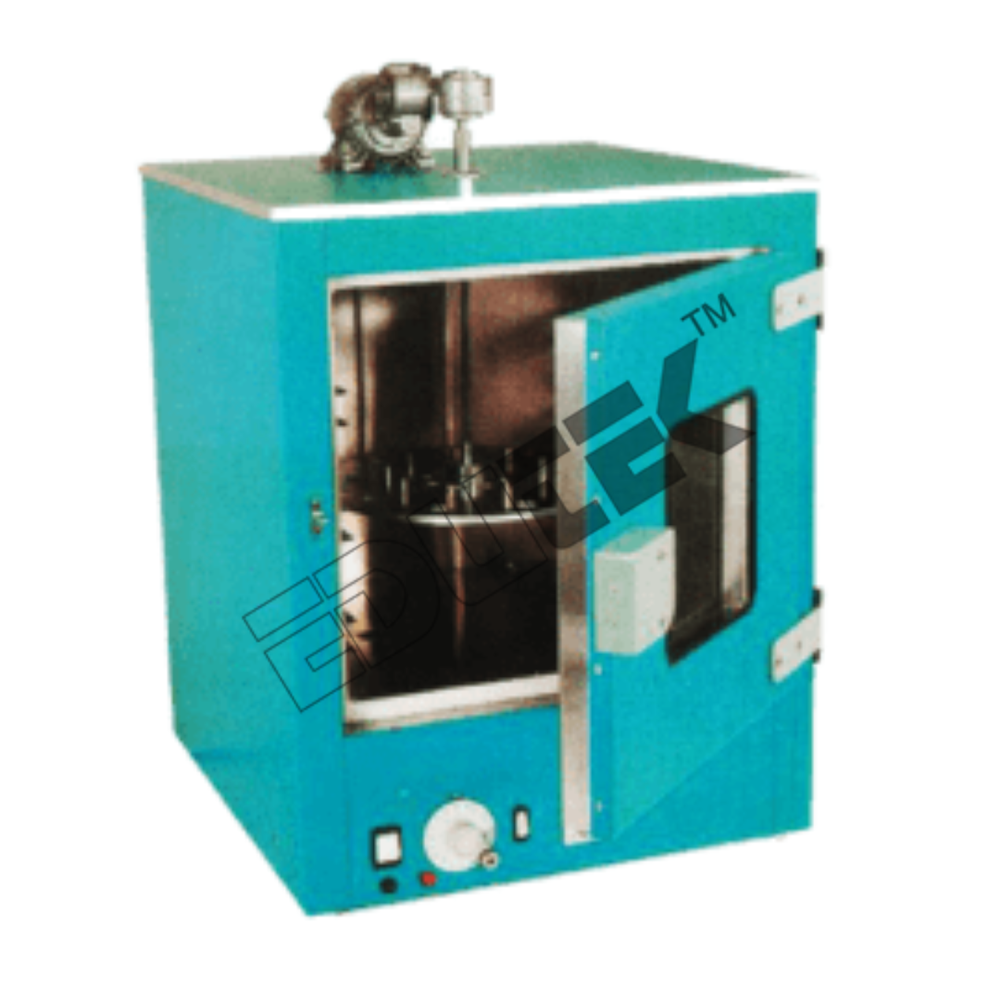
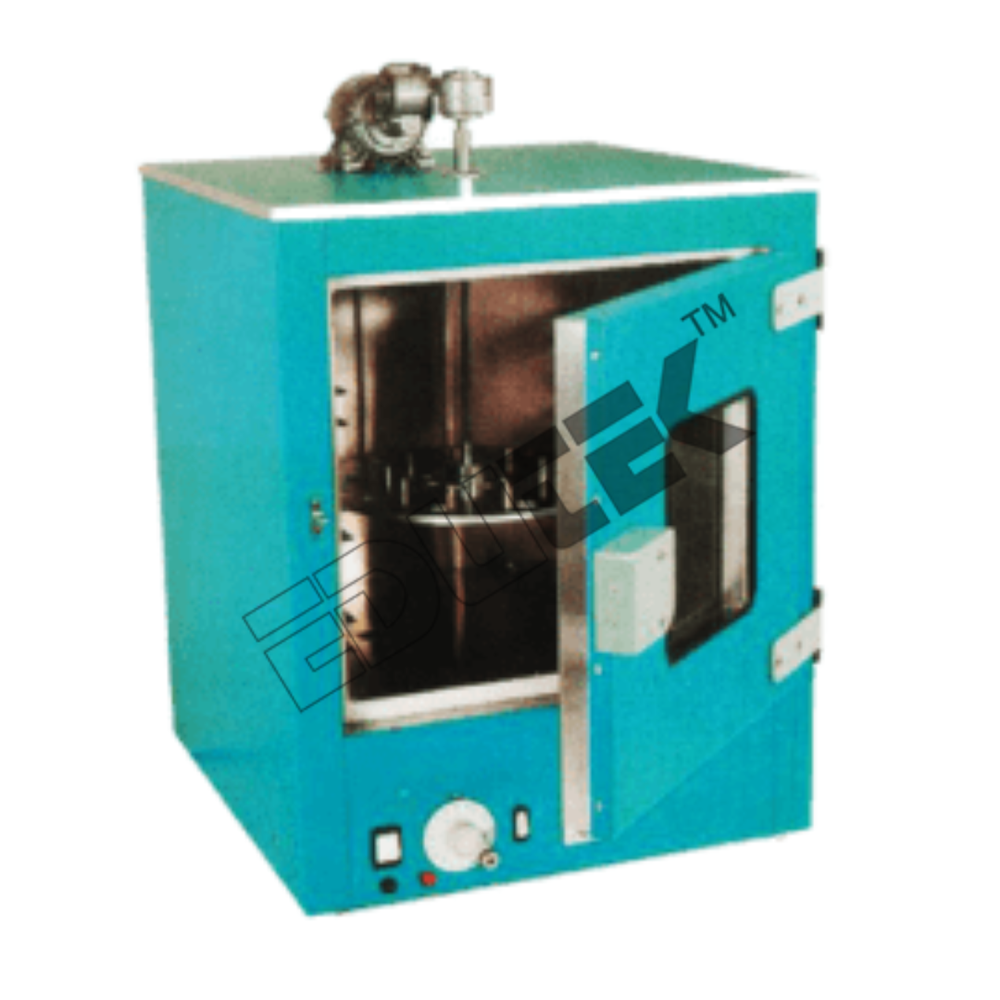
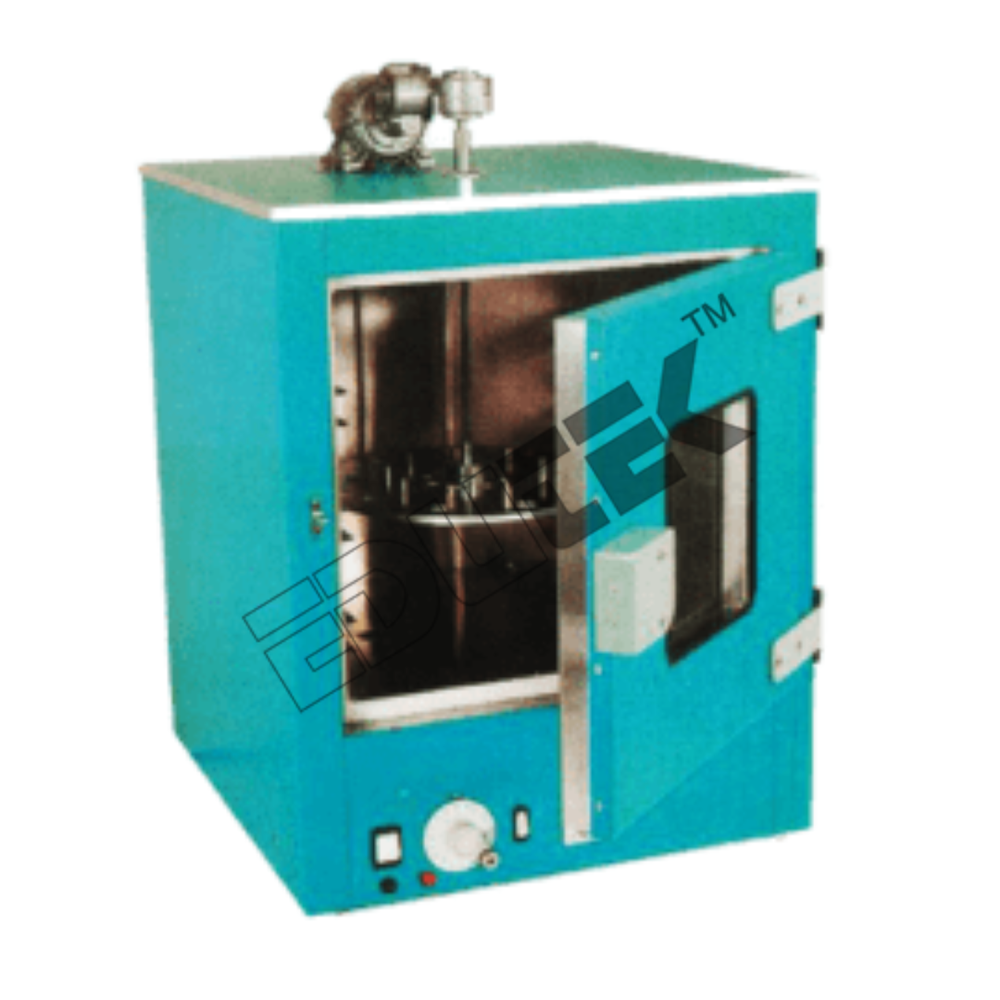
Thin Film OvenThin Film Oven / Loss on Heating OvenThin Film Oven test is conducted for determining the effect of the heat and air on asphaltic material as per the requirements of IS: 9382. Loss on Heating test is conducted for determining the loss in weight of bitumen and flux-oils on heating as per the requirements of IS: 1212. The Oven is having a double walled Internal Chamber of 400mm x 400mm x 400mm (16 x 16 x 16) made of Stainless Steel and External Body made of Mild Steel Sheet (Powder Coated Paint) or Stainless Steel Sheet with glasswool insulation between the chambers. The Oven is having range from ambient plus 10C to 200C and fitted with variable digital temperature controller to maintain temperature at 163C + 1C. An external motor with shaft is fitted to rotate the platform at a speed of 5 to 6 rpm and also an Air Circulating Fan to maintain the sensitivity of + 1C in the test chamber. The Door of the Oven body is fitted with toughened glass for viewing the samples during the test.
Rotating Shelf System for Uniform HeatingThe oven incorporates a rotating shelf mechanism designed in accordance with ASTM D6/D1754 standards. This feature ensures samples receive consistent heat and air exposure throughout the testing process, reducing variability and improving reliability of results. The robust shelves accommodate two trays, maximizing sample throughput in each testing cycle.
Advanced Safety and InsulationEquipped with over-temperature cut-off and fuse protection, the Thin Film Oven prioritizes user and sample safety. High-quality glass wool insulation minimizes heat loss and maintains temperature stability, while the toughened glass viewing window allows operators to monitor samples without interrupting the cycle.
Programmable Digital Control for PrecisionA microprocessor-based digital temperature controller enables precise temperature regulation from ambient up to 200C, with a resolution of 0.1C and an accuracy of 1C at 163C. The programmable digital timer allows for up to 99 hours of continuous operation, supporting extended testing protocols for comprehensive evaluation.
FAQs of Thin Film Oven:
Q: How does the rotating shelf mechanism enhance the testing process in the Thin Film Oven?
A: The rotating shelf ensures samples are exposed evenly to heat and circulating air, adhering to ASTM D6/D1754 standards. This uniform exposure reduces sample variability and ensures accurate, repeatable results when evaluating asphalt or bitumen effects.
Q: What materials are used in the construction of the Thin Film Oven, and why are they important?
A: The inner chamber is made of stainless steel to provide corrosion resistance and thermal stability, while the outer body uses powder-coated mild steel for enhanced durability. This double-walled design also improves insulation performance and energy efficiency during operation.
Q: When should the Thin Film Oven be used for asphalt or bitumen testing?
A: This oven is specifically applied when assessing the durability and chemical composition of asphalt or bitumen by subjecting samples to controlled heat and airflow, as required in standard laboratory protocols outlined by ASTM methods.
Q: Where is the viewing window located, and how does it benefit the user during testing?
A: The toughened glass viewing window is positioned on the front panel of the oven to allow clear observation of samples during the process. This design lets users monitor progress without opening the door or disrupting the test cycle, promoting accuracy and safety.
Q: How is safety assured during Thin Film Oven operation?
A: Safety is ensured via an over-temperature cut-off system and fuse protection, which prevent overheating and electrical hazards. Additionally, the high-quality glass wool insulation and double-walled construction minimize heat escape and accidental burns.
Q: What is the process for programming the oven for a test cycle?
A: Operators can set the desired temperature using the digital microprocessor-based controller, adjust the digital timer up to 99 hours, and initiate the rotating shelf system. The oven maintains uniform heating and airflow according to preset parameters for standardized testing results.
Q: What are the main benefits of using this Thin Film Oven in laboratory settings?
A: Key benefits include precise temperature control, programmable timing, uniform sample heating, high safety standards, and compliance with ASTM specifications. These features enable accurate evaluation of material properties and consistent, reliable test outcomes in asphalt and bitumen analysis.




 Send Inquiry
 Send Inquiry

