About Beam Mould
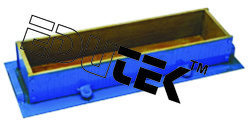
Beam Mould
For casting, concrete specimen for flexure tests
Specification :
Made of Cast Iron / Mild Steel. The mould are made of 4 plates assembled together. Each mould is supplied complete with base plate. Faces are machined flat to 0.2mm. And finished in size to 0.2mm. Durable Construction and Smooth FinishManufactured using cast iron or mild steel, the Beam Mould features a machined and finished surface to deliver perfectly shaped concrete beams. Its robust build with thick end plates and carefully engineered joints minimizes leakage, ensuring your specimens maintain their intended dimensions throughout the casting and curing process.
Easy Handling and MaintenanceBolted or welded assembly with removable sides allows fast demoulding and straightforward cleaning. The moulds design prioritizes user convenience and repeatable results, while optional clamps, handles, and spacer plates further streamline operation for laboratory and field applications.
Accuracy and Standard ComplianceEach Beam Mould is produced in strict accordance with IS 516, IS 10086, and BS 1881 specifications to guarantee test reliability. With a standard capacity to cast three beams simultaneously and a measurement range of 150mm x 150mm x 700mm, this equipment delivers consistent, reproducible outcomes for flexural strength testing of concrete.
FAQs of Beam Mould:
Q: How is the Beam Mould assembled and disassembled?
A: The Beam Mould comes with bolted or welded sides, enabling quick assembly and removal. The removable side walls facilitate easy demoulding of the concrete beams after curing, making the cleaning process efficient and straightforward.
Q: What are the primary benefits of using a machined and finished Beam Mould?
A: A machined and finished surface ensures that cast beams have precise dimensions and smooth surfaces, minimizing surface defects and maximizing test accuracy in flexural strength measurements.
Q: When should I use optional accessories with this Beam Mould?
A: Optional accessories like spacer plates, handles, and additional clamps are recommended when higher operational flexibility or enhanced safety is required, especially in busy laboratories or challenging field conditions.
Q: Where can the Beam Mould be used effectively?
A: This mould is suitable for both laboratory and field settings due to its robust construction and ease of transport. Its ambient temperature operating range ensures versatility across diverse environments.
Q: What is the cleaning procedure for the Beam Mould after use?
A: After demoulding the concrete beams, simply remove any residue from the machined surfaces and joints using water or an appropriate cleaning solvent. The removable sides make thorough cleaning easy, preserving the moulds life and ensuring accurate future casts.
Q: How does the mould ensure dimensional accuracy and prevent leaks?
A: Thick-gauge end plates and precision assembly with bolts or welding maintain the shape and tightness of the mould. These features, combined with a smooth surface finish, prevent concrete leakage and help maintain dimensional fidelity according to testing standards.
Q: What standards does the Beam Mould conform to for quality assurance?
A: This equipment is designed to meet international and national standards, including IS 516, IS 10086, and BS 1881, ensuring that your test results are both accurate and widely accepted.





 Send Inquiry
 Send Inquiry

