About ABBE Refractometer
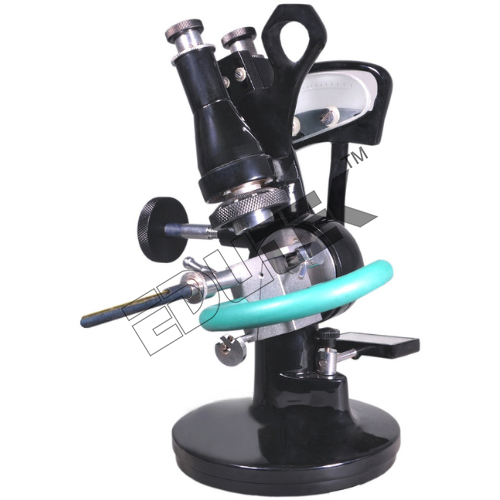
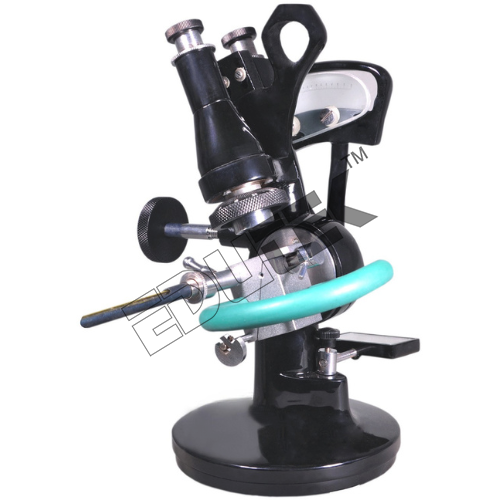
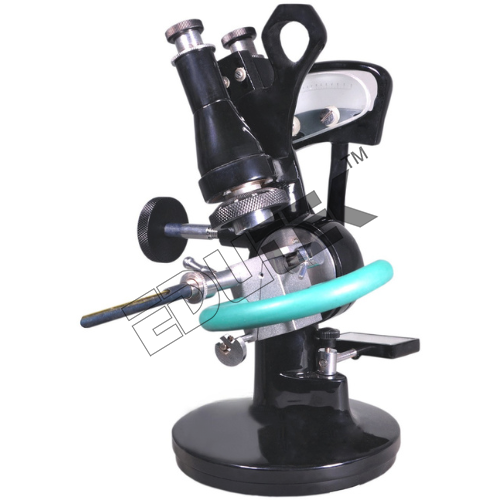
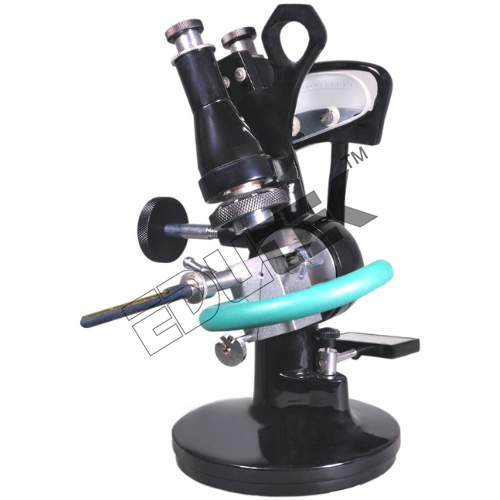
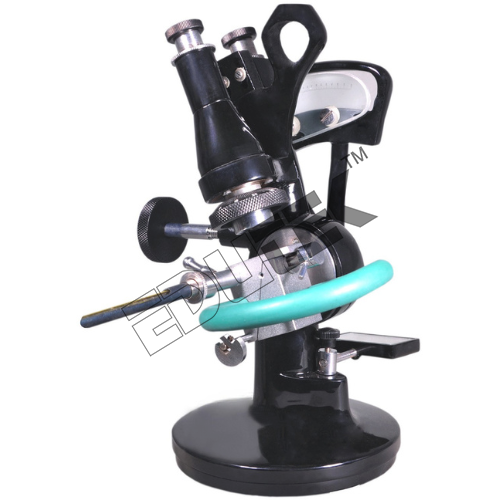
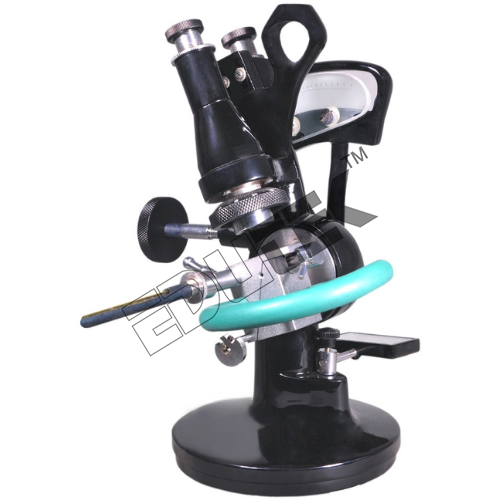
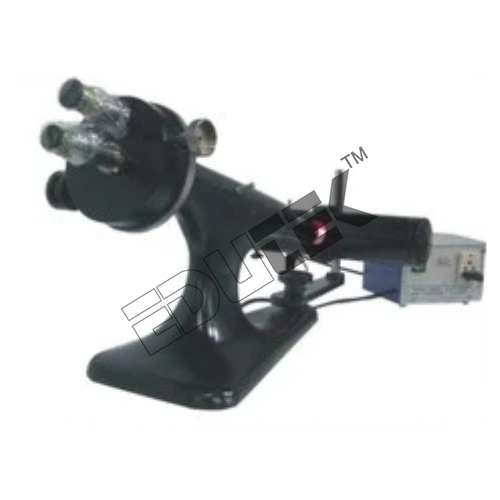
ABBE Refractometer ETMS-157Abbe Refractometer that is designed for quick and convenient measurement of refractive index and dispersion of liquids and solids. The Abb Refractometer manufactured by us is praised for...
- Additional sugars scale provided
- Precise measurement of percentage
- Prefect measurement refractive index in the range of 1.3 to 1.7 with an accuracy of 0.01
Precision Measurement For Various SamplesDesigned for both liquids and solids, the ABBE Refractometer employs an optical prism and the Abbe method to deliver reliable refractive index and Brix readings. Featuring an accuracy of 0.0002 nD and high-resolution up to 0.0001 nD, it ensures trust in your measurements across scientific, educational, and industrial applications.
User-Friendly Operation And Robust DesignThis refractometer integrates a manual interface with clear calibration scales, coarse and fine focus, and easy sample placement. Its sturdy metal body, compact structure, and user-focused featuressuch as adjustable focal distance and LED illuminationmake routine analysis straightforward and repeatable.
Comprehensive Compliance And VersatilityCertified to ISO and CE standards, the ABBE Refractometer is suited for laboratories and industries worldwide. Its broad measuring range, integrated thermometer for manual temperature compensation, and intuitive visual scale ensure results can be trusted in quality assurance, research, or classroom settings.
FAQs of ABBE Refractometer:
Q: How do I properly calibrate the ABBE Refractometer?
A: Calibration is performed by placing distilled water or standard calibration fluids on the prism, setting the temperature as needed, and using the built-in calibration scales to align the measurement. The user can repeat this process to ensure accuracy before sample testing.
Q: What types of samples can I measure with this refractometer?
A: This device is designed to measure both liquid and solid transparent samples, offering a refractive index range from 1.3000 to 1.7000 nD and a sugar content (Brix) range from 0 to 95%. It is widely used in laboratories, industrial quality control, and educational experiments.
Q: When is temperature compensation needed, and how is it performed?
A: Temperature compensation is essential when sample temperatures differ from standard conditions, as this can influence results. The ABBE Refractometer offers manual compensation through its integrated thermometer, allowing the user to adjust readings for precise measurement.
Q: Where should the refractometer be used to achieve optimal results?
A: Optimal performance is achieved in ambient temperatures between 10C and 30C, away from strong vibrations, direct sunlight, or excessive humidity. The device requires stable indoor conditions, typical of laboratory, industrial, or educational environments.
Q: What is the process of taking a measurement with this device?
A: To measure, a small sample (0.10.3 ml) is placed on the prism, the cover closed, and the device focused using coarse and fine adjustment knobs. The user then reads the result visually on the tachymeter scale through the eyepiece, adjusting for temperature as required.
Q: How does using this refractometer benefit my workflow?
A: With its high accuracy, robust construction, easy calibration, and clear display, the ABBE Refractometer reduces measurement errors and streamlines analysis. Its compact design and spare parts availability ensure ongoing reliability and efficiency in demanding settings.




 Send Inquiry
 Send Inquiry

