About Ultraviolet Sensor
Ultraviolet Sensor
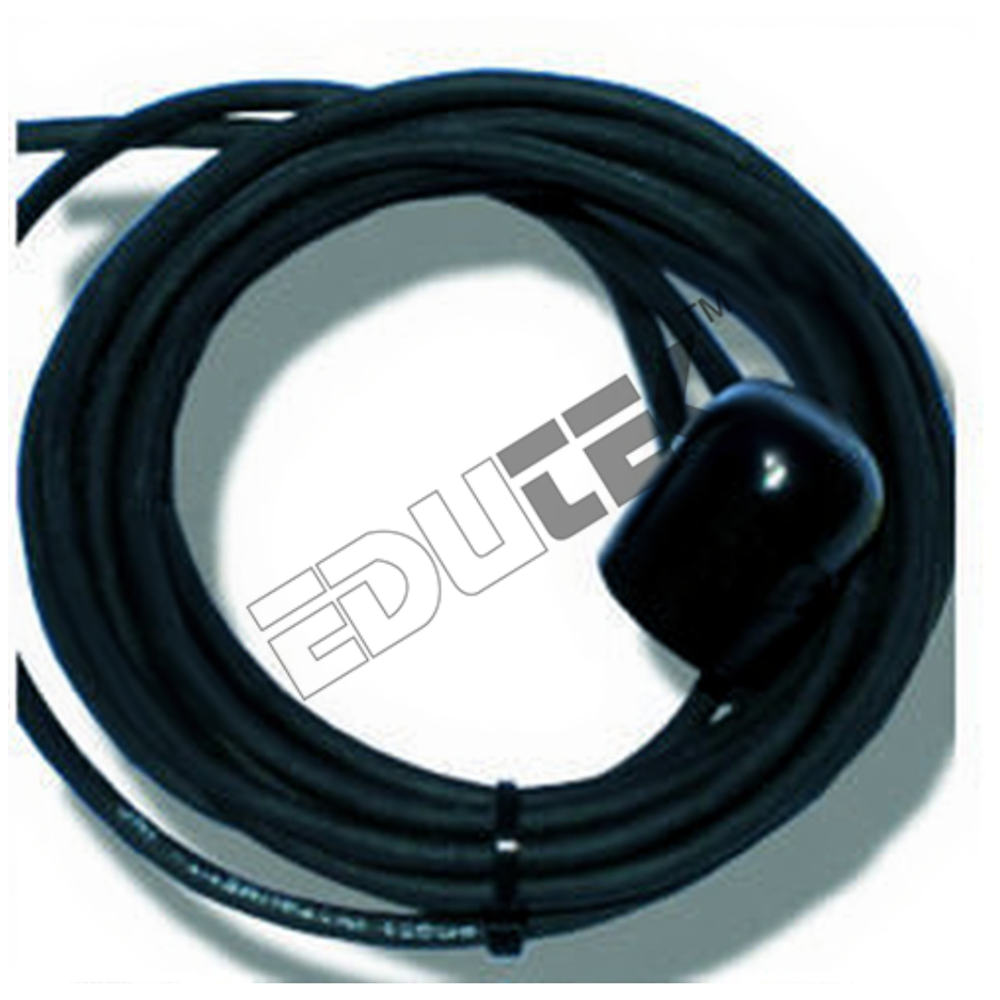
A completely reliable range of Ultraviolet Sensor is available with us. Our Ultraviolet Sensor is optimally efficient and durable. If you are looking for most advanced Ultraviolet Sensor Versatile Ultraviolet DetectionThis sensor covers both UV-A and UV-B regions (200-400 nm), making it suitable for comprehensive ultraviolet monitoring. Its high sensitivity allows for accurate detection in laboratory, industrial, and safety applications.
Reliable and Fast ResponseWith a response time of less than 1 second, this sensor delivers immediate feedback. Factory calibration ensures dependable accuracy over a long service life, while its robust construction withstands splash exposure and varying temperatures.
Easy Integration and OperationThe three-wire (analog output) interface guarantees straightforward installation. The compact surface-mount design fits easily into various setups and supports automatic or continuous operation for seamless monitoring.
FAQs of Ultraviolet Sensor:
Q: How do I install and integrate the ultraviolet sensor into my system?
A: The sensor is designed for easy surface mounting and supports a three-wire analog output interface. Simply connect the sensor to a 5V DC power source and link the output wires to your monitoring or data acquisition system for immediate operation.
Q: What applications is this ultraviolet sensor best suited for?
A: This sensor is excellent for UV monitoring, laboratory analysis, and industrial safety. It is frequently used to detect UV radiation levels in research, medical, and manufacturing environments to ensure safety and compliance.
Q: When should I perform calibration or maintenance on this sensor?
A: The sensor comes factory calibrated for optimal accuracy and typically does not require recalibration during its service life (>10,000 hours). Minimal maintenance is needed, aside from ensuring the housing remains free from dust and moisture.
Q: Where can this sensor be effectively deployed?
A: Its IP54-rated, compact surface-mount housing allows it to be installed in both indoor and semi-protected outdoor settings, such as laboratories, industrial workspaces, and safety monitoring stations where UV exposure needs to be tracked.
Q: What is the output signal and how can it be used in monitoring?
A: The sensor provides an analog voltage or current output directly proportional to the detected UV intensity. This output can be easily interfaced with standard data loggers, controllers, or display systems for continuous UV monitoring.
Q: How does the sensor ensure reliable UV detection under varying environmental conditions?
A: It operates smoothly in temperatures ranging from -10C to +60C and tolerates up to 95% non-condensing humidity. Its splash-proof IP54 protection and robust plastic housing offer resilience in demanding settings.
Q: What are the main benefits of using this ultraviolet sensor?
A: Key advantages include high sensitivity across a wide UV range, rapid response time, factory calibration, ease of integration, and long operational life, making it an ideal solution for continuous, accurate UV ray detection.




 Send Inquiry
 Send Inquiry

