About Humidity Sensors
Humidity Sensors
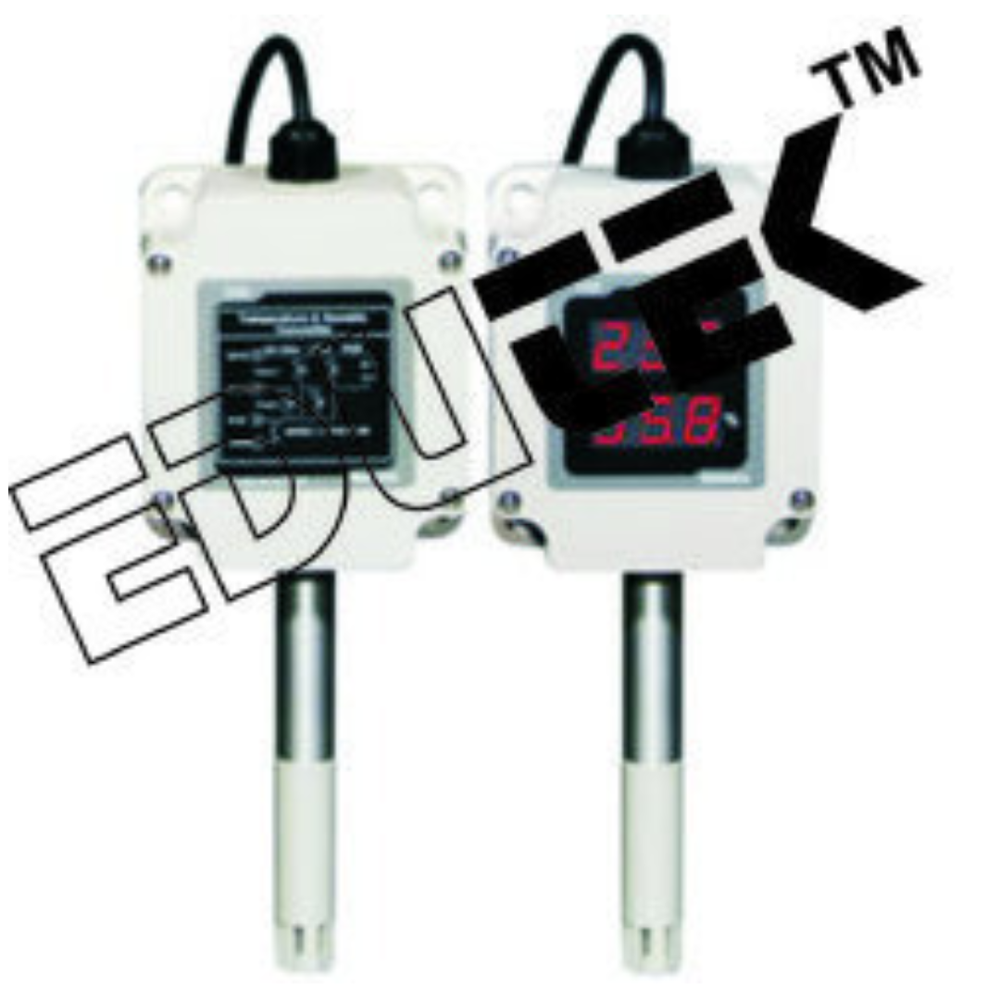
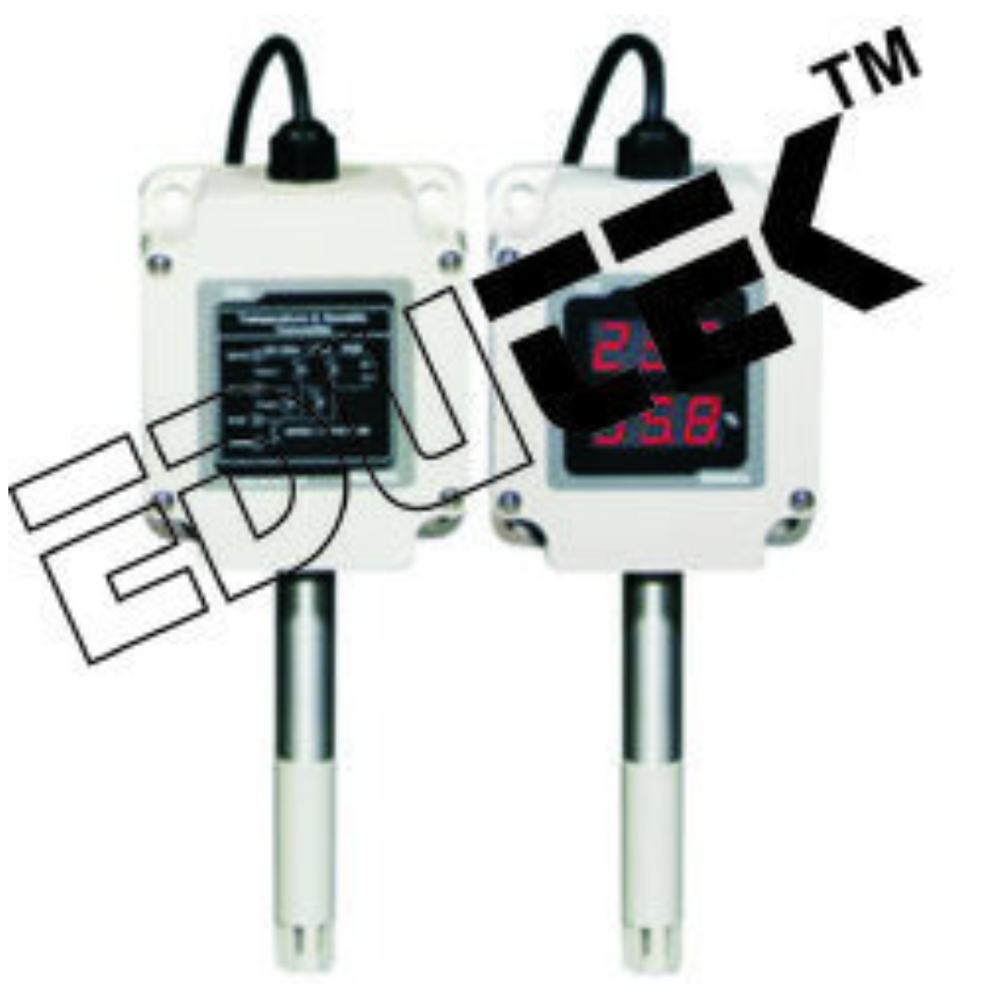
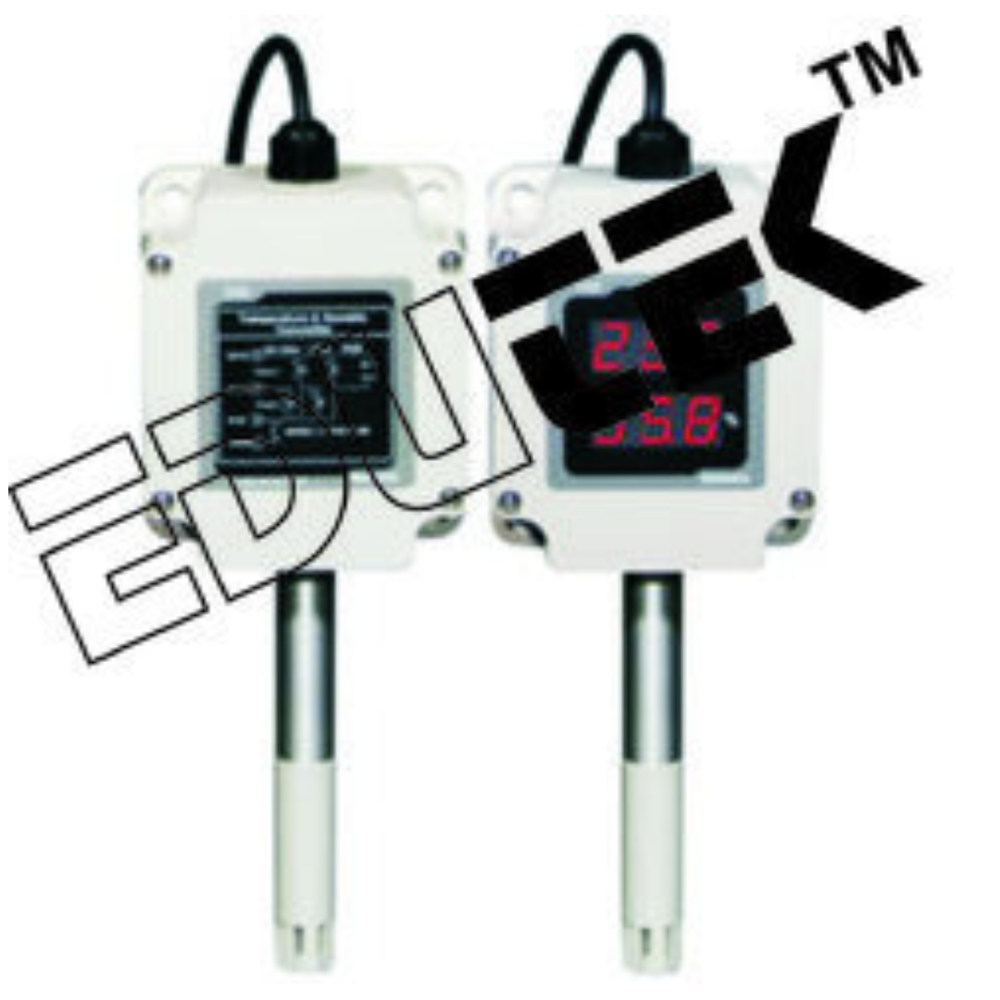
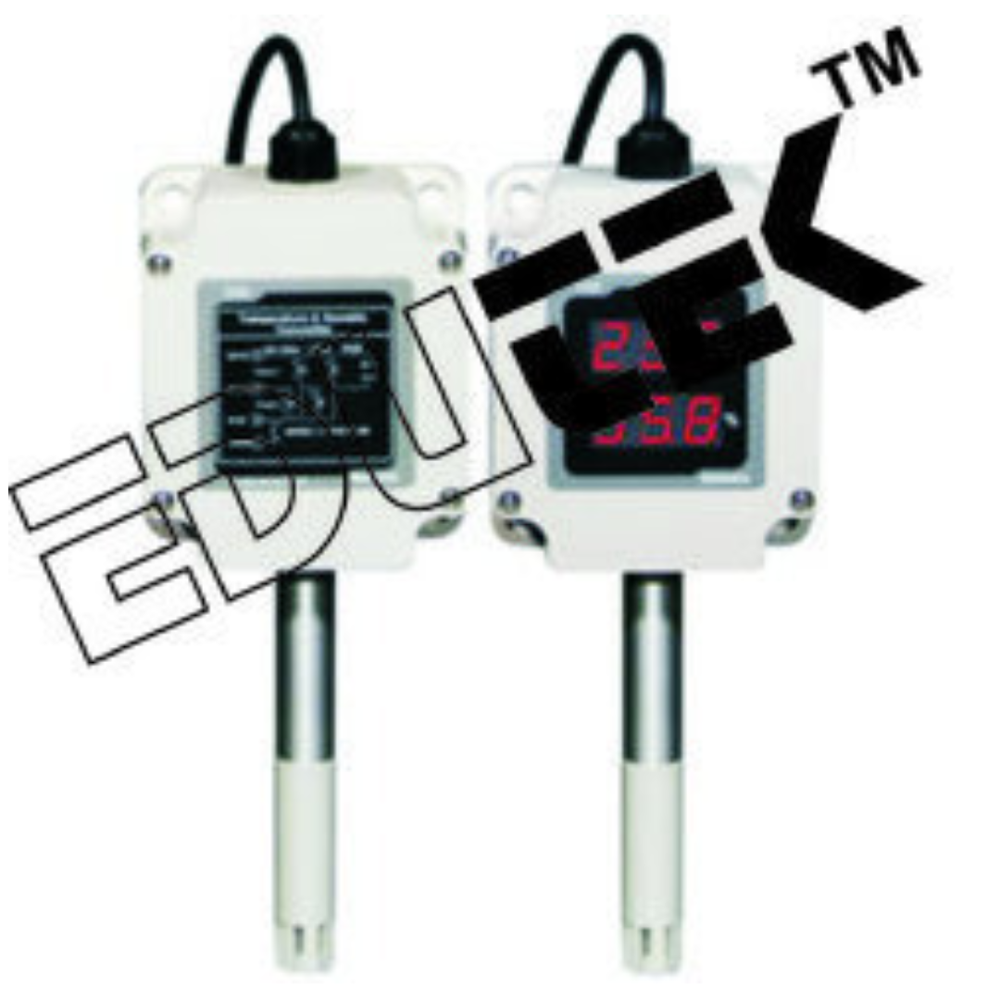
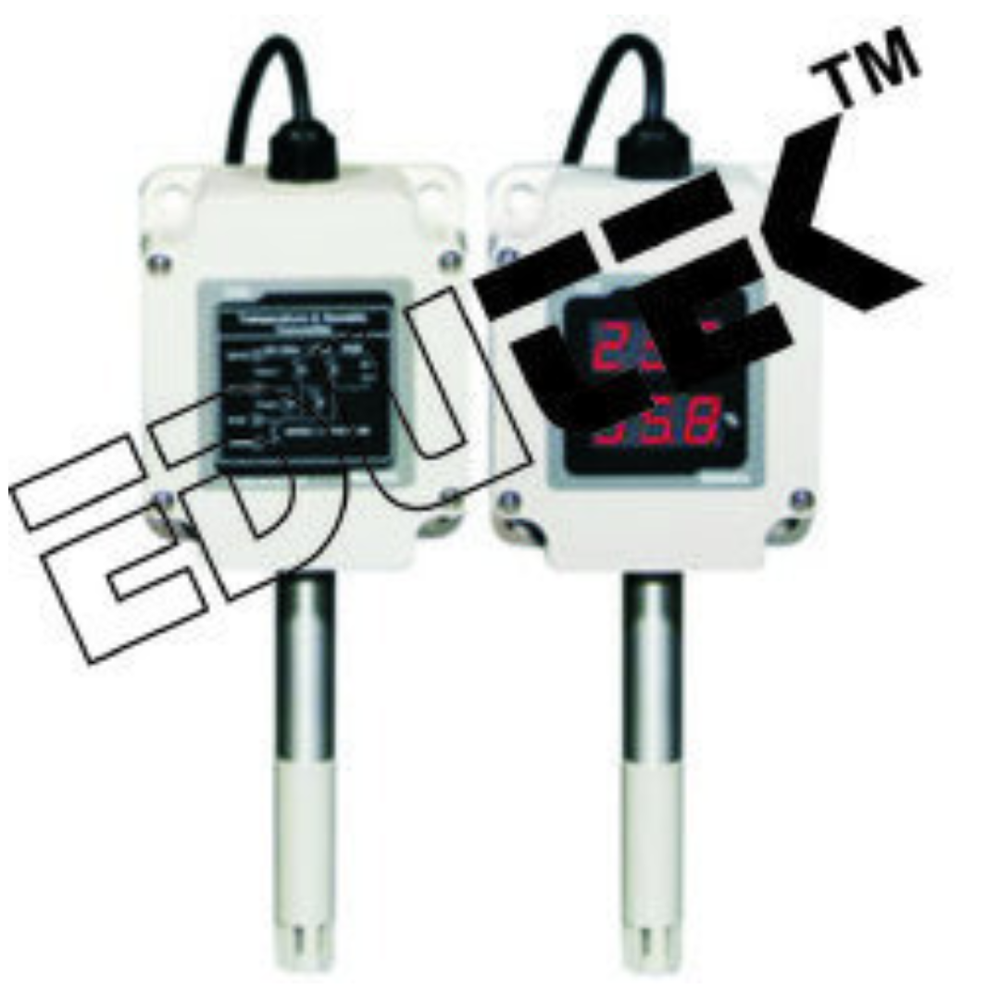
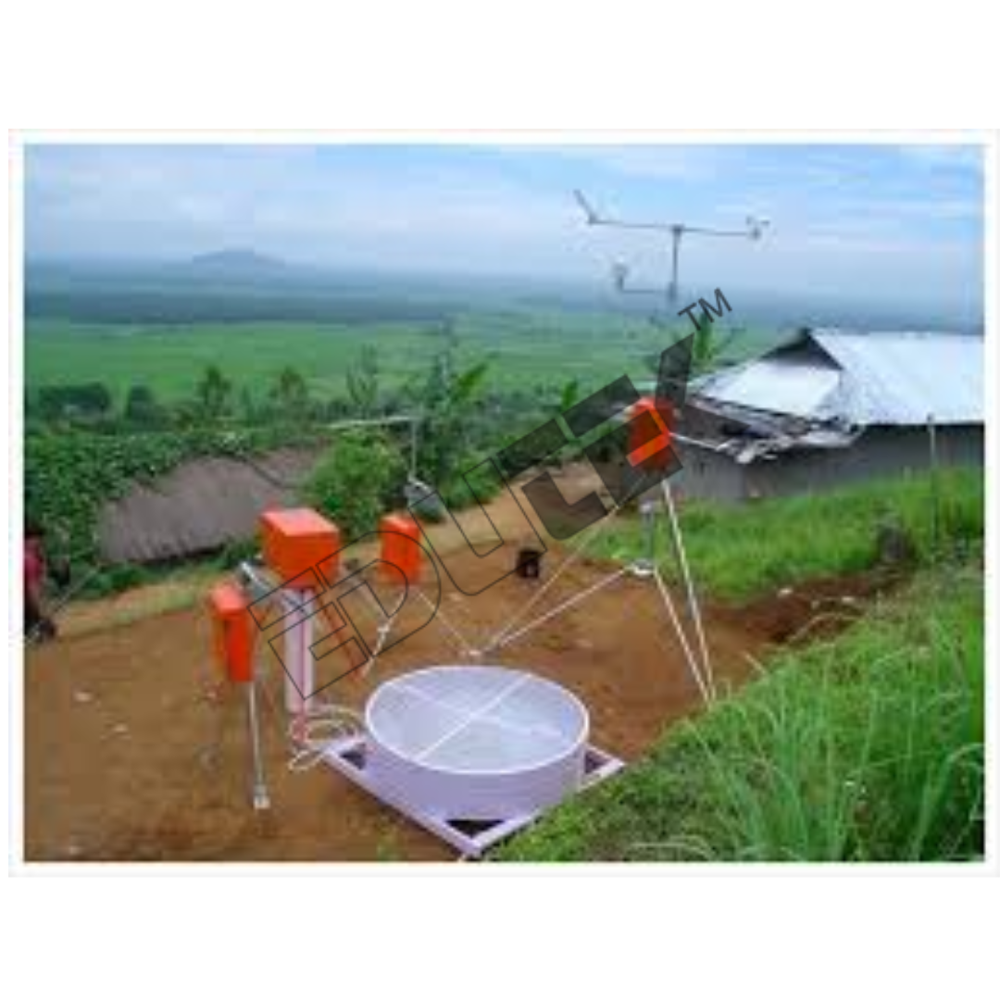
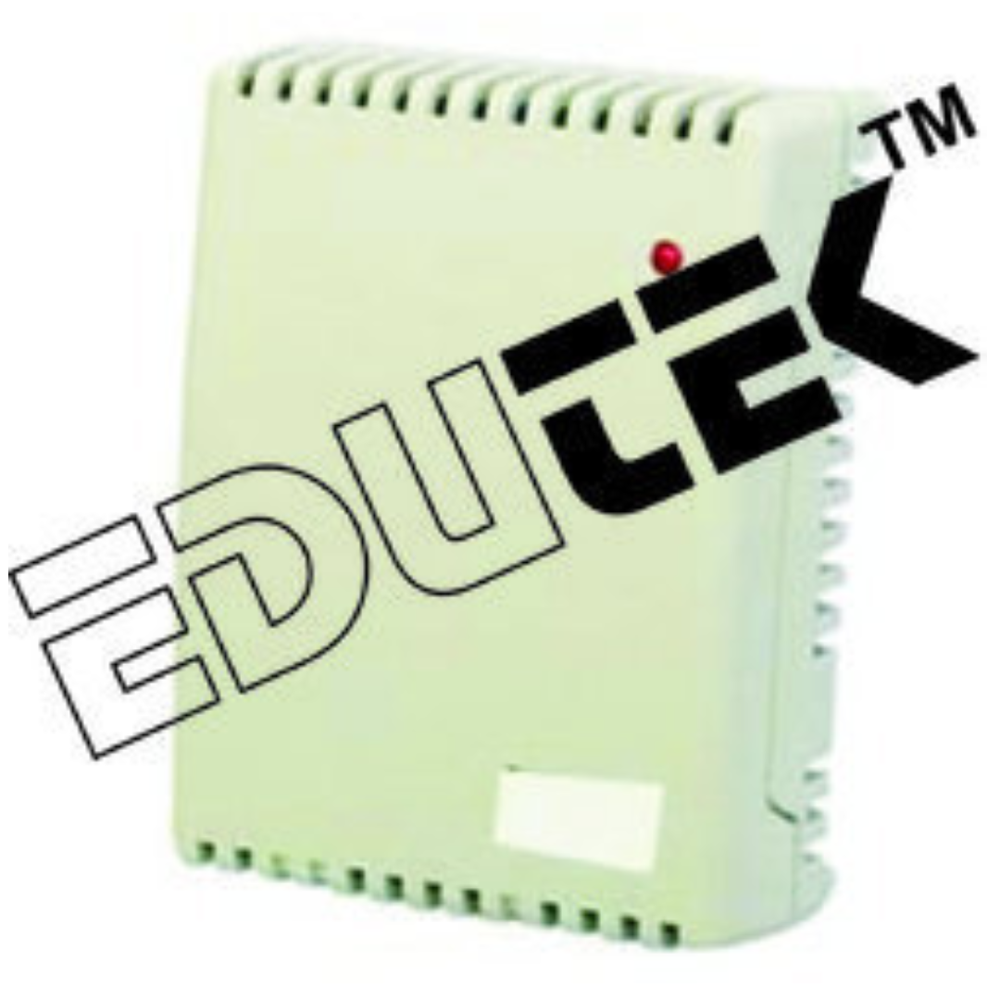
These humidity sensors are a chief part of our meteorological instruments range. We provide these humidity sensors for indoor as well as outdoor use. The function of our humidity sensors is to measure the humidity levels in the air.
Advanced Digital Sensing TechnologyUtilizing a capacitive sensing element, this humidity sensor offers high accuracy and rapid response time. The digital output ensures error-free communication with microcontrollers and automation systems, enhancing its reliability for advanced monitoring platforms in environmental control, industrial automation, and agricultural management.
Versatile Deployment and IntegrationWith options for both through hole and surface mount, the sensor fits a wide range of installation requirements. Its compact dimensions and lightweight build make it easy to implement in devices where space and weight are considerations, while supporting both I2C and SPI output protocols for integration flexibility.
Long-Term Performance & DurabilityEngineered using robust ABS plastic and metal components, the sensor provides reliable operation, even in harsh environmental conditions. It boasts a service life exceeding five years and functions efficiently across extreme temperature and humidity ranges, ensuring sustained performance in demanding applications.
FAQs of Humidity Sensors:
Q: How is this humidity sensor typically installed in monitoring systems?
A: The sensor is designed for both through hole and surface mount installations, enabling easy integration into circuit boards and devices used in HVAC systems, industrial automation, weather stations, or greenhouse monitoring setups.
Q: What process does the sensor use to measure humidity levels accurately?
A: The capacitive sensing element detects changes in moisture levels by measuring variations in electrical capacitance, converting them into digital signals through I2C or SPI interface for precise humidity readings with 3% RH accuracy.
Q: When should the sensor be replaced in an application environment?
A: Given its robust design and service life of more than five years, replacement is typically considered after extensive operational use, or if measurements show inconsistent readings due to physical damage or prolonged exposure to non-recommended conditions.
Q: Where is this sensor suitable for deployment?
A: This electronic sensor fits a variety of applications, including HVAC systems, industrial monitoring equipment, weather stations, and greenhouses, where continuous and accurate measurement of humidity and temperature is vital.
Q: What are the benefits of using a digital output humidity sensor over analog alternatives?
A: Digital output via I2C or SPI ensures faster, more reliable, and interference-resistant data transmission, simplifies integration with modern electronic systems, and facilitates easy calibration and diagnostics.
Q: How should the sensor be stored to maintain optimal performance before installation?
A: The recommended storage conditions are a relative humidity range of 10%-95% (non-condensing), which maintains sensor integrity and ensures accuracy upon deployment in measurement systems.
Q: What power supply specifications are required for operating the sensor efficiently?
A: The sensor operates at a voltage range of 3.3V to 5.5V, with an input power of 5V DC, making it compatible with standard electronic control systems and microcontroller platforms.




 Send Inquiry
 Send Inquiry

