About TRAINING MODEL
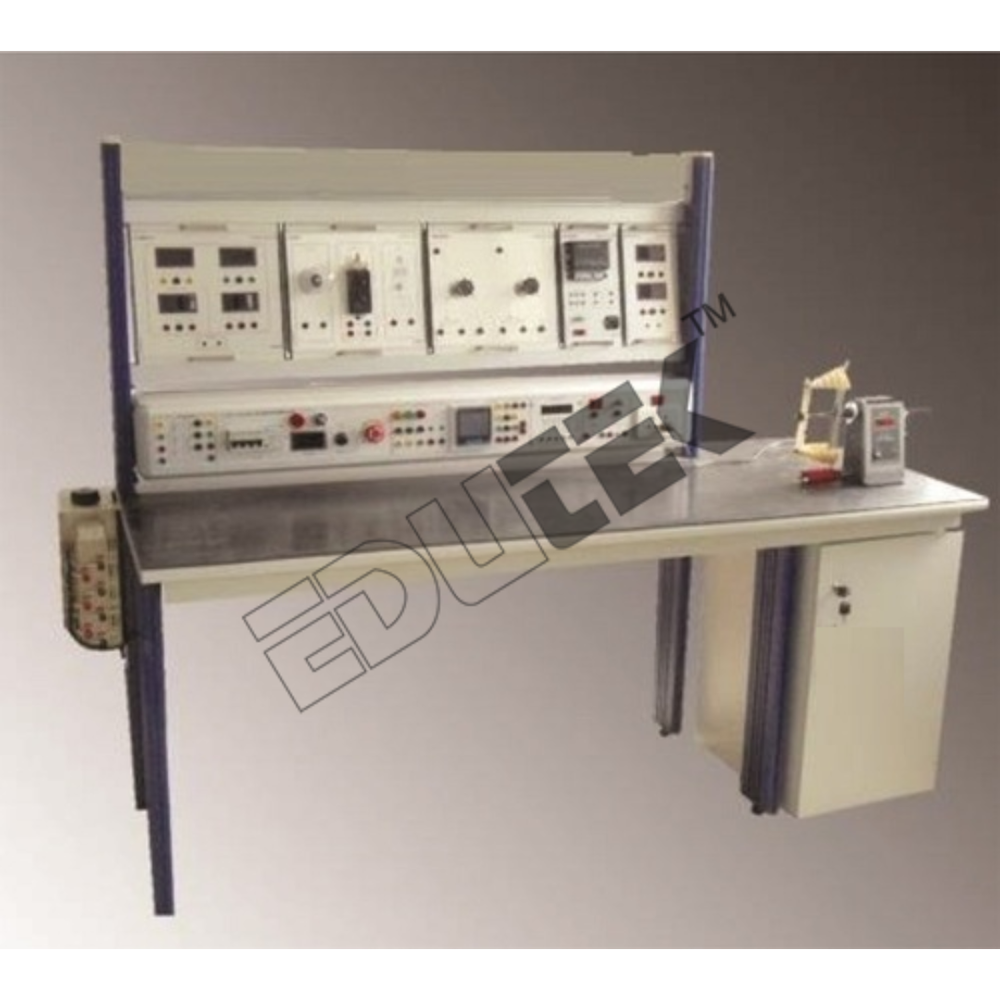
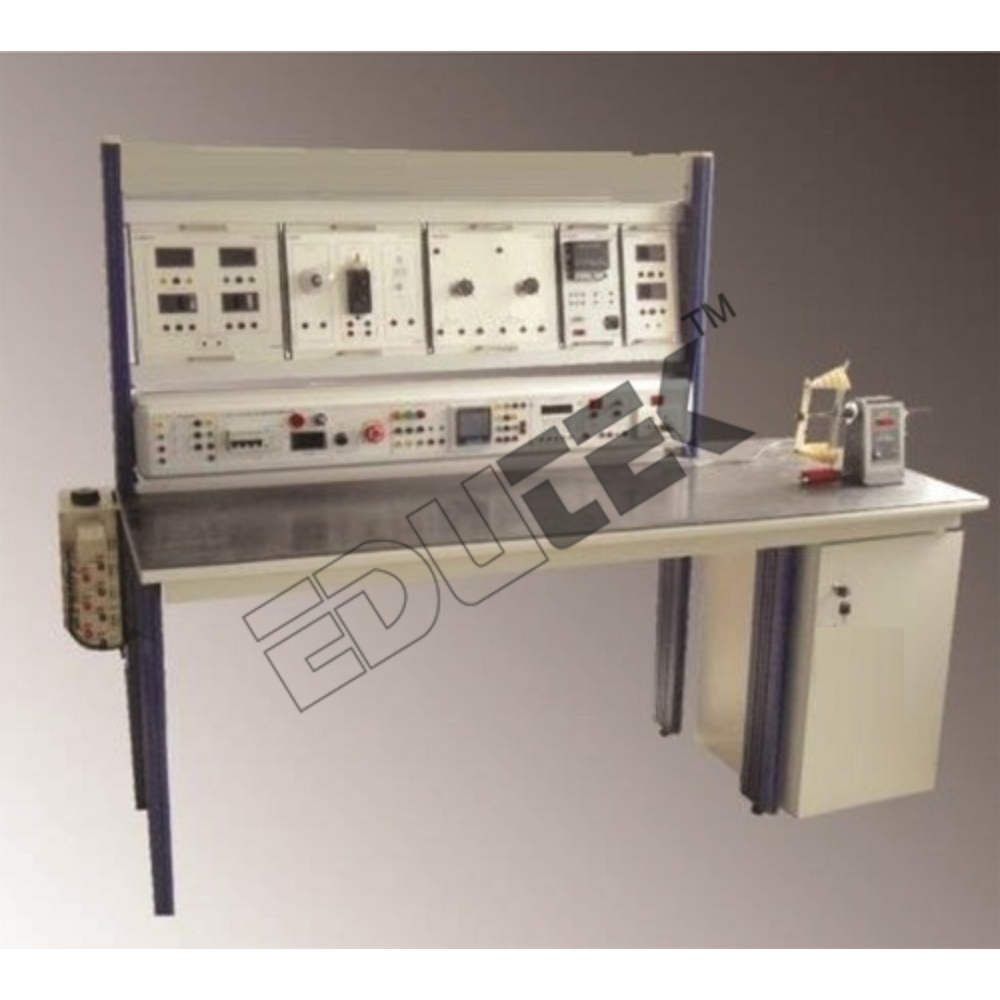
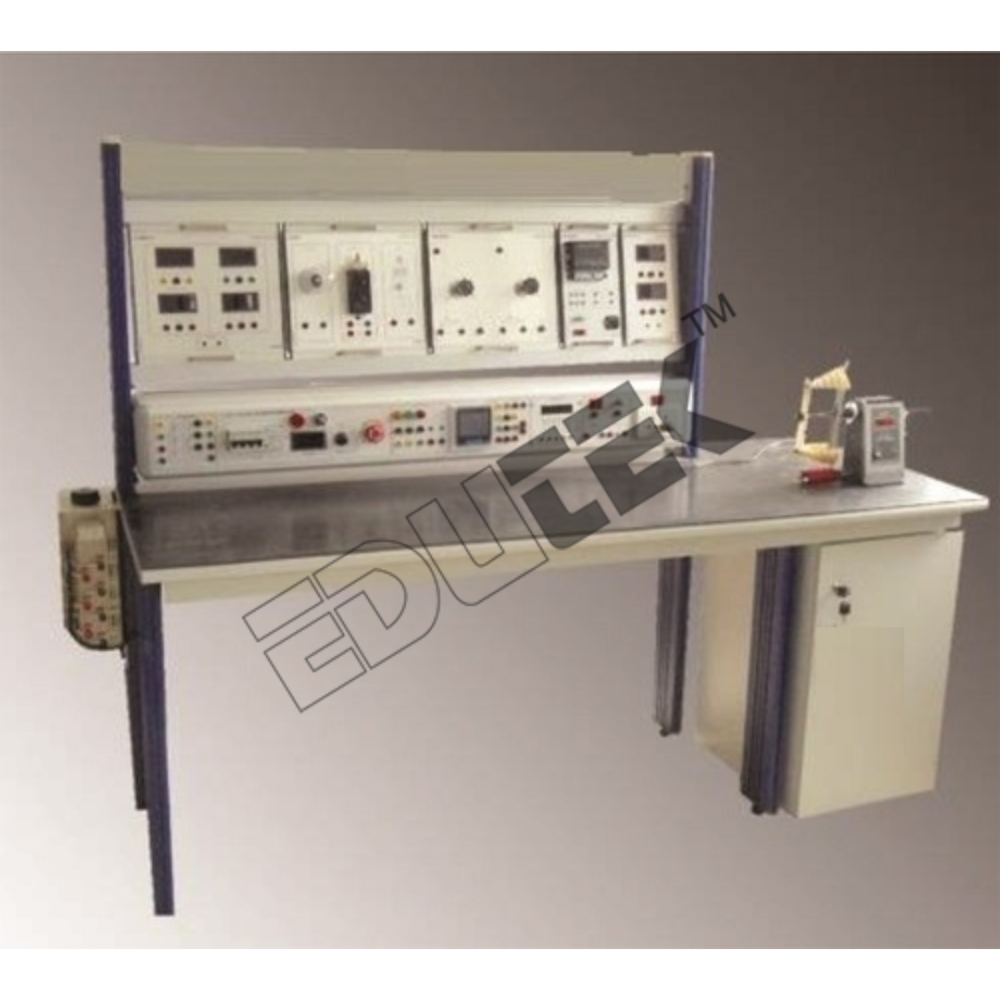
TRAINING MODEL-ELECTRIC MOTOR AND TRANSFORMER COMPREHENSIVE EXPERIMENT DEVICE
- DC Motorexperiments
- DC shuntmotor
- DC motorstarts
- DC motorspeed regulation
- Singlephase transformer variable ratio K
- Singlephase transformer no-load experiments
- Singlephase transformer short circuit experiments
- Three phasetransformer experiment
- Three phasetransformer winding polarity measurement
- Three phasetransformer coupling group measurement
- Asynchronousmotor experiment
- Three phasewinding Asynchronous motor stator resistance test
- Three phaseAsynchronous motor no-load experiment
- Three-phase,five-wire 380VÂ10% 50Hz/60Hz
- Adjustablepower safety terminal output/ DC 220V
- Safetyterminal isolation output/ 220V
- Safetyterminal isolation output
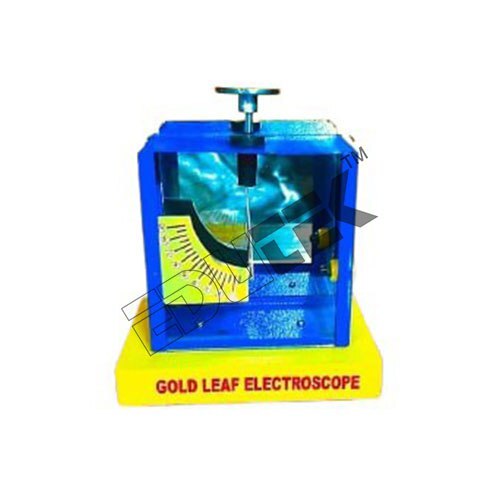
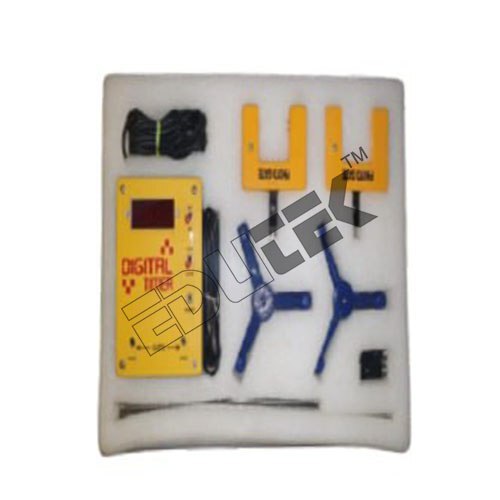
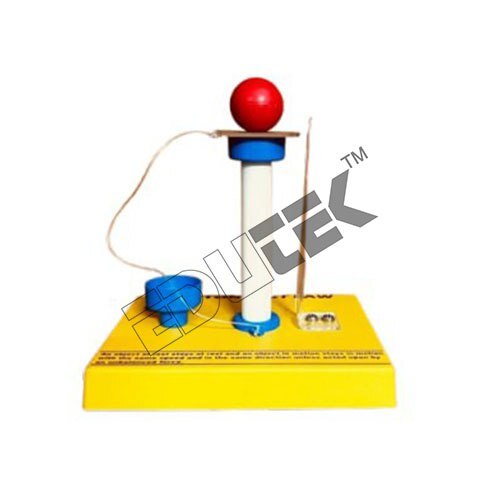
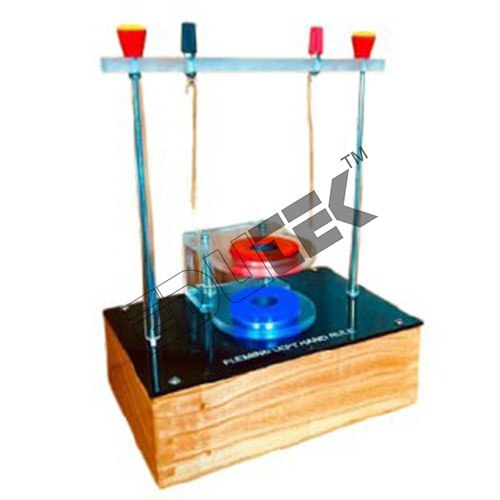
Interactive Learning Made SimpleEngage students with hands-on experiences that bring abstract physics concepts to life. This training model facilitates active participation, making complex theories more accessible and memorable during lessons and laboratory demonstrations.
Built for Durability and SafetyConstructed from premium ABS plastic, this model is built to withstand frequent classroom use. Its design ensures safe handling for both students and teachers, meeting rigorous standards expected in educational environments.
Portable and Convenient SolutionWith its lightweight, compact size and manual operation, the Training Model is easy to transport between classrooms or laboratories. No power source is needed, making it adaptable to a variety of learning situations and locations.
FAQs of TRAINING MODEL:
Q: How do I use the Training Model during a physics class?
A: Simply set up the model on its plastic display base, attach any necessary components, and operate it manually as instructed in the demonstration guide. The model is designed for hands-on use, making it straightforward to illustrate physical principles during lessons.
Q: What maintenance does the Training Model require?
A: To keep the model in optimal condition, gently wipe it with a dry cloth to remove dust and maintain cleanliness. No lubrication, batteries, or special care products are necessary due to its durable ABS plastic construction.
Q: Where can the Training Model be applied for educational purposes?
A: The model is suitable for physics laboratories, classroom teaching, and educational demonstrations in schools, colleges, and other institutional environments. Its practical, visual approach enhances understanding for students aged 12 and up.
Q: What is the main benefit of using this Training Model in teaching?
A: The primary advantage is its ability to visually and practically demonstrate physical concepts, enabling students to better grasp complex theories through participatory learning. This helps reinforce classroom instruction with concrete, observable results.
Q: When should I consider using the Training Model during lessons?
A: Use the Training Model whenever you want to visually demonstrate a physical principleparticularly during lessons, lab experiments, or as part of practical assessments. Its instant manual response allows for real-time interaction and immediate feedback.
Q: What safety features does the Training Model offer for students?
A: Designed with lightweight, non-toxic ABS plastic and smooth edges, the model is safe for student use. It contains no small detachable parts that could pose hazards and requires no electricity, minimizing risks in the learning environment.




 Send Inquiry
 Send Inquiry

