About Standard Tar Viscometer
Standard Tar Viscometer
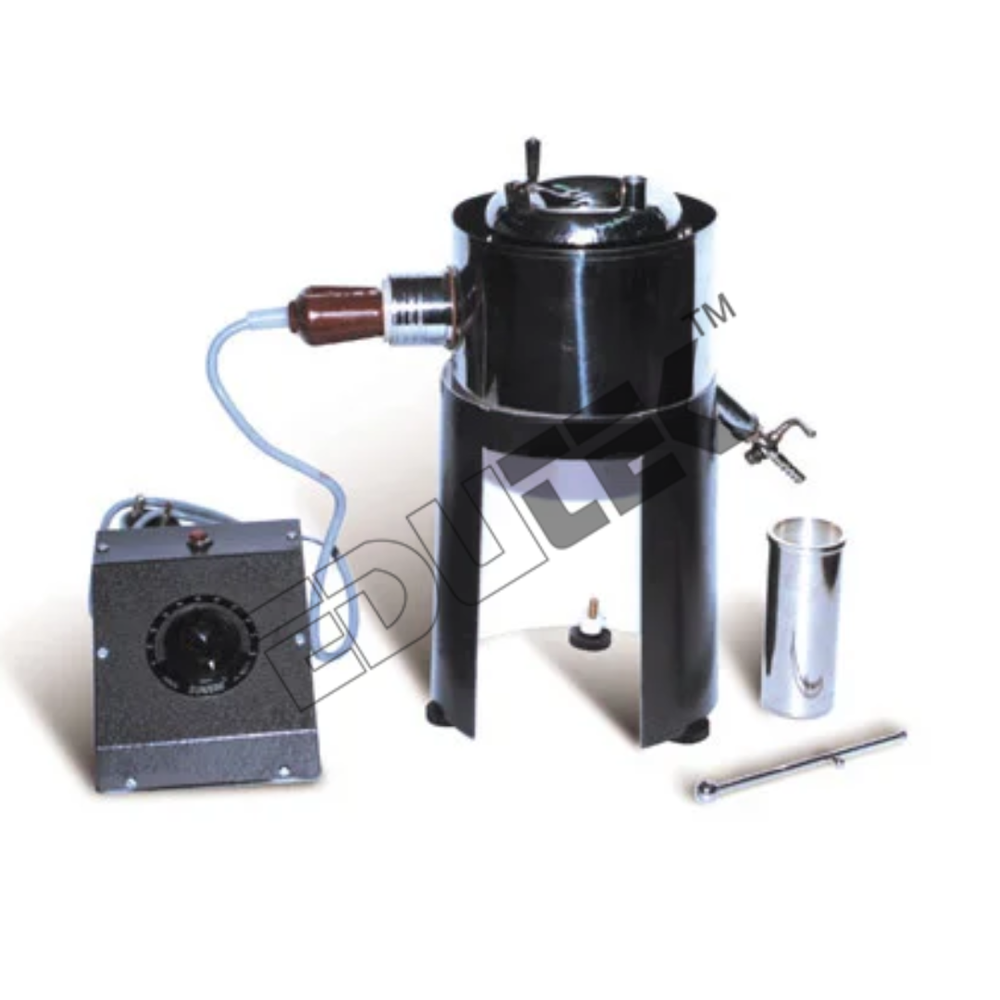
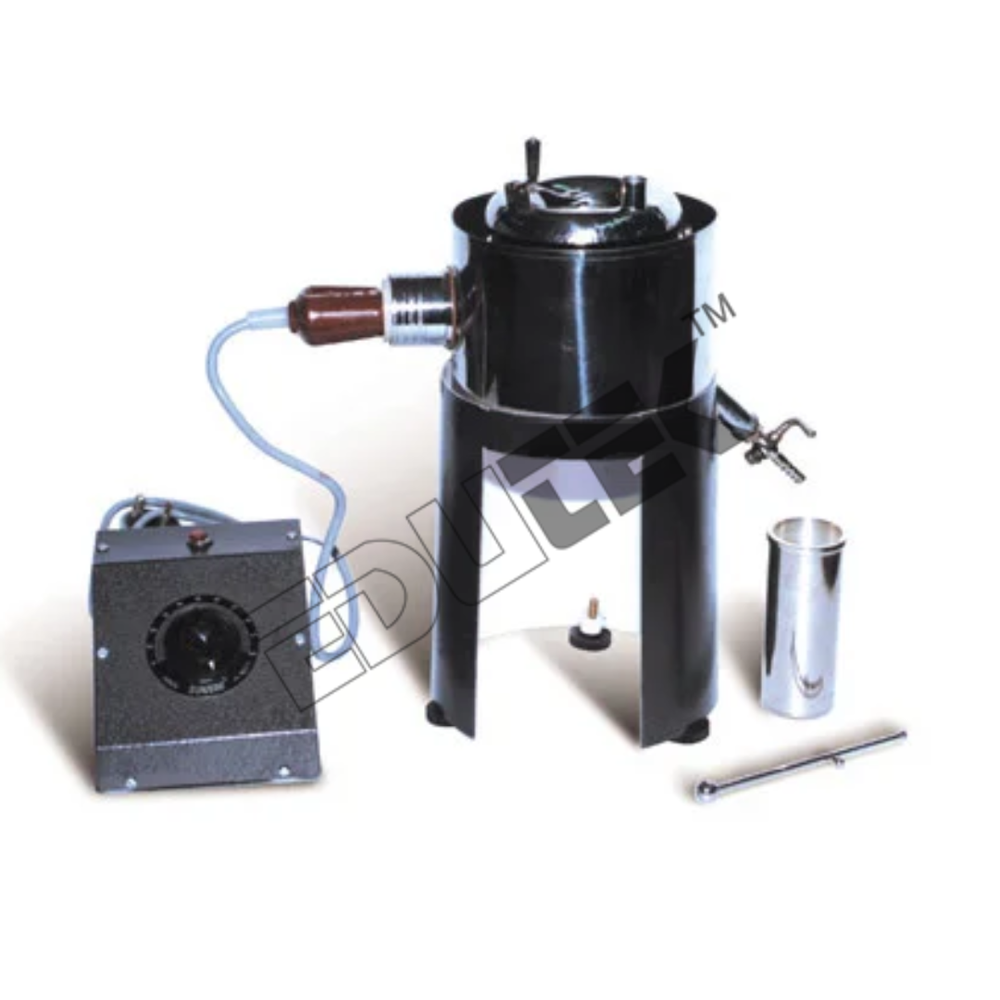
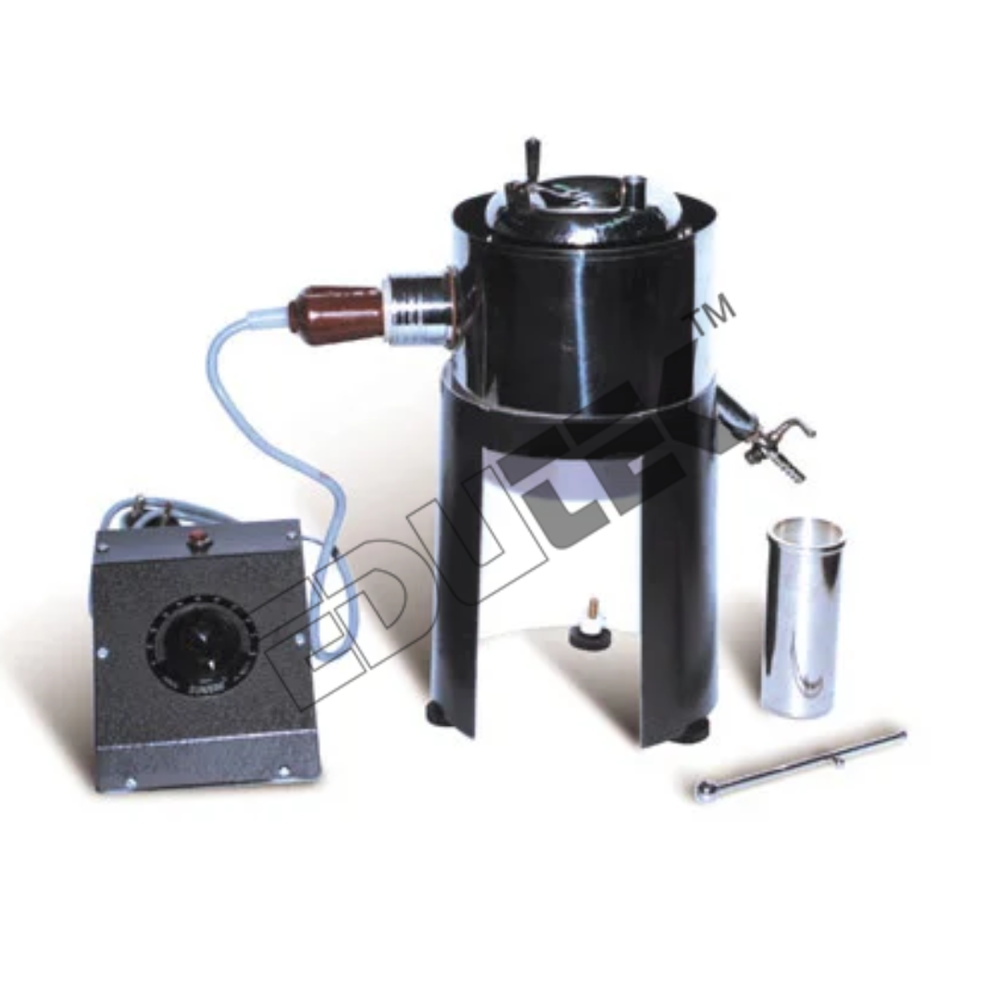
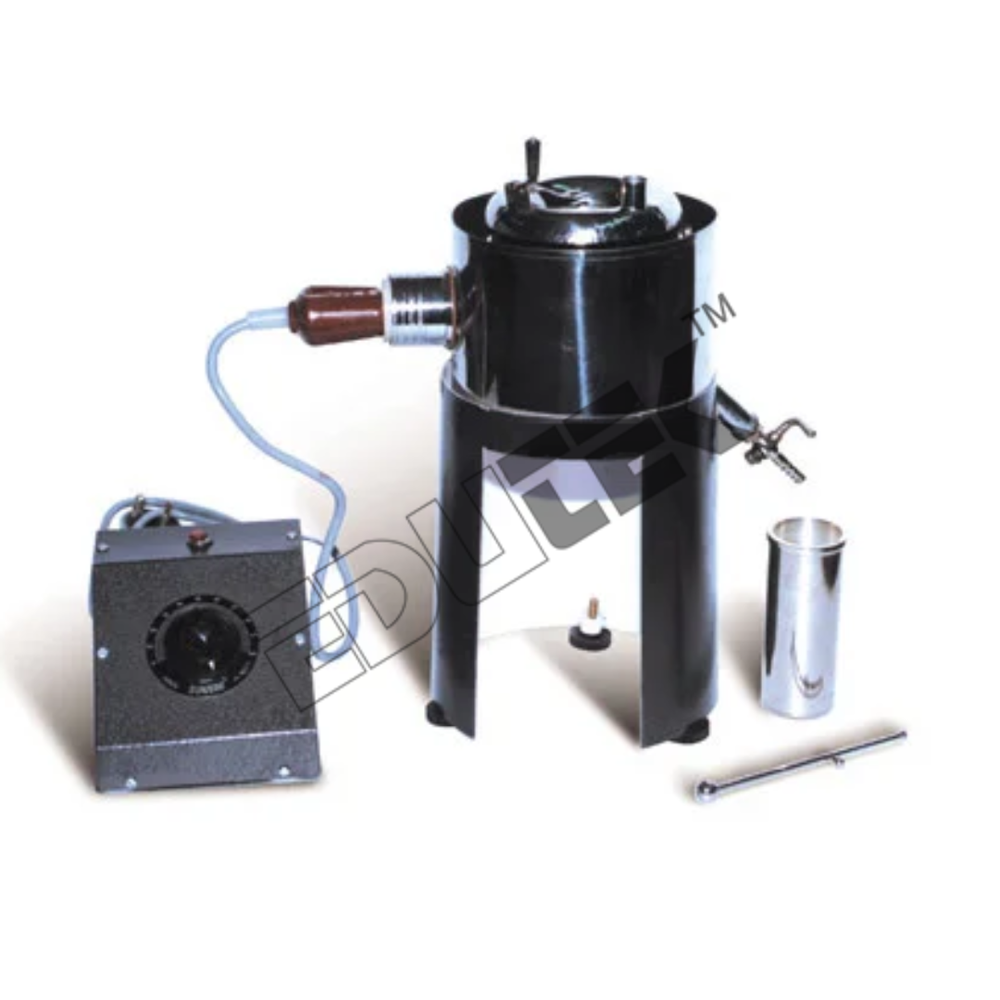
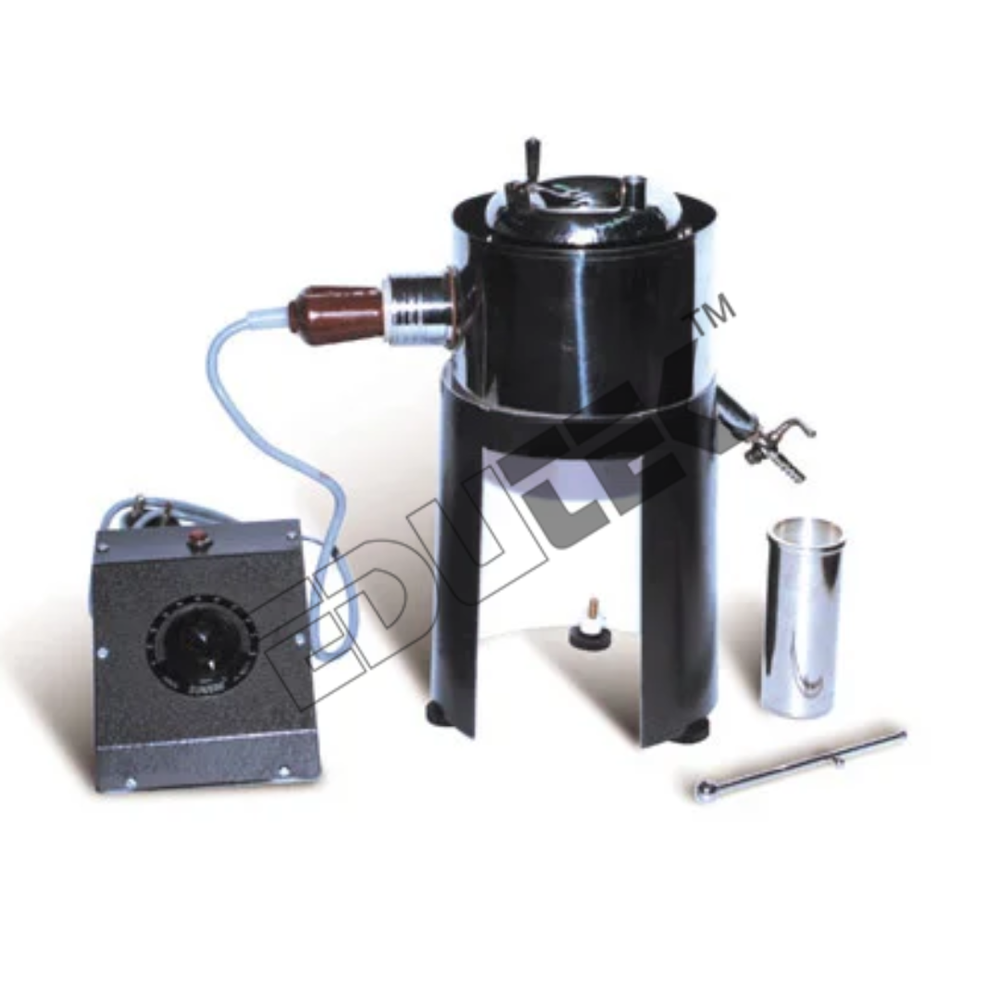
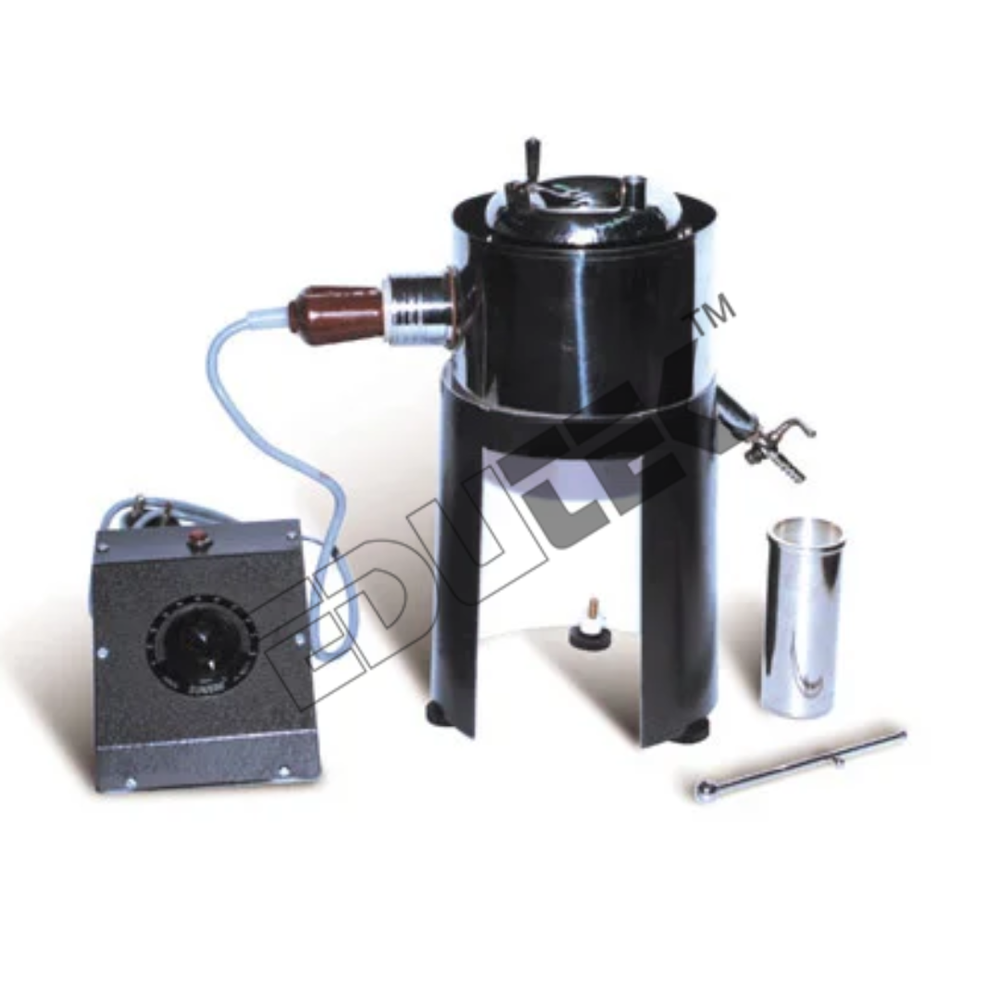
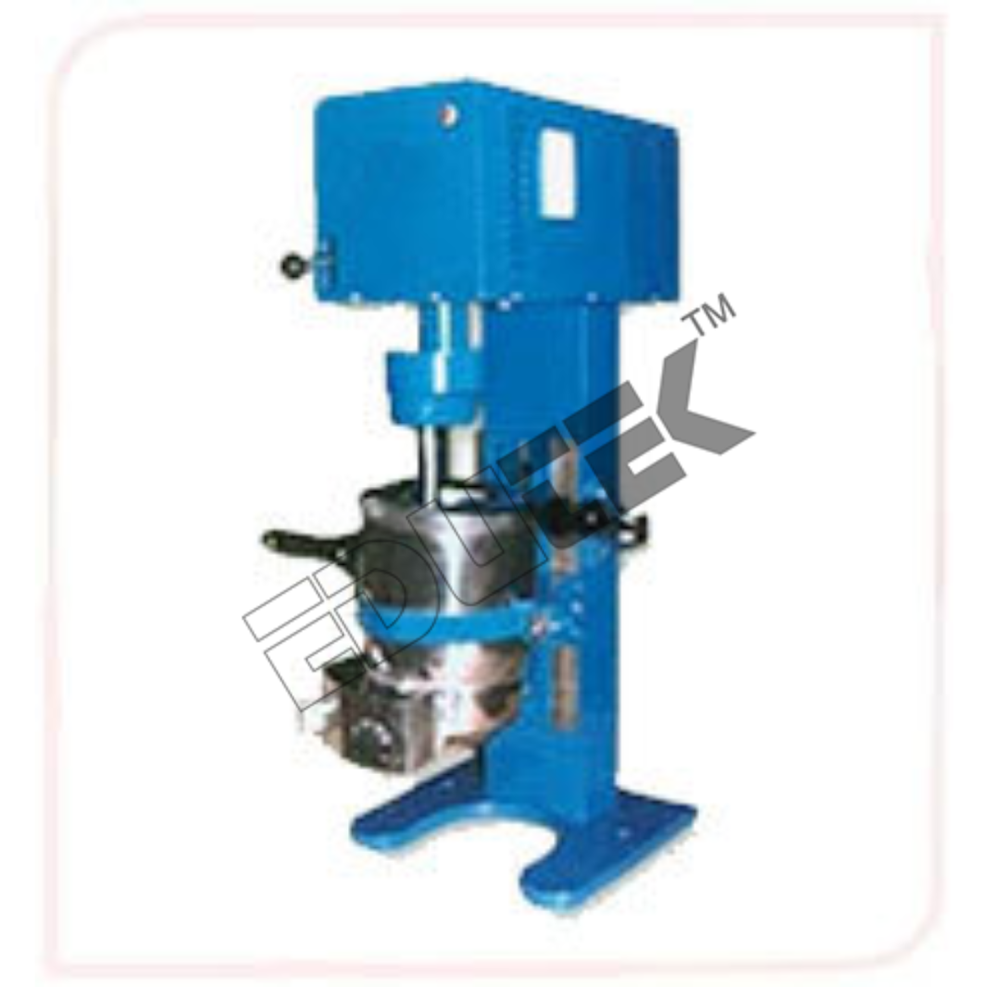
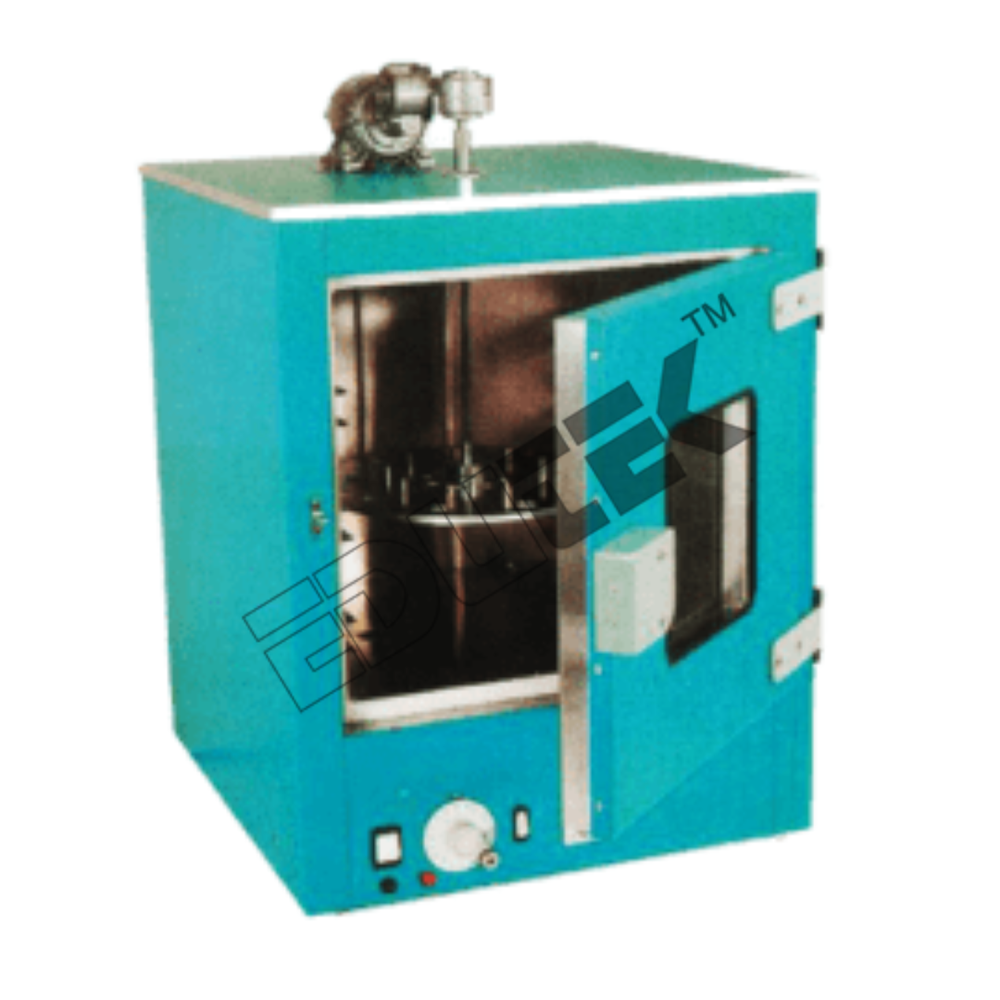
Standard Tar Viscometer used for determining the viscosity of cut back bitumen and road-oil. The viscometer consists of a chrome plated copper bath, with a drain valve and a central tube to receive the test cup and to position the stirrer, and is mounted on a stand with leveling feet. Stirrer has a curved shield and is provided with an insulated handle, thermometer socket and swivel support for the valve. Standard Tar Viscometer are supplied complete with 10 mm cup and ball valve or 4mm cup and ball valve as per the requirement and Electrical Heater with immersion heating elements and Dimmerstat for controlling the temperature. Suitable for Operation on 220V, Single Phase, 50Hz, AC Supply. Precision Measurement for Bituminous MaterialsEngineered for lab and industrial use, the Standard Tar Viscometer delivers consistent viscosity assessment for bitumen and tar samples. Its interchangeable orifice cups accommodate a broad range of material viscosities, and its manual stopwatch-operated timing provides high accuracy, down to 0.1 seconds. The immersion heating coil and insulated design allow for temperature control up to 100C, essential for standard testing protocols.
Efficient and User-Friendly DesignManual operation ensures simplicity and eliminates the need for power motors. All necessary accessoriesincluding a double-walled cup, receiver flask, and timerare provided, supporting a streamlined workflow. With its compact footprint and durable finish, the viscometer is easy to maintain and ideal for frequent, reliable testing.
FAQs of Standard Tar Viscometer:
Q: How is the Standard Tar Viscometer operated?
A: This viscometer operates manually via gravity flow. The user fills the test cup (up to 50 ml), controls the sample release with the ball valve, and measures efflux time with the supplied stopwatch, ensuring high-precision, hands-on testing for bituminous samples.
Q: What are the main applications of this viscometer?
A: It is specifically intended for determining the viscosity of bitumen and tar at controlled temperatures, supporting quality control and research in road construction, asphalt manufacturing, and bituminous product testing laboratories.
Q: When should I use the 10 mm versus the 4 mm orifice cup?
A: Use the 10 mm orifice for higher-viscosity samples and the 4 mm orifice for less viscous materials. Switching between cups is straightforward, accommodating varying sample requirements to adhere to standard testing procedures.
Q: Where should this equipment be installed for best results?
A: For optimal performance, place the viscometer in a well-ventilated laboratory environment with access to a standard electric outlet (for heating). Ensure the workspace is level to guarantee smooth gravity flow during testing.
Q: What is the process for measuring viscosity using this device?
A: Pour a heated bitumen or tar sample into the test cup, maintain the bath at the set temperature, release the sample with the ball valve, and start the stopwatch simultaneously. The time for the specified quantity to flow into the receiver flask determines the viscosity.
Q: What are the key benefits of this manual viscometer?
A: The main advantages include high measurement accuracy (0.1 sec), straightforward, power-independent operation (except for heating), robust construction, and versatility with interchangeable orifice cups. Its double-walled insulation further enhances safety and temperature consistency.




 Send Inquiry
 Send Inquiry

