About Telescopes
Telescopes
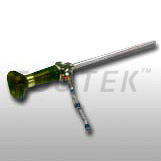
For use with bronchoscopes, length:30,26 and 20cm. Telescopes Diameter: 2.8.Length 30 cm Advanced optical technology. Low-loss rod-lens systems and laser welded stainless steel parts for long lasting soakable and autoclave endoscopes. Integrated fiber optic illumination with light-concentrating fiber cone for optimized illumination of the operating site With fiber optic light transmission.
Salient Features of Telescopes
- Straight Forward Telescope 0 degree.
- Forward-Oblique Telescope 30 degree.
- Lateral Telescope 70 degree.
- Rubber Telescope Guide.
- Optical Pediatric Forceps.
- Can be used with optical pediatric forceps
Precision Optics and High MagnificationEngineered for clarity, this telescope uses a multi-coated objective lens and precision glass optics, enabling sharp, detailed views at up to 180x magnification. Its 60 mm aperture collects ample light for observing planets, the moon, or terrestrial objects, making it a versatile choice for both beginners and advanced users alike.
User-Friendly and Durable DesignThe altazimuth mount offers smooth maneuverability, while the stainless steel tripod provides excellent stability during observations. The telescopes robust black and silver metal construction, combined with a cylindrical shape, ensures durability and easy handling for years of reliable use.
Safe and Protective PackagingShipped in a foam protected box, the telescope arrives in perfect condition. The packaging is designed to absorb shocks, making it ideal for both local and export deliveries. This ensures the sophisticated optics and mechanics remain undamaged during transit.
FAQs of Telescopes :
Q: How do I set up the telescope using the altazimuth mount?
A: Setting up the telescope is straightforward. Attach the stainless steel tripod, place the cylindrical telescope body onto the altazimuth mount, and fix the finder scope. Adjust the tripod height and align the mount for smooth movement along both axes. This lets you easily track celestial or terrestrial objects.
Q: What objects can I observe with this telescopes 180x magnification?
A: At 180x maximum magnification, you can view lunar features, planets, and terrestrial landscapes in impressive detail. The wide field of view (1.25) and high optical precision make it suitable for observing surface details of the moon, planetary rings, or distant scenery.
Q: When is the optimal time to use this telescope for astronomical observation?
A: The best results are achieved on clear nights when the humidity ranges between 10%70% RH. Avoid using the telescope in extreme weather or highly humid conditions to maintain optical clarity and prevent condensation on the lens.
Q: Where should I position the telescope for the best viewing experience?
A: For optimal results, place the telescope on a solid, vibration-free surface outdoors, away from city lights or heat sources. An open, unobstructed area with minimal light pollution will enhance your astronomical observations significantly.
Q: What is the process of switching between eyepieces?
A: Swapping eyepieces is simple. Gently remove the current eyepiece (either H20 mm or H12.5 mm) from the focuser and insert the desired one. Each eyepiece offers a different magnification, allowing you to easily switch between wide-angle and closer views.
Q: How does the anti-reflective coating benefit my viewing experience?
A: The anti-reflective coating on the multi-coated objective lens increases light transmission and reduces glare. This ensures crisp, high-contrast images, particularly when viewing faint celestial objects or observing under bright conditions.




 Send Inquiry
 Send Inquiry

