About Solid and Liquid Extraction Unit
Solid and Liquid Extraction Unit
The fundamental principle of solid-liquid extraction Unit can be learned with The temperature of the solvent can be adjusted. Thus, it is possible to investigate the effect of this parameter on the separation process.
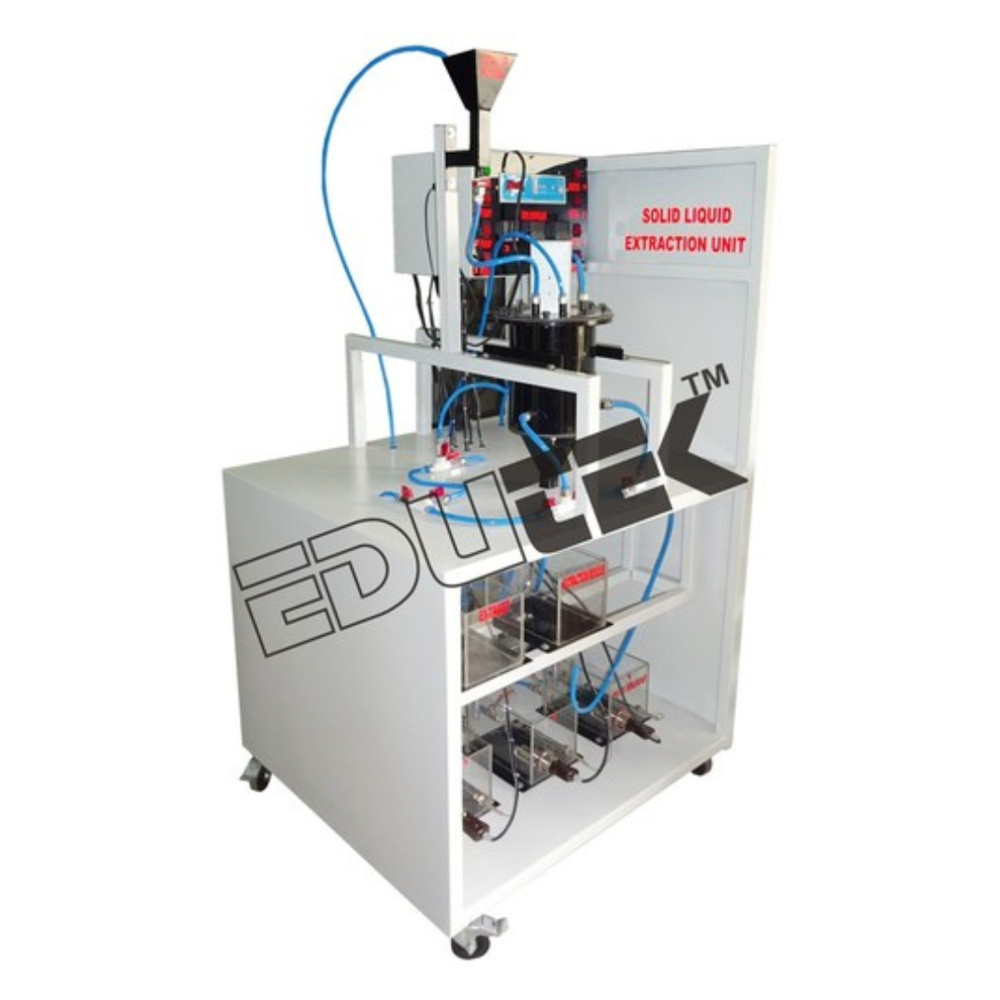
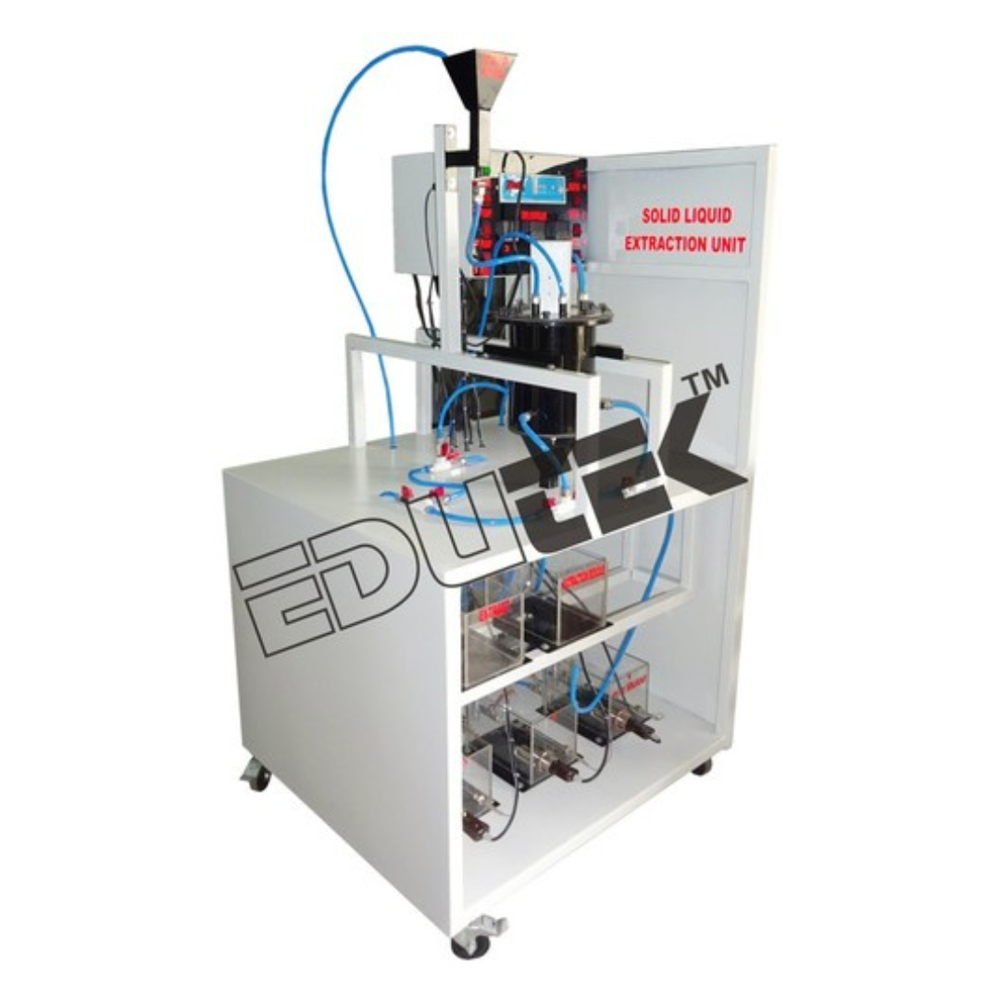
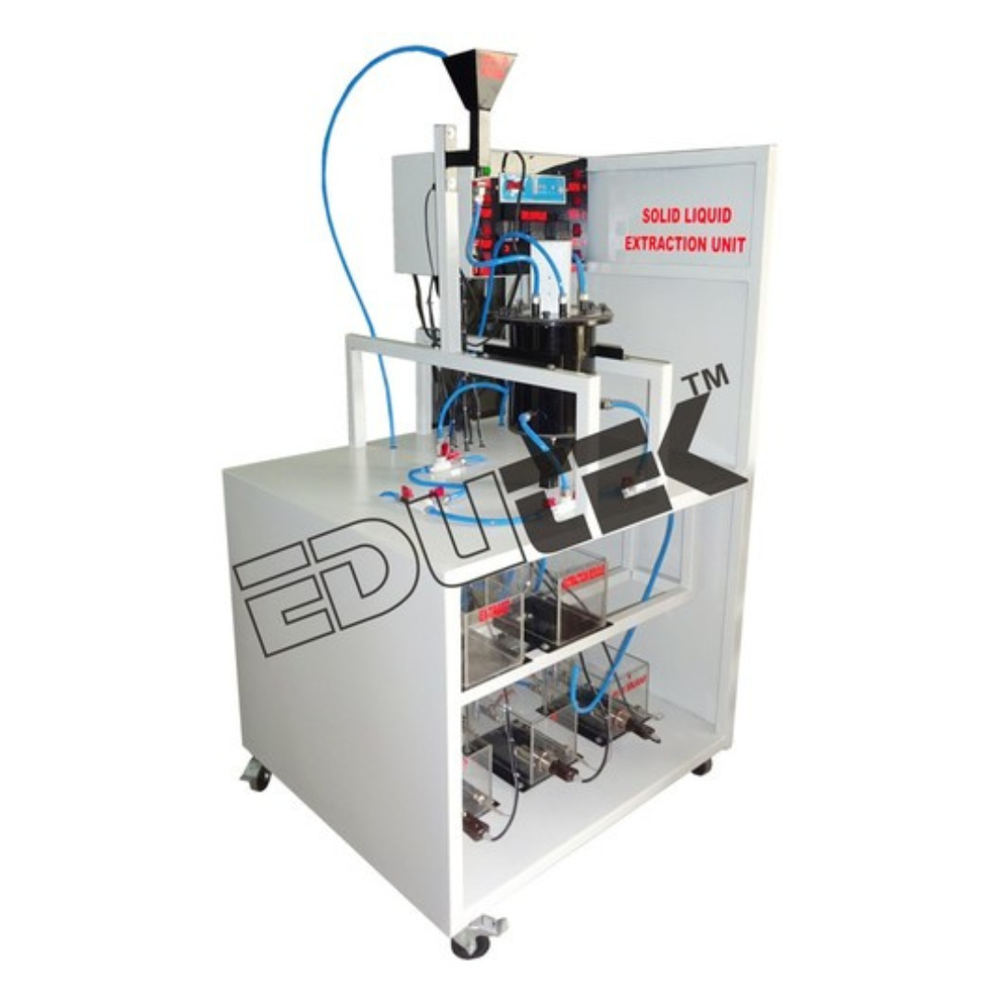
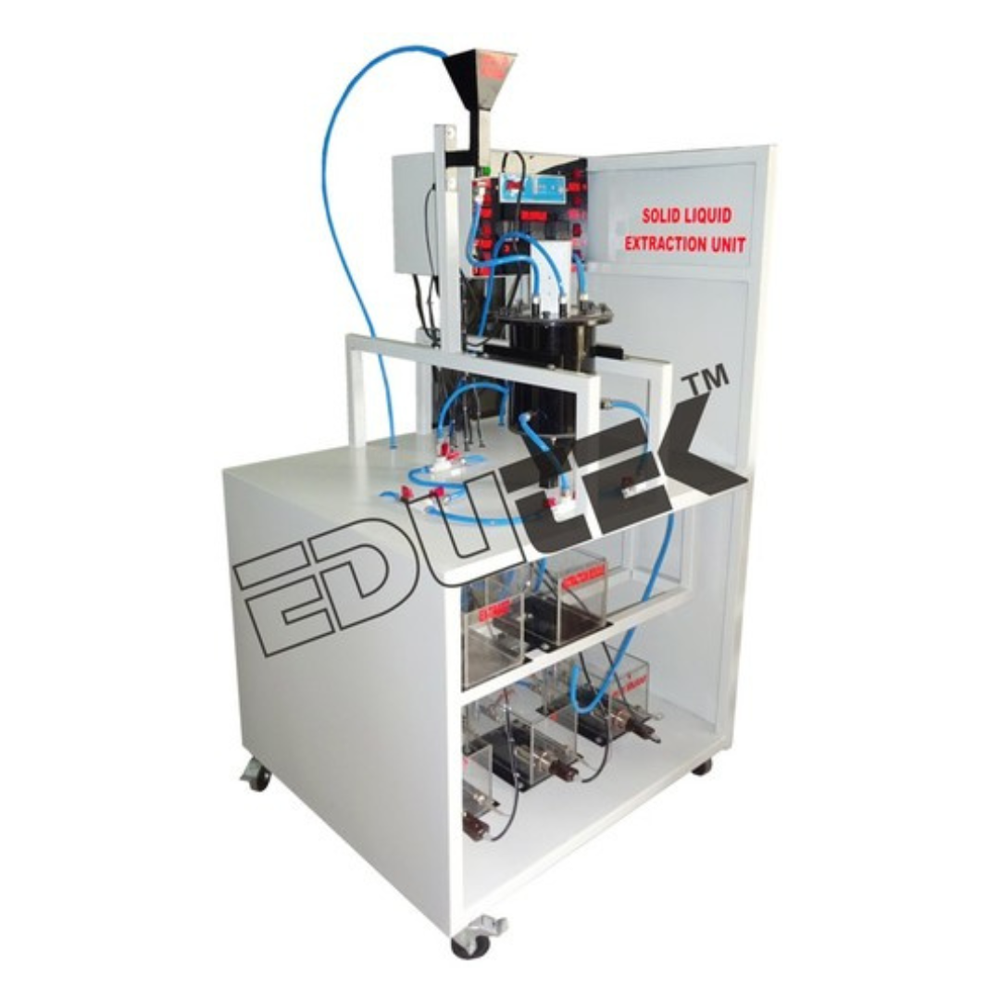
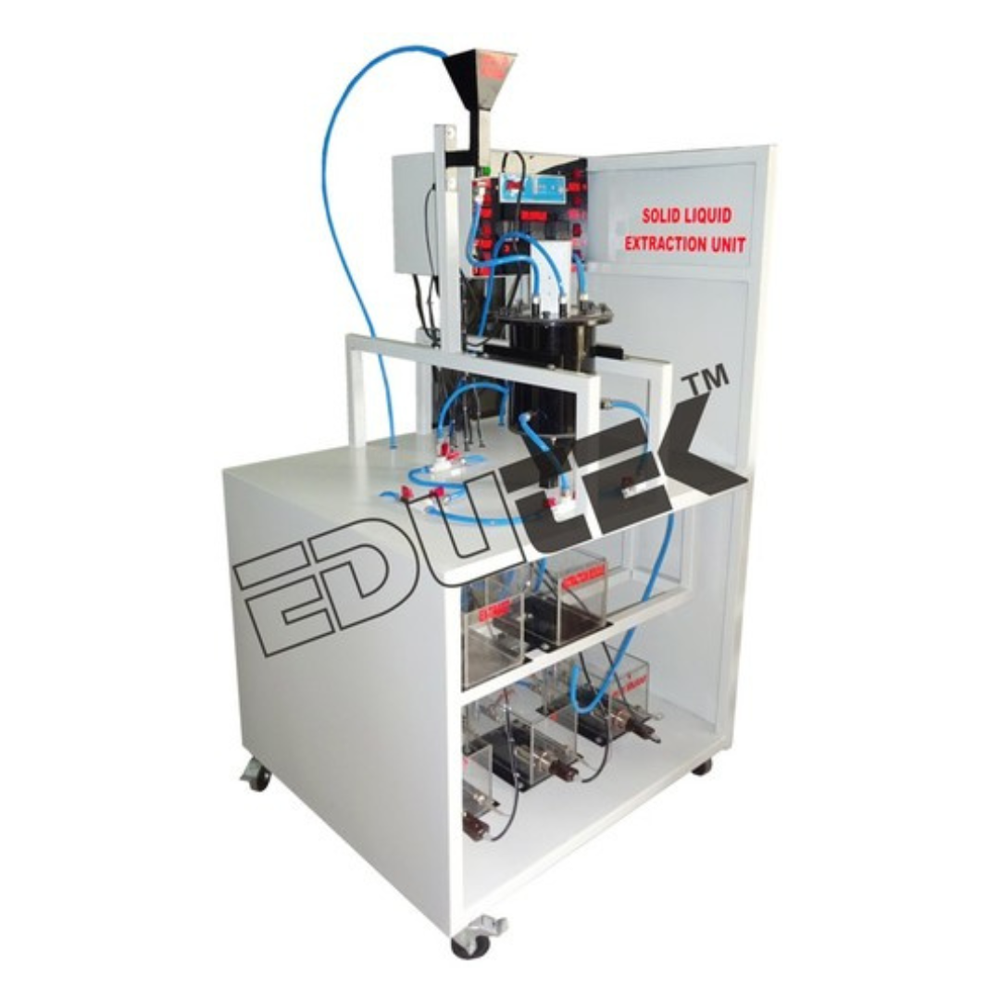
This is a semi-batch unit designed for solid-liquid extraction as a means of separation.
The solid to be extracted is put inside a glass fibre bag and is placed in the extraction vessel. Solvent in the reactor is boiled and condensed, and passed to the
extraction vessel, from where extract is mixed with solvent and passes to the reboiler. The process is repeated until extraction is complete. Solution is again evaporated to obtain the extract.
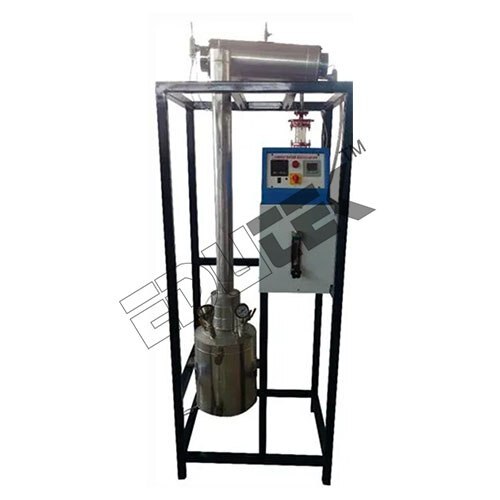
The unit is complete with spherical vessel, heating bath condenser, reflux divider, extraction vessel, and necessary pipelines and valves.
The unit can be supplied with solvent feed either from the top/or bottom, or with common arrangement.
The principle of counter current in solid-liquid extraction :
- Extract outlet.
- Extraction residue.
- Extractant inflow.
- Extraction material inflow.
Advanced Laboratory Extraction SolutionsOur extraction unit brings precision and safety together for solid-liquid extraction tasks. Designed for batch mode operation, it suits chemical engineering education, research, and process development. With adjustable flow control, digital process display, and transparent column, users gain comprehensive control and visibility in every experiment.
Superior Materials and Safety AssuranceManufactured from high-grade borosilicate glass and stainless steel (SS-304/SS-316), this unit withstands rigorous laboratory conditions. Leakproof joints, a thermal cutoff, and overheat protection create a secure working environment, while high-quality components ensure reliable, repeatable results with every use.
Versatile Applications Across IndustriesThe Solid and Liquid Extraction Unit is tailored for a variety of fields, including pharmaceuticals, food and beverage, chemicals, and academic laboratories. Its customizable capacity and robust design make it a valuable tool for process development, method validation, and routine laboratory extractions.
FAQs of Solid and Liquid Extraction Unit:
Q: How does the magnetic stirring mechanism benefit the extraction process in this unit?
A: The magnetic stirring mechanism ensures uniform mixing of solid and liquid phases, promoting efficient mass transfer and consistent extraction yields. This results in faster, more reproducible results during both Soxhlet and percolation methods.
Q: What safety features are integrated into the extraction unit for laboratory use?
A: The unit is equipped with thermal cutoff and overheat protection to prevent overheating and ensure operational safety. These measures help minimize risks, especially when working at higher temperatures up to 200C.
Q: When is it ideal to use the Soxhlet extraction method with this unit?
A: Soxhlet extraction is best used when the target compound is present in low concentrations within the solid sample or when exhaustive extraction is required. This method is commonly applied in pharmaceuticals, food analysis, and chemical research.
Q: Where can this solid and liquid extraction unit be effectively utilized?
A: This equipment is suitable for academic laboratories, pharmaceutical and food research labs, and chemical analysis facilities. Its compact table-top design makes it adaptable to various laboratory environments.
Q: What is the step-by-step process for operating this solid-liquid extraction laboratory unit?
A: First, load up to 500 g of solid sample into the extraction vessel. Add solvent to the reservoir, set the desired temperature using the digital controller, and activate the magnetic stirrer. Monitor the process via the digital display, and collect samples using the provided sampling points until extraction is complete.
Q: How does the digital temperature control system enhance usage and accuracy?
A: The digital temperature control enables precise and stable regulation of extraction conditions, with an accuracy of 1C. This ensures optimal extraction performance and reproducibility across multiple experiments.
Q: What are the key benefits of using high-grade borosilicate glassware and stainless steel construction in the extraction unit?
A: High-grade borosilicate glassware offers excellent chemical resistance and transparency for process monitoring, while stainless steel construction provides mechanical durability and ease of cleaning, ensuring reliability and long service life for the unit.




 Send Inquiry
 Send Inquiry

