About Rotary Evaporator
ROTARY VACUUM FLASH EVAPORATOR
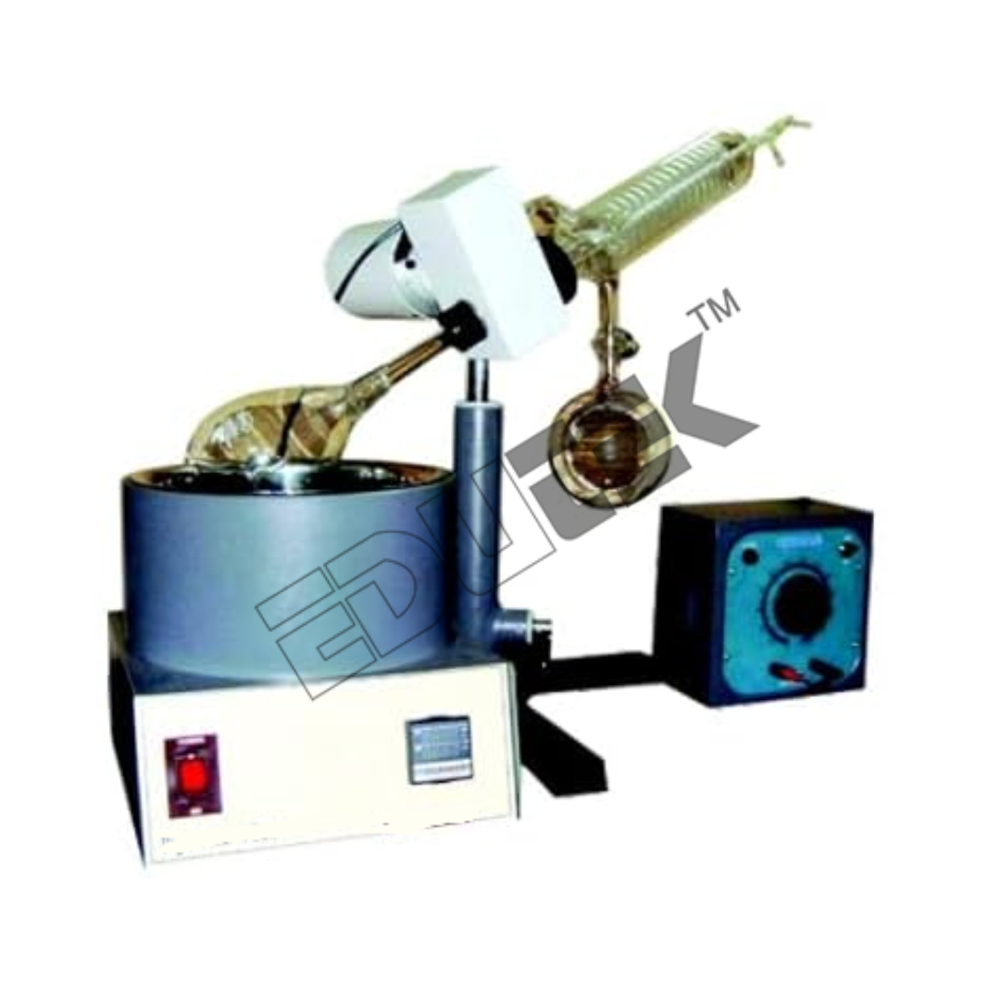
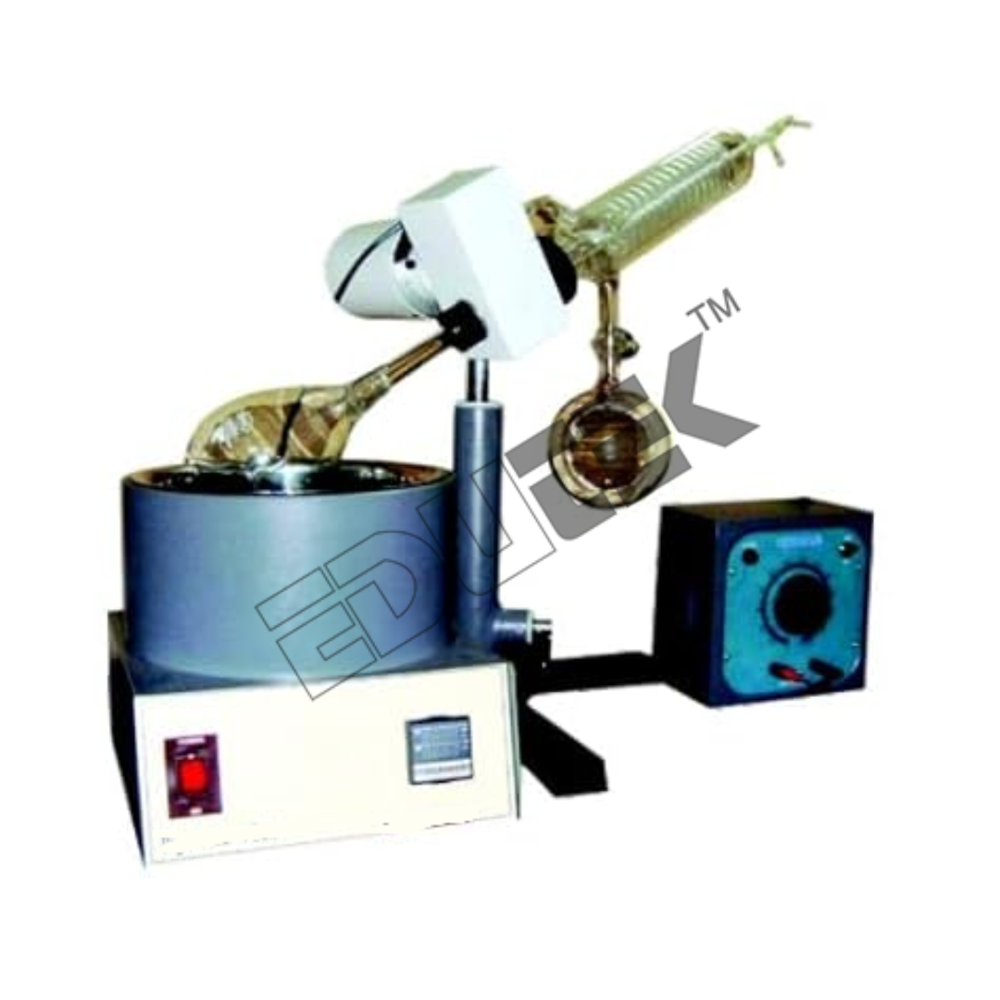
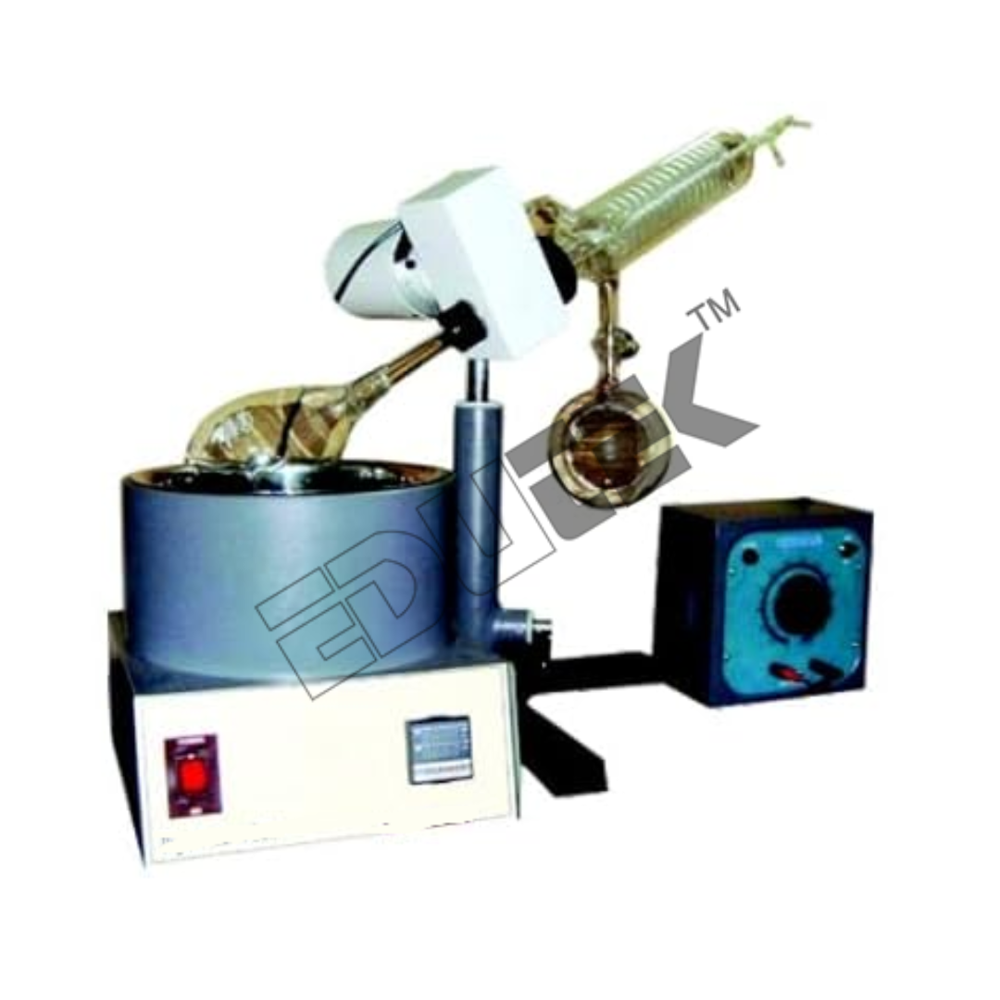
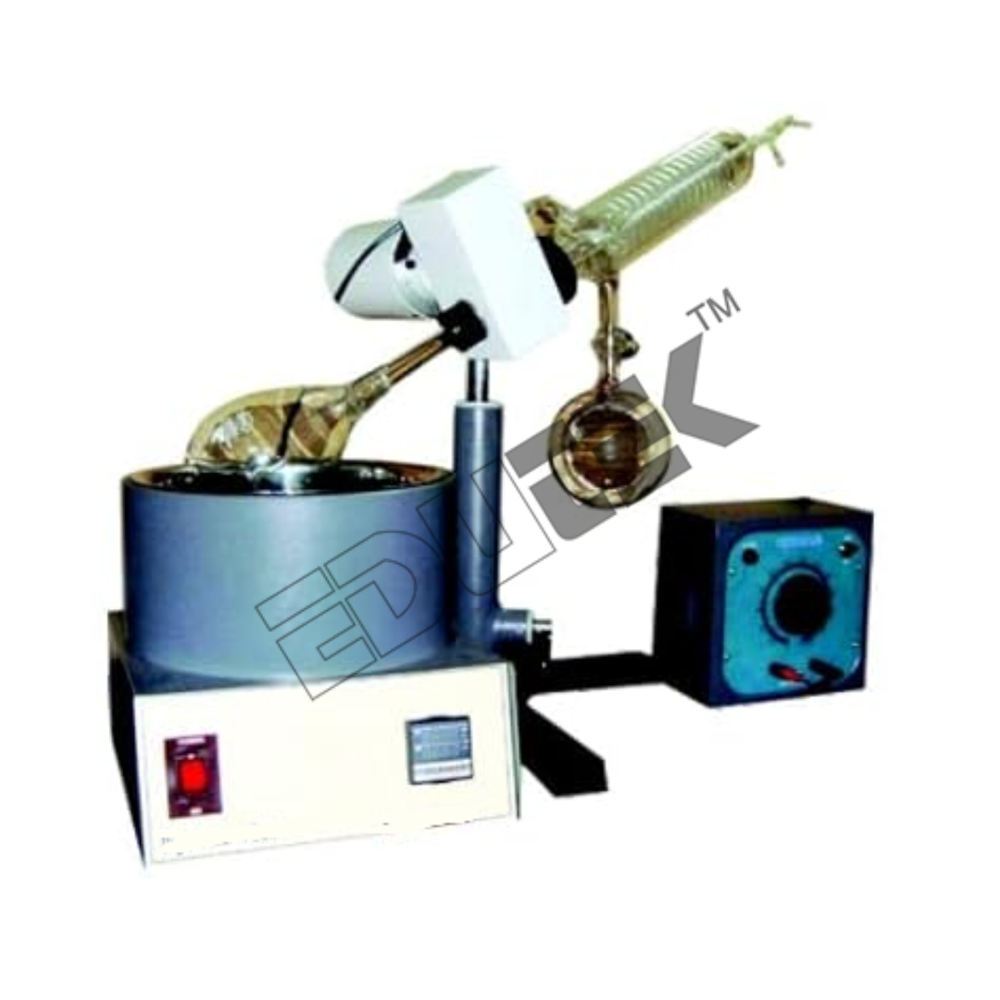
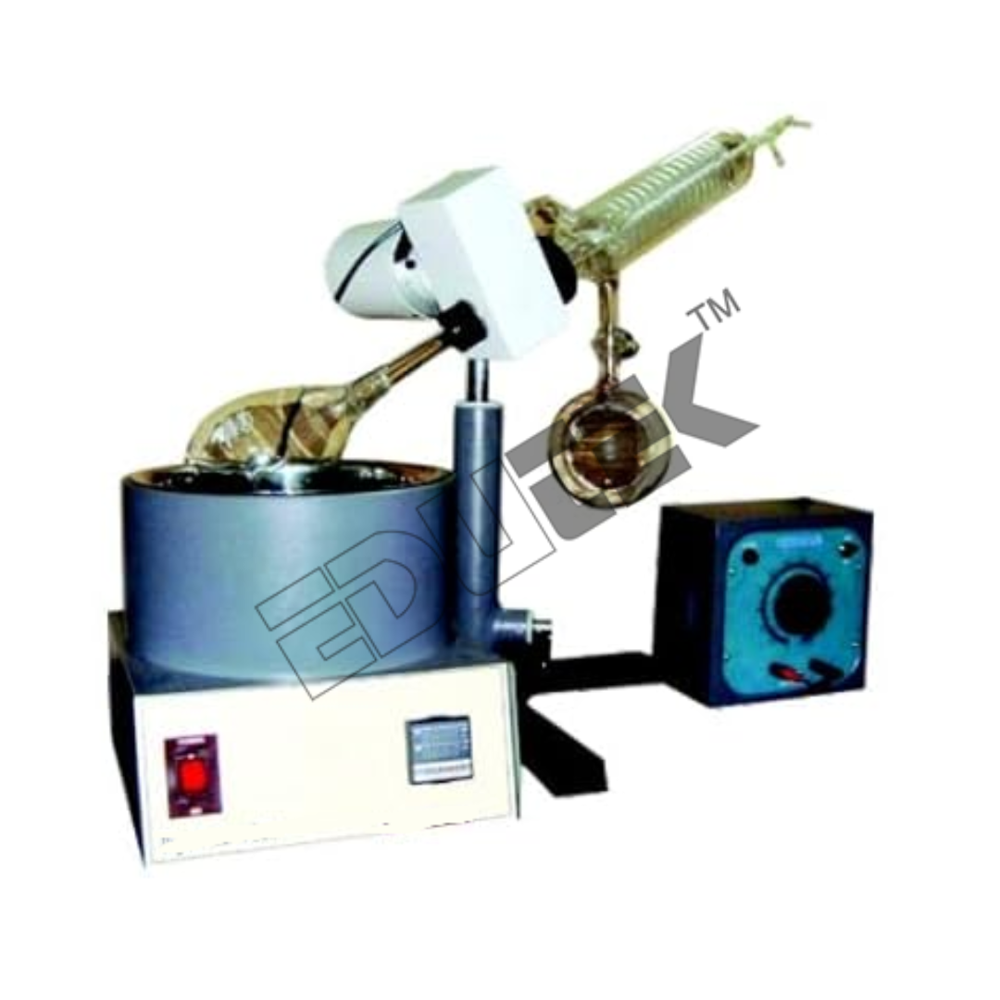
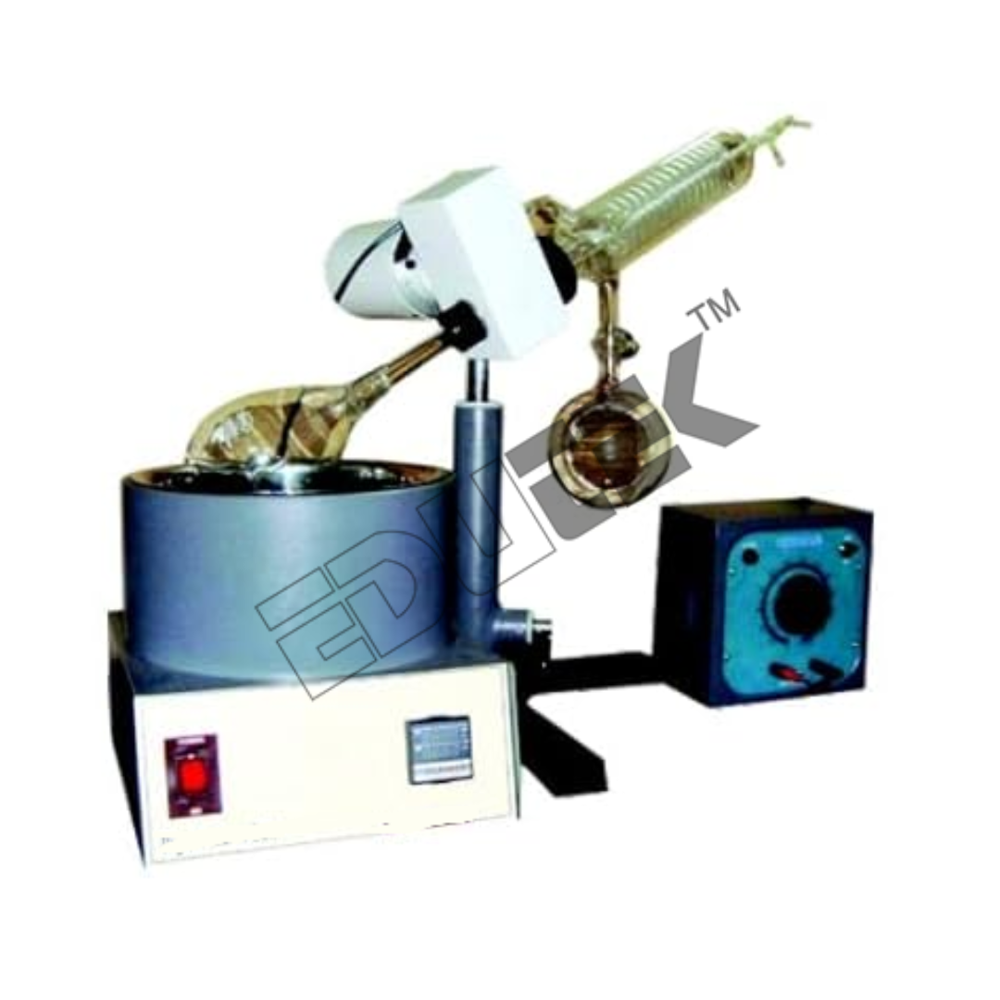
ETP-202B: The apparatus consist of an evaporating flask rotated by non sparking induction motor in a heating water bath. Vacuum distillation of solvent at high and low temps. is achieved quickly and efficiently by use of fixed speed motor, which prevents foaming and bumping of liquid solvent into evaporating flask and also distillation under controlled atmosphere.
The evaporating flask is pear shaped to give a large surface area of evaporation and is clamped to a glass duct which goes through the drive unit and protrudes about 120 mm into the condenser. The condenser is fitted with standard joint at the top and the bottom for receiver flask. The unit is fitted with a quick action jack.
Capacity Available: 1 Ltr. 3 Ltr. 5 Ltr. 10 Ltr.
Optional Accessories: Double walled thermostatic water bath. Digital temp. controlled water bath. Vacuum Pump
Efficient Solvent Removal for LaboratoriesThis rotary evaporator offers precise and reliable solvent removal, thanks to its wide rotational speed and heating bath temperature ranges. Its vacuum capability and impressive condensation surface area facilitate rapid distillation, minimizing sample loss and ensuring high recovery. With configurable capacity and compatibility for various flask sizes, it serves pharmaceutical, chemical, and research labs seeking safe and efficient operation.
Advanced Safety and Versatile OperationIntegrated over-temperature protection, dry run safety, and overload safeguards guarantee user and sample security during operation. Featuring manual or digital controls, vertical or diagonal condensers, and an option for manual or motorized lifting, this evaporator adapts easily to diverse laboratory workflows and procedural requirements.
FAQs of Rotary Evaporator:
Q: How does the rotary evaporator enhance solvent evaporation processes in laboratories?
A: The rotary evaporator increases surface area for evaporation by rotating the flask and using vacuum to lower the boiling point of solvents, significantly accelerating the evaporation and recovery process. Its adjustable speed and heating bath allow fine-tuning based on sample type and desired outcomes, improving efficiency and consistency.
Q: What types of applications is this rotary evaporator suitable for?
A: This rotary evaporator is ideal for pharmaceutical, chemical, and research laboratories, performing tasks such as solvent removal, distillation, and purification. Its flexible flask compatibility and configurable bath make it suitable for a wide range of sample sizes and scientific experiments.
Q: When should I use the vertical versus the diagonal condenser configuration?
A: A vertical condenser is preferred when space is limited or for standard distillation tasks, while a diagonal condenser may be used for improved condensation efficiency with high-volume solvent removal or more aggressive distillation requirements. The choice depends on laboratory setup and specific process requirements.
Q: Where is the safety of users and samples ensured during operation?
A: Safety is maintained through multiple safeguards, including over-temperature protection, dry run prevention, and overload protection. These features protect both operators and samples from potential hazards such as overheating, empty bath operation, or electrical overload.
Q: What materials are used in the construction for chemical compatibility?
A: The rotary evaporator is constructed from borosilicate glass, PTFE, aluminum alloy, and stainless steel, all chosen for their chemical resistance and durability. This ensures compatibility with a wide range of solvents and reduces the risk of material degradation or contamination.
Q: How do I operate and control the rotary evaporator?
A: You can operate the instrument using either manual or digital controls, depending on model selection. Lifting mechanisms may be manual or motorized for ease of flask handling. The digital or analog display ensures precise monitoring and adjustment of parameters during operation.
Q: What are the primary benefits of using this rotary evaporator?
A: Key benefits include fast and efficient solvent removal, precise control over operational parameters, robust safety features, and versatility across a broad spectrum of laboratory tasks. Its durable materials and adaptable configurations make it a reliable asset to modern laboratory workflows.




 Send Inquiry
 Send Inquiry

