Quick estimation of OMC during compaction control work, especially in the field after initial lab calibration
Classification
Geotechnical Engineering / Construction Quality Control
Operate Method
Force Measurement: The needle is pushed into the compacted soil at a constant rate; the force required for penetration is measured, and penetration resistance is calculated by dividing the force by the needle's end area
Warranty
Limited warranty as per manufacturer
Temperature Range
Ambient room temperature Celsius (oC)
Automation Grade
Manual
Measurement Range
Applicable as per requirement
Product Type
Soil Consistency Tester / Compaction Control Accessory
Feature
Durable Precise Measurement
Application
Civil Engineering Labs, Field Quality Control
Material
Steel, Brass, Precision Spring
Equipment Materials
Metal (Steel or Brass) and Plastic
Type
Proctor Needles
Dimension (L*W*H)
Standard dimensions Millimeter (mm)
Weight
Lightweight for easy handling Grams (g)
About Proctor Needles
Proctor Needles
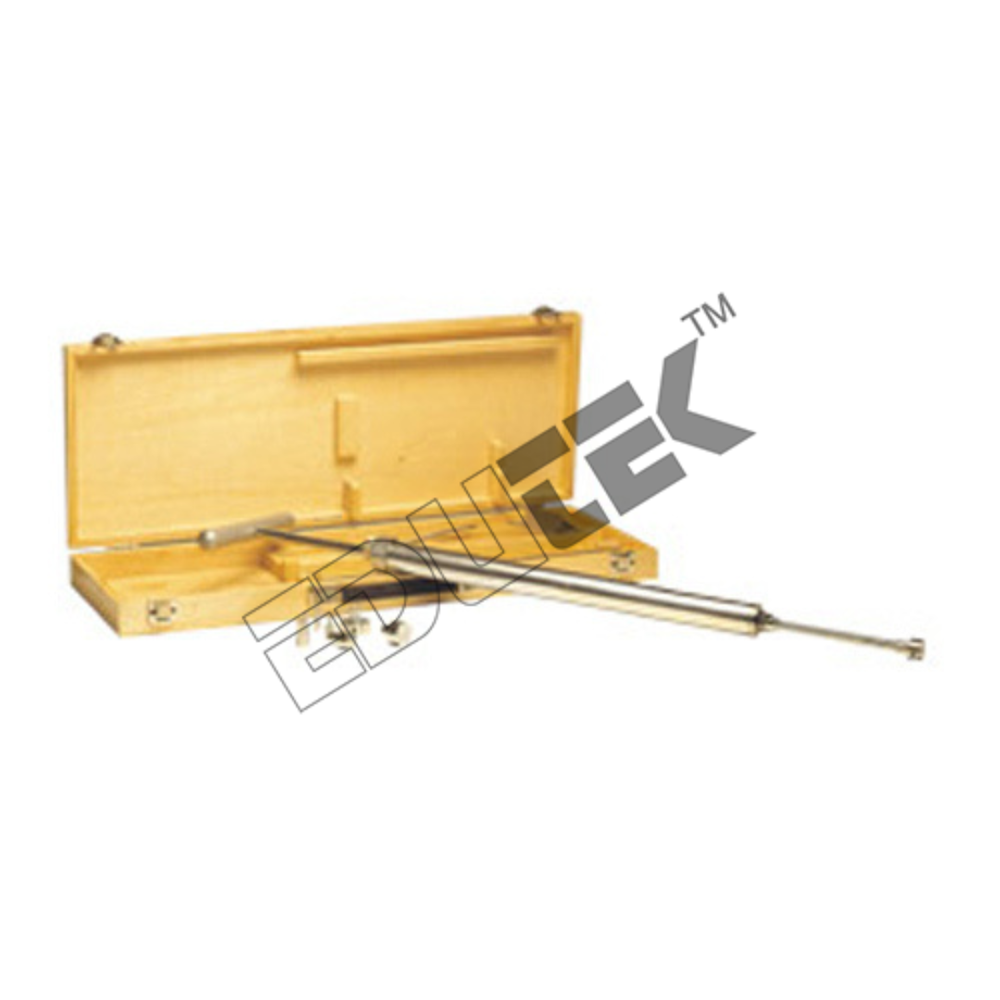
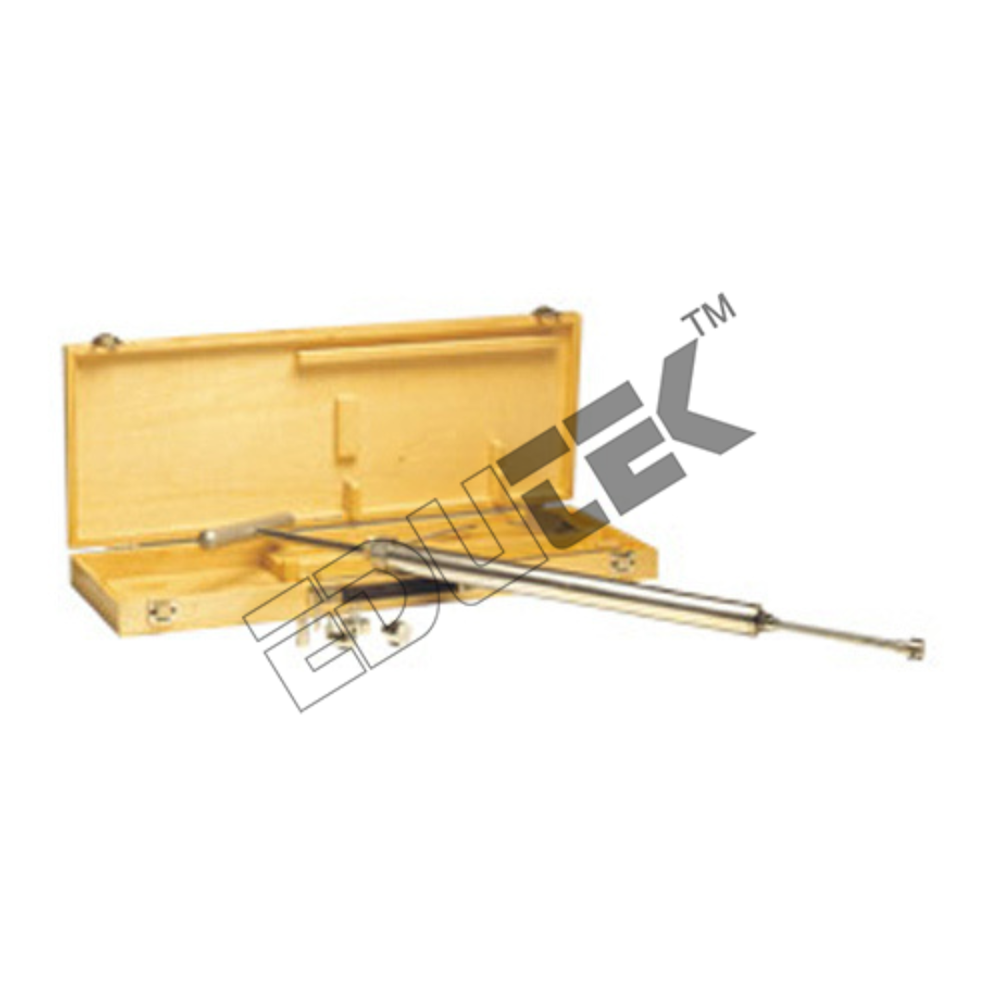
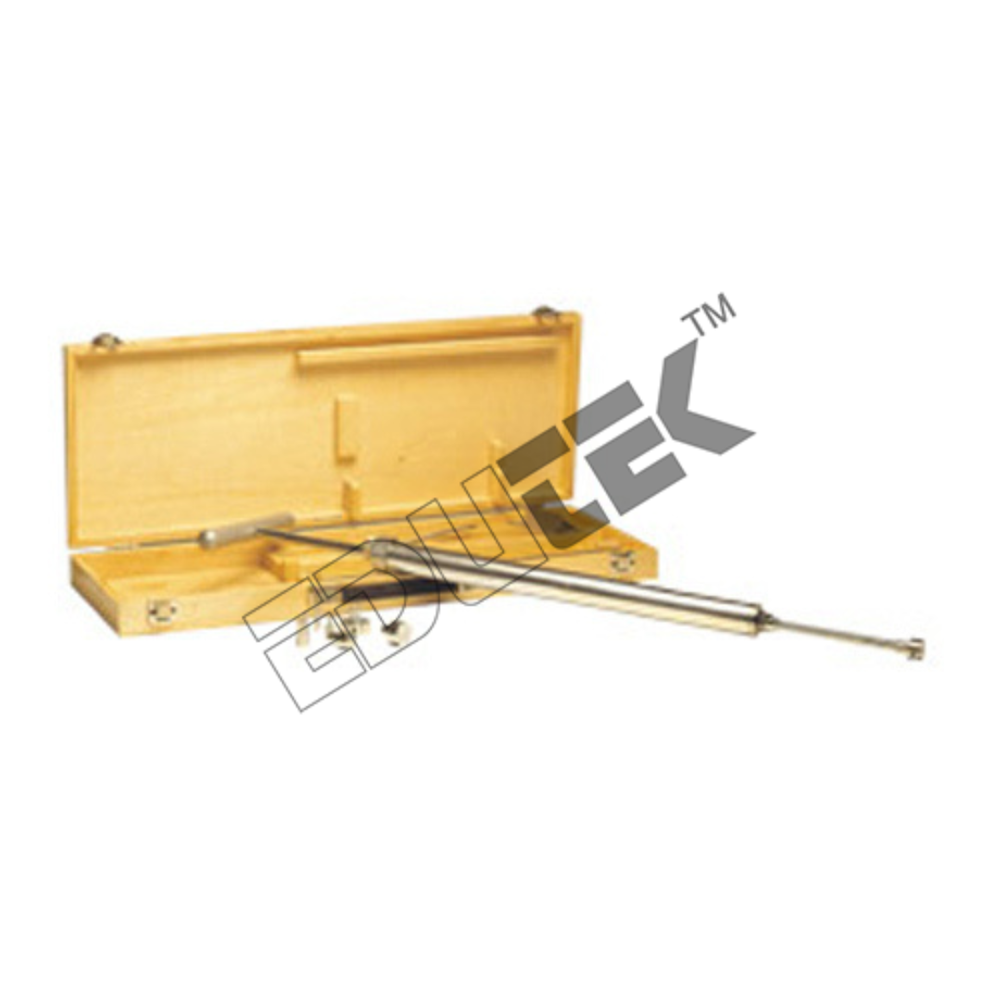
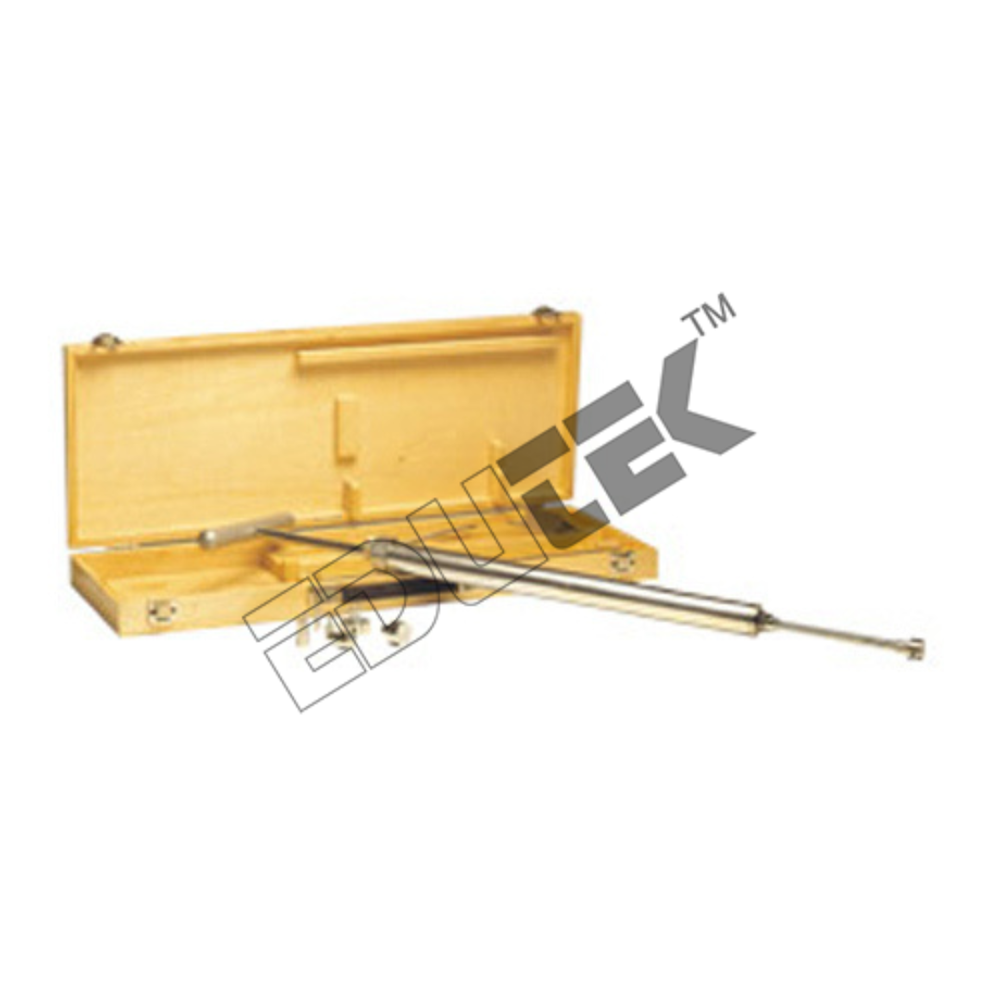
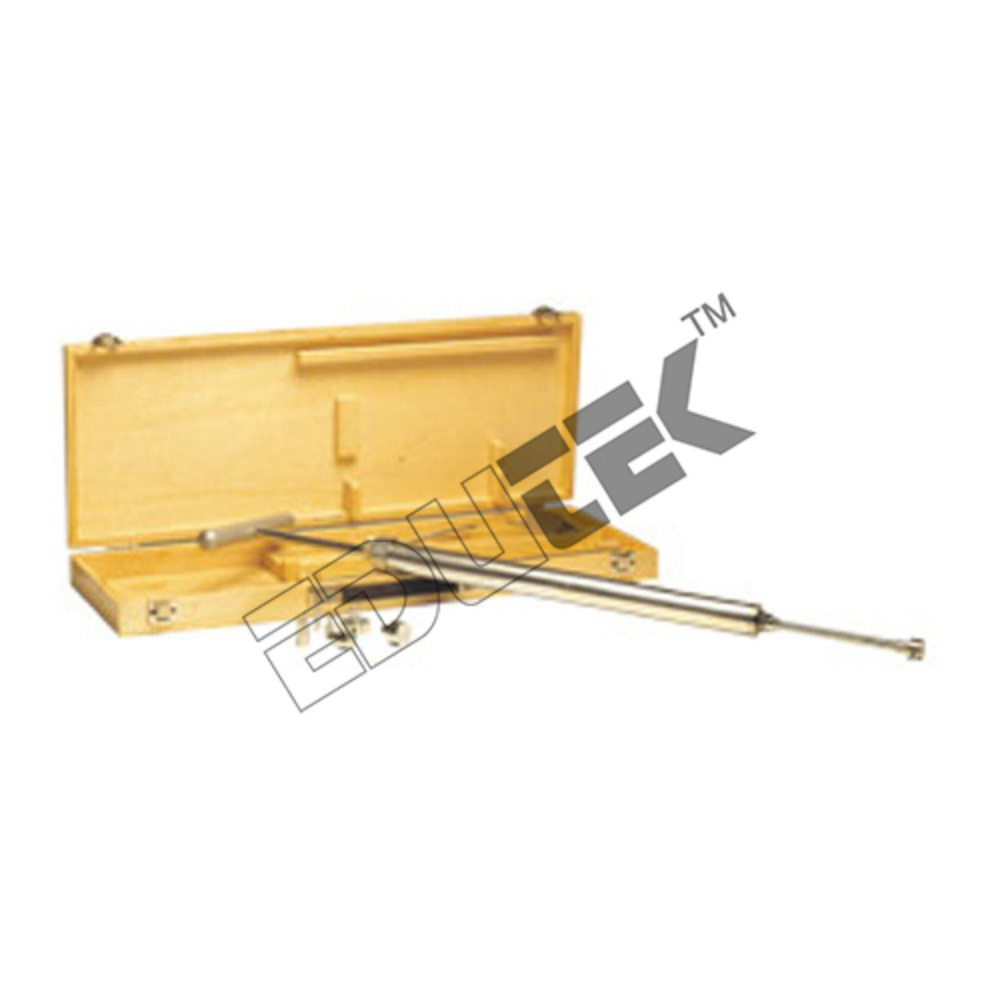
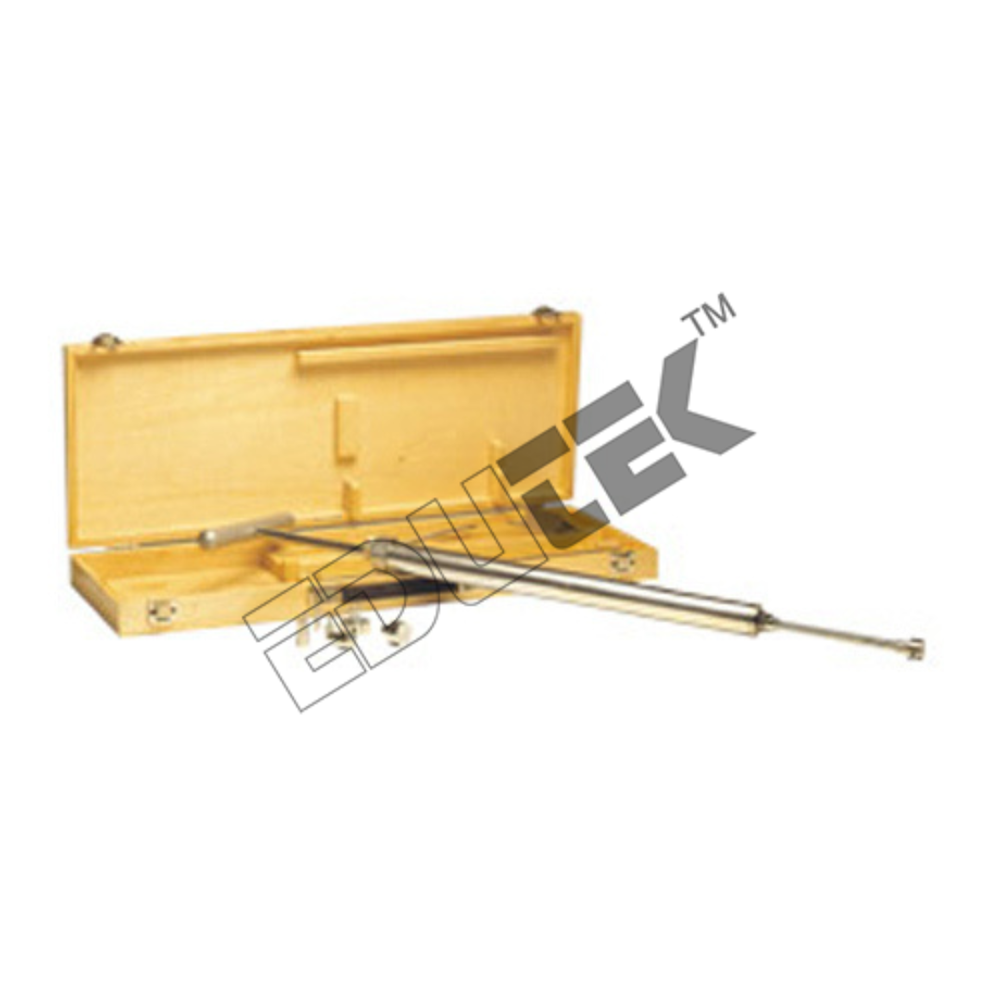
The instrument consists of a needle attached to a spring loaded plunger, the stem of which is calibrated to read 0 to 40 kg division. Long stem is graduated at every 12.5mm to read depth of penetration and for use with needles of larger areas. The small penetration stem is also graduation in 12.5mm division and is used with needles of smaller areas. Needle points one each of 0.25, 0.5, 1.0, 1.5, 2.0, 3.5 and 6.0 sq Cm. And one tommy pin is supplied. Complete as above in a wooden carrying case.
FAQs of Proctor Needles:
Q: What is the automation grade of Proctor Needles?
A: The Proctor Needles have a manual automation grade.
Q: What is the primary usage of Proctor Needles?
A: Proctor Needles are primarily used for the determination of soil compaction and density.
Q: What is the warranty offered on Proctor Needles?
A: Proctor Needles come with a limited warranty as per the manufacturers terms.
Q: What type of materials are used in manufacturing Proctor Needles?
A: Proctor Needles are made using metal (steel or brass) and plastic components.
Q: What is the temperature range for operating Proctor Needles?
A: Proctor Needles can be used within the ambient room temperature range.
Tell us about your requirement
Price:
Quantity
Select Unit
50
100
200
250
500
1000+
Additional detail
Mobile number
Email
Name
Comapny Name
Phone Number
Email Id
City / State
Confirm Your Requirement
Verification Code
Did not receive yet?
Resend OTP
You’re Done!
We have received your requirements and will reply shortly with the best price.




 Send Inquiry
 Send Inquiry

