
EDUTEK INSTRUMENTATION
GST : 06AEWPJ6896D1ZU

Call us
07313726362
Call us
07313726362

Price:
Price 10000.0 INR / Unit
Minimum Order Quantity : 1 Unit
Automation Grade : SemiAutomatic
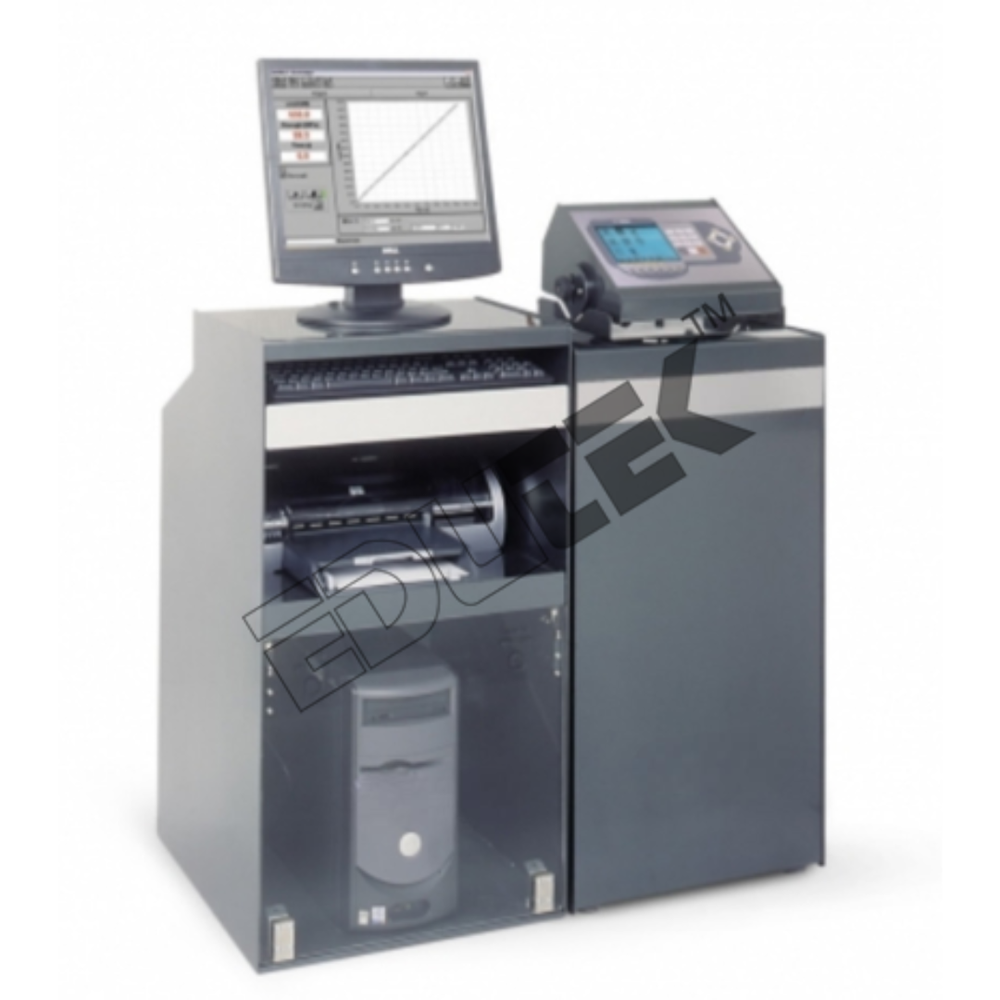
Usage : Advanced pavement design (e.g., dynamic modulus), structural element testing, aerospace and automotive component analysis
Operate Method : Computer Control: Software dictates the precise loading path (stress or strain control); sensors provide realtime feedback for closedloop control of the actuator
Application : Civil Engineering Research, Materials Science, Manufacturing QC
Minimum Order Quantity : 1 Unit
Automation Grade : Manual / SemiAutomatic
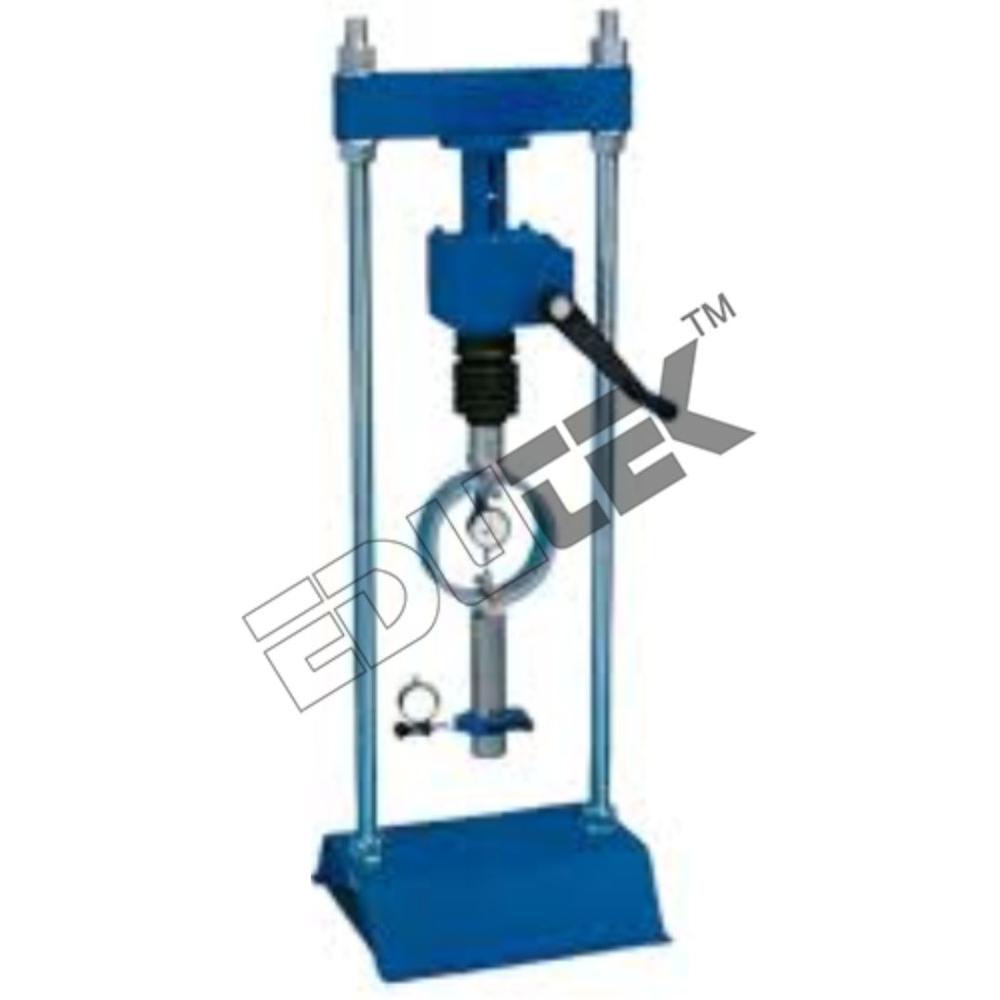
Usage : Thickness design of pavement layers for roads and airports
Operate Method : Automated Penetration: The piston penetrates the sample at a fixed rate, and the corresponding load is measured at 2.5mm and 5.0mm penetration
Application : Civil Engineering, Highway Labs, Geotechnical Labs
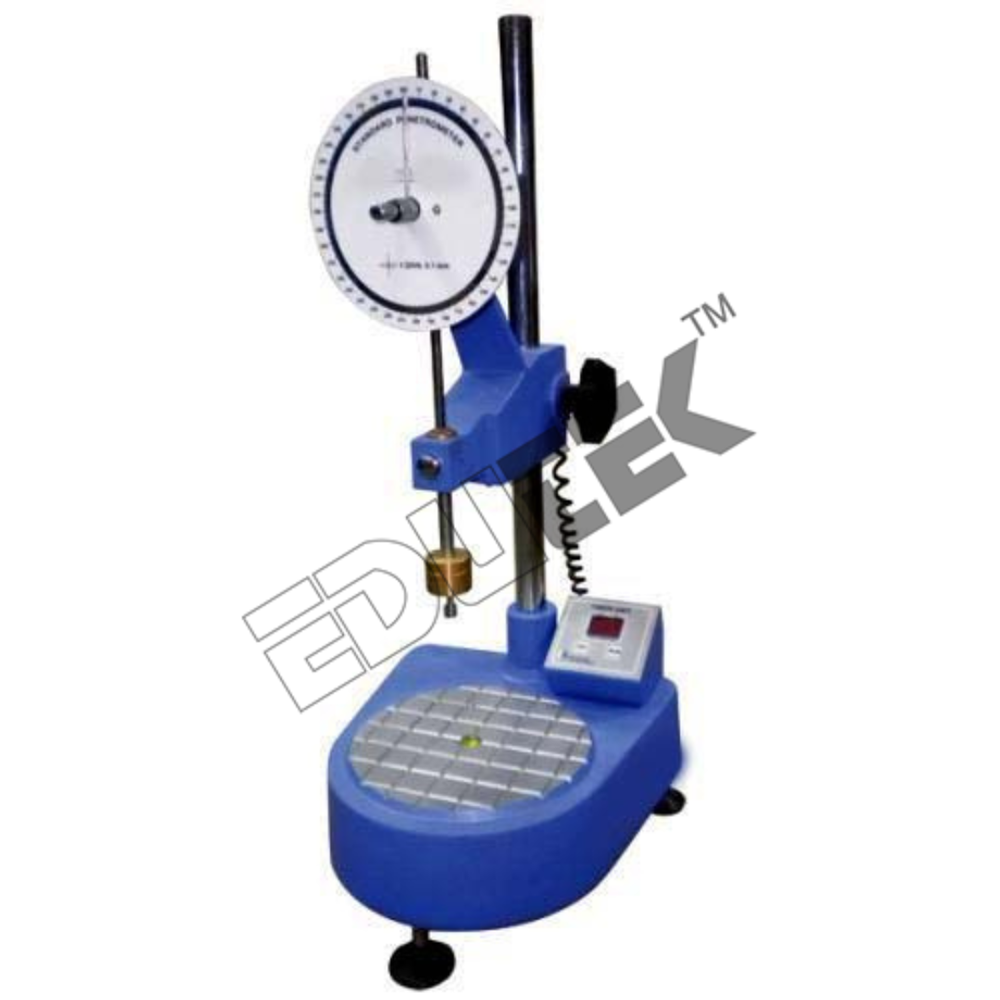
Price 1600.0 INR / Piece
Minimum Order Quantity : 1 Piece
Automation Grade : SemiAutomatic (Automated timing, Manual Release and Reading)
Usage : Determine the moisture content
Operate Method : Timed Penetration: The cone is lowered to just touch the soil surface, the lock is released, and the cone penetrates the soil for 5 seconds; the final depth is recorded
Application : Determine the moisture content
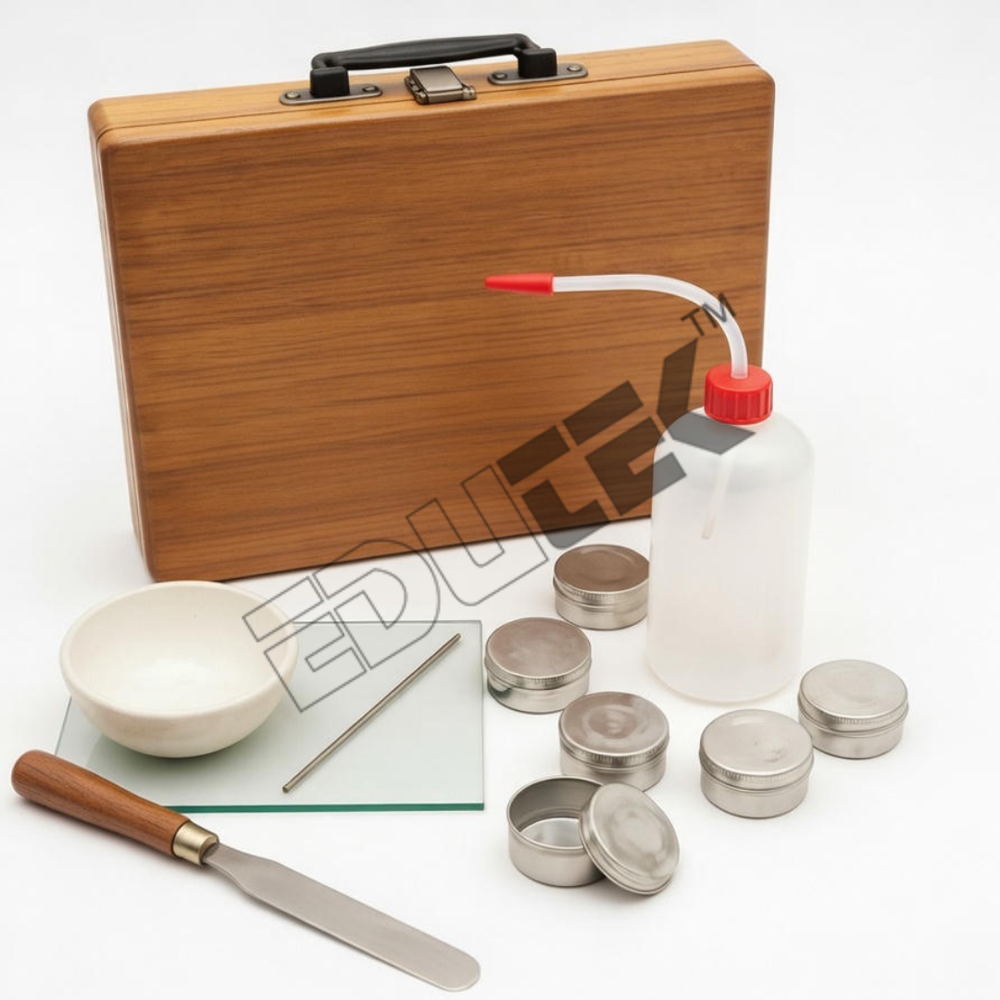
Minimum Order Quantity : 1 Set
Automation Grade : Manual
Usage : Critical for calculating the Plasticity Index (PI = LL PL)
Operate Method : Thread Rolling: Soil is rolled into a $3$ mm diameter thread on the glass plate until it begins to crumble; the moisture at this point is the Plastic Limit
Application : Atterberg limits and soil classification

 Send Inquiry
 Send Inquiry

