About MICROPROCESSOR UV SPECTRO PHOTOMETER
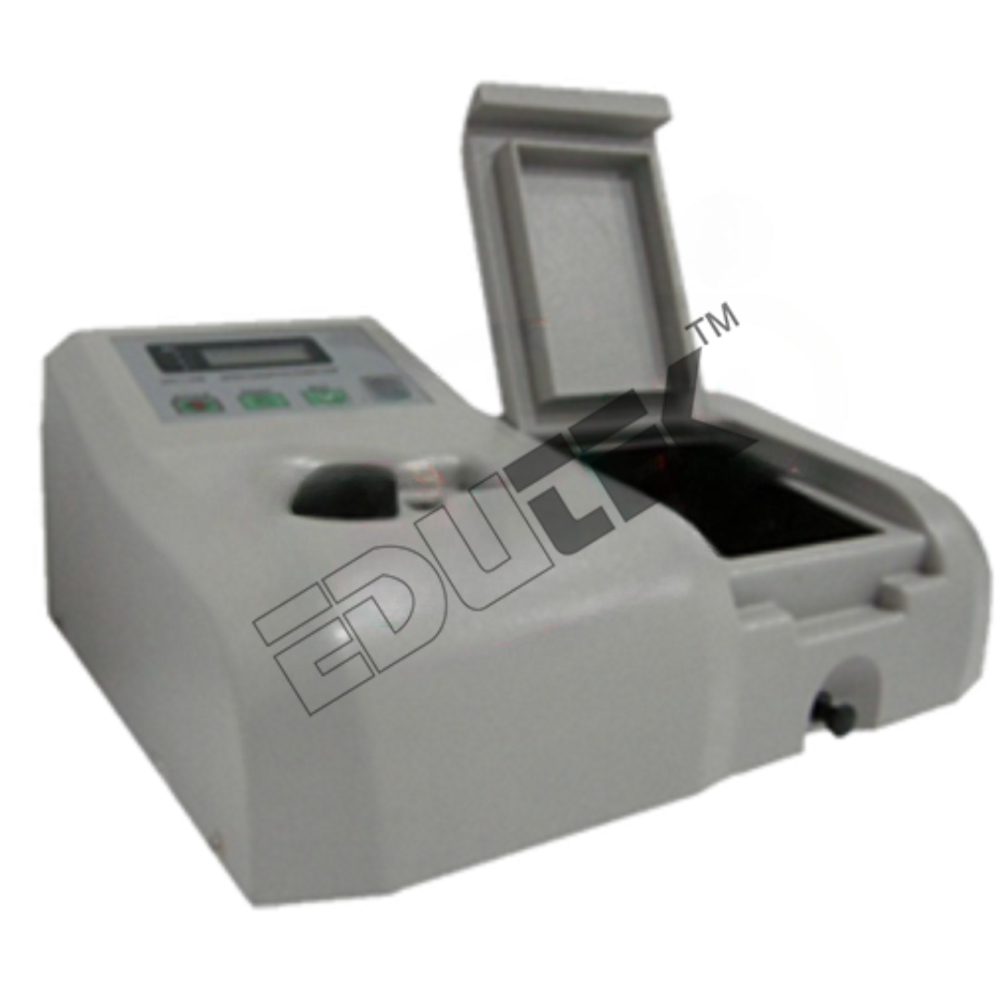
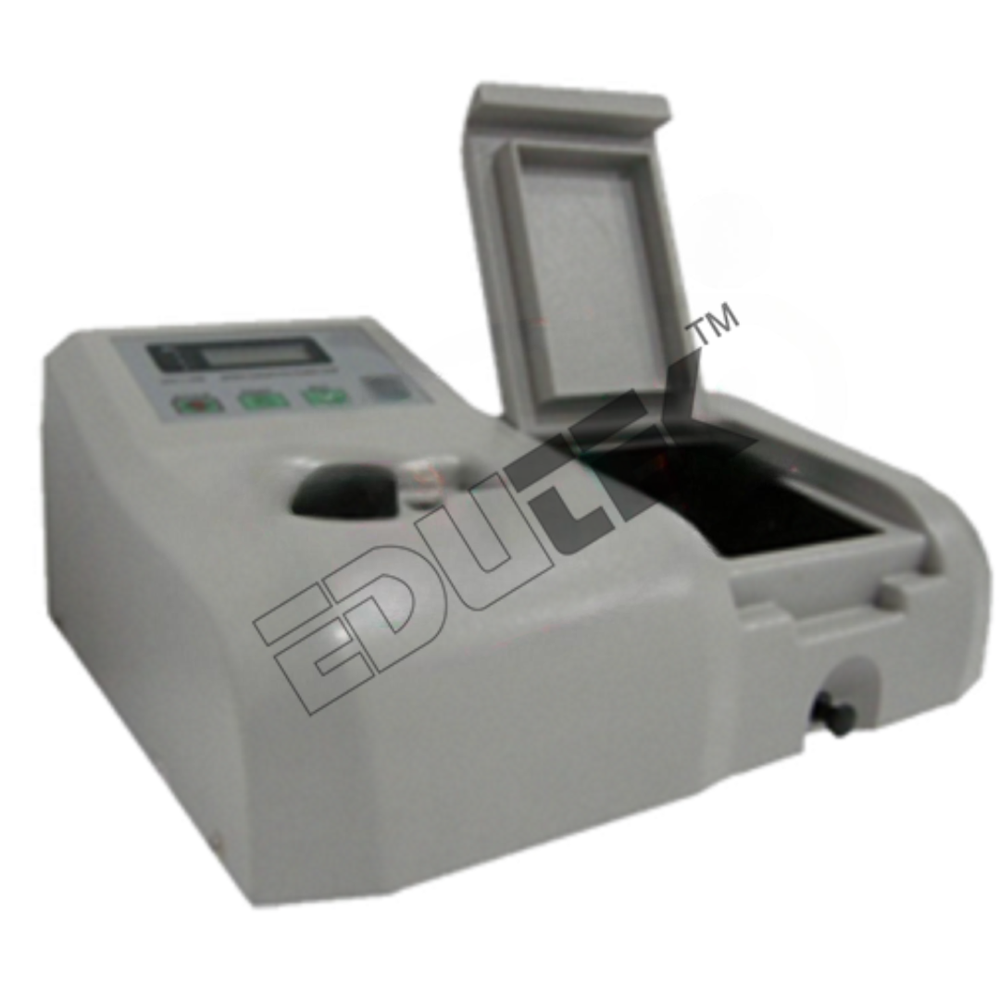
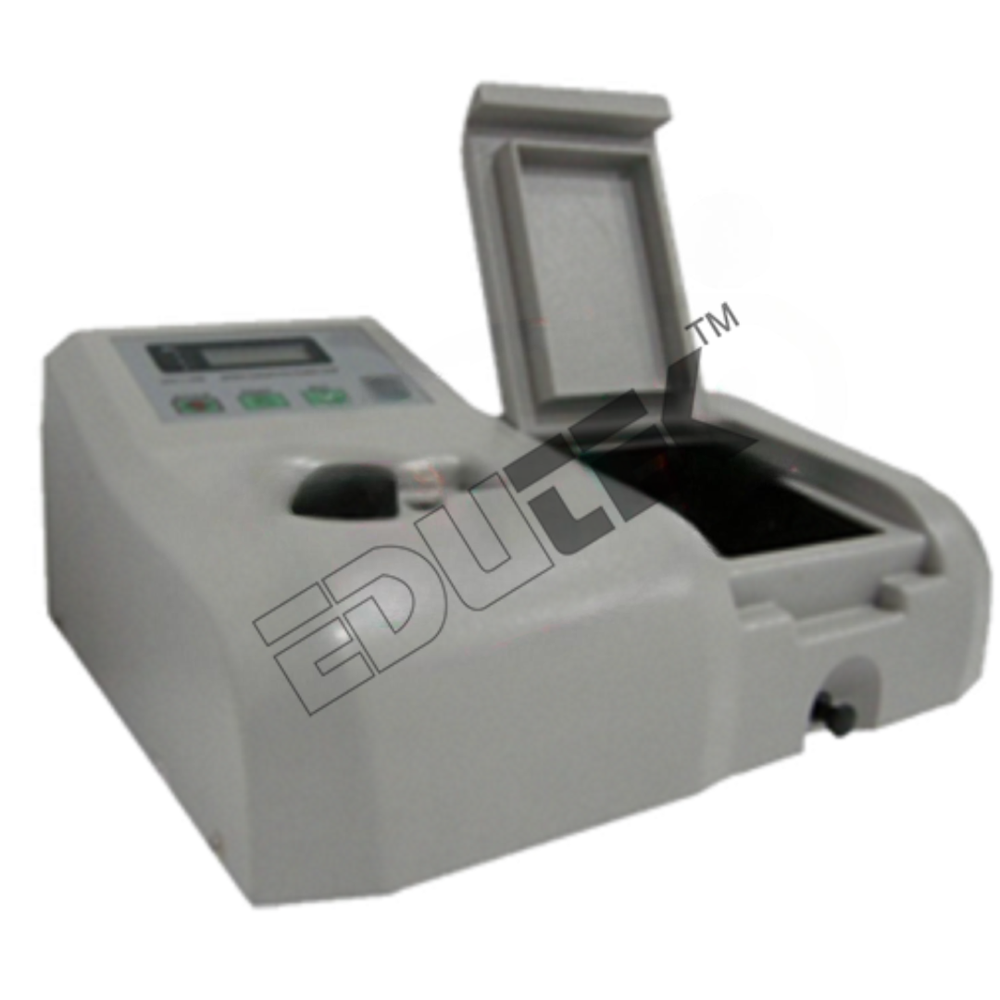
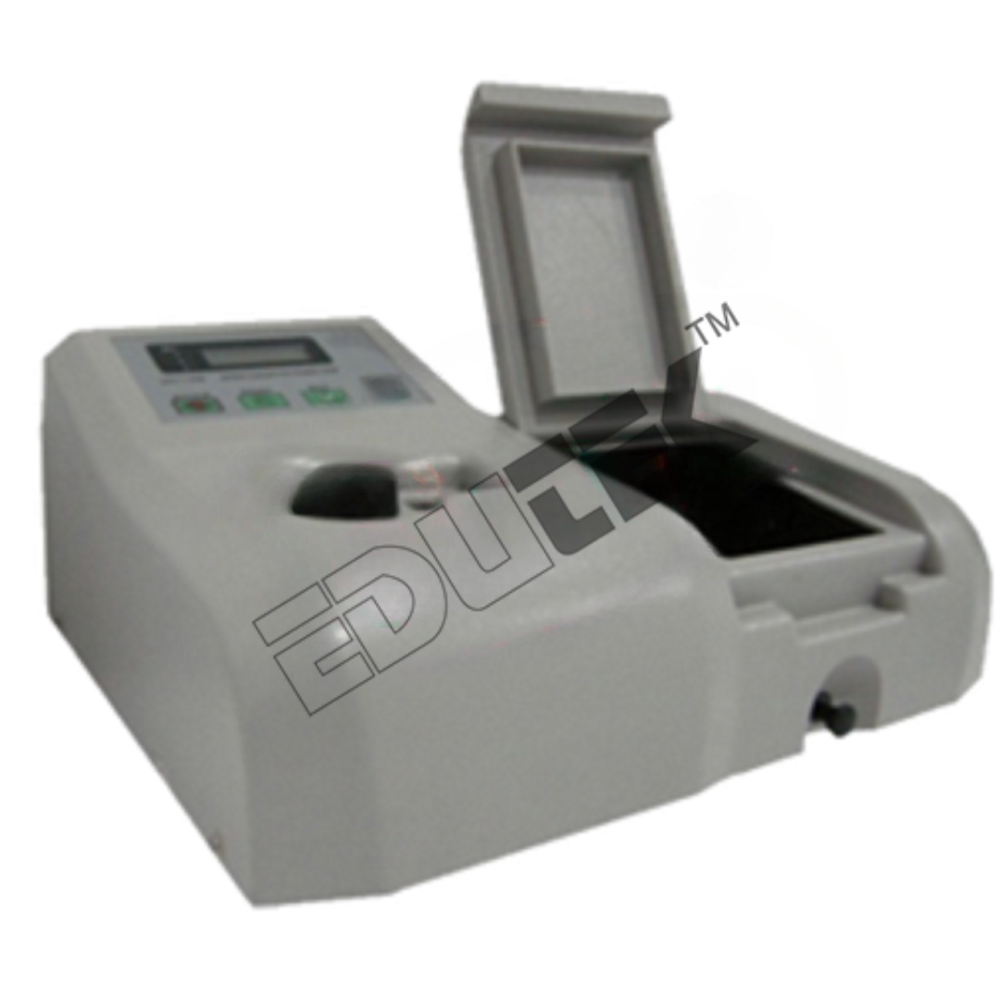
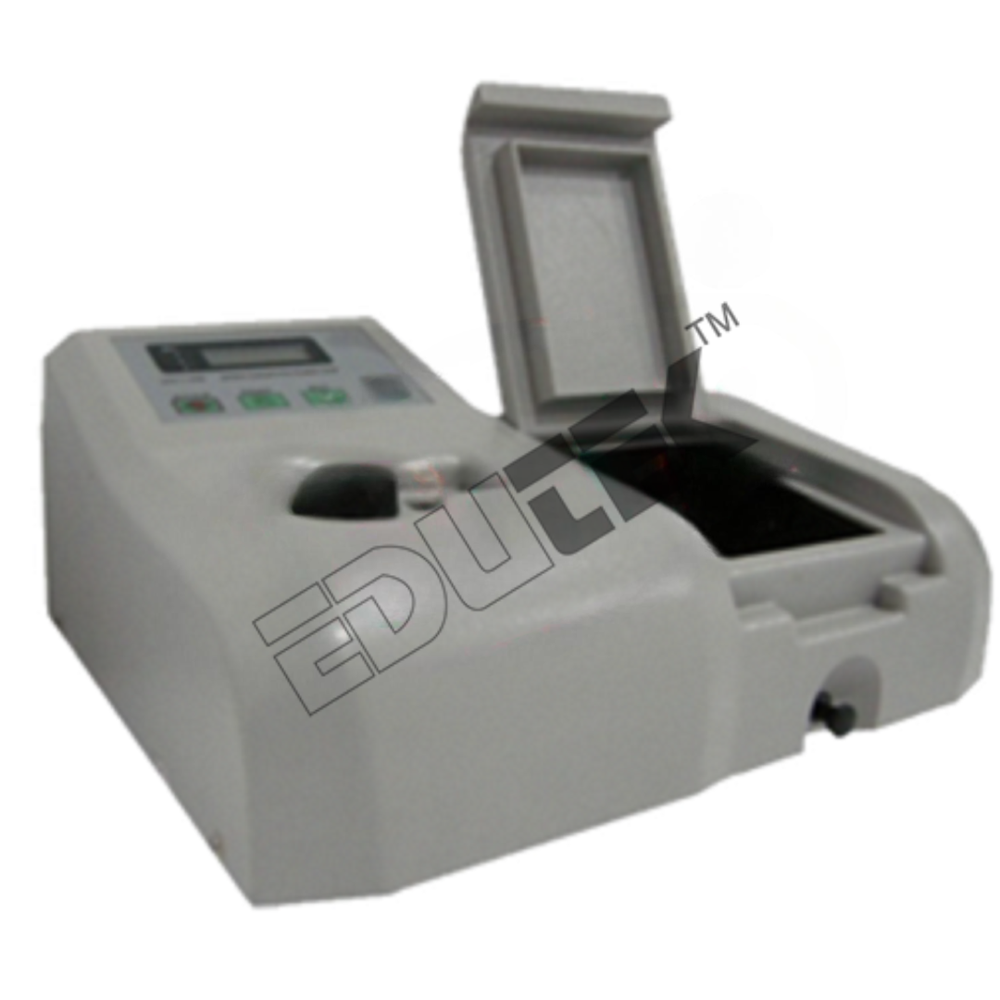
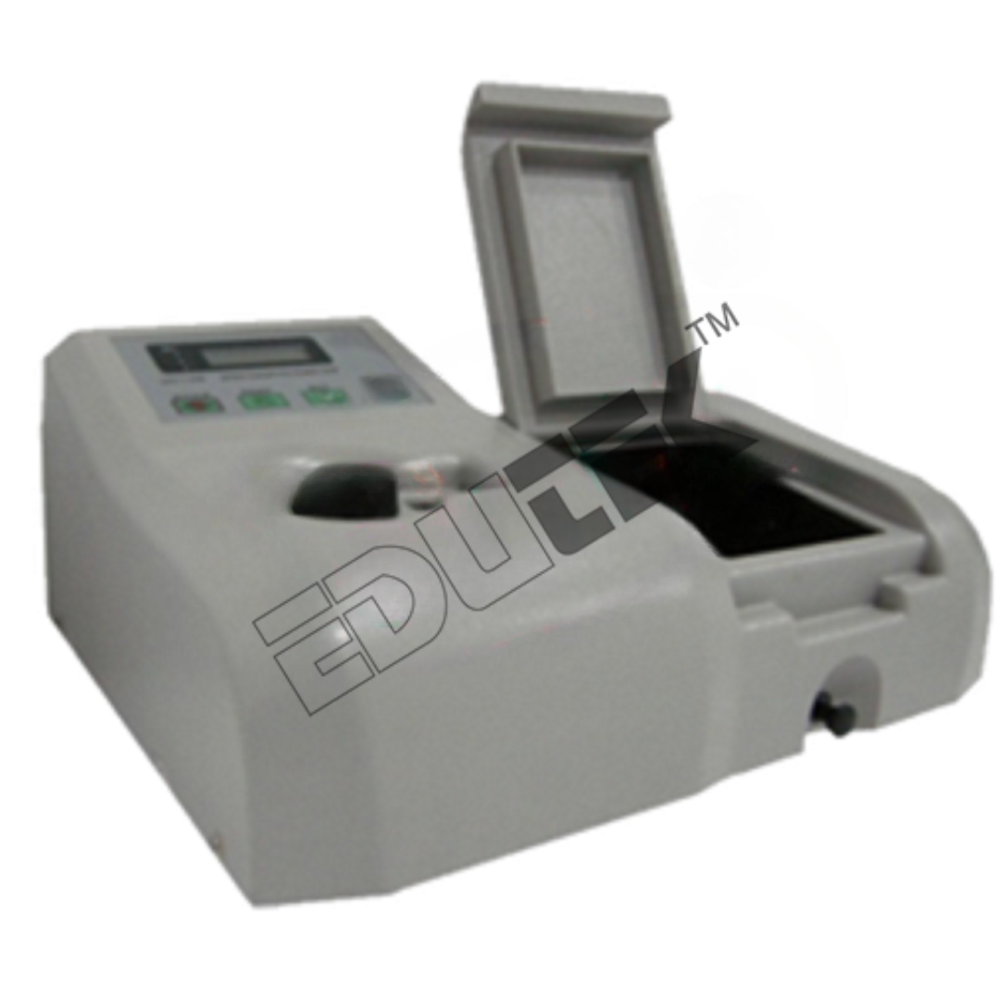
MICROPROCESSOR UV SPECTRO PHOTOMETER ETA-16A
Microprocessor UV Spectrophotometer is a solid state microcontroller based instrument designed for quick and accurate spectrophotometric analysis of any concentration. The instrument uses the latest microprocessor technology and advanced engineering techniques so as to give enhanced accuracy and reproducibility.
SPECIFICATION OF MICROPROCESSOR UV SPECTRO PHOTOMETER SPECTREAL
- Range 195 to 1000 nm
- Resolution 0.1 nm
- Sepctral Band Width 2 nm
- Accuracy 0.5 nm
- Repeatability 0.3 nm
PHOTOMETRIC
- Photometric Range % T : 0 to 100 % , Abs : 0 to 1.999
- Conc.: 0 to 1999, K-Factor : 0 to
- 1999
- Accuracy ±0.005 Abx at 1.0 Abs
- Stray Light Less than 0.1 % at 320 nm
- Data Readout Single Line LCD display
- Key Board 4 Keys, soft touch membrance type
- Serial Interface RS 232C interface
- Light Source a) Tungsten Halogen Lamp
- b) Deuterium Lamp (D2)
- Detector Wide range Silicon Photodiode
- Readability ±1 Count
- Printer Interface Printer interface for any centronics
- dot matrix printer
- Optics Complete mirror optics with resolution
- 1200 grooves/mm grating
- Power 230V 10% AC, 50 Hz
With a photometric range from -0.3 to 3.0 A and photometric accuracy of 0.3% T, the Microprocessor UV Spectrophotometer ensures reliable results for both routine and complex analyses. Its wavelength accuracy and repeatability allow consistent, reproducible outcomes vital for laboratory research and quality control.
Ease of Use and Data ManagementFeaturing a digital keypad, large LCD display, and user-friendly interface, this spectrophotometer streamlines workflow. The instrument includes an RS232 interface and a parallel port for external data output or printing, while optional PC software enhances data analysis, archiving, and reporting.
Versatility in Laboratory ApplicationsIdeal for pharmaceutical, clinical, research, and chemical laboratories, this spectrophotometer excels in a wide range of qualitative and quantitative assessments. It is engineered for use within 1040C and up to 80% relative humidity, ensuring stable operation under standard laboratory conditions.
FAQs of MICROPROCESSOR UV SPECTRO PHOTOMETER:
Q: How does the Microprocessor UV Spectrophotometer ensure high measurement accuracy?
A: The spectrophotometer maintains high measurement accuracy with a wavelength accuracy of 0.5 nm and repeatability of 0.2 nm. Its photometric accuracy is 0.3% T, supported by a dual light source (deuterium and tungsten halogen) and a silicon photodiode detector, ensuring precise and reliable data.
Q: What types of analyses can be performed with this spectrophotometer?
A: This instrument supports both qualitative and quantitative analyses in the UV and visible ranges, making it suitable for analyzing pharmaceutical ingredients, biological samples, chemical compounds, and performing routine laboratory tests or advanced research studies.
Q: When should users calibrate or maintain the UV spectrophotometer for optimal results?
A: Regular maintenance and calibration are recommended according to laboratory protocolsoften before critical experiments or routine operational schedules. The devices high repeatability and reliability minimize frequent recalibration, but periodic checks help maintain best results.
Q: Where can the Microprocessor UV Spectrophotometer be most effectively used?
A: This spectrophotometer is best utilized in pharmaceutical quality control, clinical diagnostics, biochemical studies, chemical research, and academic laboratory environments due to its broad wavelength range and robust performance under standard lab conditions.
Q: What is the process for collecting and exporting data from the spectrophotometer?
A: Data is displayed on a large LCD screen and can be exported via the RS232 interface or parallel port for printing. Optional PC software further enables data analysis, archiving, and comprehensive reporting for documentation and regulatory compliance.
Q: How should the spectrophotometer be operated for typical sample analysis?
A: Place your sample in a 10 mm path length quartz cuvette within the 4-position cell holder, select the desired wavelength and measurement mode using the digital keypad, and view results on the LCD display or export data as required.
Q: What are the primary benefits of using this spectrophotometer in a laboratory setting?
A: The main advantages are its precision, versatility across diverse applications, user-friendly controls, reliable data output, and stable performance in varying environmental conditions. This makes it an essential tool for research, diagnostics, and quality assurance across scientific fields.




 Send Inquiry
 Send Inquiry

